
Antique Desktop Drawers
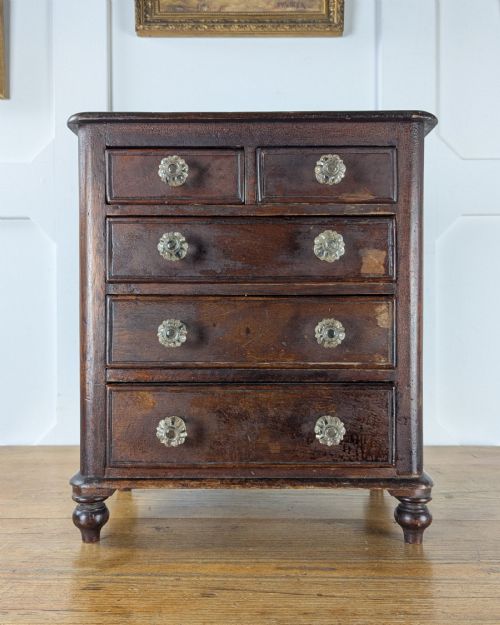
These antique desktop drawers are practical table-standing storage pieces designed to keep small valuables, papers, and collections close at hand.
Antique Desktop Drawers
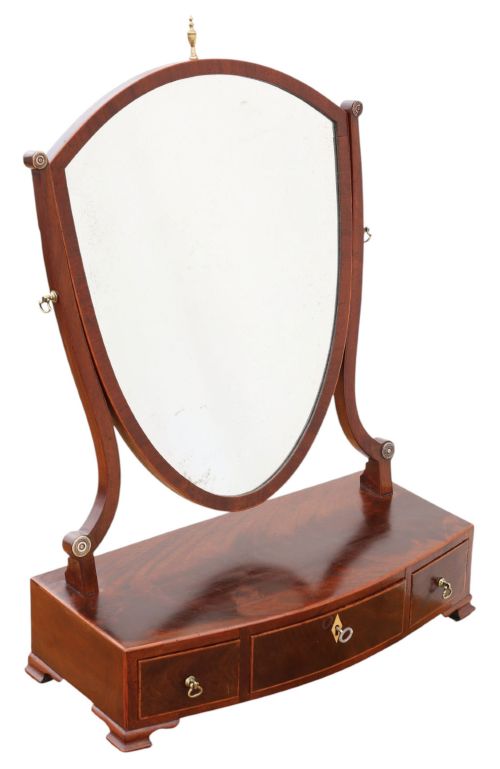
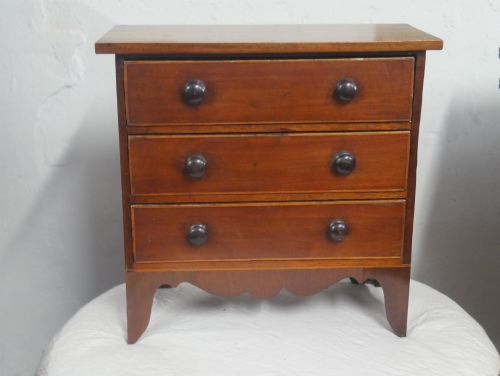
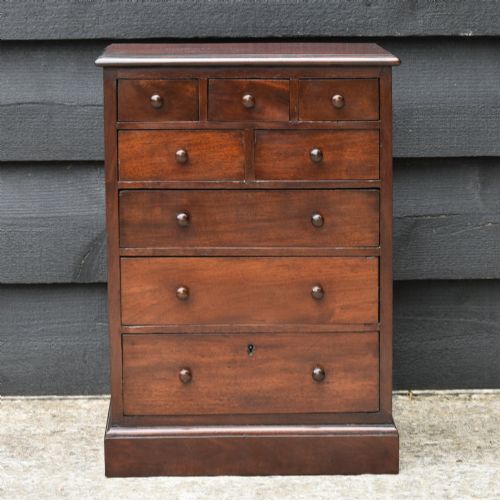
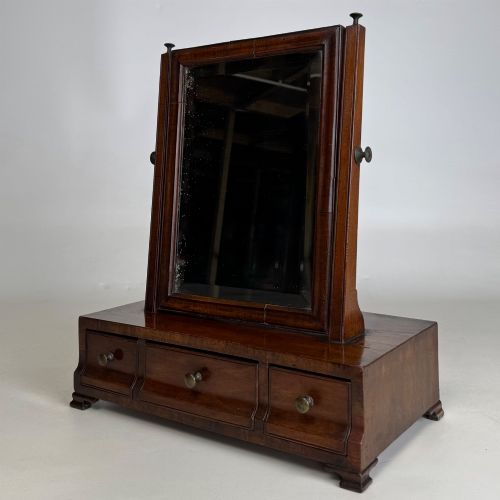
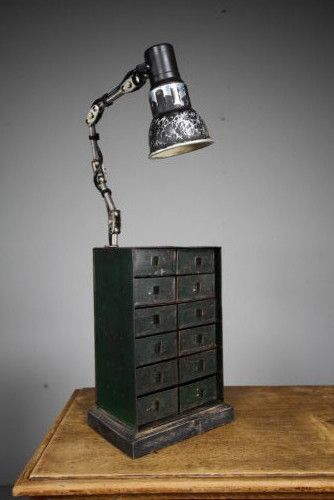
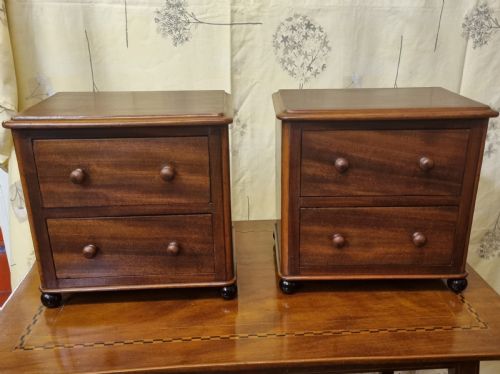
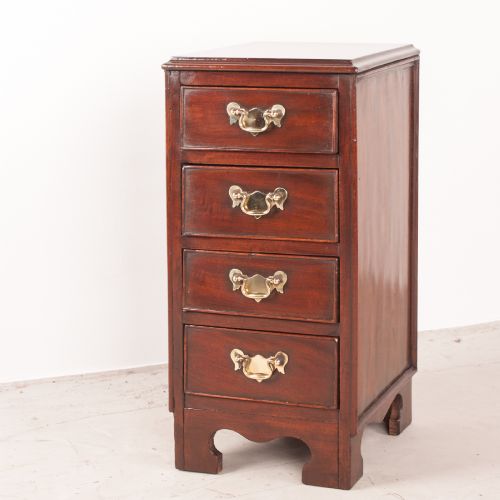
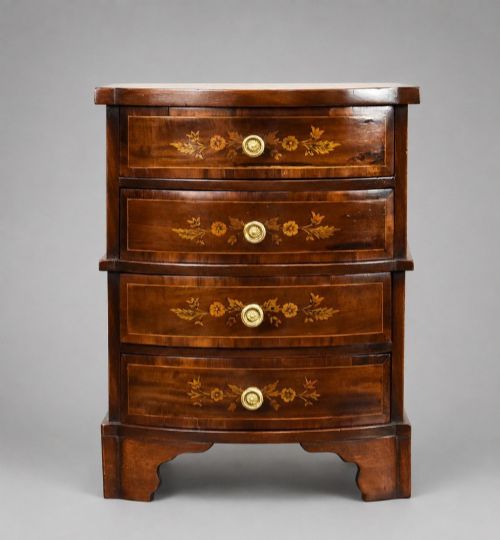
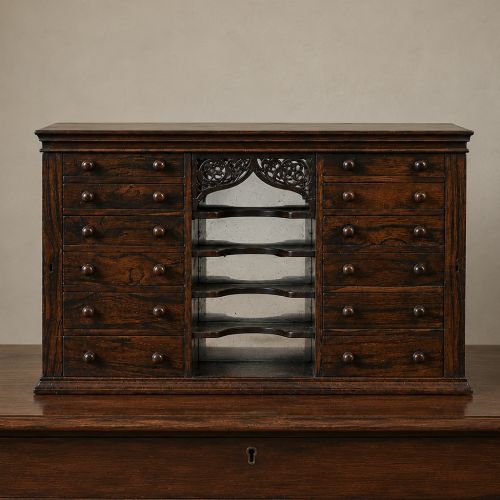
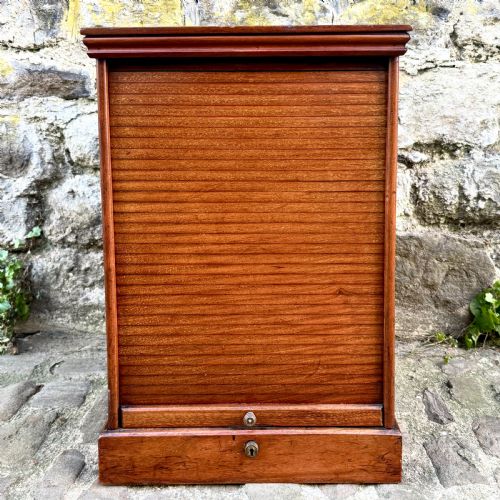
When you search for antique desktop drawers, you encounter a varied selection of miniature chests, collectors' cabinets, dressing table mirrors with compartments, and tabletop filing units. These pieces span periods from the Georgian and Regency eras through the Victorian and Edwardian decades up to the early twentieth century.
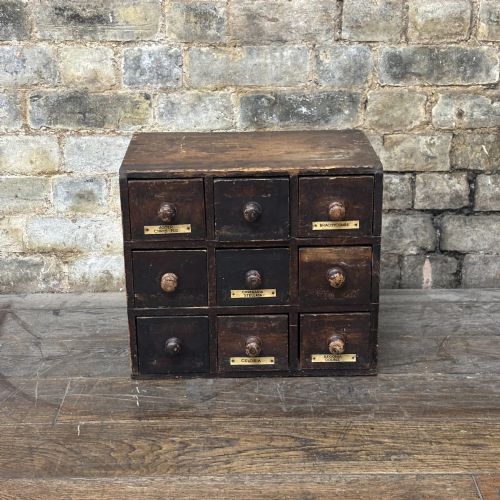
The most common formats on this page are miniature chests of drawers and apprentice pieces, alongside specialised storage such as spice drawers, seed chests, and specimen cabinets. They range from domestic dressing mirrors with small base drawers to industrial filing shelves and smoker's cabinets.
How they were made
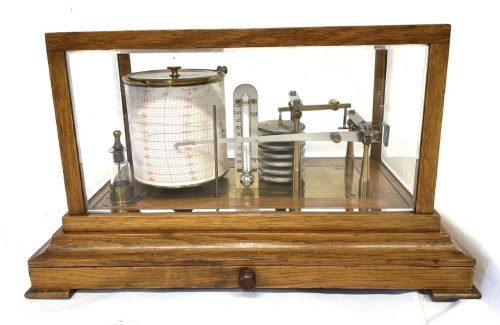
Cabinetmakers constructed these desktop pieces using solid timbers and veneers such as mahogany, oak, walnut, rosewood, and pine, often adding brass handles, locks, and hinges. Glass frequently appears in cabinet doors, dressing mirrors, and barograph cases.
Techniques relied on traditional joinery suited to miniature and tabletop scale, including dovetail joints for small drawers and turnings for feet. Crossbanding, marquetry inlay, and polished patinas complete the surface work on finer specimens.
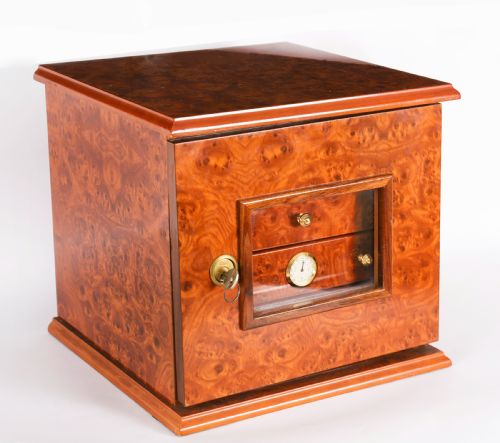
Some nineteenth-century desktop drawers recorded the weather via built-in barographs while simultaneously storing your cigars.
What varies in quality
Quality in these desktop pieces rests on the choice of timber, the crispness of the cabinetwork, and the preservation of original elements like brass hardware, key escutcheons, and glass panels. Dense hardwoods like mahogany and figured veneers such as burr walnut indicate higher workshop ambition.
Proportion and detail separate standard storage boxes from superior miniature furniture, particularly where drawers retain smooth operation and fine dovetails. The integration of fitted interiors, working locks with keys, and specialised compartments elevates a piece above basic utility.
The Antique Desktop Drawers Glossary
- Apprentice piece
- A small item of furniture made by a trainee craftsman to demonstrate mastery of skills before admission to a guild.
- Collector's cabinet
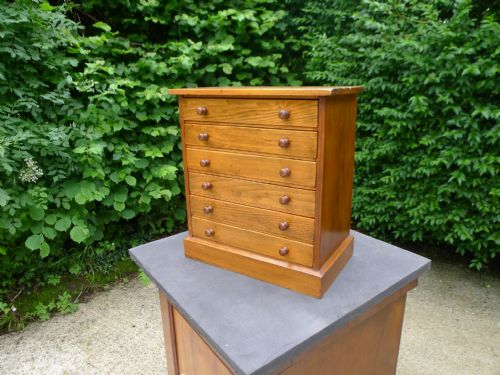
- A small chest fitted with multiple shallow drawers designed to organise natural specimens, coins, or small objects.
- Dressing table mirror
- A swing glass mounted on a frame or box base containing one or more small storage drawers.
- Barograph
- A meteorological instrument housed in a wooden case with a glass cover and a dedicated drawer for paper recording charts.
- Crossbanding
- A decorative border of veneer laid with the grain running perpendicular to the surrounding surface.
Antique Desktop Drawers: Frequently Asked Questions
What were apprentice pieces used for?
Apprentice pieces served as scaled-down demonstrations of a woodworker's proficiency in standard furniture joints and decorative techniques. They were kept by makers as portable proof of skill rather than utilised as functional household furniture.
Over time, these miniature chests transitioned into decorative domestic objects placed on desks, dressing tables, and sideboards for storing small personal items.
How do I identify a collector's cabinet?
Collector's cabinets feature rows of shallow, well-fitted drawers originally designed to house natural history specimens, coins, or medals. They often include lockable doors to protect delicate contents from dust and handling.
Materials range from oak and mahogany to satin walnut, occasionally paired with glass doors or specialised internal partitions.
Where were tabletop drawers placed?
Tabletop drawers sat on writing desks, dressing tables, shop counters, and library tables to keep small working materials organised. Commercial examples stood in offices, post offices, and seed merchants for daily administrative tasks.
Domestic versions held letters, jewellery, cosmetics, and smoking accessories within easy reach of the user.
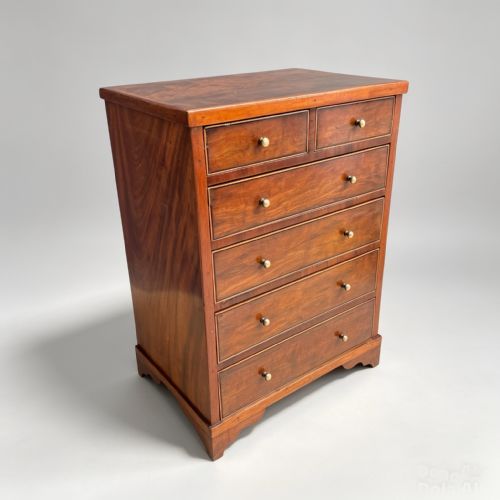
How do I date a mahogany miniature chest?
Dating relies on timber choice, construction methods, and the style of the feet, handles, and drawer dovetails. Georgian and Regency examples often display dense dark mahogany with fine hand-cut dovetails, while Victorian pieces may feature applied mouldings and turned feet.
Comparing the hardware type and secondary woods inside the drawers helps confirm the period of manufacture.