



Antique Desk Well
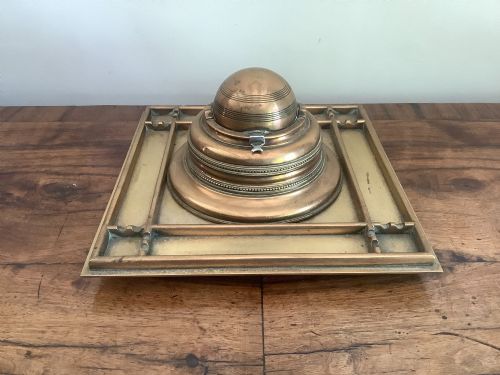
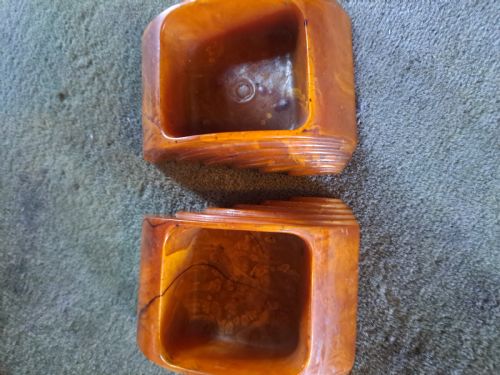
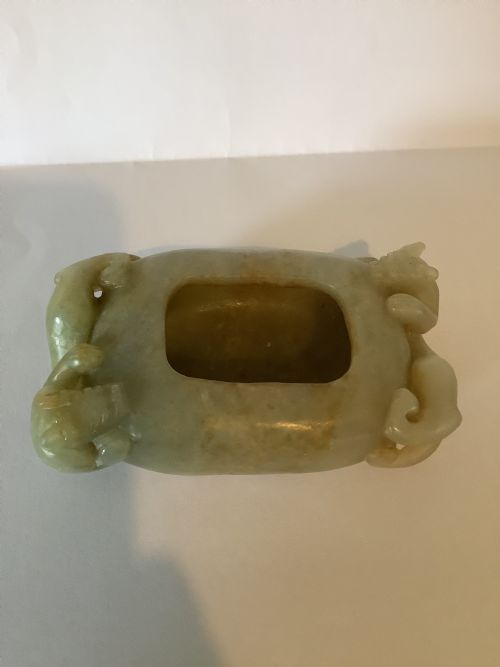
When you search for an antique desk well, you are looking at practical ink receptacles and writing furniture designed to keep the workspace orderly.
Antique Desk Well
An antique desk well encompasses various writing accessories and fitted furniture pieces from the eighteenth century through to the early twentieth century.
The selection frequently includes silver, brass, glass, and ceramic inkwells alongside larger pedestals, writing tables, and stationery tidies.
Victorian and Edwardian examples dominate the offerings, spanning simple portable containers to elaborate partner desks with integrated wells.
How they were made
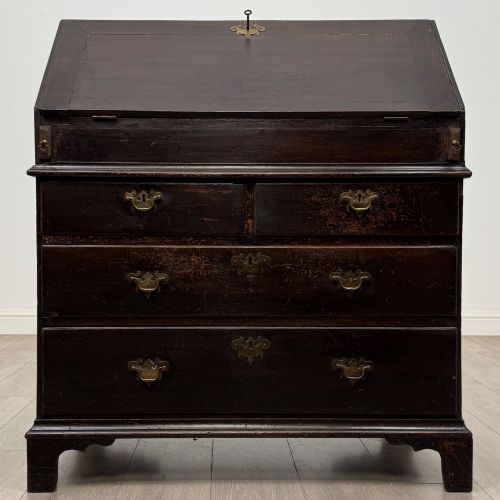
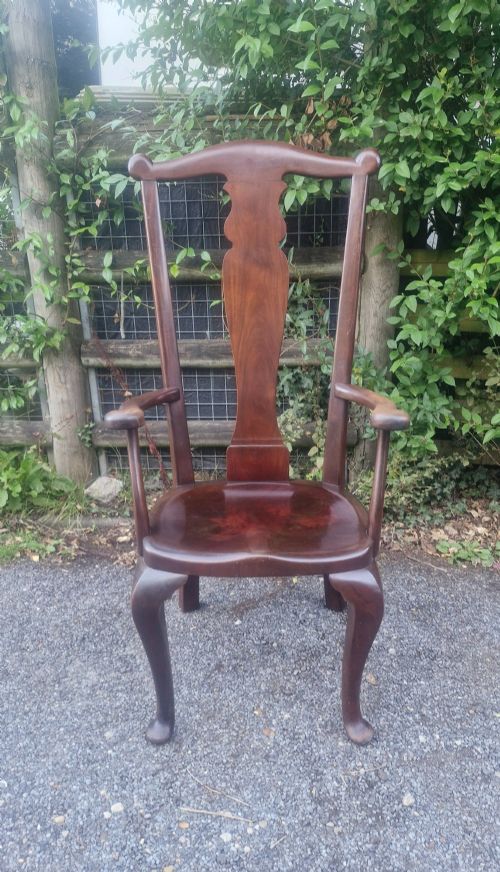
Cabinetmakers constructed larger furniture using solid and veneered timbers including mahogany, walnut, burr walnut, and rosewood.
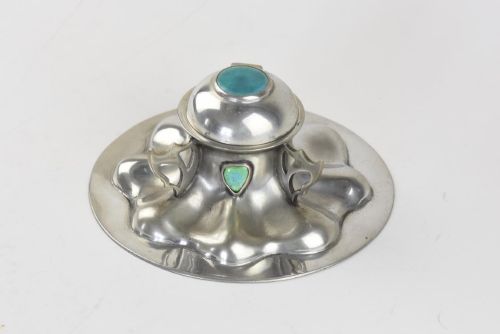
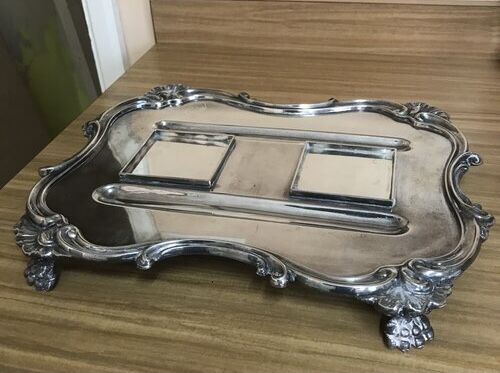
Metal components relied on casting, silver plating, or solid sterling silver fabrication, often combined with glass inserts, leather writing surfaces, or ceramic cabochons.
Listings feature items spanning the 18th Century, Victorian era, Edwardian period, and Art Deco design movements.
What varies in quality
The distinction lies in the crispness of casting for metalwork, the figuring of timber veneers on cabinetry, and the presence of original maker marks or fitted components.
Fully intact sets containing matching ink inserts, pen rests, and original leather surfaces command greater regard than modified or assembled pieces.
William Hutton·Harrods·Elkington·Ferdinand Pautrot·S and H Jewell·Comyns·James Howell
The Antique Desk Well Glossary
- Inkwell
- A small pot or reservoir designed to hold liquid ink for a dipping pen. These vessels often sit inside fitted desk trays or standalone stands.
- Pedestal desk
- A heavy writing table built with two supporting columns of drawers beneath the main top surface. They frequently incorporate leather panels and dedicated ink wells.
- Secretaire
- A cabinet or bookcase featuring a drop-front writing flap that conceals small drawers and pigeonholes. They are typically rendered in figured mahogany.
- Desk tidy
- A portable stand or tray that organises writing implements, blotters, and ink containers in one place. These accessories appear in various metals and timbers.
- Bergere
- An enclosed armchair featuring woven cane panels on the back and sides. These chairs often accompany library tables and writing desks.
Antique Desk Well: Frequently Asked Questions
What is an antique desk well?
An antique desk well refers to receptacles designed to hold ink for writing, as well as the larger desks and stationery stands that incorporate them.
These items range from simple glass and silver pots to fitted wooden writing tables originating from the eighteenth, nineteenth, and early twentieth centuries.
How were desk inkwells used?
They sat upon writing tables or fitted inside portable boxes to supply liquid ink for dip pens during correspondence.
Many featured hinged lids or glass inserts to prevent the ink from spilling or drying out too quickly when not in use.
How do I identify Victorian pieces?
Victorian pieces often display characteristic timber selections like burr walnut and rosewood, alongside heavy cast brass, bronze, or sterling silver mounts.
Maker marks, hallmark dates, and distinctive nineteenth-century revival styles such as Gothic or Rococo help confirm the period.
Where should I place a desk well?
These pieces suit traditional studies, libraries, or modern workspaces functioning as decorative paperweights and pen rests.
Care should be taken to keep delicate materials like leather, inlaid wood, and antique silver away from direct sunlight and moisture.