





Antique Desk Weight
An antique desk weight anchors loose papers with tangible history, bringing a solid tactile presence of brass, marble, bronze or carved wood to a working surface.
Antique Desk Weight
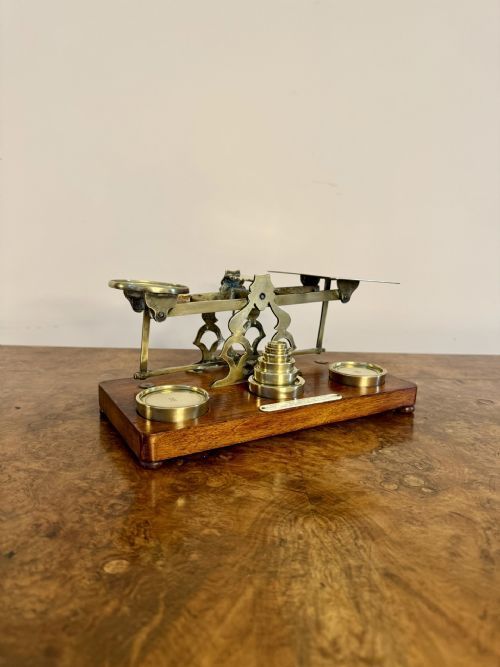
When searching for an antique desk weight, a buyer encounters a diverse group of utilitarian desktop items from the nineteenth and early twentieth centuries. The selection encompasses heavy metal casts, carved hardstones, glass paperweights, and companion accessories like postal scales and letter clips.
Most pieces date from the Victorian and Edwardian eras, reflecting the heavy correspondence and bureaucratic needs of the period. Alongside these European examples, earlier scholarly weights and censers from Chinese dynasties appear regularly.
Grand Tour souvenirs from Italy also form a substantial part of the selection, bringing classical marble and micro-mosaic craftsmanship directly to the desk.
Materials and Construction
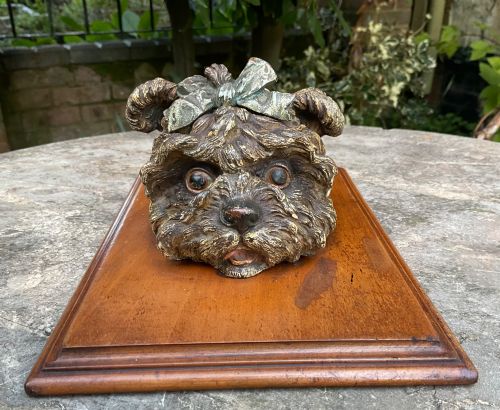
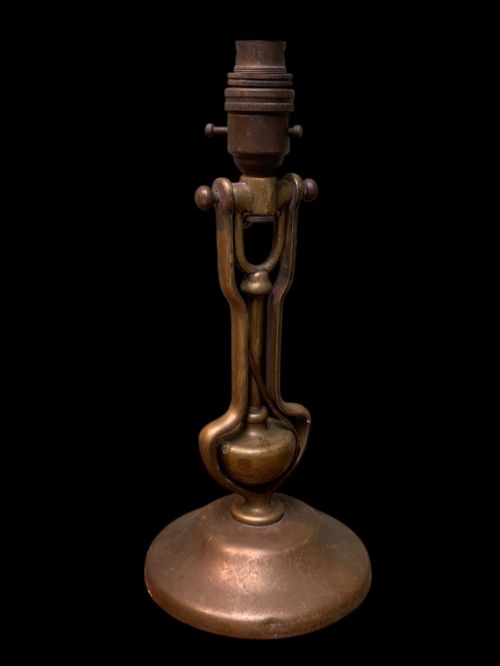
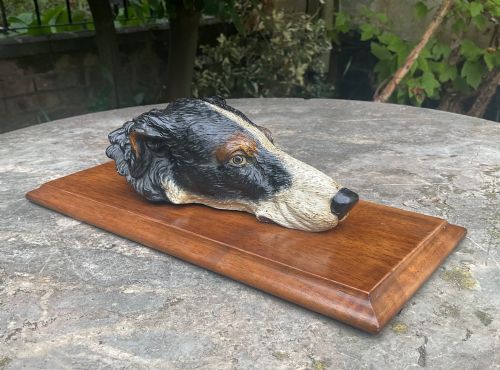
Metal items rely on solid casting techniques, utilising brass, bronze, cast iron, and sterling silver to achieve necessary heft. Iron and bronze are frequently moulded into figural subjects or architectural shapes, while brass often pairs with oak or mahogany bases.
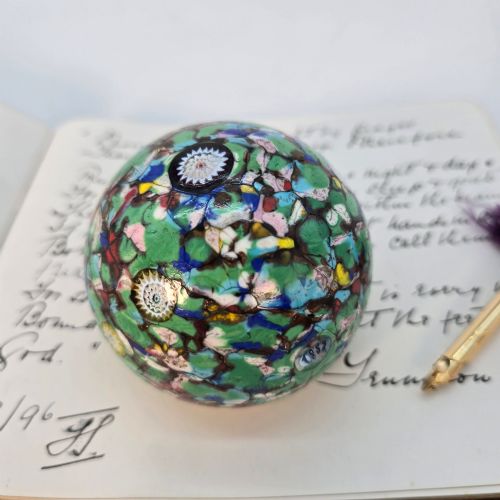
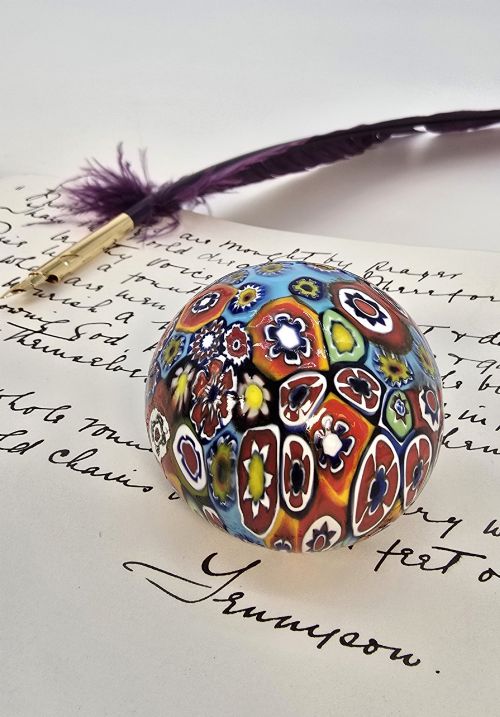
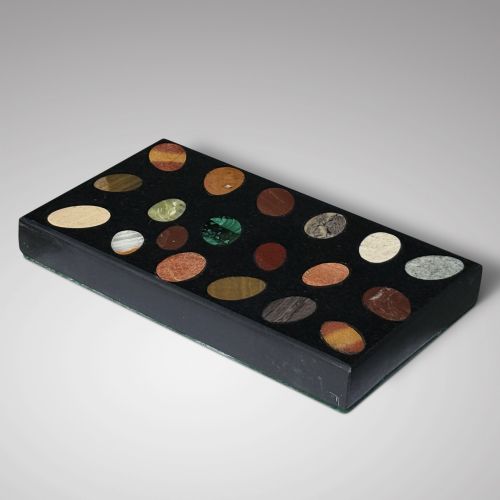
Stonework and glass production involve precise cutting and inlay methods. Pietra dura and specimen marbles use fitted coloured stones to create intricate decorative panels, while glass variations employ millefiori and Baccarat floral motifs.
Antique Desk Weight Retail Price Guide 2026
Typical asking prices for desk weight among the pieces listed under this phrase on Sellingantiques today, from the lower quarter to the upper quarter. They describe what is for sale here now, not the wider market.
Assessing Quality and Execution
In stone and micro-mosaic pieces, the precision of the stone-fitting and the tightness of the tesserae determine the overall execution. Glass items depend on clarity, depth of colour, and the intricacy of the internal arrangement.
S Mordan & Co·Cindo
The Antique Desk Weight Glossary
- Pietra dura
- An artistic technique of using cut and fitted, highly polished coloured stones to create images. This method appears frequently on nineteenth-century Grand Tour desk ornaments.
- Micro-mosaic
- A decorative art form created by assembling tiny coloured glass rods into detailed pictures. Italian souvenirs often utilised this meticulous process to depict archaeological scenes.
- Millefiori
- A glasswork technique producing distinctive patterned designs through the use of multicoloured glass canes. This method is common in nineteenth and twentieth-century paperweights.
- Ashford marble
- A polished dark limestone from Derbyshire inlaid with various mineral specimens. It is characteristic of regional nineteenth-century decorative desktop items.
- Censer
- A vessel meant for burning incense, sometimes repurposed as a heavy scholar's weight. Older examples in bronze often date to earlier Asian periods.
Antique Desk Weight: Frequently Asked Questions
What materials were used for desk weights?
Makers utilised a wide range of durable substances depending on the intended weight and aesthetic. Metals such as brass, bronze, cast iron, and silver provided heavy foundations.
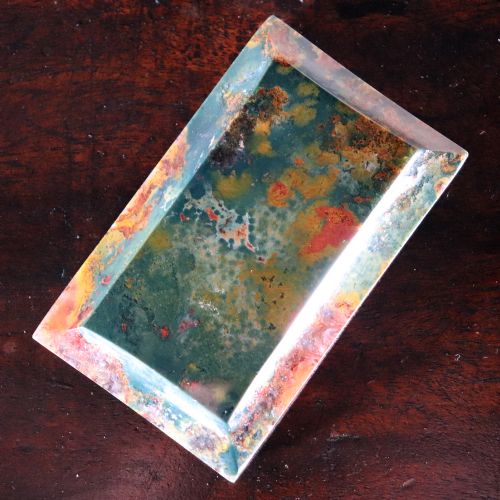
Natural materials like marble, agate, malachite, serpentine, and various hardwoods were also shaped into dense, functional forms.
How do I distinguish Grand Tour pieces?
Grand Tour items typically feature classical Italian motifs, including micro-mosaic panels depicting famous ruins or doves, and multi-coloured pietra dura marble tops. These souvenirs were brought back by travellers in the nineteenth century.
The stonework is exceptionally fine, often utilising local Italian marbles and meticulous inlay techniques.
Were these items purely decorative?
While many pieces served to anchor loose papers and correspondence on busy writing tables, others doubled as functional desk accessories. Postal scales, letter clips, and magnifying glasses were standard desktop equipment.
In Asian traditions, carved stone or bronze objects functioned as wrist rests and scroll weights for calligraphy.
How do I care for antique desk weights?
Maintenance depends entirely on the specific material of the piece. Metal items require occasional dusting and preservation of their natural patinas without harsh chemical polishes.
Stone and glass surfaces should be kept dry and cleaned gently with a soft cloth to protect delicate inlays and polished edges.