
Antique Desk Mantel Clock
An antique desk mantel clock brings mechanical precision and period character to a tabletop, offering a tangible link to past horological craftsmanship.
Antique Desk Mantel Clock
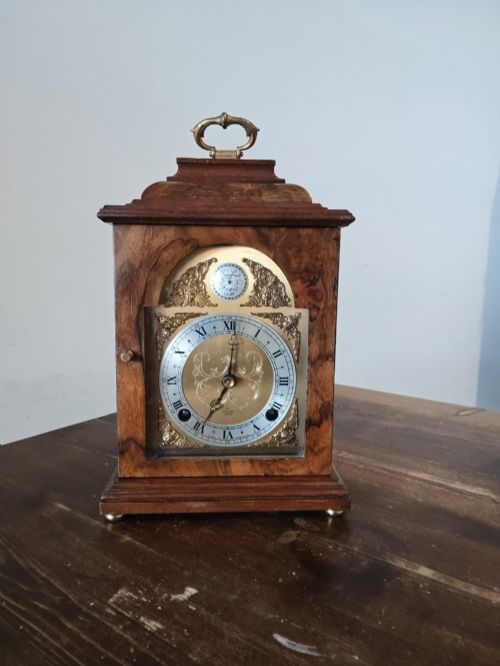
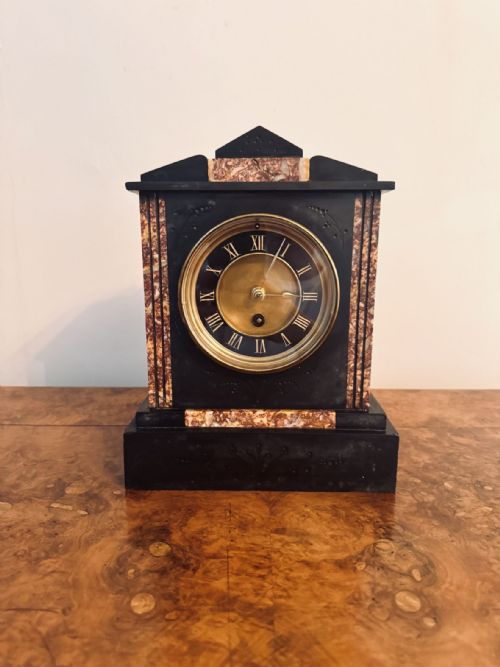
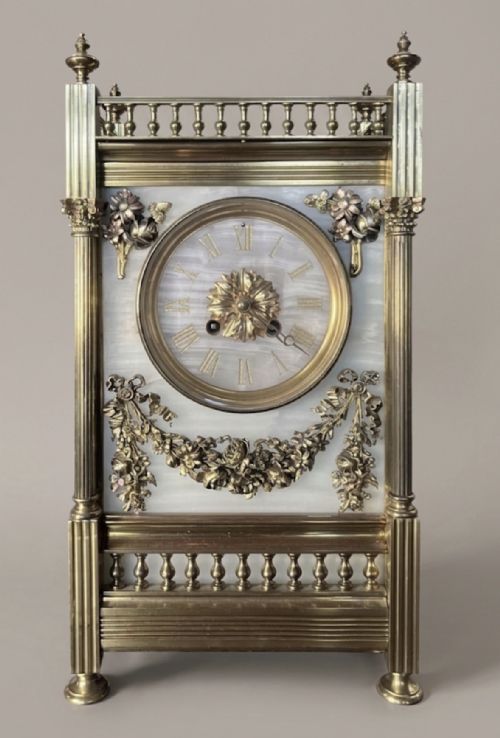
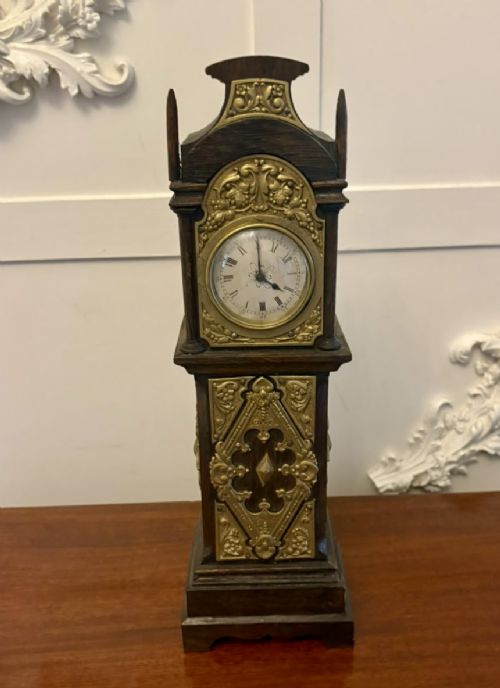
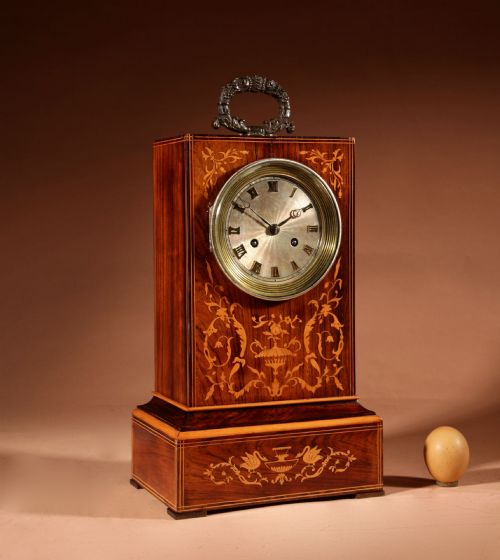
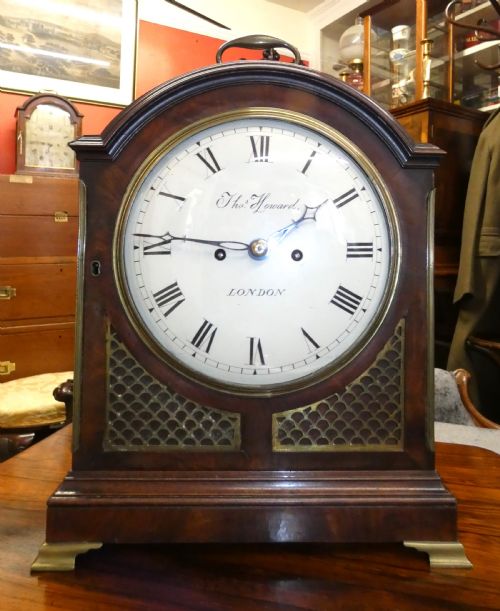
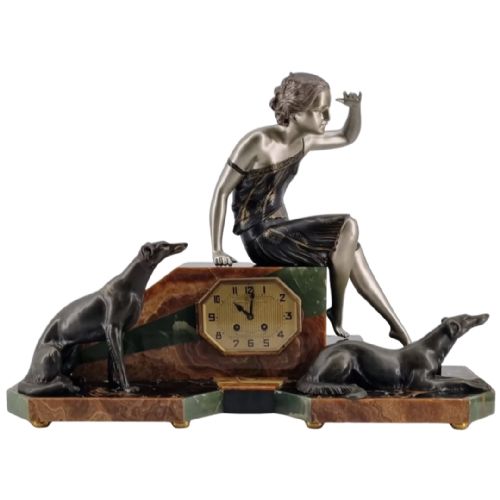
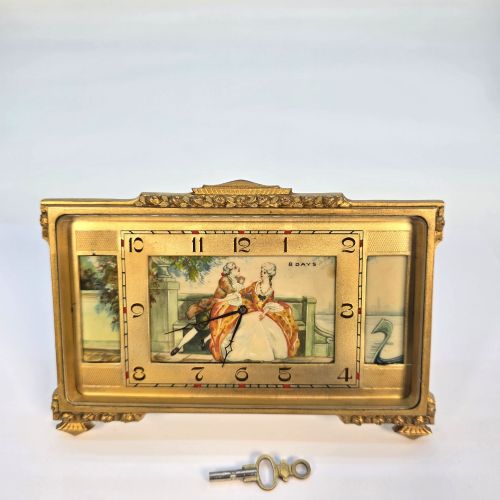
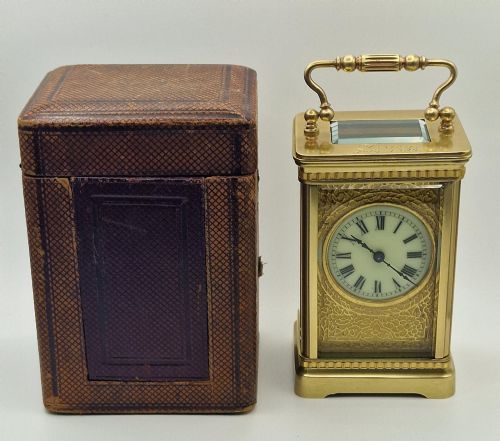
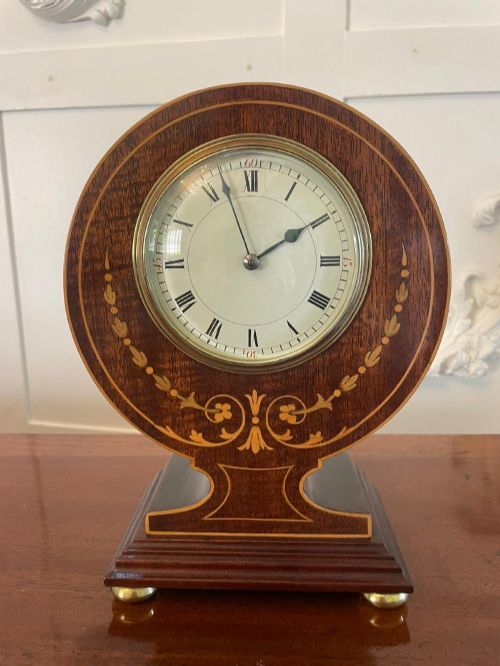
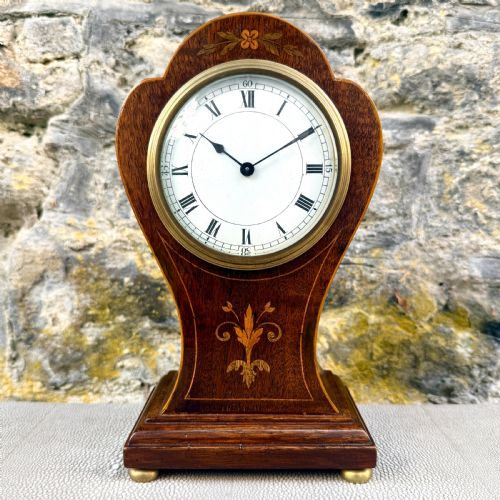
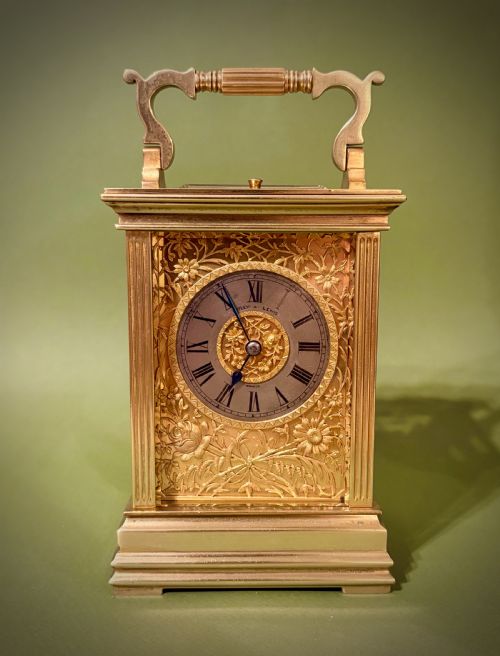
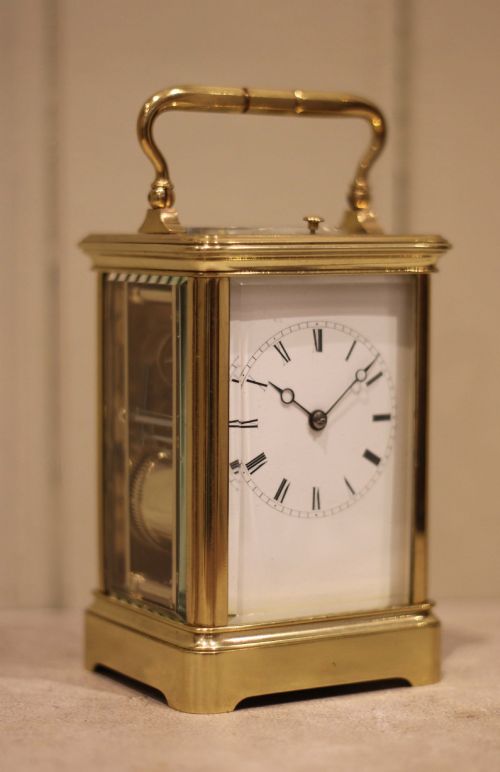
When you search for an antique desk mantel clock, you encounter a diverse array of timepieces ranging from compact brass carriage clocks to substantial walnut or marble mantel pieces. These objects served both a practical purpose in measuring hours and an ornamental role within Victorian, Edwardian, and Art Deco interiors.
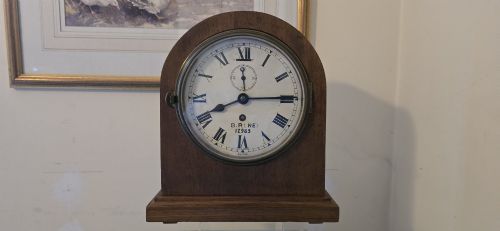
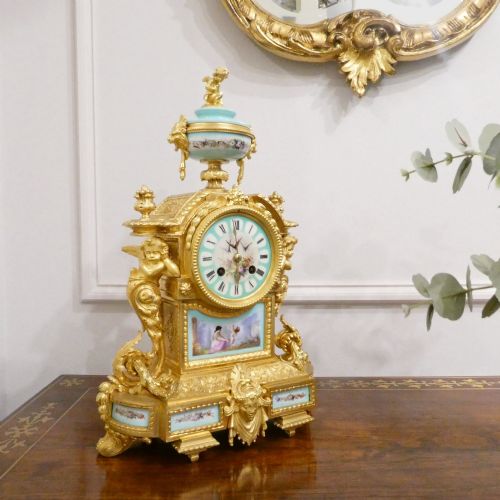
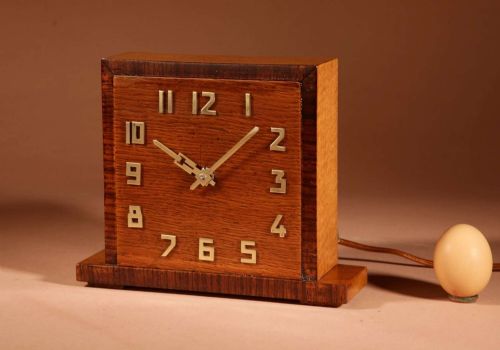
The versions most frequently met on this page span the nineteenth and early twentieth centuries, encompassing French carriage models, English mahogany and ebonised library clocks, and continental designs. They appear in materials like ormolu, porcelain, marble, and oak, reflecting the stylistic shifts from ornate revivalism to modernism.
Materials and Construction
Clockmakers utilised a combination of durable metals, fine woods, and decorative minerals to build these pieces, housing mechanical movements within cases of brass, gilt bronze, walnut, mahogany, and marble. Dial faces frequently incorporate enamel, porcelain, and glass, whilst specific models employ specialist materials such as opalescent glass, pewter, and Bakelite.
The physical construction relies on precise metalworking for the interior gear trains and escapements, paired with cabinetmaking or casting for the exterior housings. Cases are often decorated with hand-painted porcelain panels, ormolu mounts, or intricate patinated brass work, uniting internal mechanical complexity with exterior decorative art.
Object types include carriage clocks, library clocks, skeleton clocks, and bracket clocks alongside standard desk and mantel configurations.
Distinctions in Quality
The distinction between standard examples and the finest pieces rests on the complexity of the movement and the finesse of the case materials. Clocks bearing signatures from established makers or housing striking and repeating mechanisms demonstrate a higher degree of horological ambition.
Material selection and decorative execution further divide the range, as seen in the contrast between simple timber cases and those adorned with hand-painted Sèvres porcelain, gilt bronze, or finely cast ormolu mounts. The integration of specialty materials like opalescent glass or specialised electrical movements elevates certain pieces above standard production.
Achille Brocot·Japy Freres·Henri Jacot·Walker and Hall·Winterhalder
The Antique Desk Mantel Clock Glossary
- Carriage clock
- A portable spring-driven timepiece originally designed for travelling, typically featuring a brass case with glass panels to view the movement.
- Fusee
- A conical pulley connected to the mainspring by a chain or cord, designed to equalize the driving force as the spring unwinds.
- Ormolu
- Gilded bronze, where a finely ground high-carat gold mercury amalgam is applied to a bronze object, commonly utilised in French decorative pieces.
- Striking mechanism
- An internal gear train that sounds the hours or quarters on a bell or gong distinct from the timekeeping mechanism.
- Pendule d'Officier
- A specific style of French officer's clock, often associated with campaign use and characterised by robust proportions and distinct dial layouts.
Antique Desk Mantel Clock: Frequently Asked Questions
How do I wind an antique desk mantel clock?
Winding requires inserting the appropriate key into the designated winding arbor on the dial face or back plate, turning it gently until resistance is met. Care should be taken not to overwind the mainspring, as this can damage the internal mechanism.
For clocks with striking trains, ensure both the time and strike springs are wound evenly to maintain correct operation. Consulting the specific movement type helps determine the correct winding direction and frequency.
What is the difference between a desk clock and a mantel clock?
Desk clocks are typically smaller, portable timepieces designed for placement on flat writing surfaces, often incorporating travel cases or folding stands. Mantel clocks are generally larger, heavier structures built to sit securely on a fireplace mantel or shelf.
Whilst both categories utilise similar mechanical movements, their exterior proportions and intended placements diverge. Mantel clocks frequently emphasise architectural case designs in marble, bronze, or wood.
How are carriage clocks dated?
Dating relies on stylistic clues such as the shape of the case, the escapement type, and any hallmarks present on silver travel cases or internal plates. Maker signatures and registration numbers also provide reliable chronological markers.
Changes in dial typography and glass beveling help narrow the production window between the nineteenth and early twentieth centuries. Comparing the movement construction to known regional styles confirms the period of manufacture.
Can these clocks run accurately today?
Many antique mechanical clocks can maintain good timekeeping when properly serviced, cleaned, and adjusted by a qualified horologist. The condition of the gear teeth, pivots, and mainsprings directly influences their daily reliability.
Regular maintenance ensures the historic movements operate without excessive wear on the metal components. Environmental stability, such as avoiding temperature extremes, also helps preserve their timekeeping accuracy.