
Antique Desk Figurine
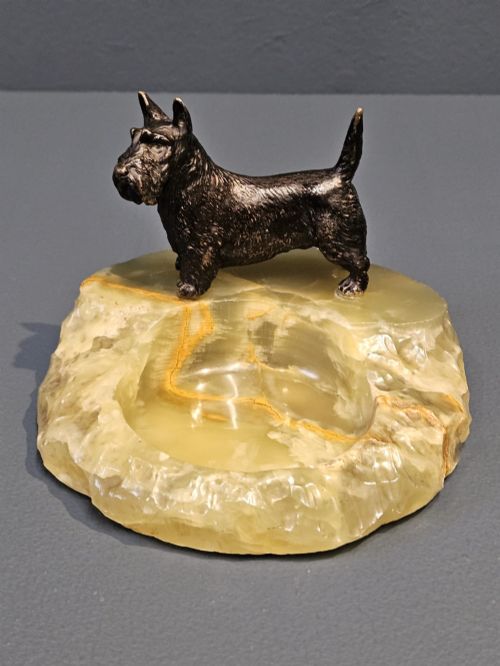
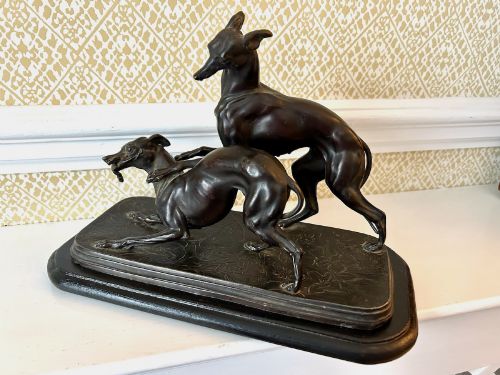
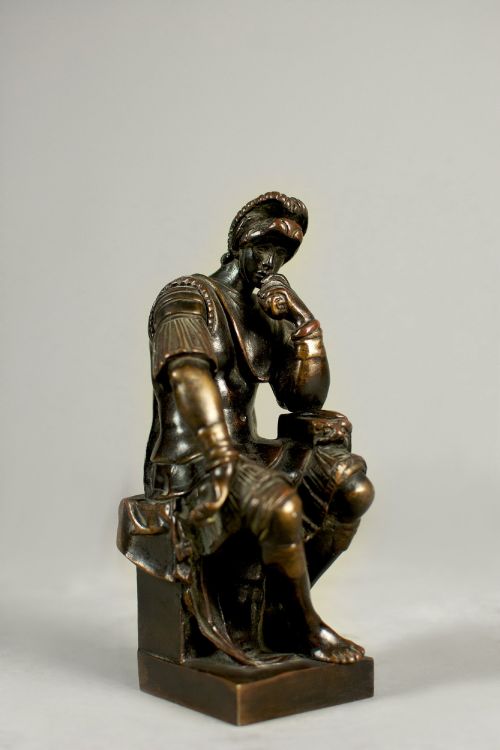
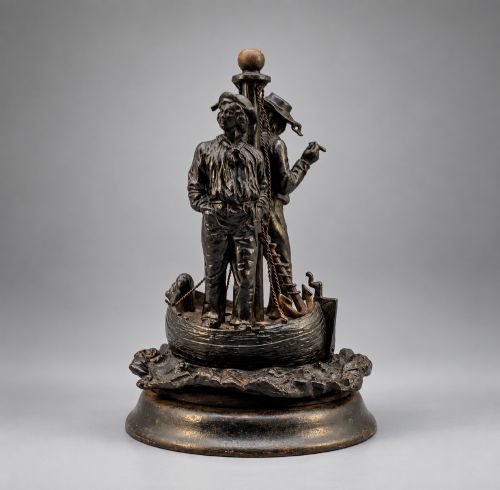
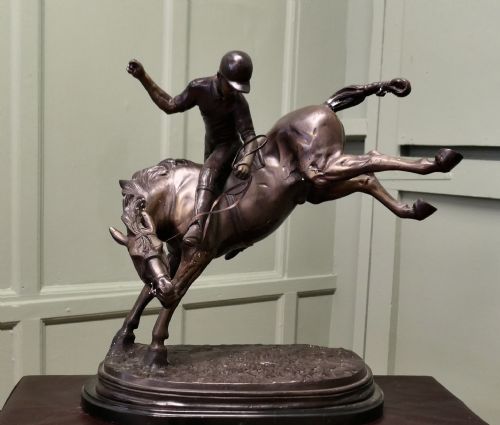
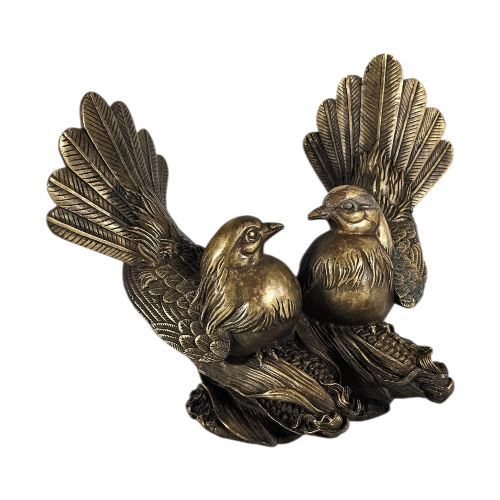
When you search for an antique desk figurine, you are looking at small sculptures and functional desktop items shaped from bronze, silver, marble, and glass.
Antique Desk Figurine
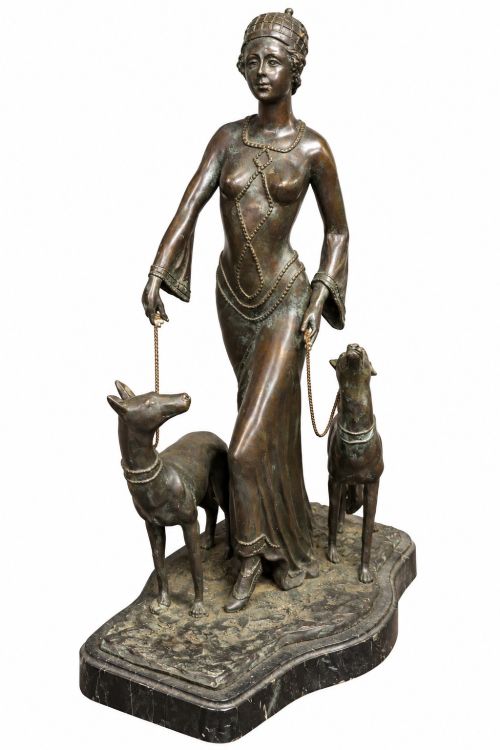
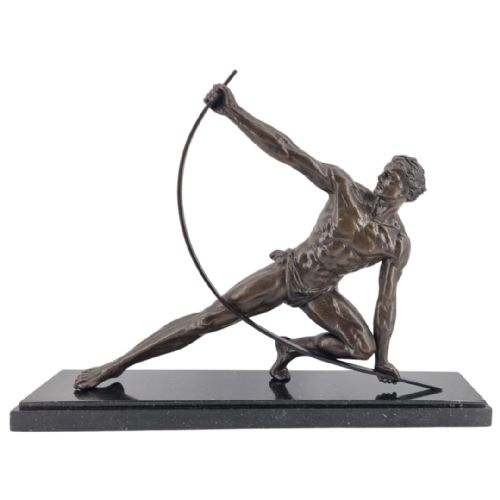
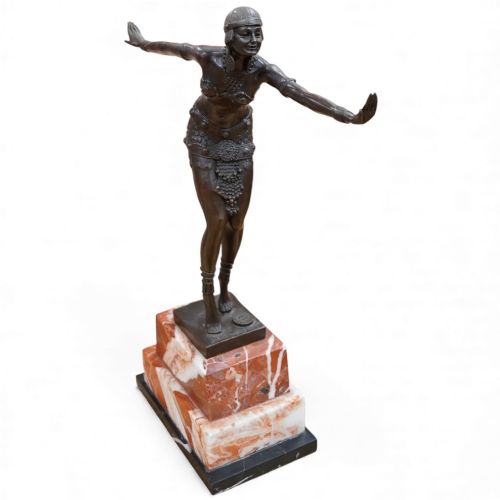
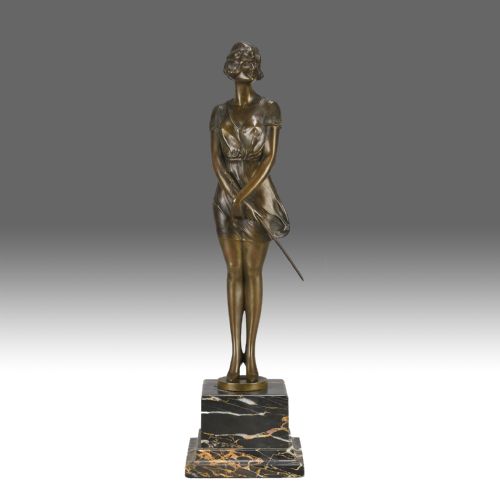
An antique desk figurine serves as a decorative or utilitarian piece on a writing surface, encompassing subjects from animals and classical figures to Art Deco dancers.
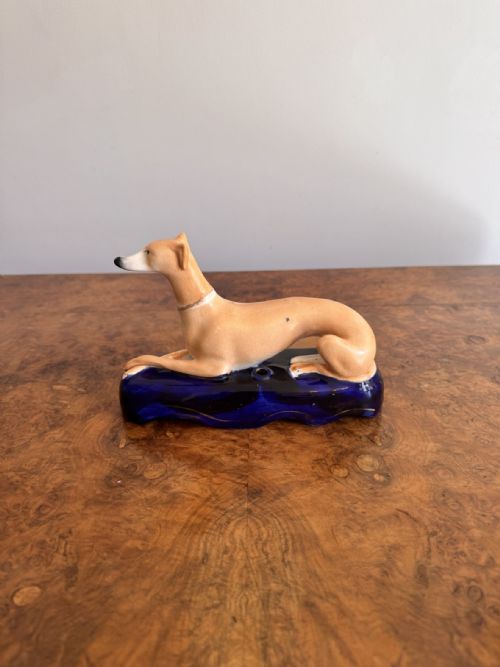
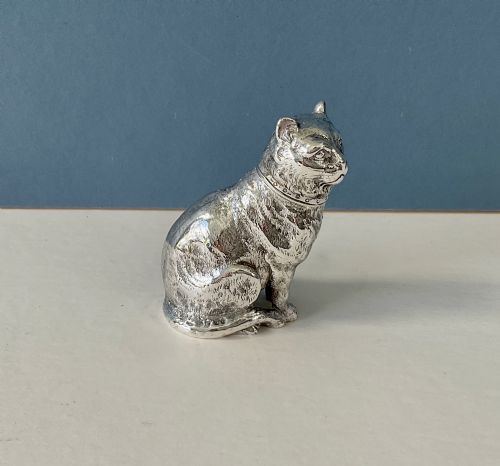
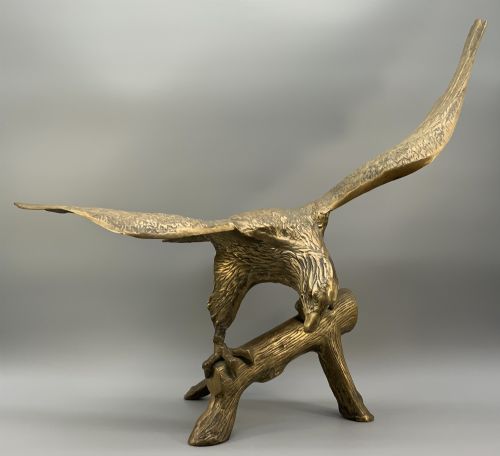
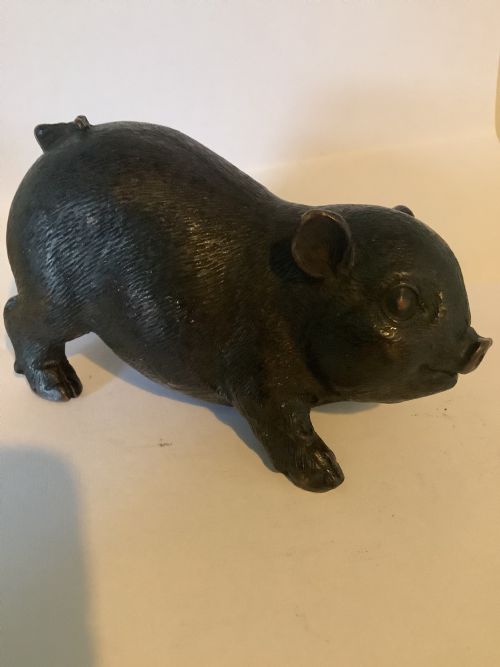
The versions most commonly met on this page include bronze animal studies, silver novelties, and figural inkwells originating from the Victorian period through the Art Deco era.
Forms range from simple bronze animalier casts to complex desk accessories that integrate marble bases, clock elements, and glass components.
Materials and construction methods
Foundries produced these metal objects primarily through traditional casting methods, utilising bronze, sterling silver, and pewter to achieve durable forms.
Makers often applied cold-painted finishes to bronze pieces or mounted metal figures upon bases of marble, onyx, or limestone.
Listings feature periods spanning from the seventeenth century through the Victorian era and into the Art Deco years of the 1920s and 1930s.
Assessing quality in desk figurines
The level of detail in the casting and subsequent chasing distinguishes finer sculptures from plainer production pieces.
Quality shows in the weight of the metal, the integration of natural materials like marble bases, and the preservation of original patination or cold-painted colour.
Signed works and attributed pieces by recognised sculptors carry distinct craftsmanship that elevates the object beyond standard decorative items.
Bruno Zach·Edmé Samson·Louis Emile Cana·Pierre-Augustin Caron de Beaumarchais·Pierre Jules Mene·Émile Louis Picault·Franz Bergman·Christophe Fratin·Antoine Louis Barye·Alfred Barye·Dora Heber·Jules Bonheur
The Antique Desk Figurine Glossary
- Animalier
- A nineteenth-century artistic movement and style focused on the realistic depiction of animals. Sculptors in this tradition studied anatomy closely to capture movement and behaviour.
- Cold-painted bronze
- A technique where bronze figures are painted with oil or enamel paints without firing in a kiln. This method produced brightly coloured small ornaments, particularly in Austrian workshops.
- Grand Tour
- A traditional journey of Europe undertaken by upper-class young men for educational purposes. Travellers frequently collected small bronzes and classical sculptures as souvenirs.
- Patination
- The process by which chemical treatments, natural oxidation, or application of substances alter the surface colour of metal. A deliberate patina enhances the visual depth of a bronze sculpture.
- Vienna bronze
- Small, highly detailed bronze sculptures produced in Austrian foundries during the late nineteenth and early twentieth centuries. These pieces were predominantly cold-painted.
Antique Desk Figurine: Frequently Asked Questions
What is an antique desk figurine used for?
These small sculptures were placed on writing desks, libraries, and studies simply as decorative ornaments or as functional objects like paperweights and seals.
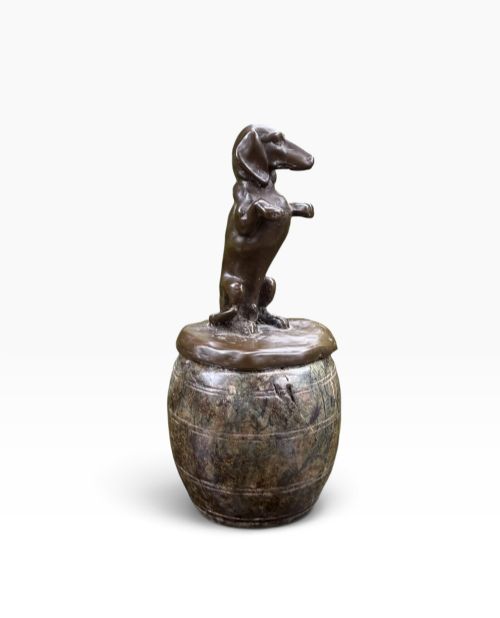
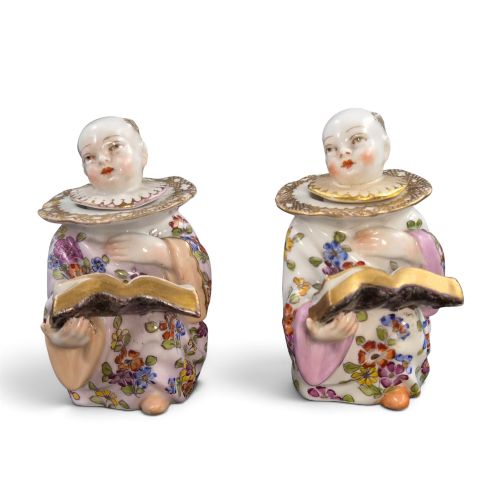
Many examples also doubled as inkwells, match holders, and pin cushions, combining practical desk utility with detailed sculptural art.
How do I identify Vienna bronzes?
Vienna bronzes are typically small, intricate figures of animals or human subjects created in Austrian foundries during the late nineteenth and early twentieth centuries.
They are most easily recognised by their distinctive cold-painted finish, where enamel or oil paint was applied directly to the cast metal surface.
What materials were used for these figures?
Bronze and sterling silver are the predominant metals found in these desktop pieces, often paired with bases made of marble, onyx, or stone.
Some objects incorporate alternative materials such as carved limewood, pewter, frosted glass, and painted elements to achieve distinct textures and visual styles.
How can I tell the period of a bronze desk piece?
Dating relies on stylistic clues, such as the naturalistic anatomy typical of nineteenth-century animalier works versus the geometric lines of Art Deco pieces.
Signatures, foundry marks, and the specific composition of the metal or base materials also provide concrete indicators of when an object was produced.