



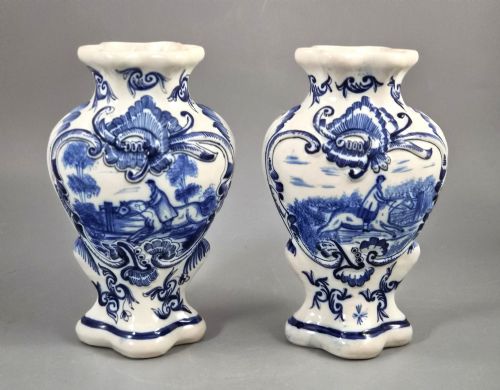
Antique Delftware
Antique delftware covers tin-glazed earthenware objects in blue and white, offering collectors centuries of hand-painted ceramic history.
Antique Delftware
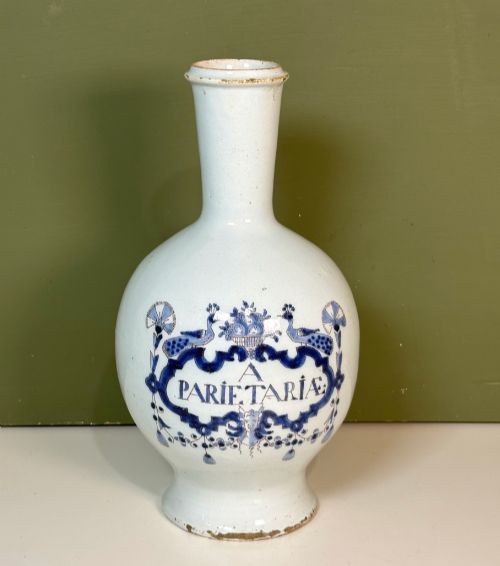
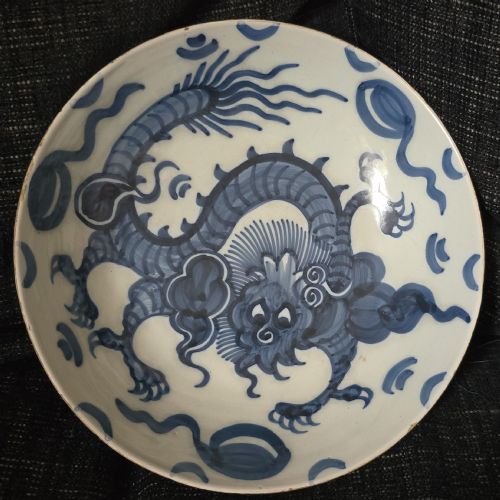
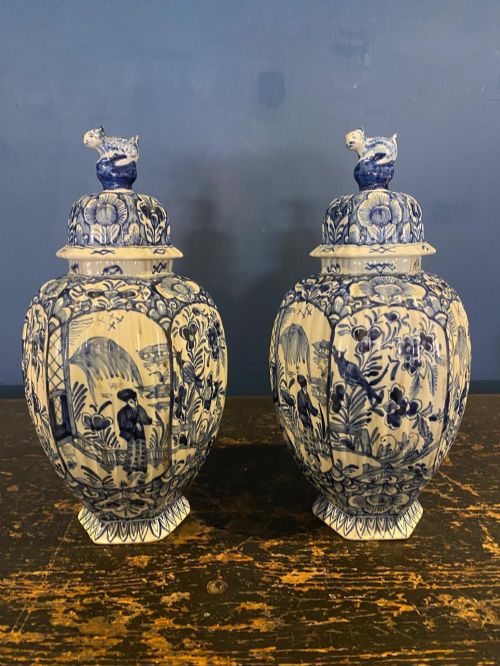
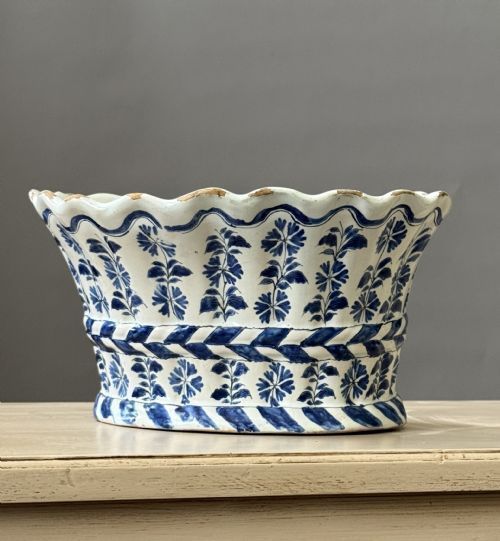
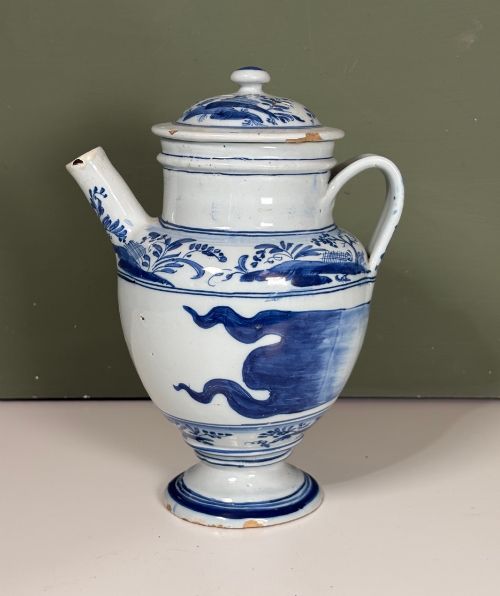
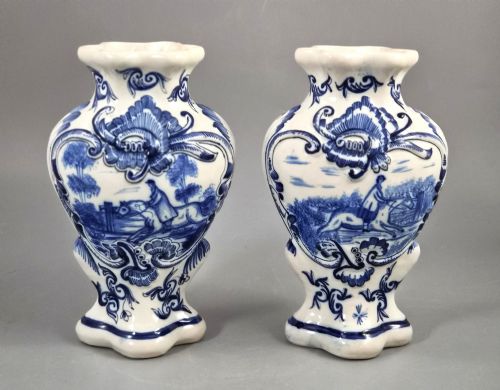
Antique delftware comprises chargers, vases, plates, and apothecary jars produced across Europe with distinct tin glazes. Collectors primarily encounter 17th-century and 18th-century Dutch examples alongside English and French pieces.
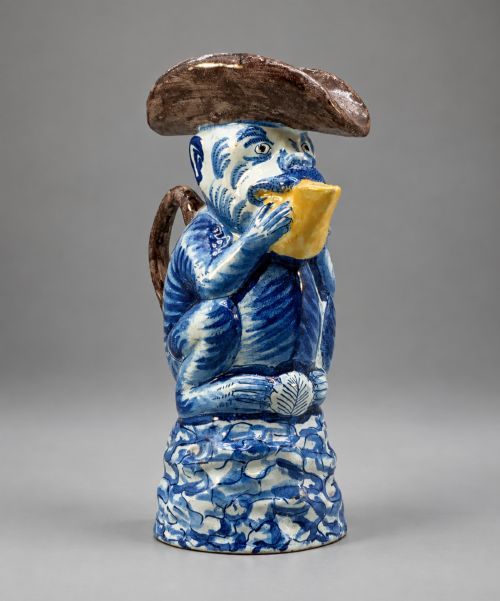
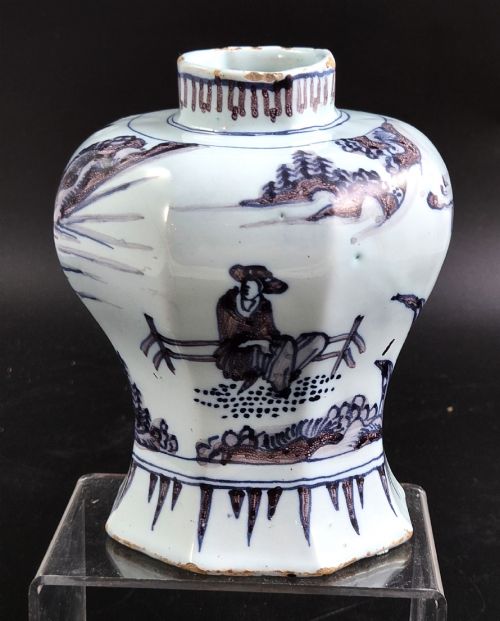
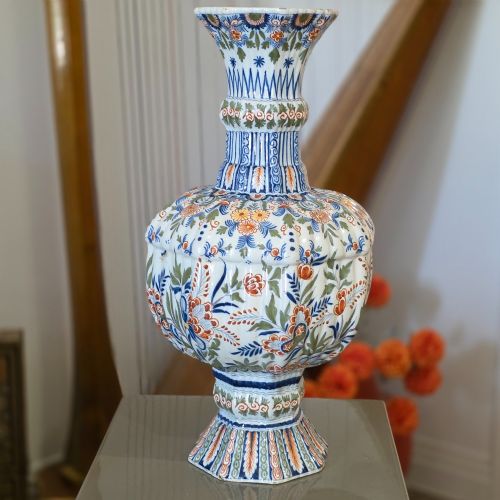
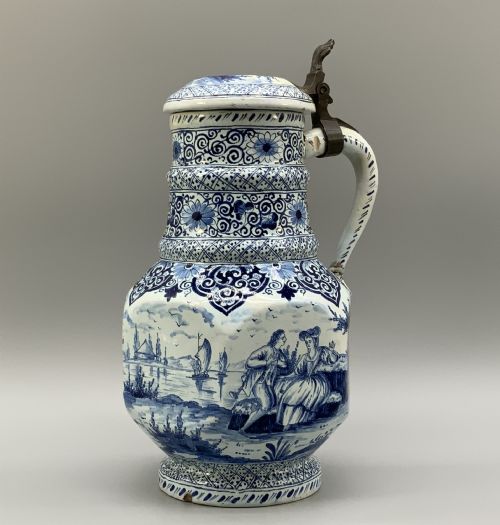
Vessels span utilitarian forms like puzzle jugs and posset pots as well as purely decorative items such as wall sconces and tiles. Blue and white decoration predominates, though manganese and polychrome examples also appear.
How they were made
Potters shaped earthenware bodies and coated them in tin glaze to produce an opaque white surface suitable for painting. Artisans applied cobalt oxide, manganese, and polychrome pigments directly onto this absorbent unfired glaze.
The painted pieces underwent high-temperature firing, fusing the metallic pigments into the liquid tin surface to create distinctive glazed finishes.
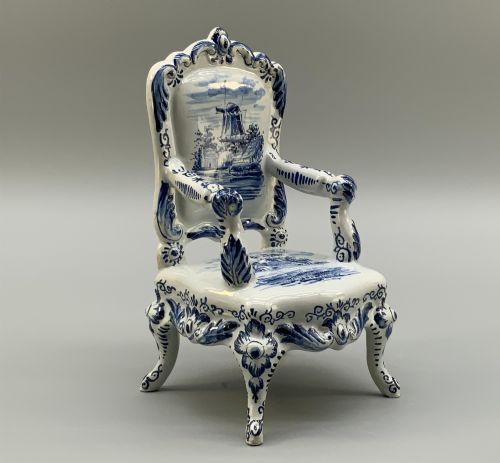
Potters shaped ceramic cows and miniature armchairs alongside traditional chargers, proving that historical artisans enjoyed moments of whimsical invention.
What varies in quality
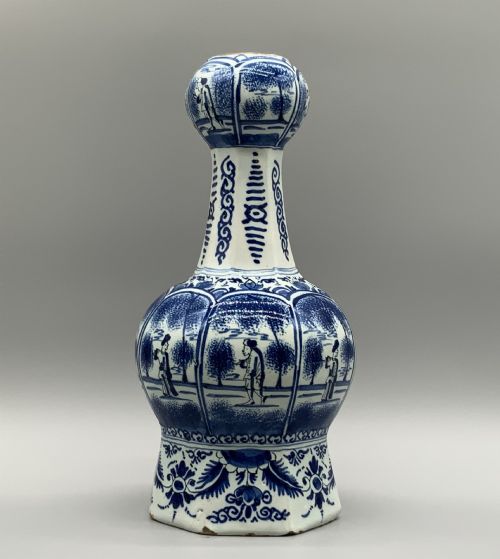
Execution of the painted brushwork dictates visual success, distinguishing confident Chinoiserie scenes and floral motifs from rigid or hurried painting. The richness of the cobalt pigment and the smoothness of the opaque tin glaze further separate ordinary vessels from masterworks.
Pieter Verburg·Fourmaintraux-Courquin·Villeroy & Boch
The Antique Delftware Glossary
- Tin-Glazed Earthenware
- Pottery covered with a lead glaze made opaque by the addition of tin oxide. This white ground provided a smooth canvas for subsequent painted decoration.
- Faience
- European tin-glazed earthenware originating in Italy and spreading to France, Holland, and England. The term groups similar ceramic traditions under a shared technical umbrella.
- Charger
- A large decorative plate intended for display on a wall or dresser rather than dining use. Many surviving examples measure considerable diameters.
- Baluster Vase
- A vase with a bulbous lower body tapering to a narrower neck, frequently seen in seventeenth and eighteenth-century Dutch production.
- Manganese
- A metallic oxide pigment producing purple, brown, or plum tones in ceramic decoration. It appears independently or alongside traditional blue pigments.
Antique Delftware: Frequently Asked Questions
How do I date antique delftware?
Dating relies on stylistic shifts in painting, form changes, and the composition of the ceramic body under the glaze. Early pieces often exhibit thicker potting and distinct tin-glaze characteristics compared to later nineteenth-century revivals.
Examining the foot ring, pigment behaviour, and tin-glaze thickness provides additional clues for establishing a period.
Were these pieces used for dining?
Large chargers and decorative plates served primarily for display on sideboards or walls rather than daily dining. Specialised forms like apothecary jars, posset pots, and puzzle jugs fulfilled specific medical, domestic, or social functions.
Functional vessels saw occasional service in period households before transitioning to cabinet collections.
How should I care for antique tin-glaze?
Keep tin-glazed earthenware away from moisture and avoid immersing porous bodies in water during cleaning. Dust gently with a soft dry cloth to protect the historic glaze surface from damage.
Stable indoor humidity prevents stress on the earthenware body and preserves the integrity of the glaze.