
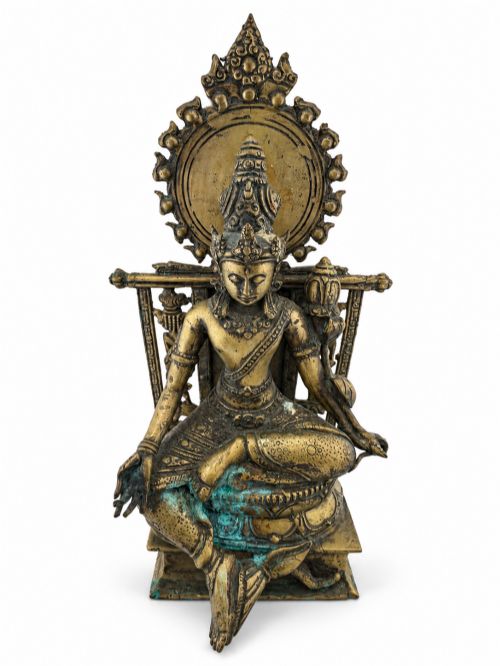
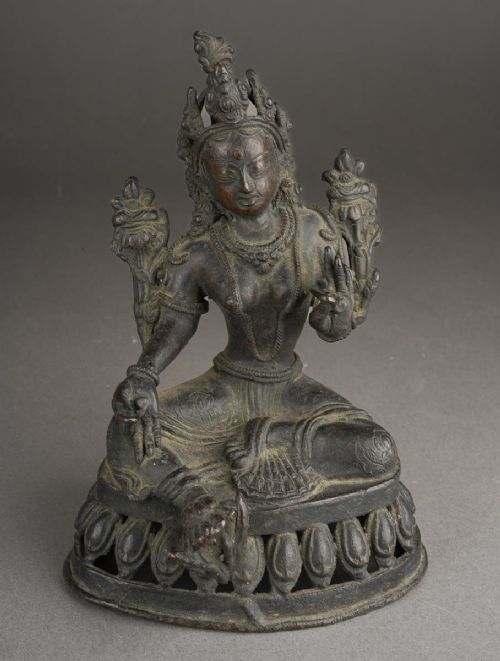
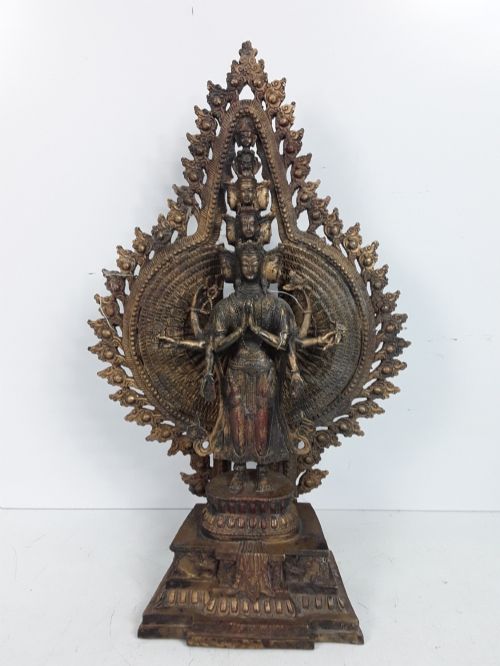
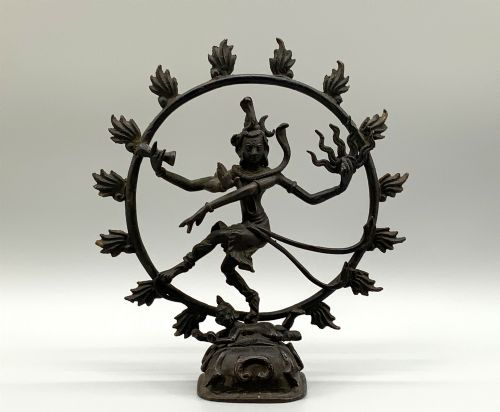
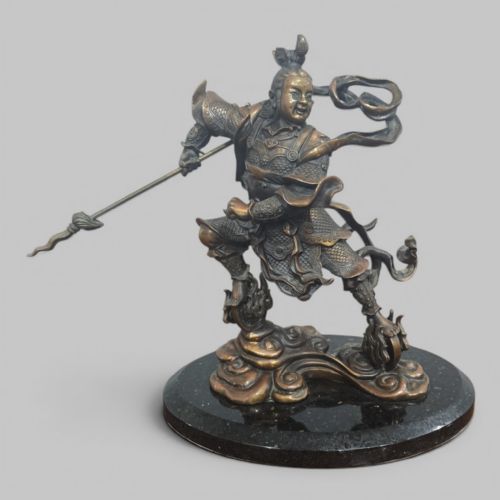


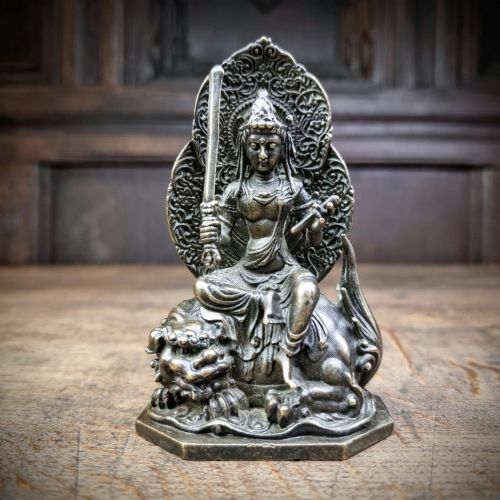
Antique Deity Statue
When you handle an antique deity statue, you hold centuries of devotion cast in bronze, carved in hardwood, or shaped from stone.
Antique Deity Statue
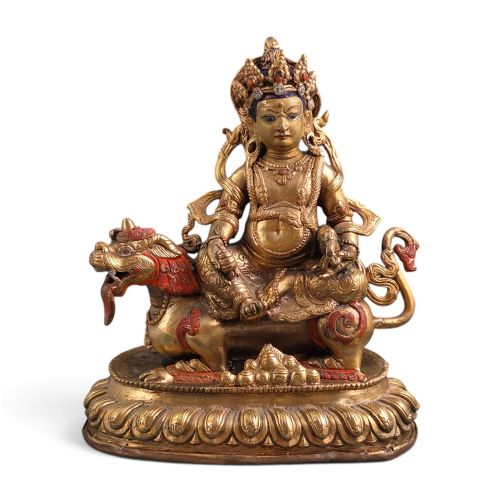
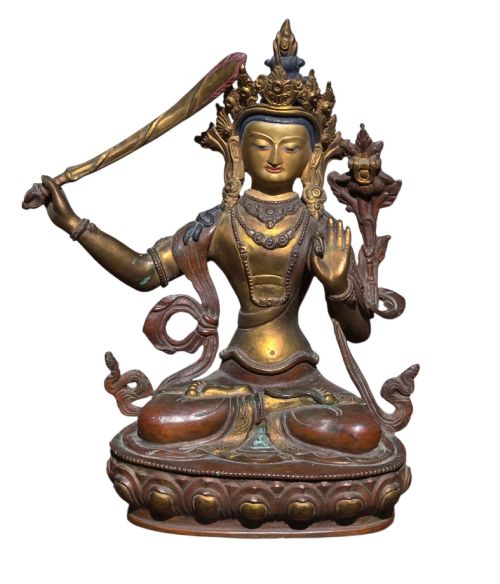
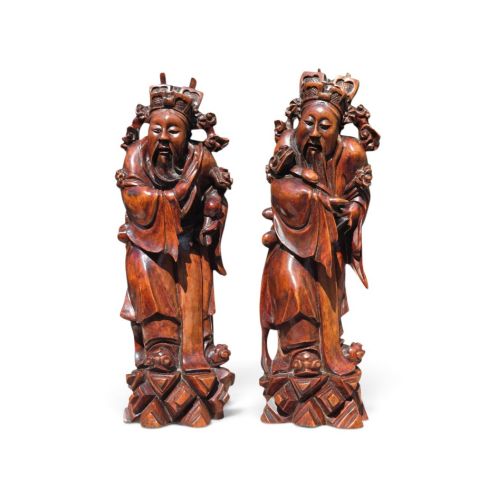
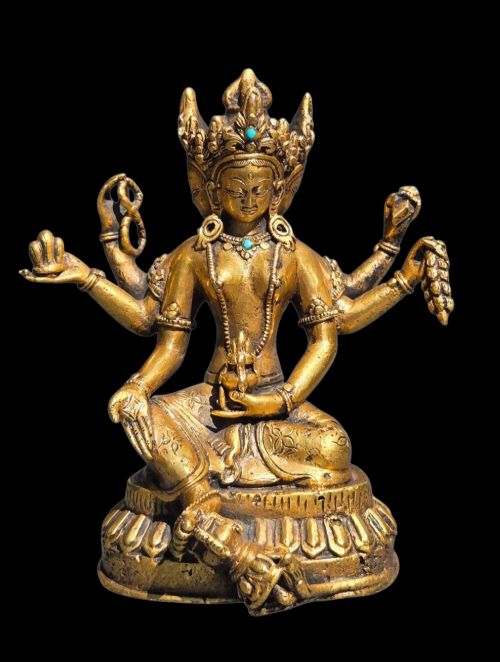
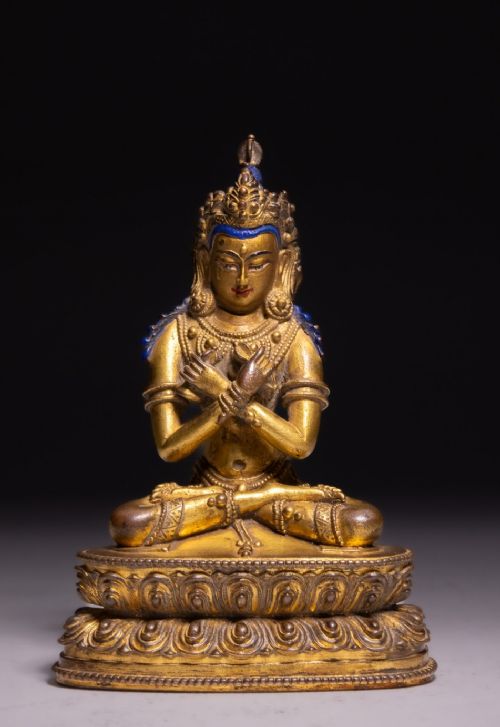
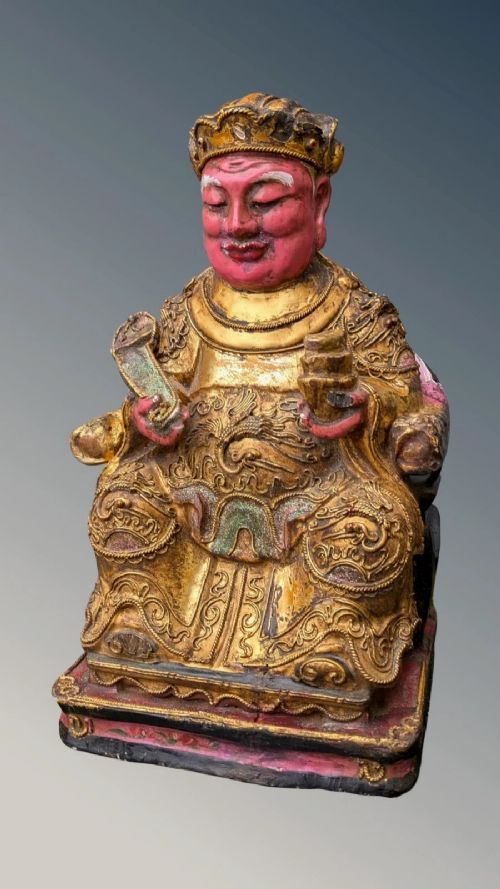
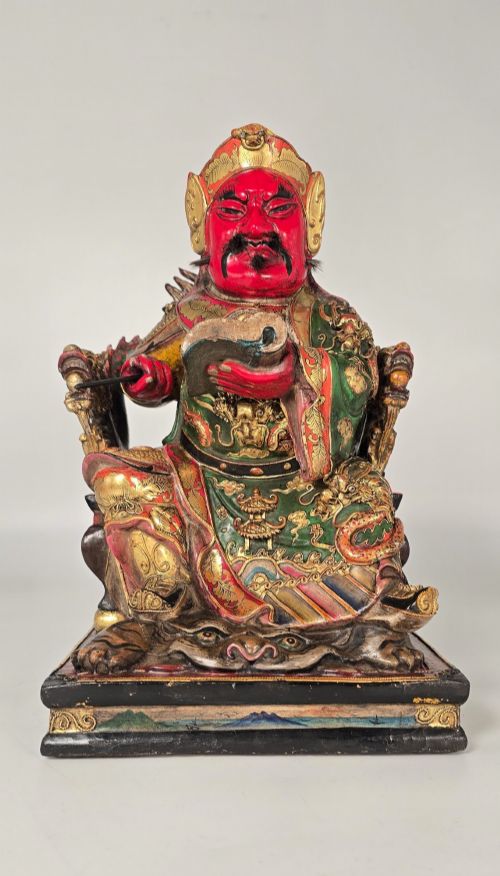
An antique deity statue embodies sacred figures from Buddhist, Hindu, Daoist, and ancient pantheons, created for shrines, temples, or private contemplation. Buyers encounter representations ranging from multi-armed bodhisattvas and wrathful protectors to Daoist immortals and Japanese gods of longevity.
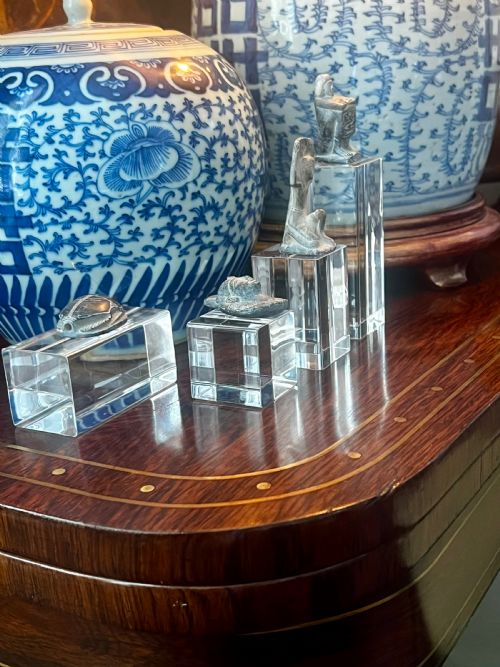
The selections available here lean heavily toward cast bronze and carved wooden figures from Tibetan, Chinese, Indian, and Southeast Asian traditions. These pieces bridge the gap between religious devotion and fine craftsmanship, spanning periods from the medieval era through the early twentieth century.
How they were made
Metal statues typically rely on the lost-wax casting method, utilising copper alloys, bronze, or brass to capture intricate details of drapery, jewellery, and iconography. Artisans frequently applied gold leaf, fire-gilding, or polychrome pigments to the metal surfaces to elevate the visual presence of the divine subject.
Wooden sculptures involve dense hardwoods, boxwood, or softwoods, carved with hand chisels and finished with lacquer, paint, or gilding. Stone pieces, such as sandstone heads, demonstrate direct carving techniques employed by temple sculptors using traditional masonry tools.
The archive records pieces from the twelfth century up through the early twentieth century.
What varies in quality
The refinement of the casting or carving dictates the upper tier of quality, seen in the crisp definition of facial expressions, fingers, and symbolic attributes. Master artisans achieved a natural flow in garments and a balanced posture that lesser workshops failed to replicate.
Surface finish and the preservation of original gilding, pigment, or patination strongly influence the character of a piece. Examples retaining traces of their original ritual application or high-grade fire-gilding command greater visual depth than uniform or later restorations.
Unno Shomin
The Antique Deity Statue Glossary
- Bodhisattva
- An enlightened being who postpones enlightenment to help others, frequently depicted in elaborate crowns and royal garments. These figures form a major category in Buddhist art.
- Lost-wax casting
- A metalworking process where a molten metal is poured into a mould that has been created by means of a wax model. Once the wax is melted away, the bronze or copper alloy takes its precise place.
- Okimono
- A Japanese ornamental carving designed for display on a shelf or in a tokonoma alcove. These objects often depict deities, folklore figures, or animals from the Meiji period onwards.
- Gilding
- The application of a thin layer of gold leaf or gold powder to the surface of wood, bronze, or stone. This technique highlights sacred figures and protects underlying materials from decay.
- Polychrome
- Decorated in multiple colours using paint or lacquer applied over wood, clay, or stone. This surface treatment adds lifelike qualities to temple guardians and scholarly figures.
Antique Deity Statue: Frequently Asked Questions
How do I identify the religion or tradition?
Examine the specific hand gestures, held objects, and physical attributes such as multiple heads or arms. Buddhist figures often display mudras and lotus bases, while Hindu deities carry specific weapons or animals.
Context also lies in the regional style, whether Sino-Tibetan, Javanese classical, or Japanese Meiji period. Referencing standard iconographic symbols clarifies which pantheon the figure belongs to.
Can I display these statues outdoors?
Antique deity statues composed of wood, lacquered surfaces, or gilded bronze require indoor placement away from direct sunlight and moisture. Changes in humidity cause wood to split and accelerate the flaking of old pigments and gold leaf.
Stone and certain stable bronze pieces tolerate indoor climate variations well, but exposure to outdoor weather degrades historical patinas and fragile materials. Protecting them in stable indoor environments preserves their structural integrity.
What is the difference between bronze and copper alloy?
Bronze is a specific alloy primarily composed of copper combined with tin, whereas copper alloy serves as a broader term for any metal mixture where copper is the principal component. Many historical Asian statues utilise varied copper alloy compositions depending on local workshop availability.
Laboratory testing is typically required to determine exact metal ratios, though visual inspection often reveals warm golden or reddish tones beneath the patina.
How should I clean an antique wooden deity?
Dust wooden sculptures gently with a dry, soft-bristled brush or a microfiber cloth. Avoid using water, liquid cleaners, or oils, as moisture penetrates aged grain and dissolves delicate gilding or polychrome pigments.
Professional conservators should handle any deep cleaning or structural repairs to prevent accidental damage to fragile historic surfaces.