

Antique Decorative Wall Art
Antique decorative wall art brings historical craftsmanship and varied textures into modern interiors through pieces created for vertical display.
Antique Decorative Wall Art
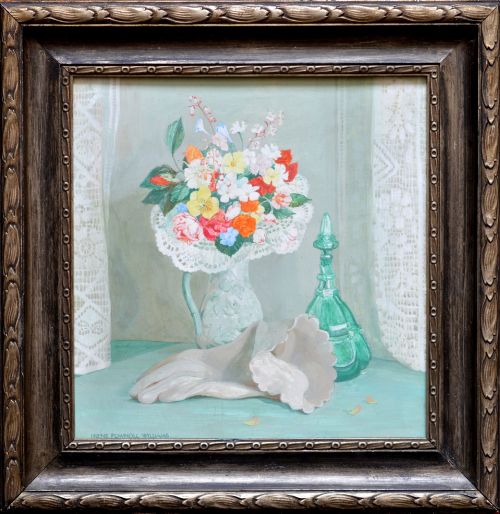
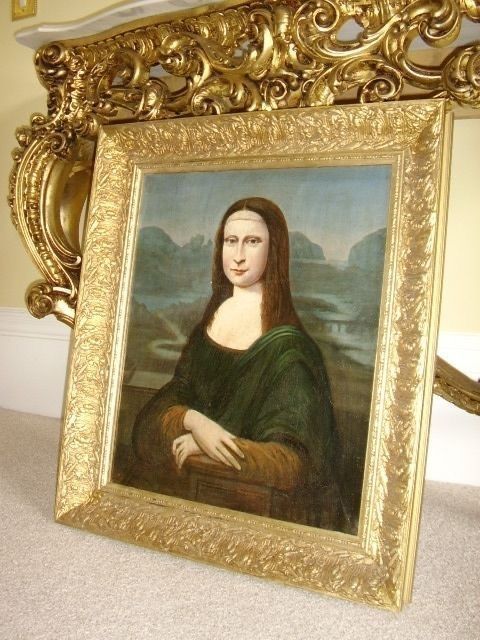
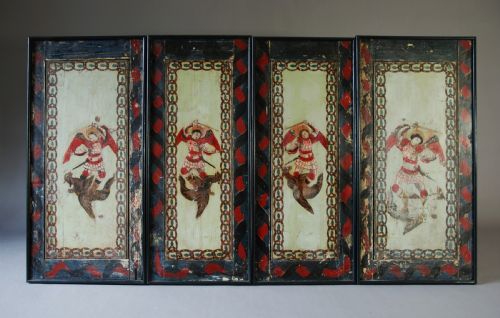
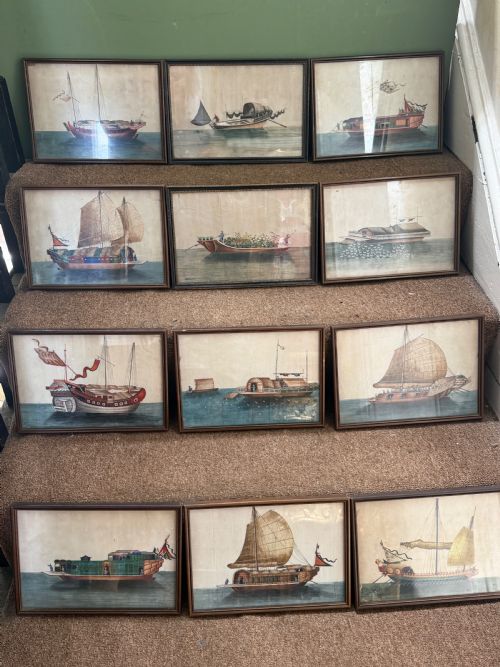
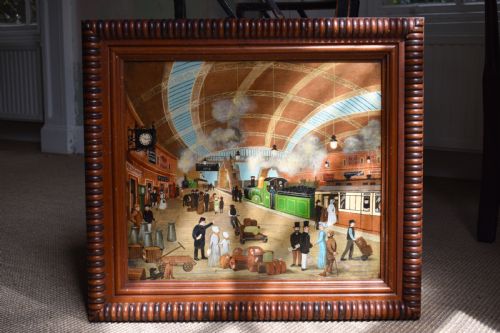
When you search for antique decorative wall art, you encounter a broad spectrum of objects designed to hang upon interior surfaces, spanning from oil paintings and carved wood reliefs to ceramic plaques and woven textiles. The pieces you meet most frequently on this page originate from the seventeenth century through to the mid-twentieth century, encompassing British, European, and Asian origins.
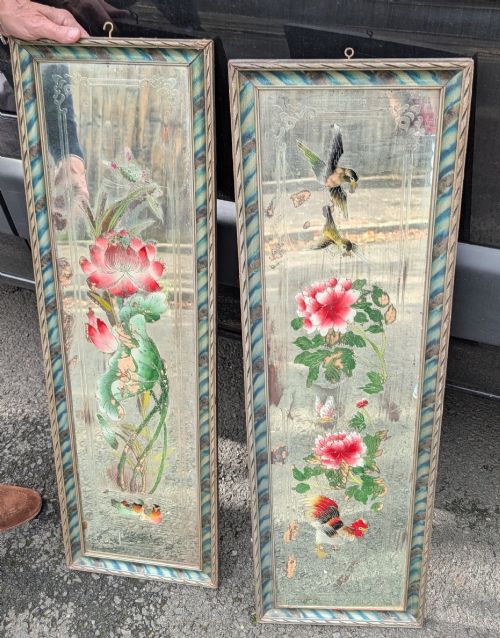
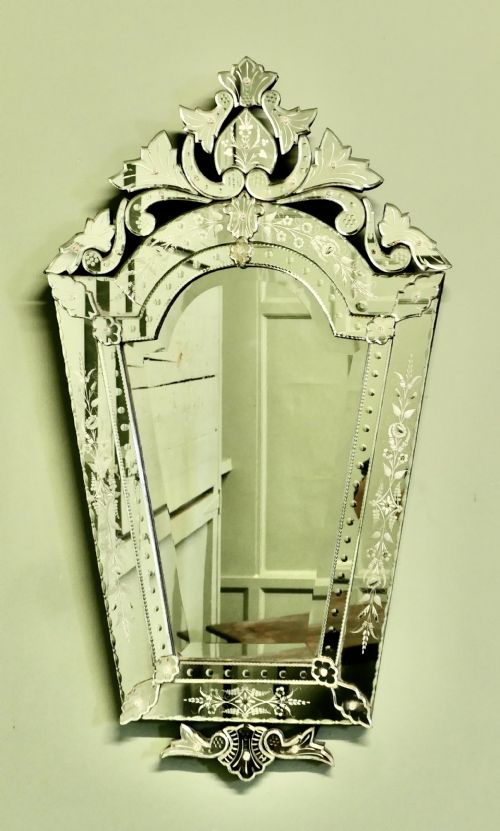
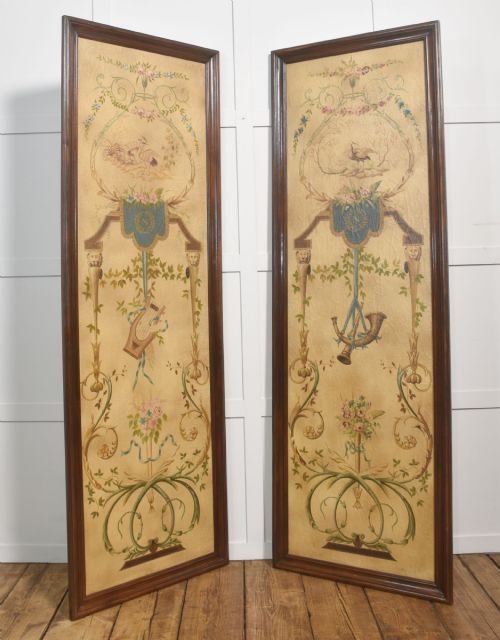
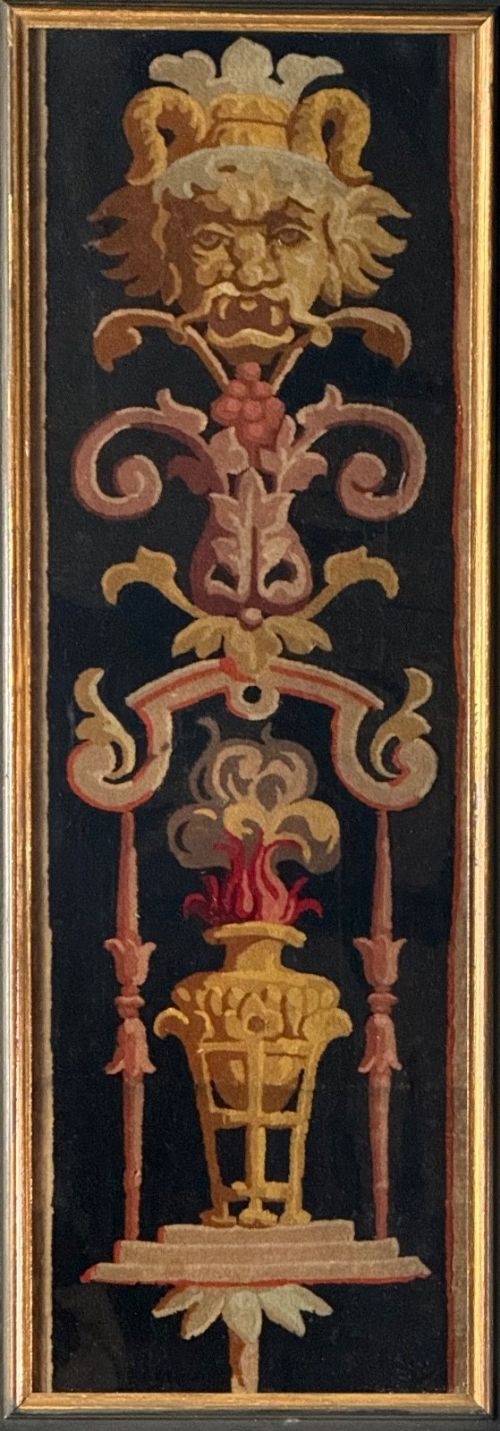
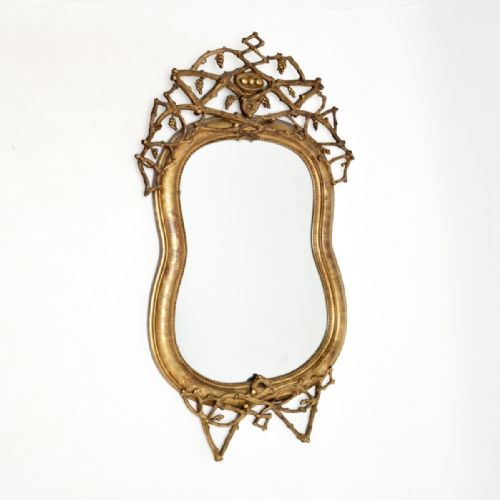
The category incorporates diverse physical formats rather than a single uniform item, meaning you will find framed mirrors alongside embroidered panels, cast iron scrolls, and painted porcelain chargers. These items reflect the domestic and architectural tastes of their respective periods, shifting from classical portraiture to the stylised motifs of the Arts and Crafts and Art Deco movements.
Many of these works served specific decorative functions within period homes, acting as focal points above mantelpieces, within panelled rooms, or along stairwells. Their survival demonstrates both their initial utility and the enduring appeal of hand-rendered details in interior decoration.
Distinctions in Quality
The standard of execution in painting and carving dictates the distinction between ordinary workshop production and masterwork pieces. Fine brushwork, precise anatomical proportions in figurative scenes, and depth of perspective separate superior oil paintings and panels from simpler, naive renderings.
Material selection and the preservation of original surfaces heavily influence the calibre of an object. Items retaining their original gilding, unaltered patination on metals, and intact textile dyes command greater regard than those subjected to extensive modern restoration or replacement parts.
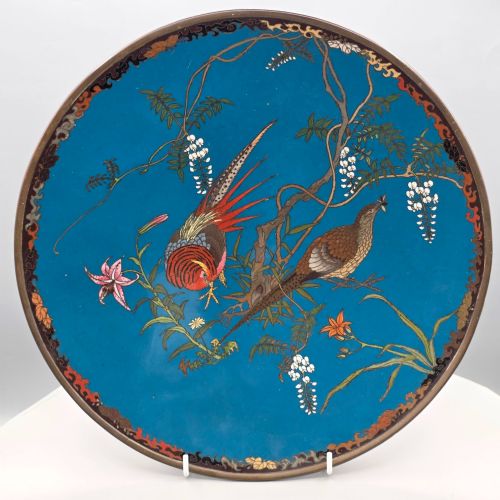
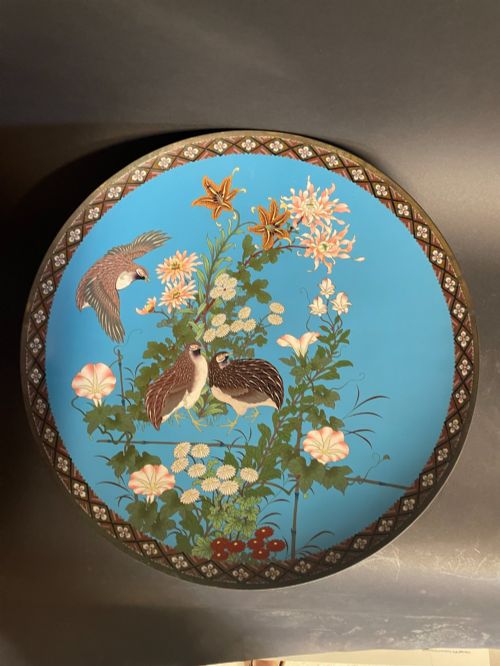
The complexity of design and the reputation of the producing workshop or artist elevate certain items above standard decorative wares. Elaborate cloisonné work with multiple metal wires, intricate needlework density in embroideries, and sophisticated architectural casting demonstrate higher tiers of period craftsmanship.
A nineteenth-century shop sign of a giant fork and spoon stands ready to add culinary cheer to any interior wall.
Raymond Subes·Theodore Jensen·William Yale·John A Monteith
The Antique Decorative Wall Art Glossary
- Cloisonné
- Enamelling technique where thin metal wires are soldered to a metal base to form compartments filled with vitreous paste. This method creates intricate patterns defined by delicate metal lines across chargers and plaques.
- Crewelwork
- Embroidery style executed using wool yarn on a heavy linen or cotton twill fabric. It produces textured, tactile surfaces historically utilised for large wall hangings and textile panels.
- Gilt Wood
- Timber carved and surfaced with a thin layer of gold leaf or metal powder. This finish provides reflective warmth to mirror frames and decorative architectural elements.
- Charger
- Large ornamental plate or shallow dish intended for display upon a wall or sideboard rather than dining use. They frequently feature elaborate painted scenes or metallic reliefs.
- Grisaille
- Painting executed entirely in monochromatic shades of grey, typically to imitate sculpture or relief carving. This technique appears on triptychs and decorative interior panels.
Antique Decorative Wall Art: Frequently Asked Questions
Can textiles be displayed in direct sunlight?
Direct sunlight causes fading and degradation in antique textiles such as crewelwork embroideries and tapestries. Placing these pieces away from south-facing windows preserves the original dye colours and prevents the natural fibres from becoming brittle.
Using UV-filtering glass when framing textile panels offers an extra layer of protection against light damage. Rotating items or managing indoor light levels helps maintain the integrity of wool and silk threads over time.
How do I distinguish nineteenth century cast iron from modern reproductions?
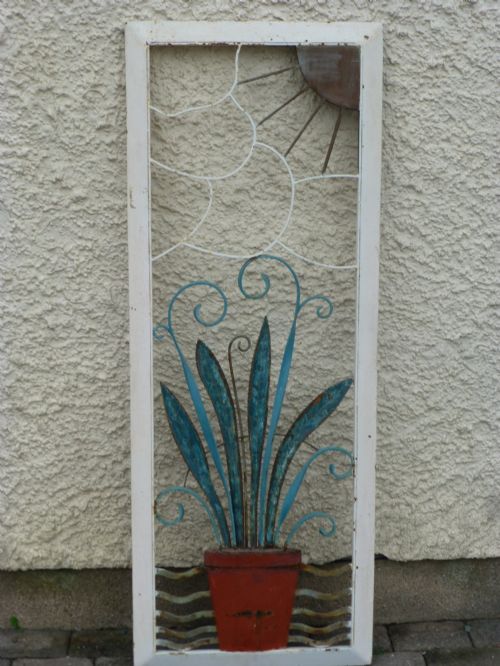
Nineteenth-century architectural ironwork exhibits hand-finished textures, irregular surface pitting, and tool marks resulting from manual forging or sand casting. Modern replicas often display uniform smoothness and lack the characteristic weathering accumulated over decades.
Examining the fixings, rust patterns, and back surfaces reveals clues regarding age and manufacturing methods. Genuine older pieces typically show consistent patination rather than applied artificial ageing treatments.
What is the best way to clean antique oil paintings?
Surface dust should be removed gently using a very soft, dry brush without applying pressure to the paint layer. Avoid using water, household cleaners, or chemical solvents, as these substances can dissolve historical varnish and pigments.
Professional conservators should handle deeper cleaning, varnish removal, and canvas repairs. Regular light dusting prevents particulate buildup while protecting the fragile medium beneath.