


Antique Metal Wall Panels
These antique metal wall panels bring weight and tactile depth to a room through centuries of cast, beaten, and relief-worked surfaces.
Antique Metal Wall Panels
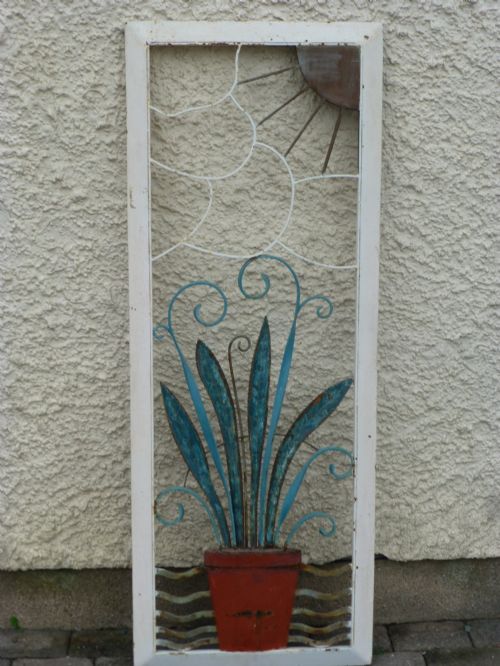
When you search for antique metal wall panels, you encounter a diverse range of objects designed for architectural enhancement and interior display. The selection spans distinct forms such as wall plaques, relief sculptures, architectural salvage, and framed mirrors.
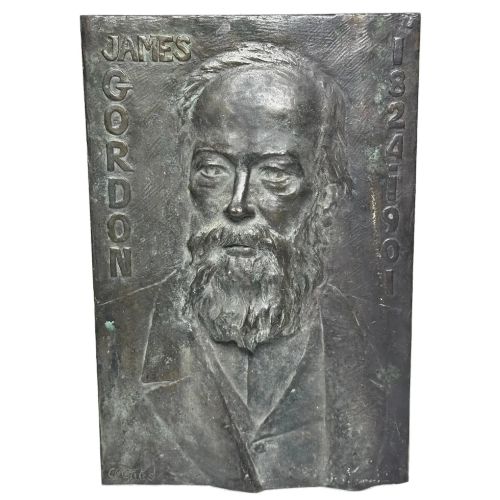
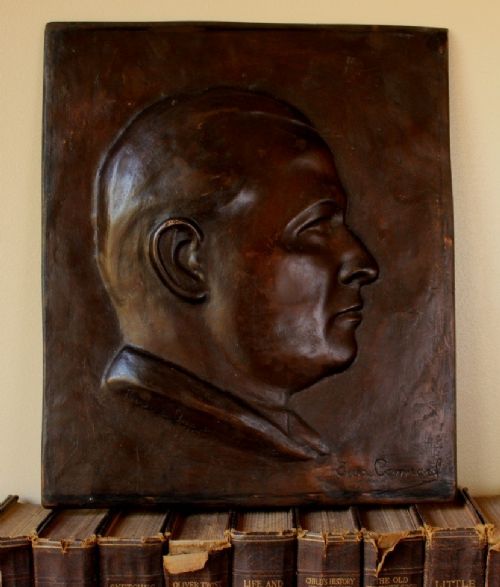
The pieces originate from periods reaching from the eighteenth century through the twentieth century, incorporating Victorian, Edwardian, and Art Deco design aesthetics. You are likely to meet cast bronze portraits, beaten copper reliefs, and heavy iron architectural elements reflecting European and international workshops.
Function varies from domestic decorative wall art to structural iron panels, liturgical icons mounted on wood with metal oklads, and exterior copper lanterns. Each item carries the specific material identity and stylistic vocabulary of its originating era.
Materials and construction methods
Makers utilised cast bronze, wrought iron, beaten copper, and silver-plate, often combining metals with wood, glass, or textile backings. Bronze and iron pieces were frequently produced through casting techniques that allowed intricate relief detail and sculptural depth.
Copper and brass panels relied on hand-hammering and repousse work, where craftsmen pushed the metal from the reverse to create raised pictorial scenes and heraldic motifs. Gilding, silvering, and applied patination completed the surfaces, enhancing contrast and protecting the metal from oxidation.
Assessing quality and execution
The distinction between standard commercial output and superior craftsmanship lies in the crispness of the casting and the sensitivity of the hand-chasing. Finer relief plaques display precise anatomical rendering, clean lettering, and well-defined borders that reveal the hand of a named artist or skilled atelier.
Material thickness and structural integrity also dictate the calibre of an architectural panel or wall sconce. Heavier gauges of bronze, iron, and copper maintain their rigidity and detail over centuries, while secondary elements like original wooden mounts or silver-plated highlights preserve the integrity of the piece.
Raymond Subes·Alice Gates·Eugene Canneel·Coalbrookdale
The Antique Metal Wall Panels Glossary
- Repousse
- A metalworking technique where the metal is hammered from the reverse side to create a raised design on the front. This method was widely used for decorative copper and brass wall panels.
- Oklad
- A metal cover or revetment placed over a sacred icon, leaving only the faces and hands visible. These are frequently fashioned in silver, gilt, or brass with intricate chased decoration.
- Relief
- Sculptural work where figures project from a flat background. High relief stands out prominently, while low relief creates a subtle, shallow dimension.
- Architectural salvage
- Building elements rescued from structures slated for demolition or alteration. This category includes iron gates, grilles, and heavy metal panels intended originally for walls or doors.
- Gilt bronze
- Bronze objects treated with a layer of gold or gold amalgam to produce a lustrous golden finish. It is also known as ormolu when applied to decorative items.
Antique Metal Wall Panels: Frequently Asked Questions
What periods do these metal wall panels cover?
The available pieces span a wide chronological range from the early eighteenth century through the Victorian and Edwardian eras up to the Art Deco period of the 1920s and 1930s.
Earlier items include Georgian lead cistern panels and eighteenth-century Russian icons, while later examples showcase industrial and modernist ironwork.
How were these metal panels originally used?
Many panels served as architectural salvage, functioning as gates, grilles, or structural wall reinforcements in domestic and public buildings. Others were created purely as decorative plaques, portraits, or religious icons mounted on wood.
Some items, such as the copper half lanterns, combined illumination with wall mounting for entryways and facades.
Are all the panels made of solid metal?
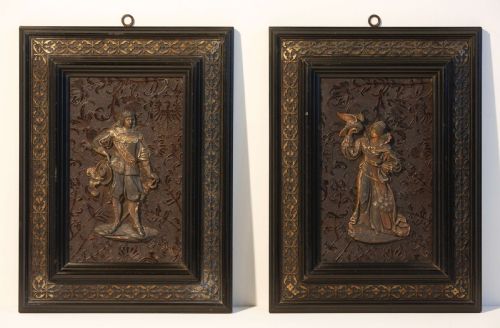
While many pieces consist entirely of cast bronze, iron, or copper, numerous wall panels incorporate mixed media. Icons and portrait plaques frequently combine metal reliefs or oklads with wooden backing boards.
Other examples integrate textiles, such as metal-thread tapestries and silk hangings, or glass elements like mirrored panels.
How should heavy metal wall panels be hung?
Due to the substantial weight of cast iron and bronze pieces, secure wall anchoring into studs or masonry is essential. Many architectural panels feature integrated fixing holes or sturdy mounting brackets designed for this purpose.
Professional installation is recommended for very large or heavy items to ensure safe support.