
Dark Wood Wall Plaques
Dark wood wall plaques are carved panels and reliefs designed to be mounted on interior walls.
Dark Wood Wall Plaques
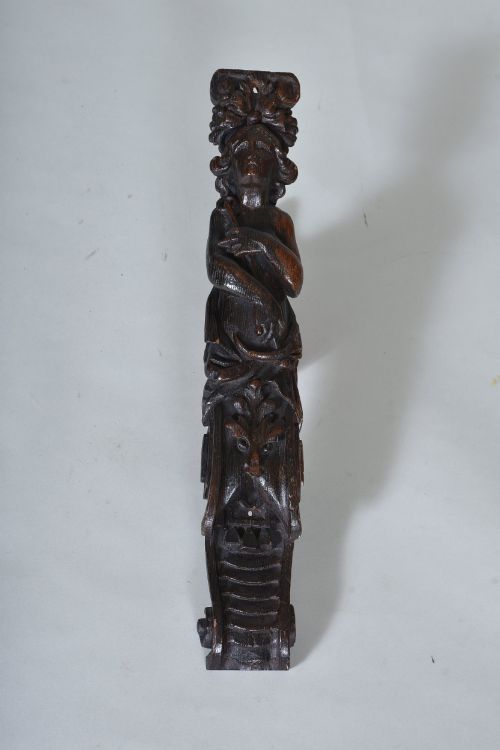
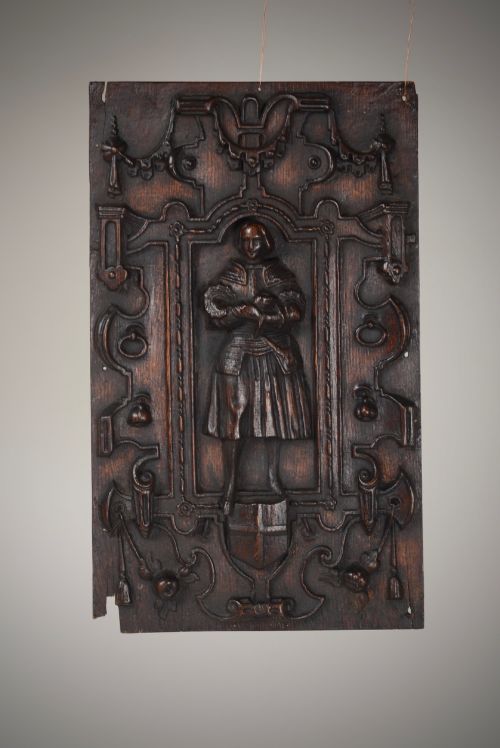
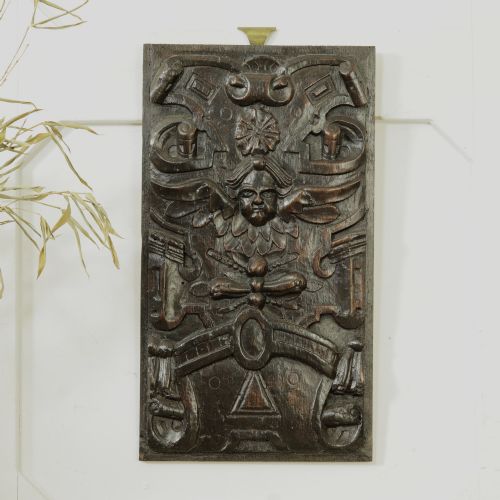
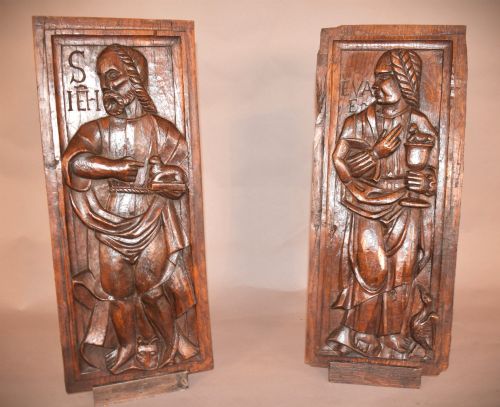
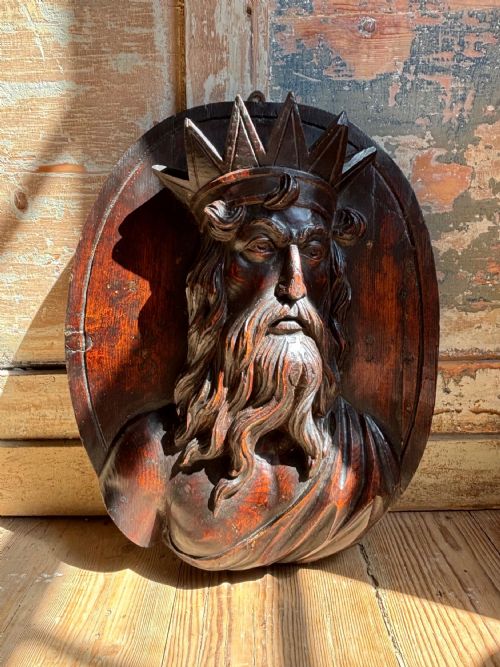
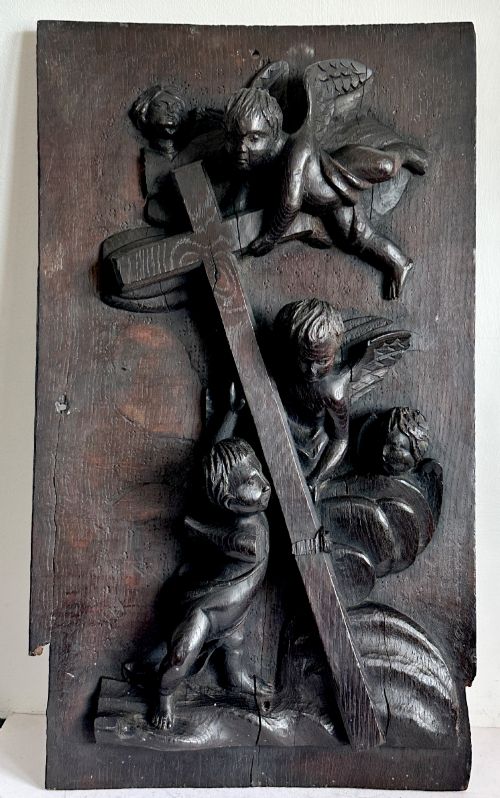
Dark wood wall plaques include architectural salvage, carved panels, and relief sculptures designed for interior display. When searching for dark wood wall plaques, collectors encounter numerous examples originating from the sixteenth, seventeenth, and eighteenth centuries. These items manifest in diverse formats such as religious depictions, mythological scenes, and hunting tropes.
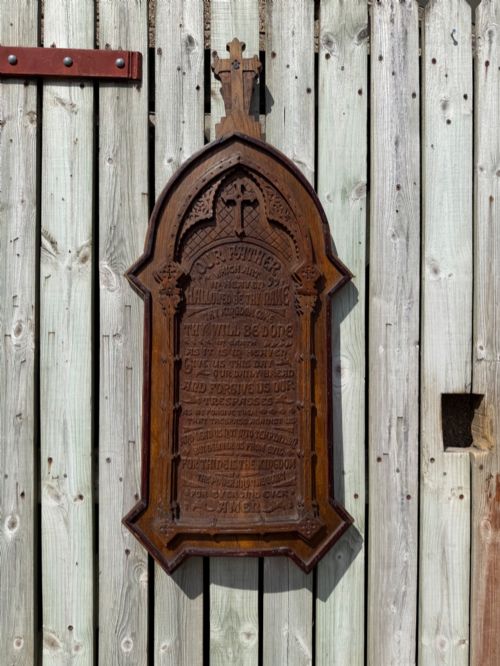
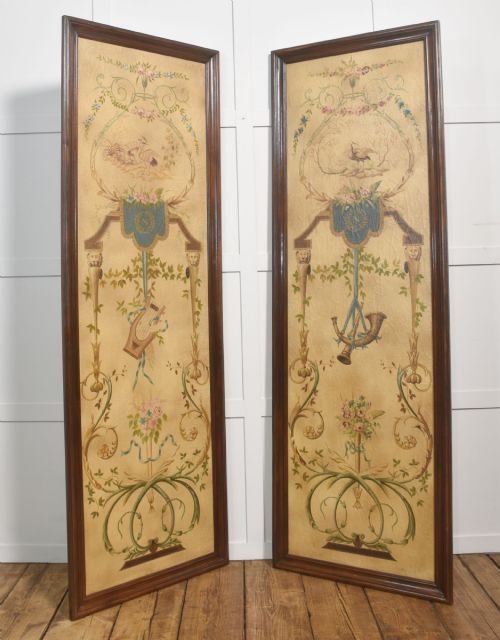
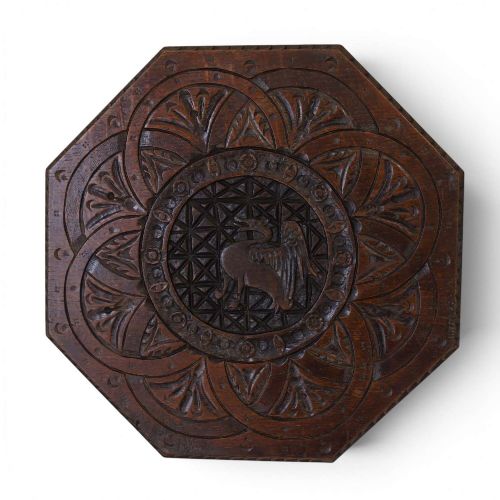
The pieces on this page span several historical periods, including the Victorian era and the Arts and Crafts movement, alongside earlier Renaissance and Baroque styles. Oak and walnut serve as the predominant materials for these items, though various hardwoods and teak appear across the inventory. Many items function as decorative wall art, while others originate from former tabletops or architectural fragments.
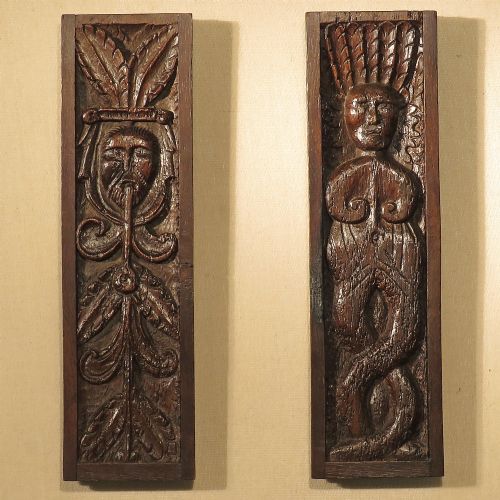
Makers utilised distinct regional traditions, producing Dutch, Flemish, German, and French examples alongside British items. Subjects range from the Green Man and biblical scenes to armorial crests and portraits. These objects provide interiors with historical depth through deeply carved wooden reliefs and panels.
What varies in quality
The depth and execution of the carving separate standard examples from finer works, particularly where facial expressions and anatomical proportions are rendered with precision. High-quality panels display crisp undercutting and well-defined drapery or foliage, whereas lesser examples rely on shallower, more generalised incisions. The complexity of the composition, such as multi-figure biblical or hunting scenes, indicates the original maker's status.
The integrity of the timber affects desirability, with well-preserved grain and minimal modern intervention retaining historical value. Pieces retaining original surface treatments or early finishes demonstrate greater authenticity than heavily stripped or excessively restored surfaces. The coherence of the design within its period style guides the evaluation of each panel.
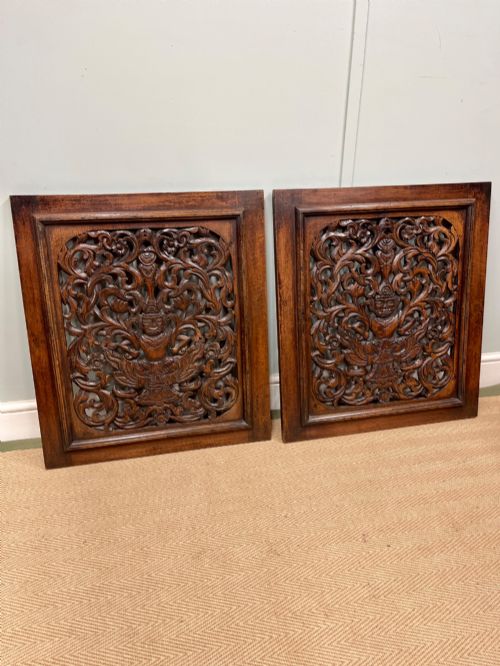
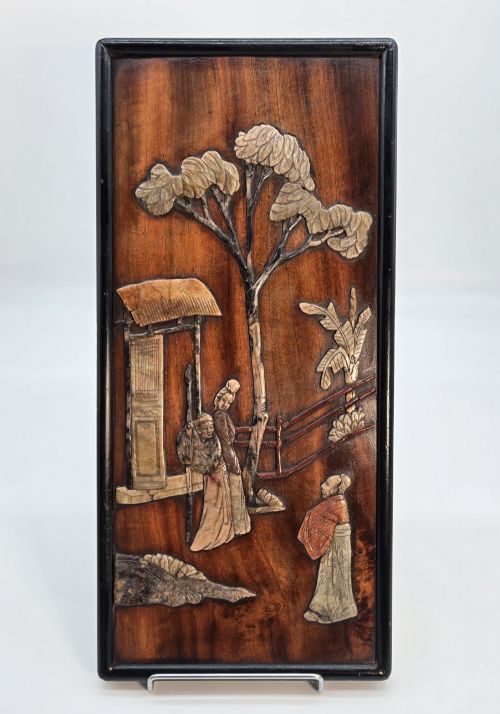
The inventory includes architectural salvage, religious reliefs, hunting trophies, and armorial plaques created in British, European, and Asian workshops.
The Dark Wood Wall Plaques Glossary
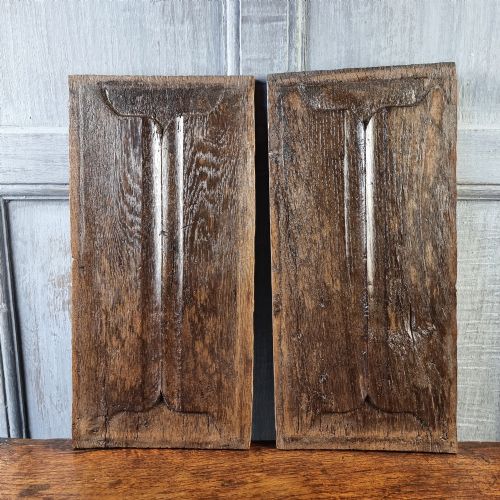
- Linenfold
- A style of wooden panelling carved to resemble folded cloth. This motif appears frequently on sixteenth and seventeenth-century interior architectural elements.
- High-Relief
- A sculptural technique where elements project far from the background. This method creates pronounced shadows and three-dimensional depth on wooden panels.
- Green Man
- A carved face depicted with leaves or vines emerging from the mouth. This motif spans multiple centuries of architectural wood carving.
- Black Forest
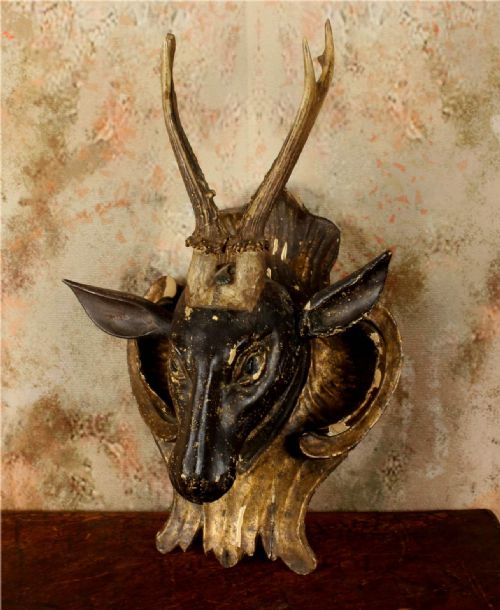
- A style of detailed wood carving originating from central Europe during the nineteenth century. These items typically feature wildlife and naturalistic hunting themes.
- Baroque
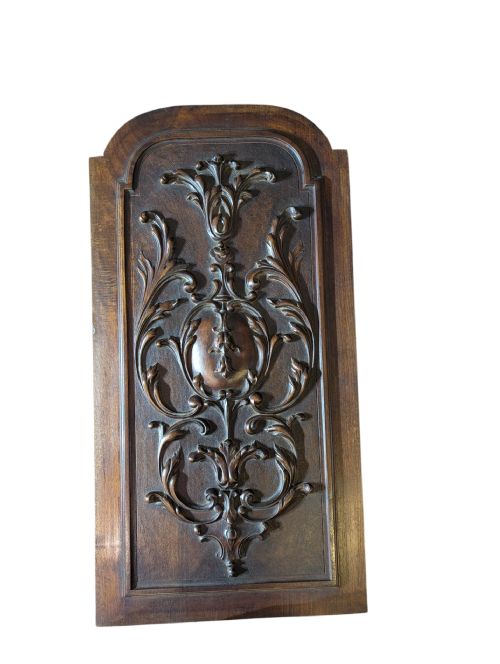
- An artistic style characterised by dramatic movement and exuberant ornamentation. Surviving panels from this period display elaborate acanthus leaves and allegorical figures.
Dark Wood Wall Plaques: Frequently Asked Questions
What periods do these wall plaques come from?
The inventory spans multiple centuries, with items originating from the sixteenth, seventeenth, eighteenth, and nineteenth centuries. Makers from different eras employed distinct regional carving styles, ranging from early Renaissance panels to Victorian interpretations.
Specific eras represented include the Baroque period, the Arts and Crafts movement, and the Gothic Revival. Each period utilises characteristic timber selections and decorative motifs.
How were these wooden panels originally used?
Many items functioned as structural wall panels, architectural salvage from dismantled interiors, or decorative wall art. Others served alternative functions before conversion, such as former tabletops or book covers.
Religious subjects often decorated ecclesiastical spaces, while armorial plaques recorded family lineages. Hunting trophies and animal carvings were traditionally displayed in country houses and lodges.
What types of wood are used in these pieces?
Oak and walnut represent the primary timbers utilised by carvers across European workshops. These dense hardwoods allowed artisans to execute deep, durable reliefs that survived centuries of interior display.
Additional items feature regional hardwoods, fruitwood, and teak. Some pieces incorporate painted finishes or secondary materials like antler and copper alongside the wood.
How do you identify Black Forest carvings?
Black Forest carvings are identified by their naturalistic depiction of animals, particularly birds of prey, deer, foxes, and dogs. These nineteenth-century items often form hunting trophies or wall mirrors featuring deep, realistic foliage.
German and Swiss workshops drove this production, focusing on three-dimensional sculptural relief work. The timber is typically dark wood, finished to highlight the tactile texture of fur and feathers.
Can these plaques be hung on modern walls?
Most pieces are constructed with integrated hanging points or flat backs suited to modern wall mounting. Due to the weight of solid oak and hardwood panels, secure fixings into wall studs or masonry are required.
Care should be taken to place them away from direct heat sources and strong sunlight to protect the historic timber and finish.