





Antique Decorative Pin
An antique decorative pin gathers small objects or serves as a desk accessory, ranging from silver novelty cushions to porcelain dishes.
Antique Decorative Pin
When you search for an antique decorative pin, you encounter a mix of silver novelty pin cushions shaped like animals and transport alongside small porcelain and glass dishes. The pin cushions take forms such as dogs, carts, sledges, boots, and longships, mostly originating in the Victorian and Edwardian periods.
How they were made
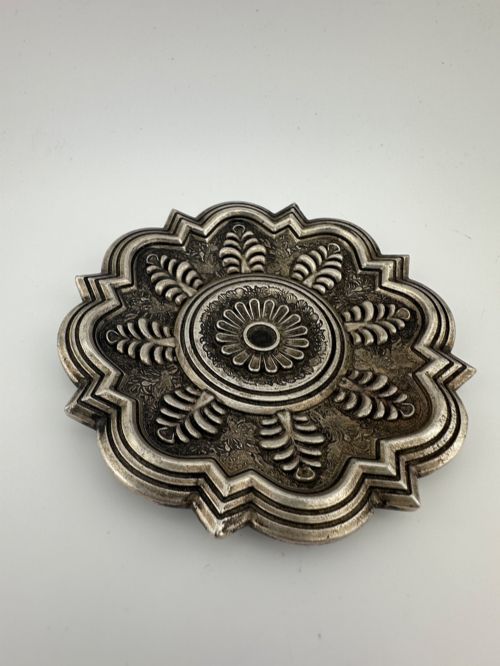
Metal pieces utilise silver, copper, bronze, and Britannia metal, often shaped through casting, hammering, and relief work. Cloisonne examples employ fine wire soldered to a metal base to enclose coloured enamel fields.
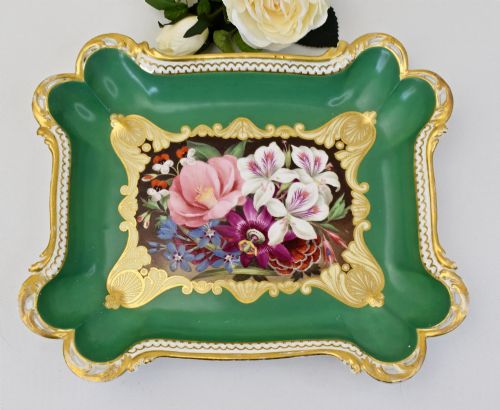
Ceramic pieces combine bone china and porcelain with hand-painted decoration, gold leaf, and transfer-printed patterns. Glass items incorporate techniques seen in Nailsea glass and opaline glass production.
Antique Decorative Pin Retail Price Guide 2026
Typical asking prices for decorative pin among the pieces listed under this phrase on Sellingantiques today, from the lower quarter to the upper quarter. They describe what is for sale here now, not the wider market.
Dogs, carts, sledges, and boots turned up in silver workshops as places to stick pins.
What varies in quality
Material choice and decorative depth distinguish standard items from exceptional ones, such as complex Japanese cloisonne enamel work or intricate Tunbridge ware marquetry.
Royal Crown Derby·New Hall·Doe and Rogers·Wemyss·Vienna·Royal Worcester·Helena Wolfsohn·WMF·Moorcroft·Wedgwood
The Antique Decorative Pin Glossary
- Imari
- A Japanese and later European ceramic style characterised by underglaze blue, iron red, and gold highlights. It appears on various serving dishes and plates.
- Cloisonne
- An enamel technique where metal wire forms compartments on a base, which are then filled with paste and fired. This method decorates trays and plaques.
- Tazza
- A shallow saucer-like dish mounted on a stem and foot, used for display or serving. These are found in metalware.
- Pin cushion
- A padded small object designed to hold pins safely. In antique examples, these take whimsical silver shapes like boots and animals.
Antique Decorative Pin: Frequently Asked Questions
What are antique silver pin cushions shaped like?
Silver pin cushions from the Victorian and Edwardian eras take whimsical figurative forms. Common shapes include animals like dogs, transport such as carts and sledges, boots, and boats.
These pieces combine functional desk items with detailed metalwork. The textile cushion remains tucked into the cast silver body.
How do I identify Imari style dishes?
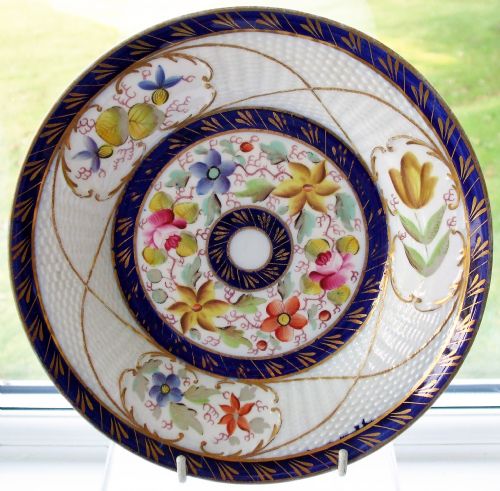
Imari style pieces feature a distinct palette dominated by underglaze cobalt blue and iron red, frequently accented with gold leaf. The patterns often incorporate floral and panel motifs.
This decorative approach appears on porcelain dishes, trays, and bowls from various nineteenth and early twentieth century English and continental factories.
What materials were used for decorative trays?
Decorative trays and dishes utilise a wide range of materials. You find porcelain, bone china, glass, silver, copper, bronze, and cloisonne enamel.
Each material brings a different weight and finish to the piece, from the smooth glaze of porcelain to the textured surface of metal relief.
How do I care for antique glass and porcelain?
Antique glass and porcelain require gentle handling and hand washing in lukewarm water with mild soap. Avoid abrasive sponges and harsh chemical cleaners to protect the glaze and gilding.
Display them away from direct sunlight and sudden temperature changes to preserve the materials and hand-painted details.