
Antique Decorative Panels
These antique decorative panels bring texture and history to a room through centuries of carving, painting, and textile work.
Antique Decorative Panels
When buyers search for antique decorative panels, they encounter a diverse selection of architectural salvage, folding screens, and wall hangings spanning multiple centuries. The selection on this page ranges from structural timber fragments to painted canvases and embroidered textiles.
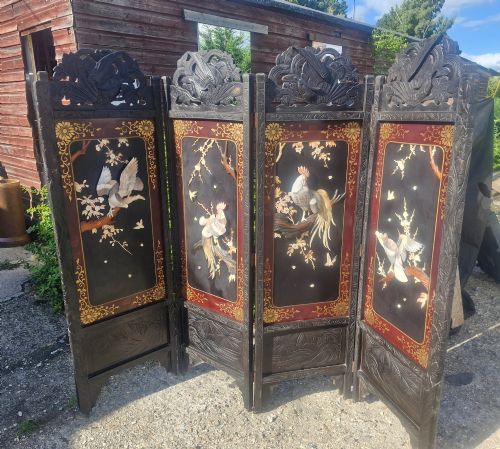
The most common forms include carved wooden architectural pieces, multi-fold room dividers, and fabric wall hangings originating from European, Asian, and Middle Eastern workshops. These items served functional roles in period interiors before becoming standalone wall art.
Materials vary widely across the inventory, encompassing heavy oak and walnut alongside delicate glass, painted leather, and crewelwork embroidery. Each format reflects the distinct interior design tastes of periods from the sixteenth century through the early twentieth century.
How they were made
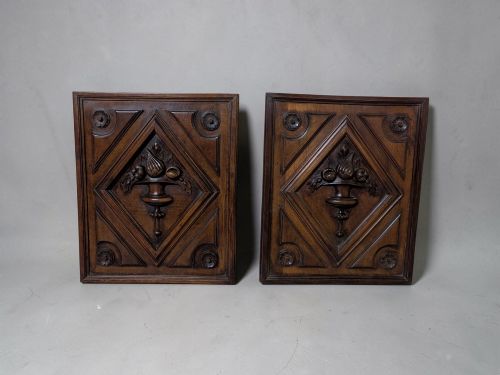
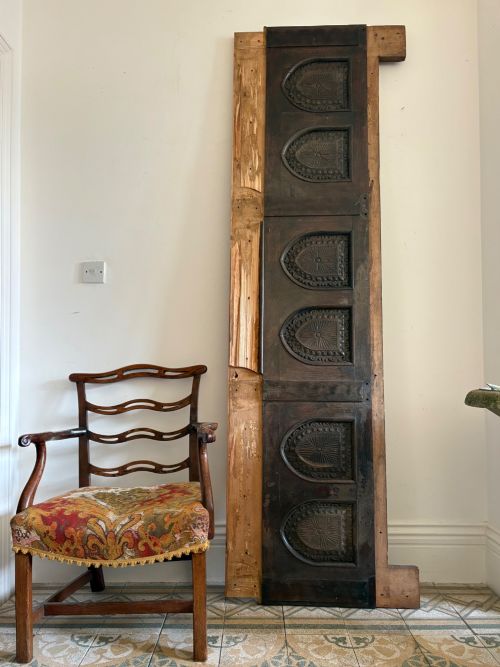
Wood and timber form the structural foundation for many pieces, shaped through hand carving, linenfold techniques, and architectural joinery. Craftspeople utilised oak, walnut, fruitwood, and pine to create relief carvings and structural panels.
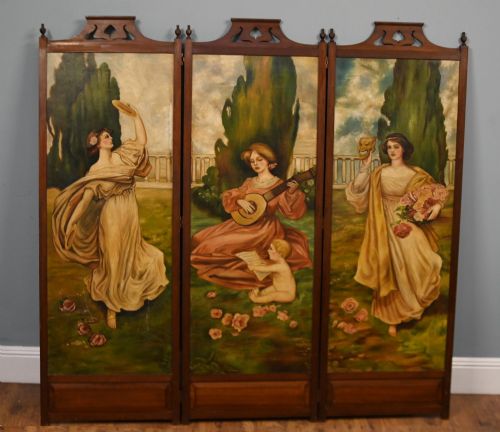
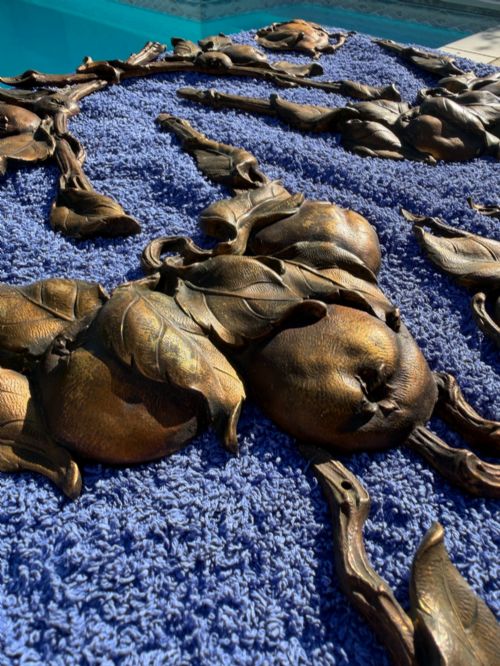
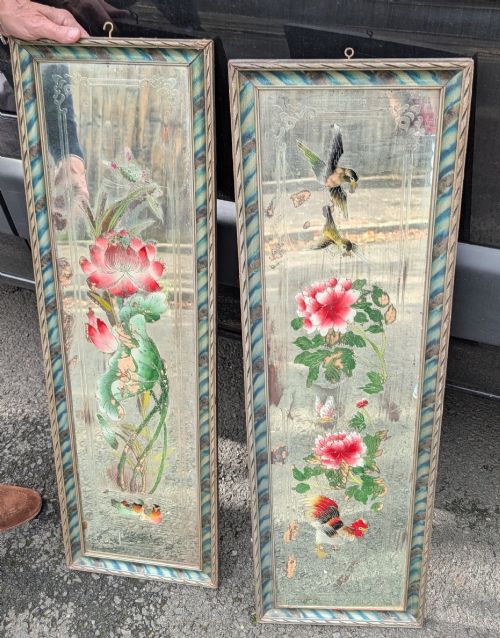
Surface decoration frequently involves oil paint, tempera, and lacquer applied to canvas, wood, or leather substrates. Metalwork elements incorporate brass, bronze, iron, and gilt bronze, often featuring etched glass or stained glass inserts.
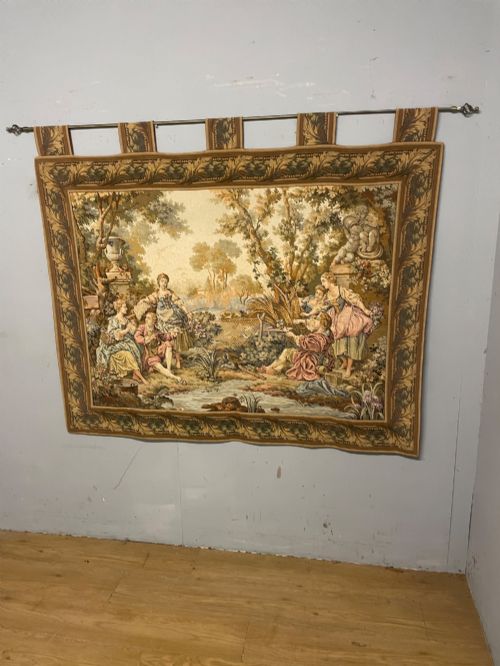
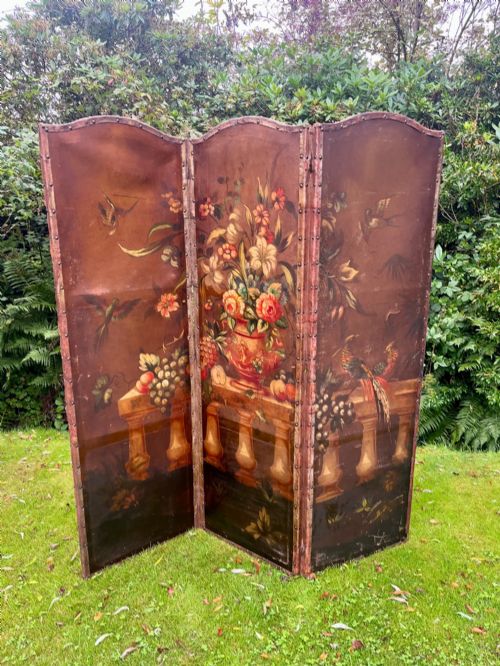
Textile panels rely on crewelwork embroidery, hand-painted leather, and intricate needlework executed on canvas or fabric backings. These diverse assembly methods combine carpentry, painting, and textile arts within single decorative objects.
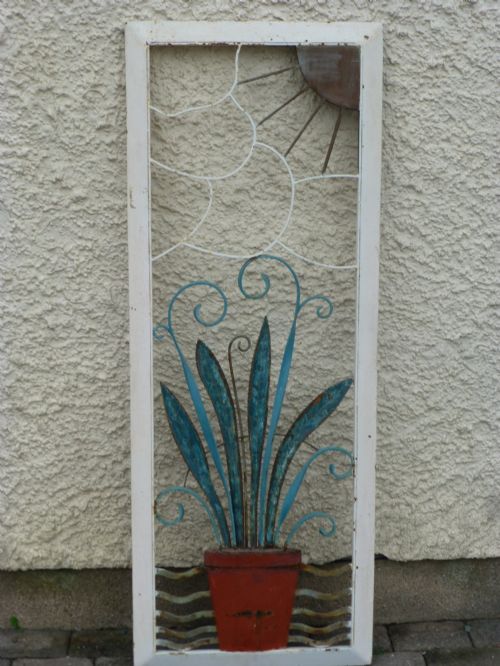
One unexpected nineteenth-century panel doubles as a pub window, bringing the spirited chatter of old taverns straight into the sitting room.
What varies in quality
The depth and precision of hand carving separate standard joinery from exhibition-quality sculpture. Pieces featuring deep undercut relief work or finely rendered bone and wood figures display superior craftsmanship compared to shallow or mechanical milling.
The integrity of painted surfaces and textiles dictates the visual success of panels over time. Original hand-painted pigment layers, balanced colour palettes, and intact embroidery stitches maintain their aesthetic impact better than overpainted or heavily restored surfaces.
The authenticity of period materials and historical alignment of styles determine the standing of an item. Cohesive execution within regional traditions, such as French Rococo Revival or Chinese Qing craftsmanship, elevates the overall character.
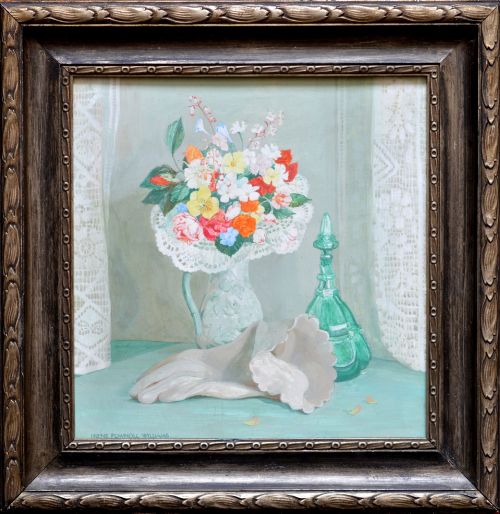
Poix Blin·Irene Christobelle Pownoll Williams·Raymond Subes
The Antique Decorative Panels Glossary
- Linenfold
- A style of woodcarving that imitates folded linen cloth, common on sixteenth and seventeenth-century panels. This technique creates a vertical textured pattern across flat wooden surfaces.
- Chinoiserie
- European artistic styles reflecting Chinese and East Asian motifs, popular in decorative screens and painted panels. It employs whimsical landscapes, figures, and pavilions.
- Crewelwork
- Embroidery executed with wool yarn on a sturdy fabric foundation, often seen on large wall hangings and textile panels. It produces heavy, tactile surface designs with traditional floral or paisley patterns.
- Traceries
- Architectural ornamentation featuring intersecting stone or wooden ribs, frequently found in Gothic Revival woodwork and ecclesiastical salvage panels. This linear geometric pattern supports stained glass or openwork timber.
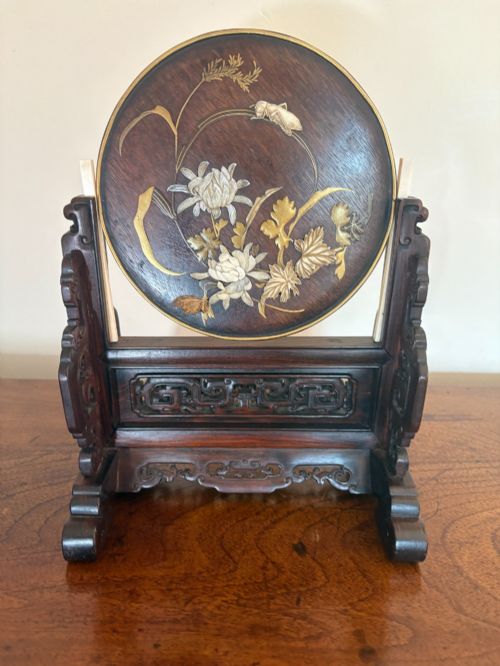
- Shibayama
- A Japanese craft technique inlaying ivory, bone, mother-of-pearl, and tortoiseshell into wood or lacquer surfaces. It appears on decorative table screens and fine wall panels.
Antique Decorative Panels: Frequently Asked Questions
What are antique decorative panels used for today?
These pieces function primarily as wall art, room dividers, and architectural focal points in modern interiors. They add texture and historical context to blank walls or large open spaces.
Larger folding screens can partition a room, while smaller carved wood or fabric panels hang directly on walls like paintings.
How do I identify the period of a carved wood panel?
Period identification relies on examining the tool marks, joinery methods, and stylistic motifs present in the timber. Sixteenth and seventeenth-century items often feature linenfold designs, while later nineteenth-century pieces display revival styles like Gothic or French Rococo.
Matching the wood species, such as oak or fruitwood, to regional woodworking traditions provides further chronological clues.
How should I hang a heavy architectural wood panel?
Heavy architectural panels require secure mounting into wall studs using appropriate metal brackets or hidden French cleats. The weight of solid oak or iron elements demands professional installation to ensure stability.
Consulting a specialist installer prevents damage to both the historic material and the wall structure.
Are painted leather and textile panels fragile?
Painted leather and historic textiles require protection from direct sunlight and fluctuating humidity levels. Light exposure causes pigments to fade and organic fibres to become brittle over time.
Displaying these fragile items away from direct heat sources and windows preserves their structural integrity.