
Antique Decorative Metal Urns
These antique decorative metal urns bring neoclassical restraint and heavy casting into a room, offering classical form translated through nineteenth-century foundries.
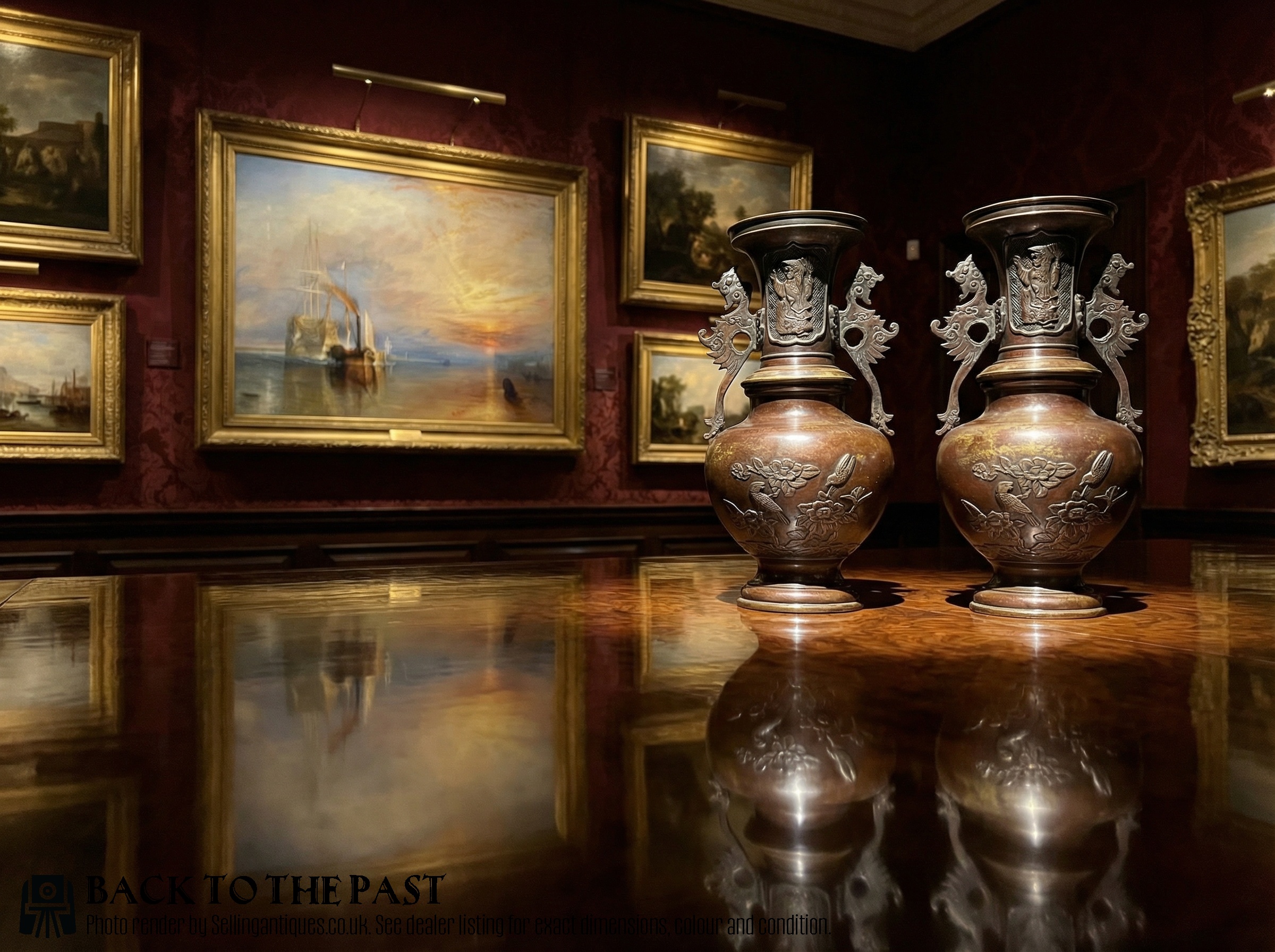
Antique Decorative Metal Urns
When you search for antique decorative metal urns, you encounter heavy nineteenth-century vessels designed for interior display, garden terraces, and libraries. These objects take the shape of classical vases, tazzas, and campana forms inspired by archaeological excavations and Grand Tour travels.
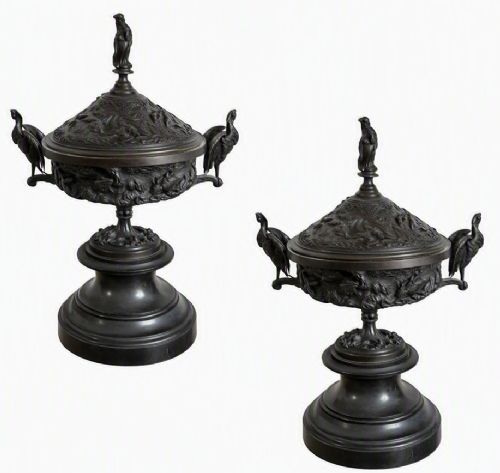
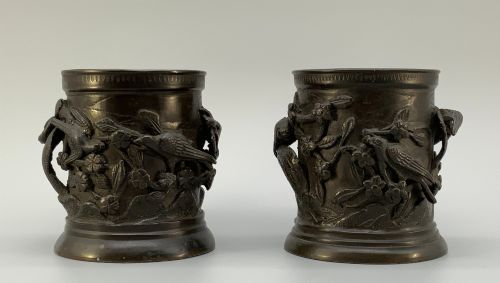
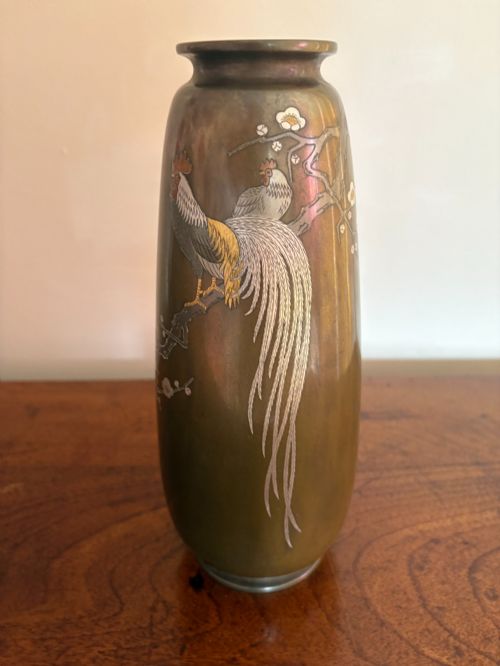
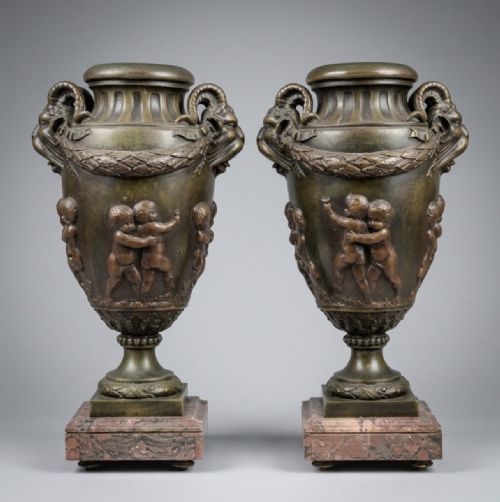
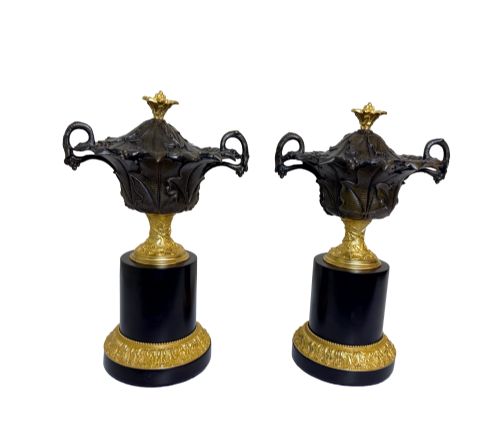
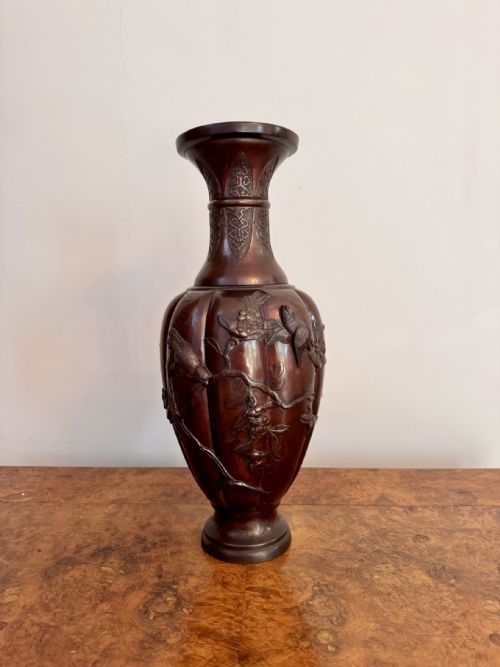
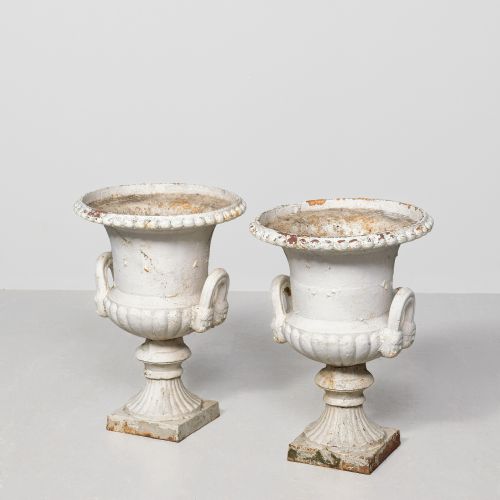
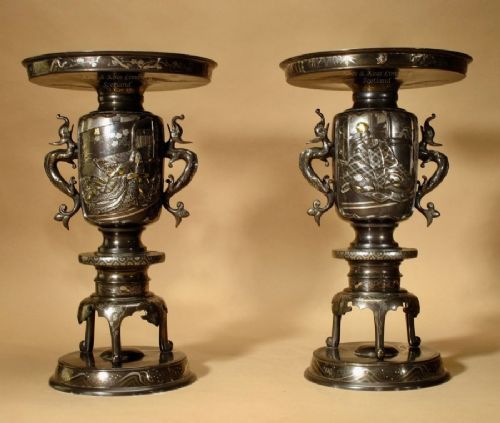
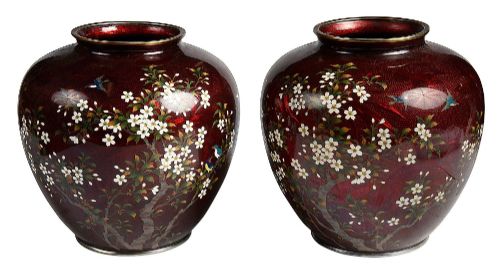
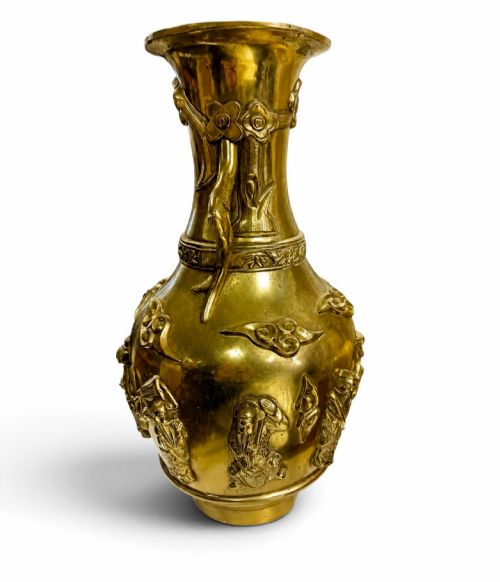
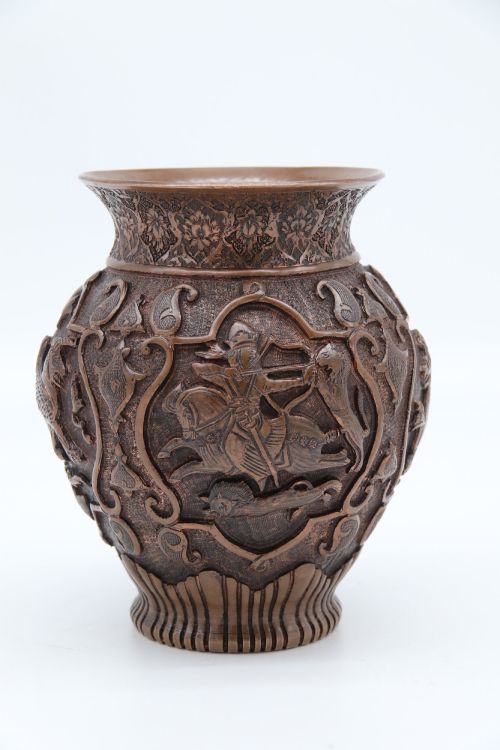
The most common versions met on this page are nineteenth-century French and English cabinet pieces in bronze, ormolu, and marble, alongside substantial cast-iron garden planters. Makers also drew heavily upon Japanese Meiji period bronzes and Chinese Qing dynasty cloisonné and copper-alloy vessels.
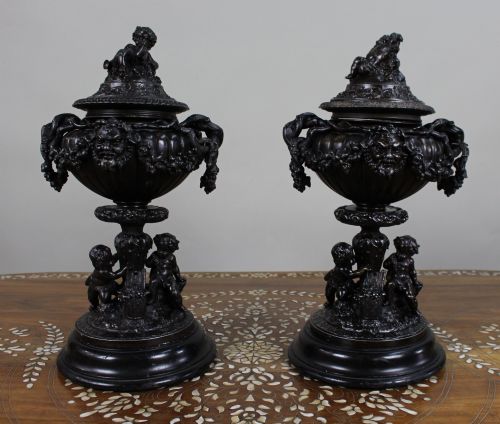
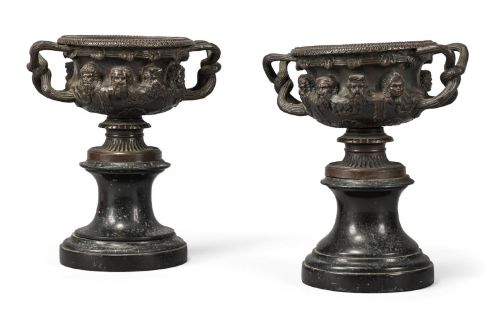
Domestic examples range from small library tazzas to paired ewers and amphorae decorated with classical masks and foliate relief. Garden pieces scale up significantly, utilising robust cast iron to withstand exterior placement while retaining decorative classical ornament.
How they were made
Foundries utilised lost-wax casting and sand-casting methods to shape bronze, brass, and iron into complex vessel forms with high-relief detailing. Metalworkers then applied patination, gilding, or ormolu mounts to enrich the surface texture and create contrasting metallic tones.
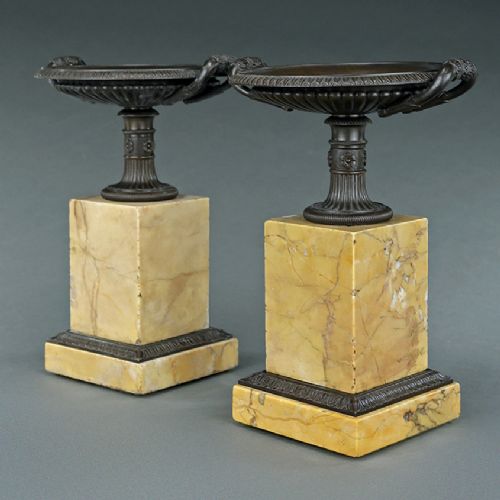
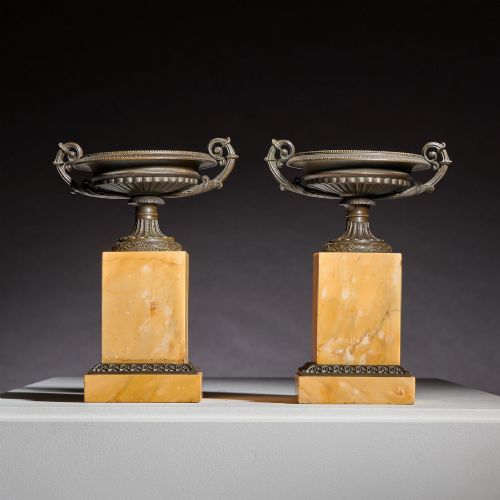
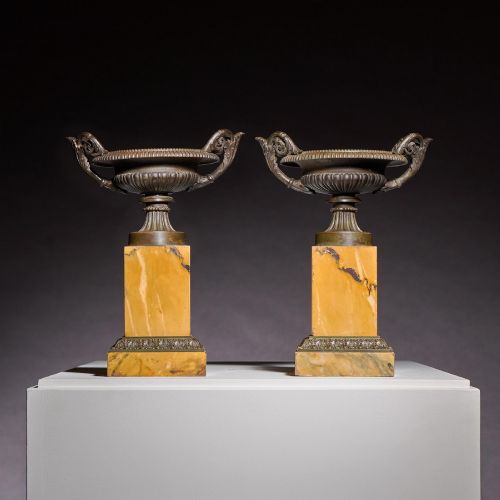
Many ornamental pieces combine metal elements with carved stone, mounting bronze or gilt-bronze bodies onto Siena marble pedestals and bases. Copper and brass items often incorporate repoussé, chasing, or cloisonné enamel work to produce intricate surface patterns.
Foundries occasionally cast heavy iron garden urns directly in the whimsical form of marine shrimp.
What varies in quality
Quality rests primarily in the crispness of the casting and the depth of the chasing work applied after the metal leaves the mould. Superior examples display sharp relief in figurative masks, acanthus foliage, and mythological scenes without softness in the edges.
The integration of materials dictates the standard of the piece, particularly where metal mounts meet marble bases or where hand-applied patination shows subtle tonal variation. Heavier gauge metals and retained original fire gilding or ormolu elevate domestic decorative urns significantly.
Andrew Handyside·VAL D OSNE FOUNDRY·KANASAWA
The Antique Decorative Metal Urns Glossary
- Ormolu
- Gilded bronze, where finely ground gold is amalgamated with mercury and applied to a bronze base through heat. This technique creates a durable, rich golden surface typical of French decorative pieces.
- Campana urn
- A bell-shaped classical vessel form with an everted rim and a flared body set on a pedestal foot. Foundries reproduced this ancient Roman garden shape frequently in cast iron and bronze.
- Grand Tour
- A cultural journey undertaken by wealthy young Europeans through France and Italy to study classical antiquities. Tourists acquired small bronze reductions of famous sculptures and ancient urns to bring home.
- Cloisonné
- An enamelwork technique where metal wire is soldered to a metal base to create compartments filled with vitreous paste. Chinese and Japanese makers utilised this method for decorative vases.
- Tazza
- A shallow saucer-like vessel mounted on a stem and foot, used in classical times for libations. Nineteenth-century makers adapted this form into decorative centrepieces and library ornaments in bronze and marble.
Antique Decorative Metal Urns: Frequently Asked Questions
Where were antique metal urns displayed?
These vessels served primarily as interior decorative ornaments on library tables, mantelpieces, and pedestals during the nineteenth century. Grand Tour pieces were brought back to adorn gentleman's studies and formal drawing rooms.
Larger cast-iron variants were designed for exterior placement, marking garden pathways, patios, and formal terraces where they withstood seasonal weather changes.
How do I distinguish bronze from spelter?
Bronze is a heavy alloy of copper and tin that yields a resonant ring when struck and takes a deep, stable patination. Spelter is a softer, zinc-based white metal alloy that feels lighter and often shows a painted bronzed finish rather than a true metallic patina.
Examining the underside or interior helps reveal the base metal beneath surface finishes, as spelter can flake or pit more readily over time.
What is a Grand Tour bronze?
Grand Tour bronzes are nineteenth-century reductions of famous classical sculptures and ruins encountered by travellers in Italy. Artisans in Rome and Florence cast miniature copies of well-known antiquities like the Warwick vase for foreign buyers.
These objects allowed collectors to display museum-scale classical art within private domestic interiors.
How do I care for antique metal urns?
Dust bronze and brass pieces gently with a soft, dry cloth to prevent the accumulation of grit in recessed chasing and relief work. Avoid abrasive metal polishes, which can strip away historic patination and original gilding.
Keep cast-iron garden urns clear of standing water and fallen leaves to protect the painted or rusted exterior surfaces from accelerated corrosion.