


Antique Decorative Fireguard
These antique decorative fireguards protect rooms from stray embers while adding period character to the hearth.
Antique Decorative Fireguard
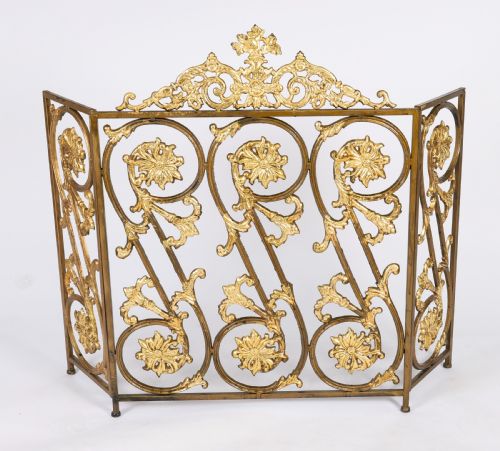
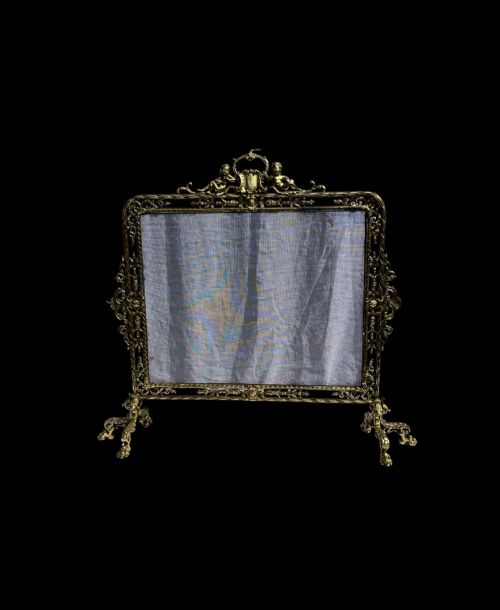
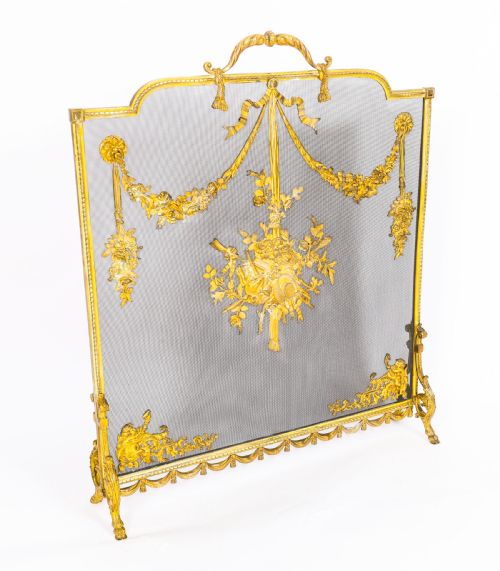
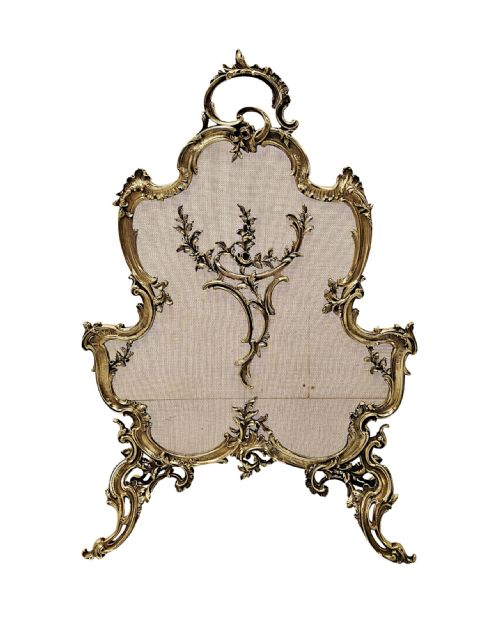
An antique decorative fireguard serves as a protective barrier before an open hearth, combining practical spark containment with ornamental design. These pieces appear in forms such as folding screens, rigid panels, and fitted fenders designed to contain embers.
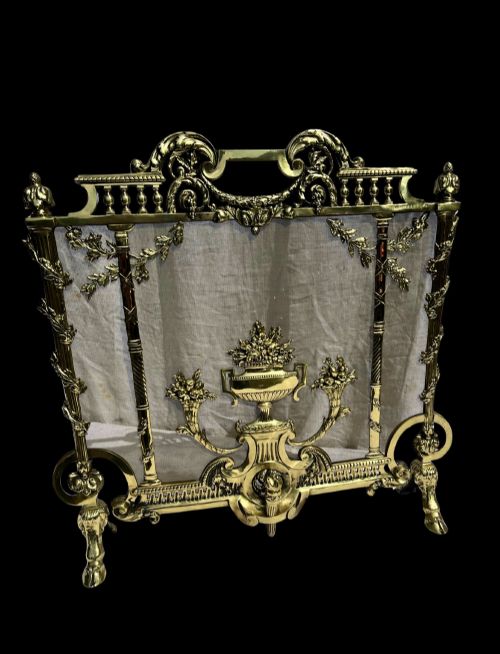
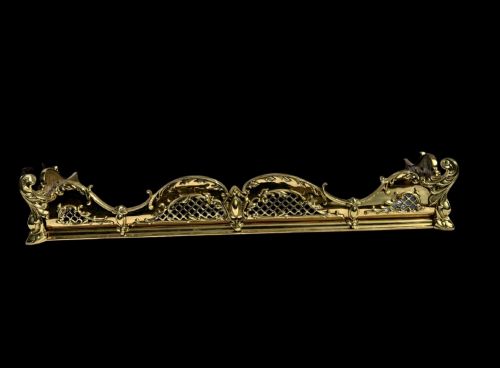
Most examples encountered on this page date from the Victorian era through the early twentieth century, spanning periods from the late nineteenth century to the nineteen-thirties. Common configurations include freestanding screens with wire mesh or glass panels, alongside low hearth fenders in brass and iron.
Stylistic influences range from Gothic ironwork and heavy Victorian brass to flowing Art Nouveau motifs and ornate French revivals. Buyers often select them to complement period fireplaces or to introduce architectural texture into contemporary rooms.
Materials and construction methods
Metals form the structural core of these pieces, utilising brass, wrought iron, copper, and bronze shaped through casting, beating, and piercing. Frames frequently incorporate fine wire mesh or metal mesh to stop flying sparks while maintaining visibility of the fire.
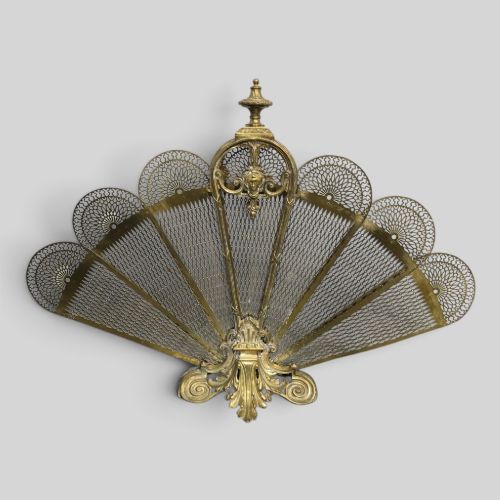
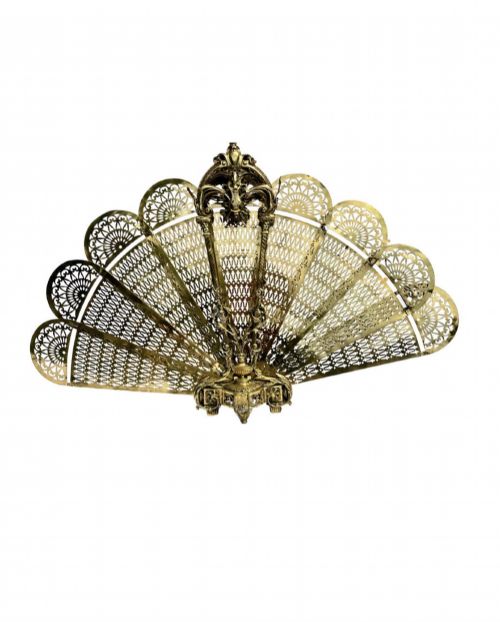
Peacock fire screens fan out their metal mesh feathers just like the real bird when opened.
Assessing quality in hearth guards
Quality rests upon the weight of the metalwork, the crispness of cast or chased details, and the integrity of the integrated mesh or decorative panels. Substantial gauge brass and hand-forged iron indicate superior workshop production compared to lighter, mass-produced alternatives.
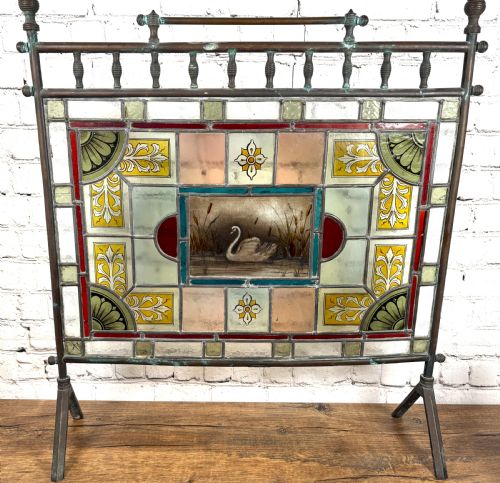
The sophistication of the stylistic execution distinguishes standard items from exceptional ones, particularly in hand-finished French revival mounts, intricate stained glass work, or finely stitched needlework panels. Original patination and sturdy hinge construction on folding panels further elevate the standing of a piece.
The Antique Decorative Fireguard Glossary
- Fire screen
- A movable barrier placed in front of a fireplace to block radiant heat when the fire is low or to hide an unlit hearth. They often feature decorative panels of glass, metal, or fabric.
- Fire fender
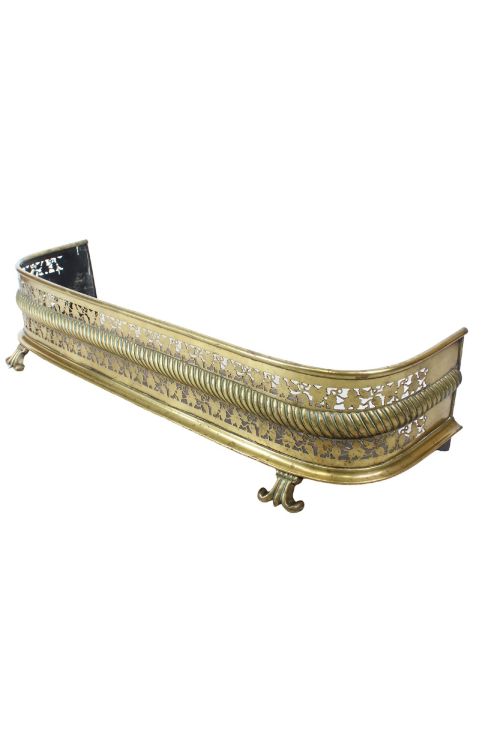
- A low metal frame placed on the floor around the hearth to contain rolling logs and ash. They can include pierced brass plates or iron rails.
- Spark guard
- A functional screen, typically constructed from wire mesh or metal mesh, designed specifically to catch flying embers from an open fire. These prioritize safety alongside decorative metal frames.
- Pole screen
- A freestanding fireside accessory with an adjustable vertical screen panel mounted on a central pole. They were traditionally used to shield the face from the heat of the fire.
Antique Decorative Fireguard: Frequently Asked Questions
How do I choose the right size fireguard?
Measure the width and height of your fireplace opening to ensure the guard covers the entire hearth area adequately. Allow sufficient clearance on all sides for safety.
Consider the projection of the hearth and whether you need a flat screen, a folding multi-panel version, or a fitted fender.
Are these fireguards safe to use with a real fire?
Many historical pieces feature wire mesh or metal mesh designed specifically to catch sparks and embers. However, delicate materials like stained glass or fabric panels require careful placement.
Evaluate the stability and material of each screen to determine whether it suits an active, roaring fire or serves a decorative purpose.
How do I clean brass and iron fireguards?
Dust metal frames regularly with a soft, dry cloth to prevent soot buildup. Avoid harsh chemical cleaners that strip the historical patination.
For stubborn grime on brass, use a mild, non-abrasive polish applied sparingly, and keep iron surfaces lightly oiled to prevent rust.
What is the difference between a screen and a fender?
A fire screen stands upright to block heat and sparks from the room. Screens can be flat panels, folding units, or mounted on poles.
A fender rests directly on the floor around the perimeter of the hearth. Fenders contain rolling embers and often incorporate tool racks or seating.