

Antique Decorative Chest
An antique decorative chest brings centuries of craftsmanship into a room, offering both practical storage and striking visual detail.
Antique Decorative Chest
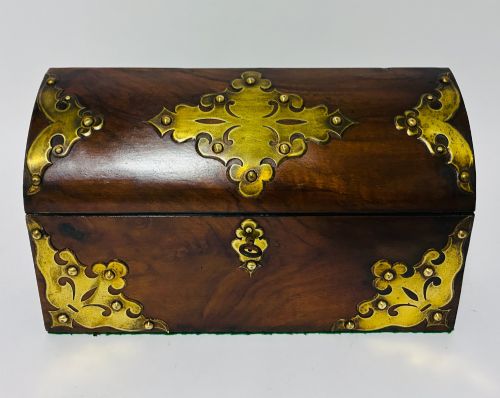
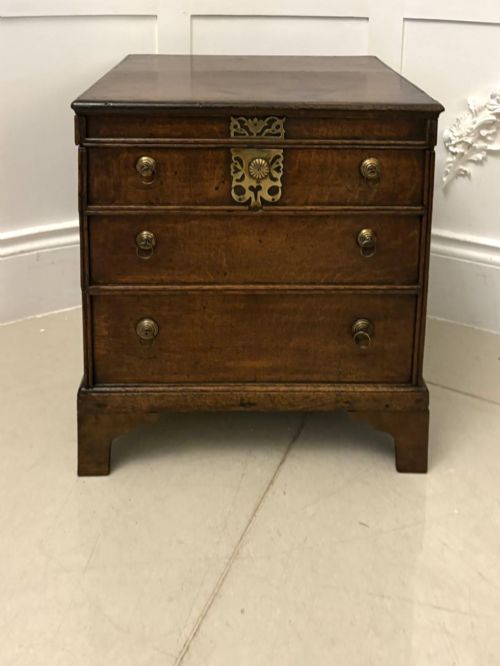
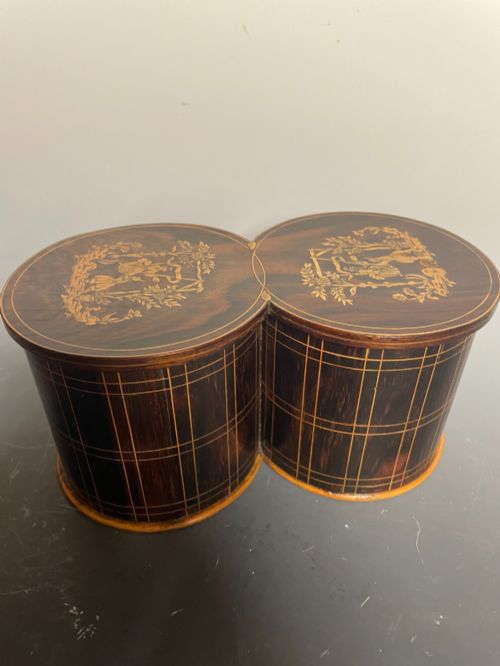
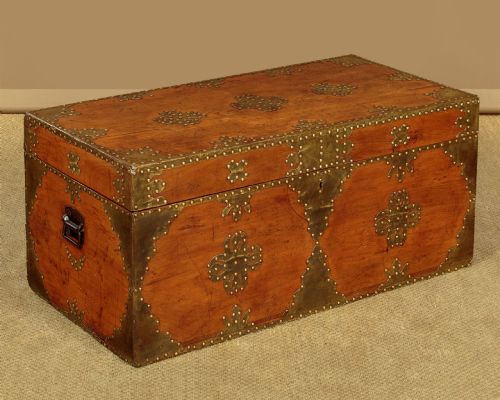
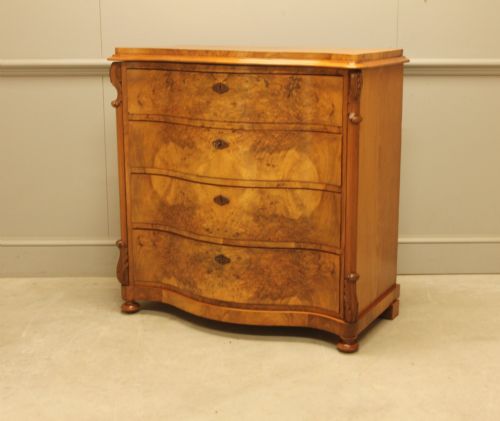
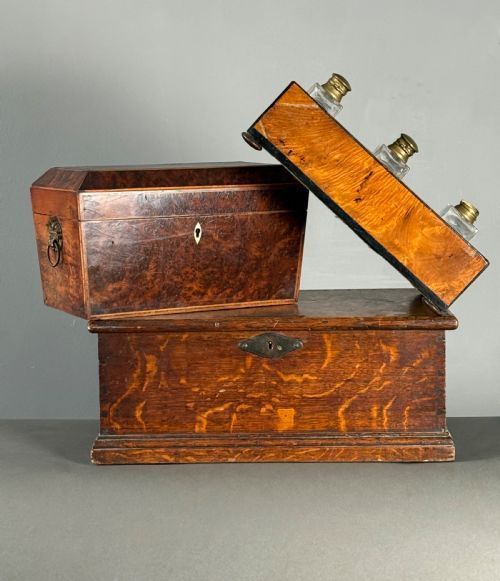
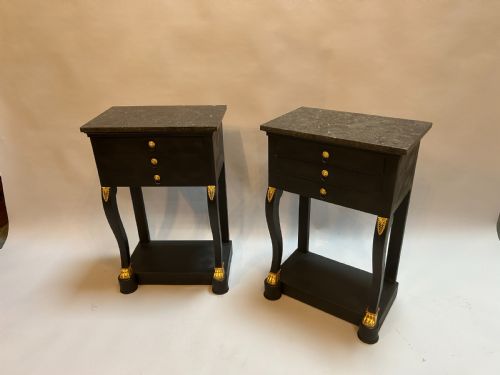
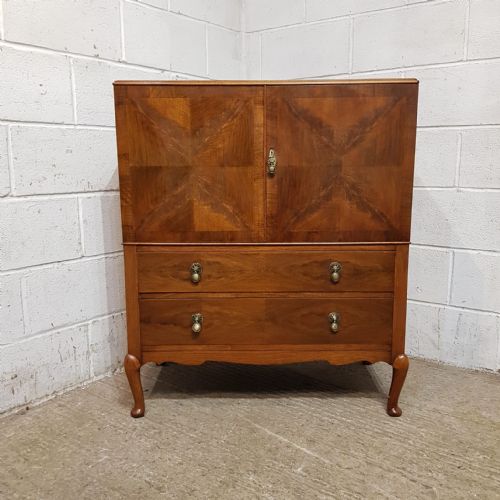
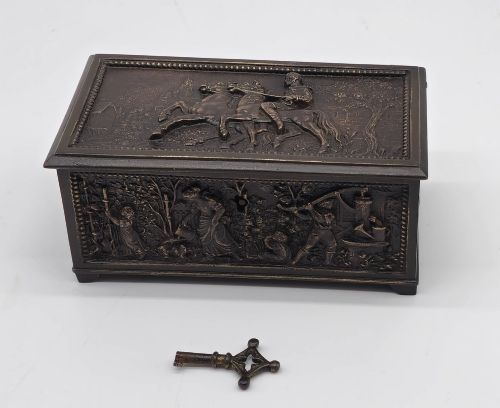
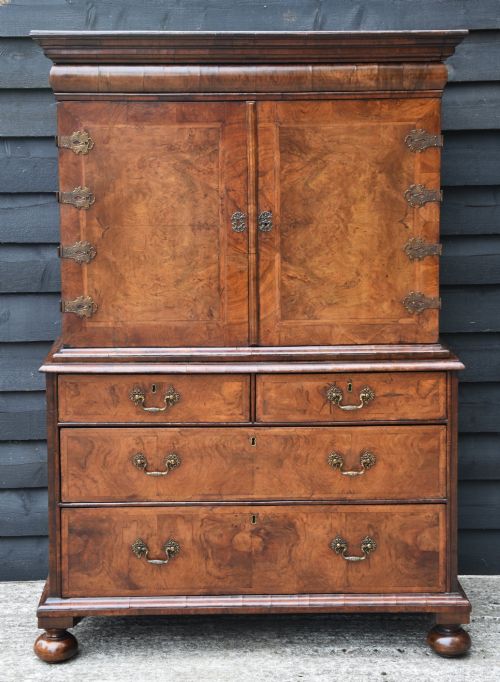
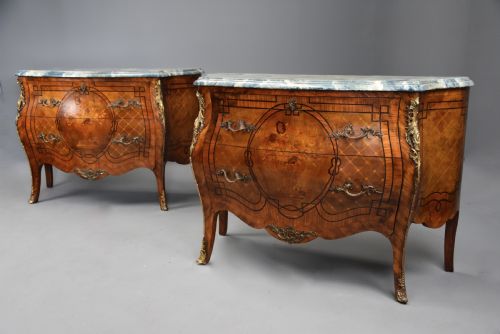
An antique decorative chest encompasses a diverse group of receptacles, ranging from tea caddies and small trinket boxes to large wooden trunks, commodes, and tallboys. These items serve both functional storage needs and ornamental display, drawing on centuries of global design traditions.
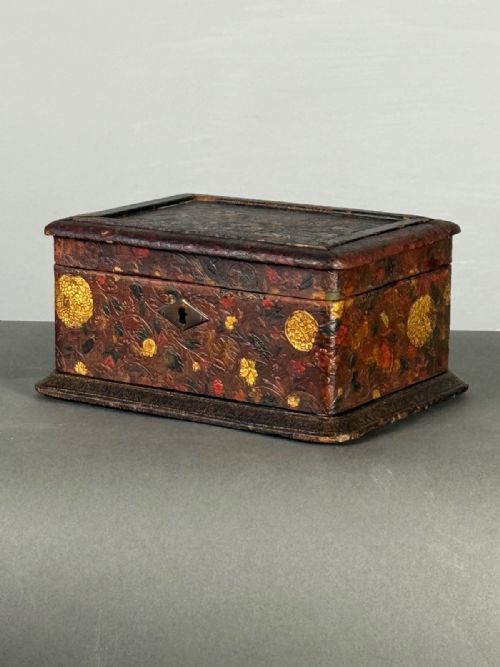
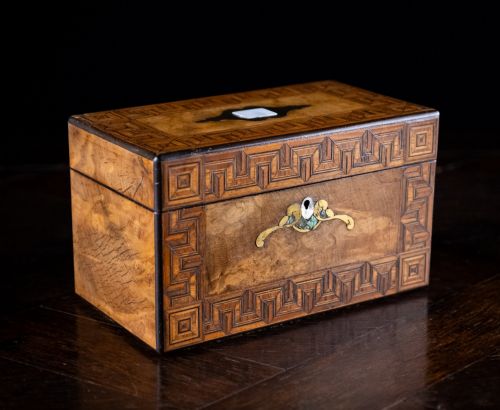
Buyers will encounter pieces spanning from the seventeenth century through to the early twentieth century, with strong representation from the Georgian, Victorian, and Regency periods. Forms include serpentine chests of drawers, parquetry boxes, and lacquered cupboards.
Origins vary widely across these listings, featuring English, French, Dutch, Middle Eastern, Chinese, and Indian craftsmanship. Each region contributes distinct construction methods and decorative vocabularies to the category.
How they were made
Timber selection defines the construction of these pieces, with cabinetmakers utilising walnut, burr walnut, mahogany, rosewood, oak, and pine. Exotic materials such as padouk, kingwood, and huanghuali appear alongside native British woods.
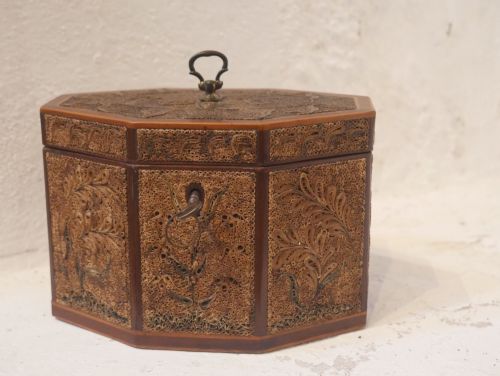
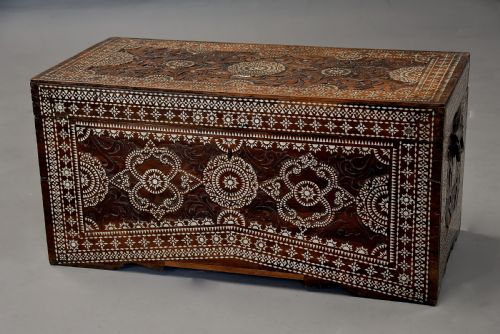
Surface decoration relies on skilled joinery and applied art, incorporating brass inlay, parquetry, mother of pearl, bone, and tortoise shell. Lacquering, paper scrollwork, and hand-painted polychrome designs further elevate the exterior finishes.
Listings feature woods including burr walnut, rosewood, padouk, kingwood, and huanghuali across pieces dating from the seventeenth to the twentieth century.
What varies in quality
The precision of the cabinetwork and the integration of decorative elements dictate the standing of an individual piece. Finer examples display meticulous alignment in parquetry patterns and secure setting of inlay materials like brass and mother of pearl.
The survival of original fitted interiors, internal glass mixing bowls, and working locks distinguishes superior items from altered or incomplete ones. Consistency in the ageing of wood and lacquer surfaces points to integrity of manufacture.
SUSSE FRERES PARIS·Tahan of Paris
The Antique Decorative Chest Glossary
- Parquetry
- Geometric patterns formed by small pieces of wood fitted together on a surface. This technique showcases the precision of the maker.
- Tea caddy
- A small box designed to store loose tea leaves securely. These containers often feature internal compartments and glass mixing bowls.
- Chinoiserie
- European decorative style inspired by Chinese artistic traditions. It frequently employs lacquered finishes and gilt motifs.
- Bombé
- A swelling, convex shape characteristic of certain drawer fronts and commodes. This contour requires advanced woodworking skill to execute properly.
- Tunbridge ware
- Small wooden objects decorated with intricate mosaics made from many tiny pieces of naturally coloured wood. The technique originated in Kent.
Antique Decorative Chest: Frequently Asked Questions
What was a tea caddy used for?
Tea caddies stored valuable tea leaves when tea was an expensive commodity in British households. They typically included lockable lids to prevent servants or guests from taking the contents.
Inside, divided compartments kept different varieties of tea separate, often accompanied by a central glass bowl for blending leaves or sugar.
How do I identify a Georgian chest?
Georgian pieces generally exhibit classical proportions, solid timber construction, and restrained decorative carving. Mahogany and walnut are common materials from this era.
Details such as bracket feet, cockbeaded drawer edges, and original brass pull handles help confirm the period of manufacture.
Where should I place a decorative trunk?
These trunks work well as functional coffee tables in a living room or as blanket storage at the foot of a bed. Their decorative exteriors allow them to serve as focal points in hallways.
Keep wooden and lacquered pieces away from direct sunlight and strong heat sources to protect the finish and prevent timber splitting.
What is Chinoiserie furniture?
Chinoiserie items reflect European interpretations of Asian design motifs popular during the eighteenth and early twentieth centuries. They feature painted or lacquered scenes depicting landscapes, figures, and pavilions.
Black and coloured lacquer grounds with raised gilt details are characteristic of pieces executed in this decorative style.