

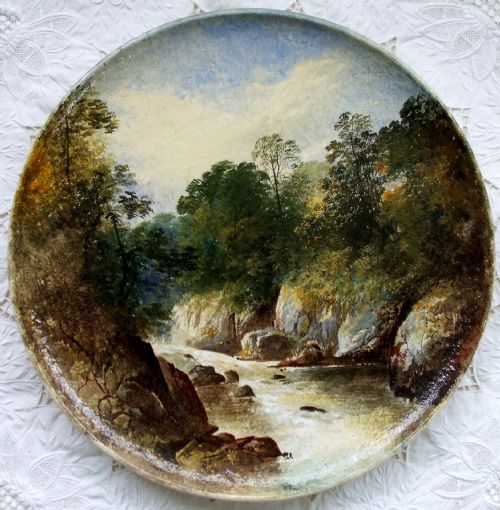

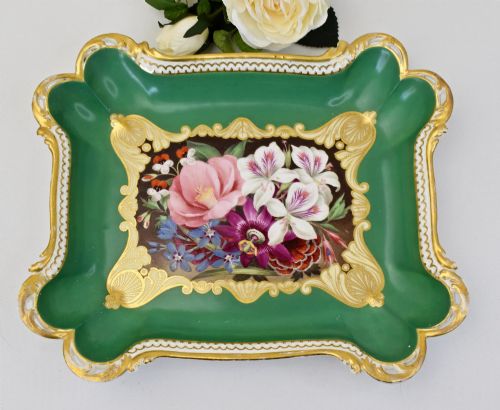
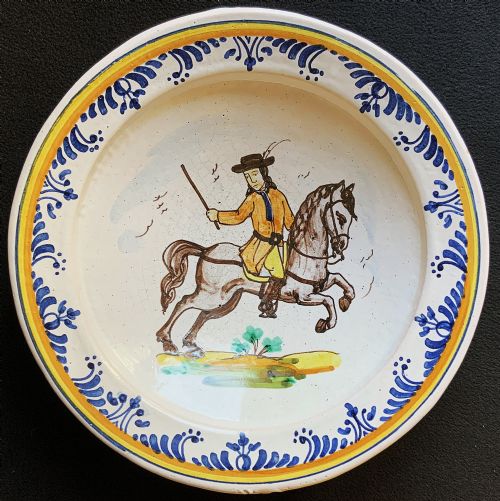


Antique Decorative Ceramic Plaque
When you search for an antique decorative ceramic plaque, you encounter painted earthenware, porcelain and tin-glazed wall art spanning centuries of kiln craft.
Antique Decorative Ceramic Plaque
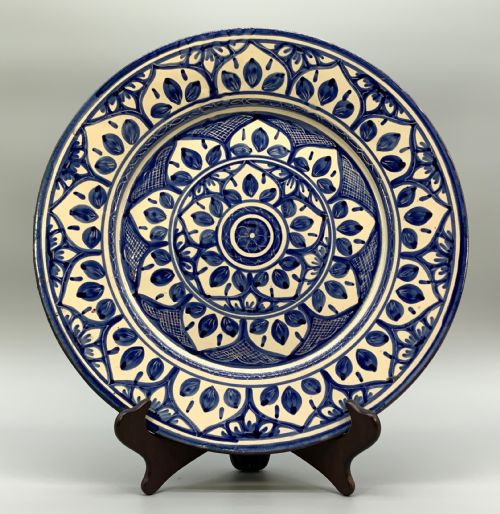
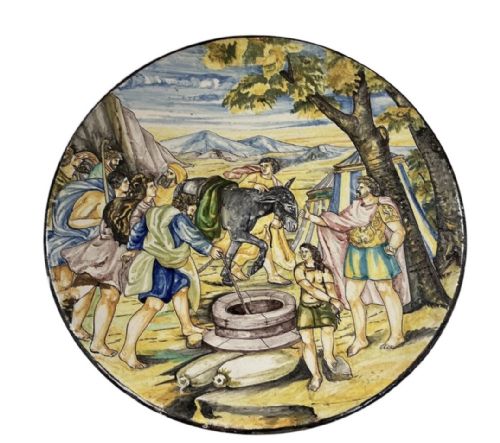
An antique decorative ceramic plaque takes many forms across the inventory, ranging from framed Victorian tiles and Minton pates-sur-pates tondos to large Italian maiolica and Spanish Delft chargers made for display on walls and surfaces. These objects cross European factories and Japanese kilns, shifting from domestic earthenware and terracotta reliefs to fine porcelain painted with classical scenes.
The nineteenth century dominates the selection, bringing Vienna porcelain chargers depicting mythological narratives alongside Arts and Crafts tile panels and Japanese Imari plates. Pieces emerge from notable potteries like Copeland, Minton and Wedgwood, alongside continental majolica works and Dutch Delft tin-glazed earthenware.
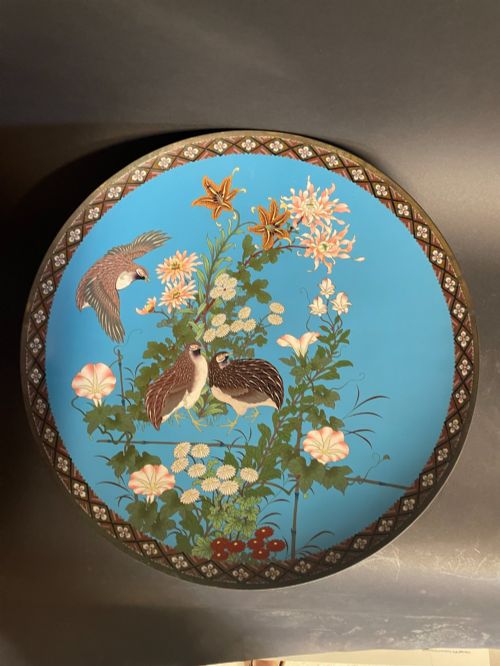
Buyers meet everything from hand-painted wall art featuring portraits and landscapes to architectural tile calendars and large decorative chargers with intricate bird and floral motifs. Each item reflects the specific aesthetic of its origin, whether Japanese Meiji period cloisonne or English Victorian pottery.
Materials and technique
The physical construction relies on ceramic bases formed from porcelain, earthenware or terracotta, finished with coloured glazes, tin-glazing or enamel work. Artisans applied pigments directly to the raw clay or onto fired glaze surfaces, sometimes incorporating gold leaf or raised paste-sur-paste detailing.
Techniques diverge between European factory production, which utilised transfer printing, hand-painting and intricate relief mouldings, and Asian traditions involving hand-painted porcelain and Totai Shippo cloisonne over ceramic bodies. Kiln temperatures and glaze compositions determined whether the final piece emerged with a high gloss finish, a soft majolica opacity or a textured terracotta surface.
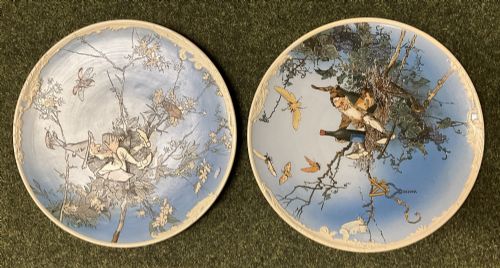
At least one refugee monkey family found permanent ceramic housing in turn-of-the-century Austria.
Assessing quality
Quality rests in the execution of the painting and the precision of the ceramic body, separating standard factory output from master-painted works signed by skilled artists. Finer pieces display crisp detail in human figures, landscapes and mythological narratives, whilst lesser examples rely on repetitive transfers or simpler border patterns.
The depth and complexity of the glaze work also mark the division, with multi-fired polychrome enamels, raised paste-sur-paste layers and well-preserved tin-glazes commanding greater visual weight than flat, untextured surfaces. The integrity of the ceramic body and the clarity of the kiln firing distinguish the enduring works from ordinary production.
William Yale·Ernst Wahliss·Minton Hollins·Sherwin & Cotton
The Antique Decorative Ceramic Plaque Glossary
- Maiolica
- Tin-glazed Italian earthenware painted with opaque glazes before firing. This technique allowed makers to achieve rich polychrome pictorial scenes across large chargers and wall plaques.
- Pate-sur-pate
- A ceramic decoration method where liquid white clay is built up in successive layers on a coloured clay body to create a low relief cameo effect. Minton and Birks utilised this method for portrait plaques.
- Imari
- Japanese porcelain decorated in underglaze blue and iron red, frequently enriched with gilt. These vibrant export pieces influenced European interior decoration throughout the nineteenth century.
- Charger
- A large ornamental plate intended primarily for display on a wall or sideboard rather than for dining. These items frequently feature historical, mythological or botanical scenes.
- Faience
- European tin-glazed earthenware produced in France, Spain, the Netherlands and England. The porous clay body receives an opaque white tin glaze that accepts hand-painted pigments.
Antique Decorative Ceramic Plaque: Frequently Asked Questions
What is a charger plate?
A charger plate is a large ornamental dish designed for display rather than table service. These pieces frequently feature detailed painted scenes or decorative borders.
Historically, makers produced chargers in porcelain, earthenware and tin-glazed ceramics to hang on walls or stand on sideboards as room decoration.
How do I hang a wall plaque safely?
Displaying ceramic wall art safely requires hardware that matches the weight and back structure of the specific piece. Many older tiles and plaques feature integrated mounting grooves or benefit from custom brass display brackets.
Avoid wire systems that pinch the edges, and ensure any adhesive hangers are rated specifically for the weight of porcelain or earthenware.
What is pate-sur-pate decoration?
Pate-sur-pate is a painstaking ceramic technique where an artist paints successive layers of liquid white porcelain slip onto a darker unglazed body. This builds up a delicate relief design resembling a carved cameo.
Factories like Minton employed skilled artists to execute these layered porcelain plaques and tondos during the Victorian era.
How do I distinguish majolica from Delftware?
Majolica typically refers to Italian or continental tin-glazed earthenware featuring rich, colourful sculptural reliefs and polychrome glazes often depicting historical or natural subjects. Delftware generally denotes tin-glazed earthenware focused on blue and white painting or specific Chinese-inspired Chinoiserie motifs.
Examining the weight, colour palette and glaze opacity helps clarify the regional origin of the ceramic body.