
Antique Decorative Art Pottery
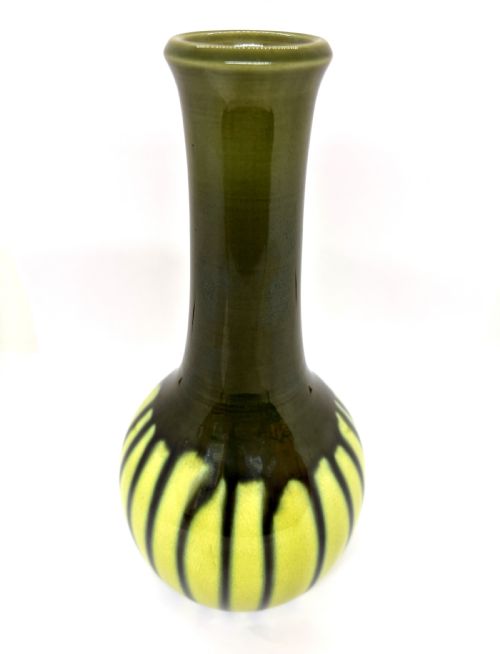
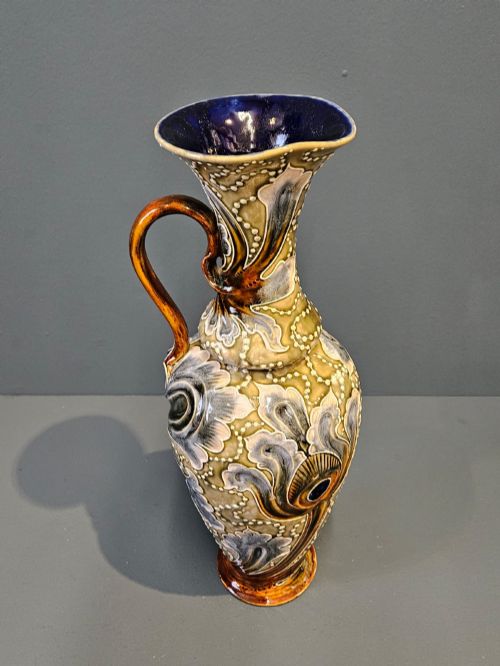
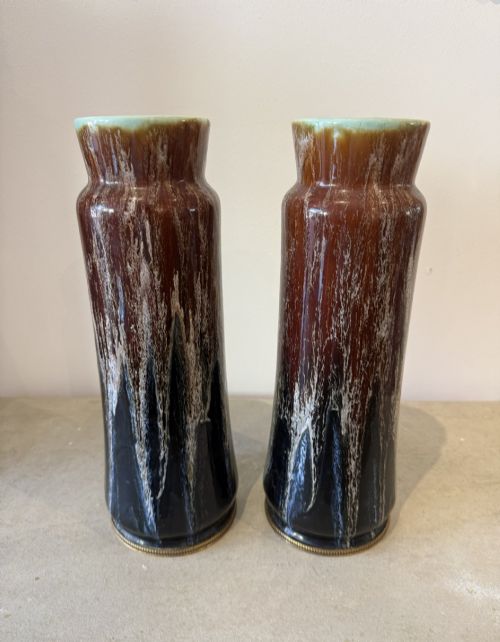
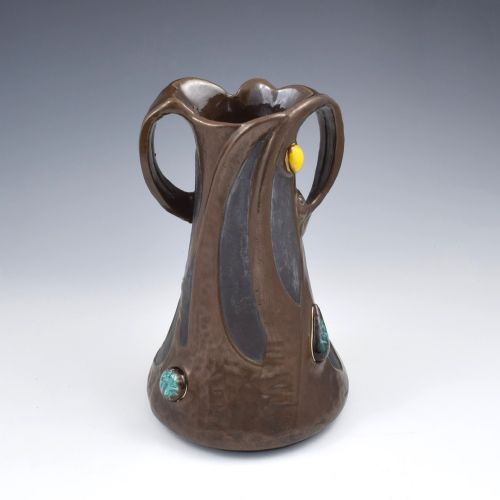
Antique decorative art pottery brings expressive form and rich surface glaze from the Victorian, Edwardian and early twentieth century into modern spaces.
Antique Decorative Art Pottery
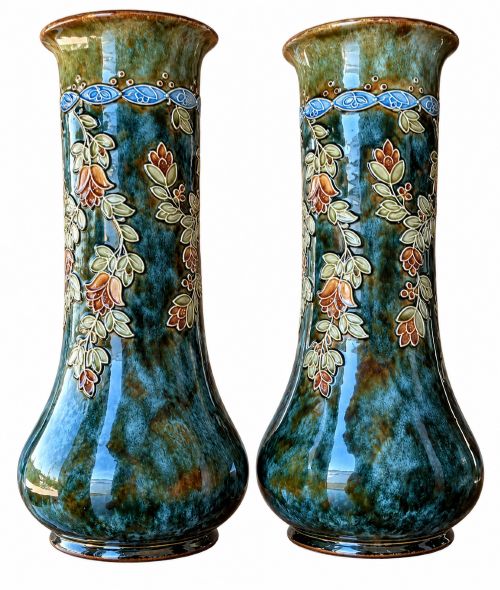
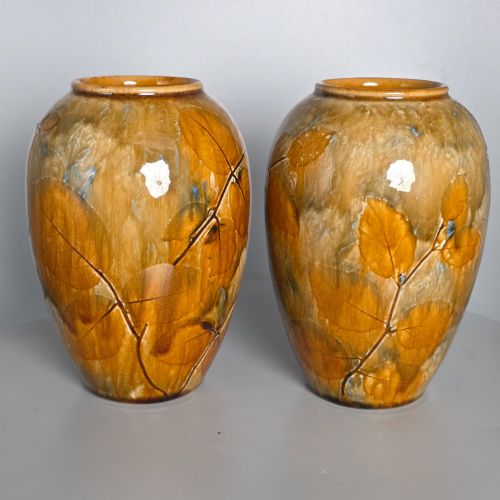
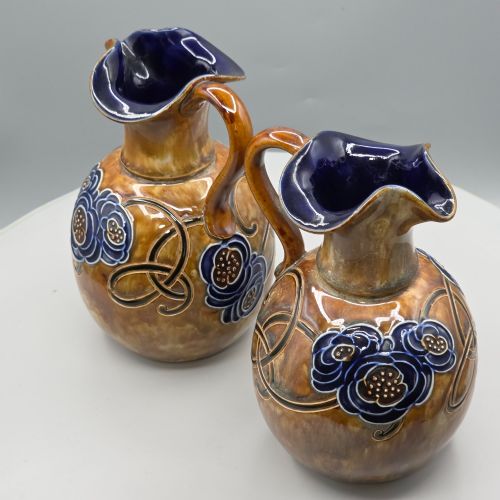
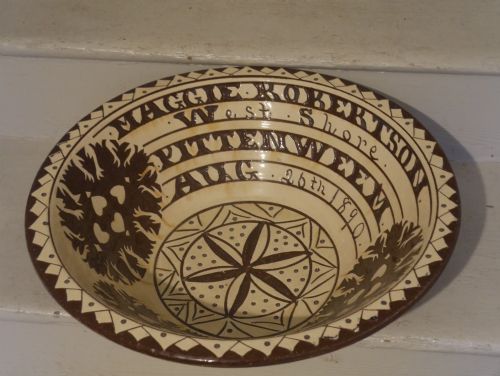
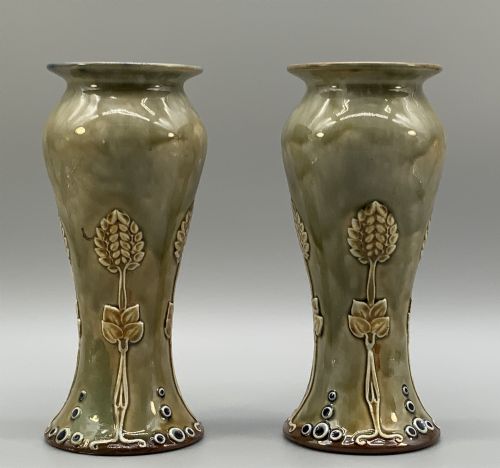
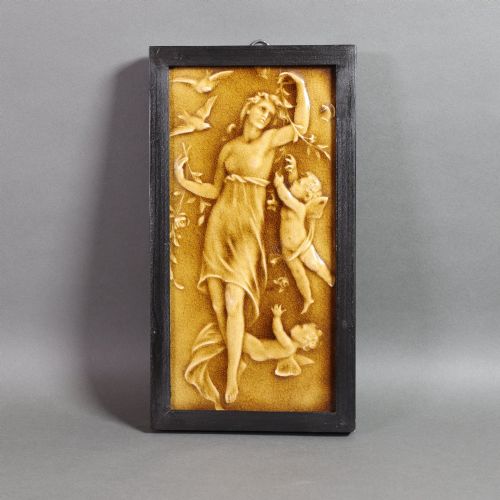
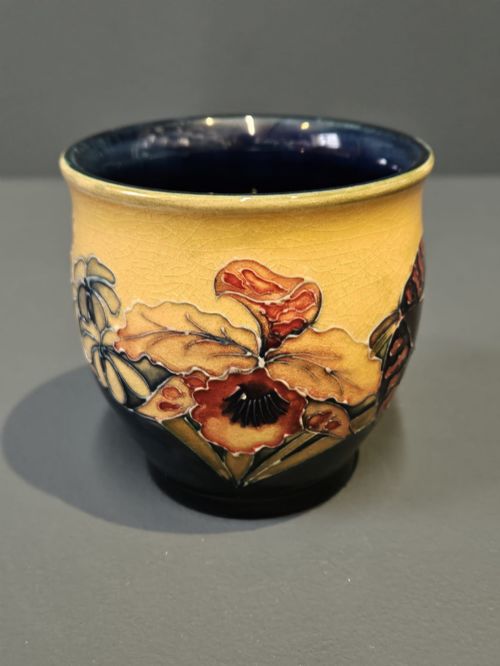
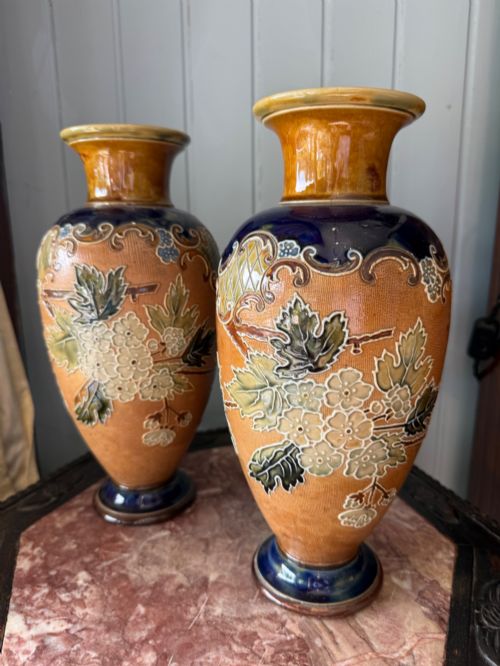
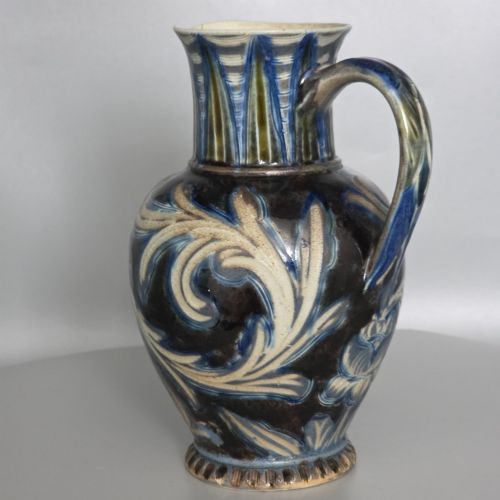
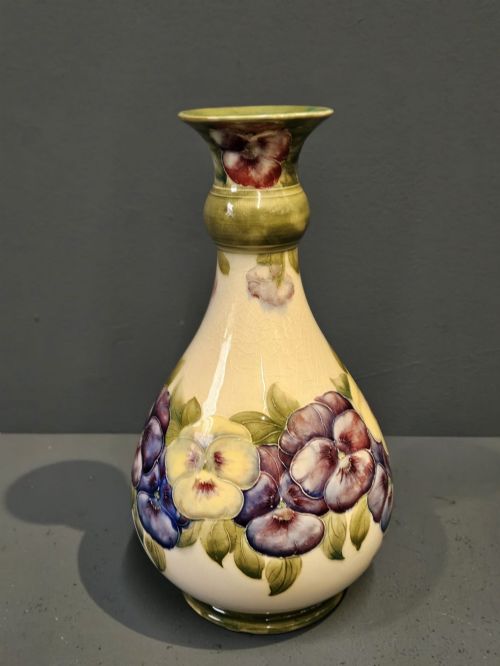
When searching for antique decorative art pottery, collectors encounter vessels, wall plaques and figures made during periods spanning the nineteenth century through the 1930s. The most common forms on this page include vases, decorative bowls and jugs produced by prominent British and continental potteries.
Pieces reflect distinct design movements such as Art Nouveau, Art Deco and the Arts and Crafts style. Origins range from English potteries like Doulton and Wedgwood to French faience and Japanese Satsuma wares.
Forms serve purely decorative functions, displayed on tables, mantels and walls. Buyers select these items to introduce period craftsmanship and distinct colour palettes into interiors.
How They Were Made
Potters shaped earthenware, stoneware and porcelain bodies by hand or using moulds before applying complex glazes. Techniques involved high-temperature firing to achieve durable ceramic surfaces.
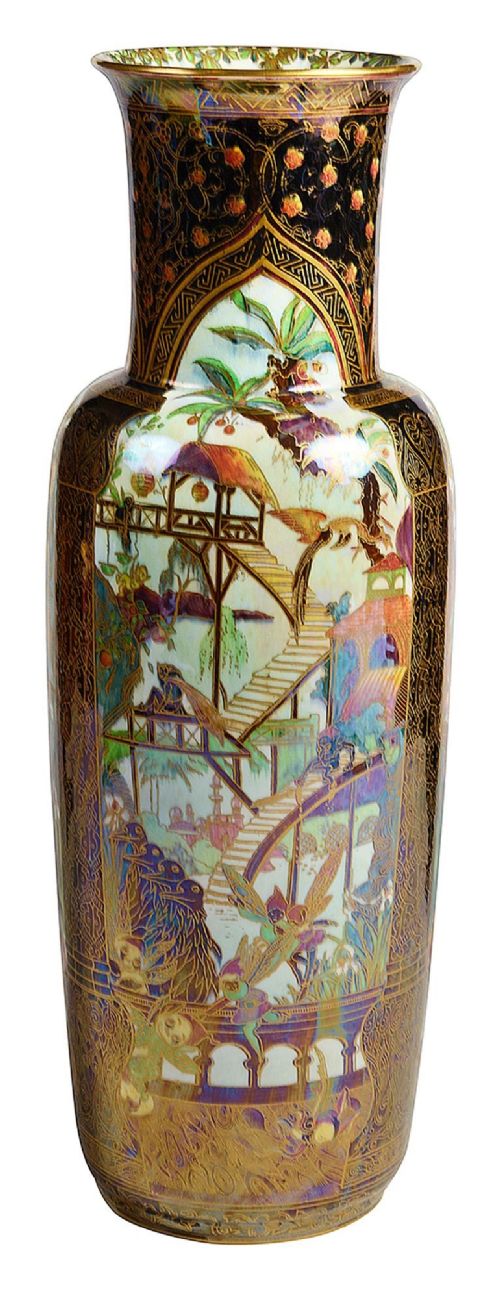
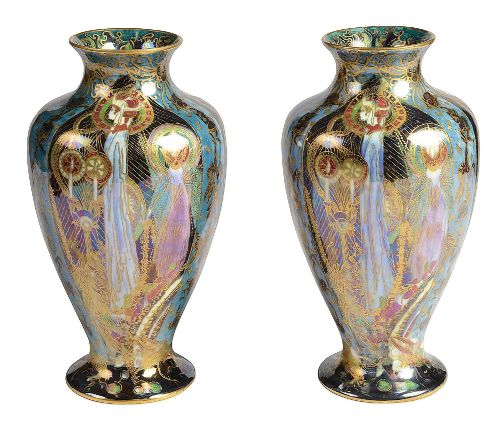
Surface decoration frequently combined hand painting with enamelling, gilding and applied elements such as jewelled cabochons or gold leaf. Specialised studios utilised slip trailing and intarsio faience methods to build texture and depth.
Kiln conditions and glaze chemistry dictated the final coloration, producing lustrous finishes and distinct metallic effects unique to each workshop.
Ceramic parrots and sleepy deities keep quiet vigil over these shelves.
What Varies in Quality
Quality rests upon the execution of the design and the sophistication of the glaze chemistry. Hand-painted examples demonstrate greater artistic control and individuality compared to simpler production pieces.
The reputation of the designer or decorator influences the standing of an object, alongside the technical ambition shown in the firing and surface ornamentation. Pieces signed by known artists or originating from celebrated potteries command higher regard.
Subtlety in modelling and precision in finishing separate standard commercial items from exceptional works.
Royal Doulton·Wedgwood·Moorcroft·Burmantoft s Pottery·Boch Freres·Goldscheider·Mettlach Pottery·Minton
The Antique Decorative Art Pottery Glossary
- Earthenware
- Porous pottery fired at lower temperatures, typically requiring a glaze to hold liquids. It forms the base for many traditional decorative plates and bowls.
- Stoneware
- Dense, impermeable ceramic fired at high temperatures until vitrified. This material resists moisture and supports heavy surface ornamentation.
- Faience
- Tin-glazed earthenware decorated with painted colours. Makers utilised this technique across European workshops to achieve bright, opaque surfaces.
- Lustre
- Metallic glaze technique creating an iridescent sheen. Potters applied this finish to catch the light and add depth to ceramic surfaces.
- Baluster
- Architectural vase shape featuring a rounded body tapering to a narrow neck. This profile provides stability and a balanced display surface.
Antique Decorative Art Pottery: Frequently Asked Questions
How do I clean antique art pottery?
Dust surfaces gently with a soft, dry cloth to prevent accumulation. Avoid abrasive cleaners and immersion in water, particularly for pieces with delicate gold leaf or enamel.
Display items away from direct sunlight to protect painted colours and glazes from fading over time.
What periods do these ceramics cover?
The selection spans the nineteenth century through the Edwardian era and into the 1930s. Styles shift from ornate Victorian designs to flowing Art Nouveau lines and geometric Art Deco forms.
Manufacturing origins include British, French, German and Japanese workshops operating during these decades.
How can I tell Art Nouveau from Art Deco?
Art Nouveau pieces feature organic motifs inspired by nature, including flowing plant stems, flowers and semi-nude figures. Lines curve smoothly and mimic natural growth.
Art Deco designs favour straight lines, symmetry and stylized geometric patterns reflecting twentieth-century industrial modernity.
Were these items meant for daily use?
Most objects served decorative roles within domestic interiors rather than practical functions. Vases held displays, while wall plaques and decorative plates hung as artwork.
Heavier stonewares and jardinieres accommodated plants or larger floral arrangements in period homes.