



Antique Davenport Cabinet
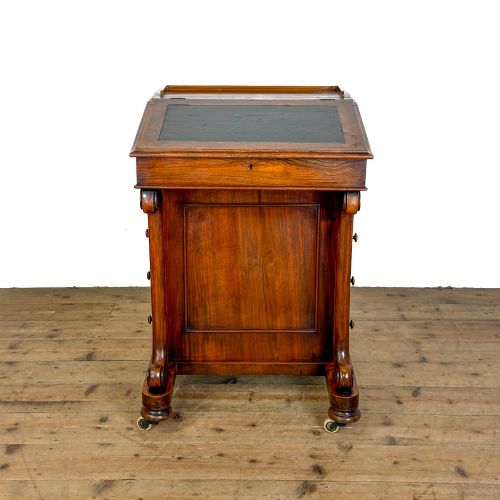
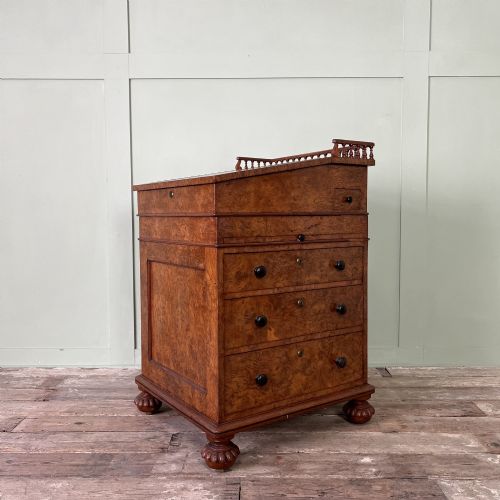
An antique davenport cabinet is a compact writing desk with a sloping lid and side drawers, offering a neat workspace and generous stationery storage.
Antique Davenport Cabinet
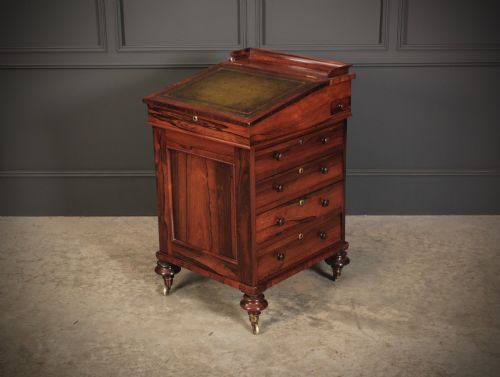
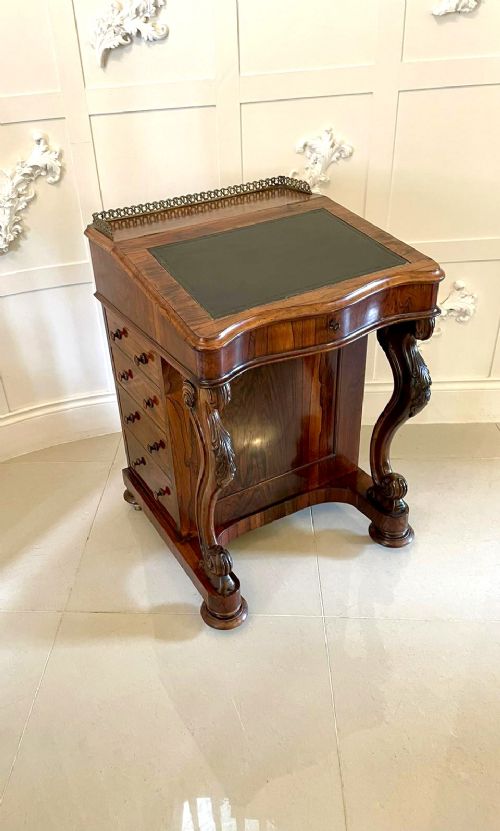
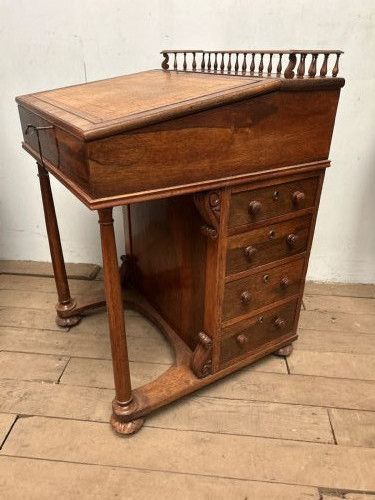
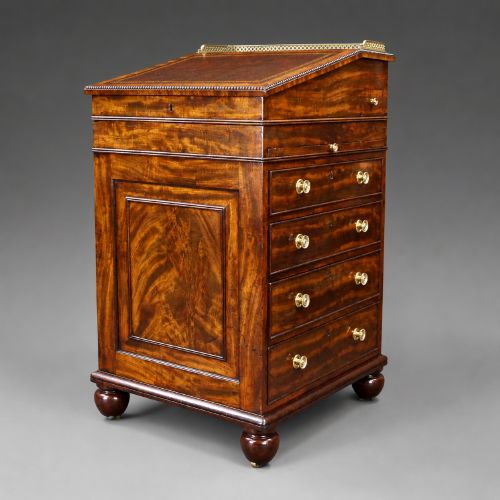
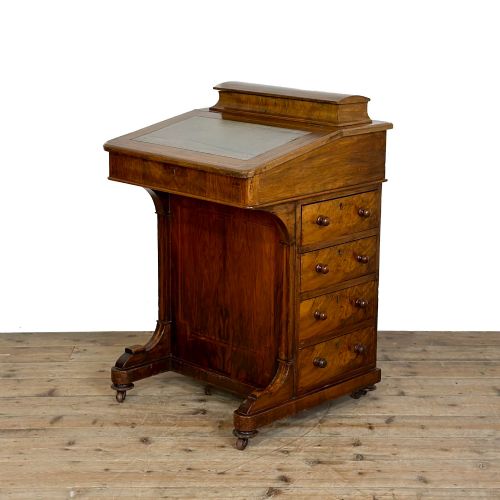
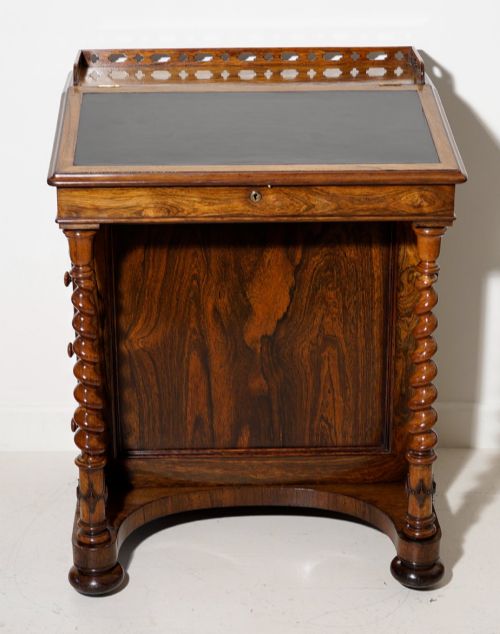
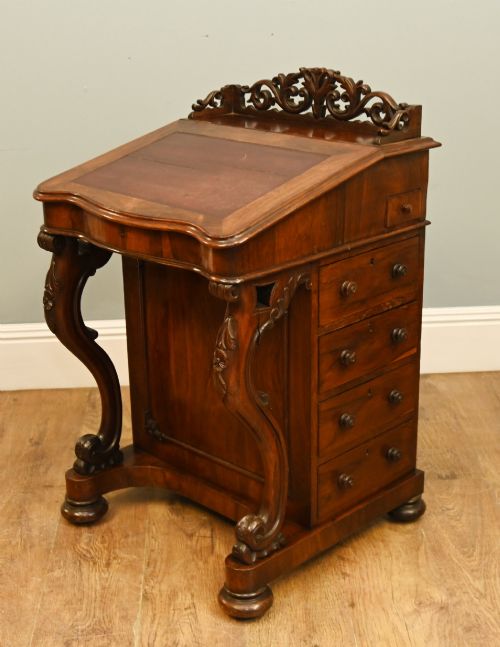
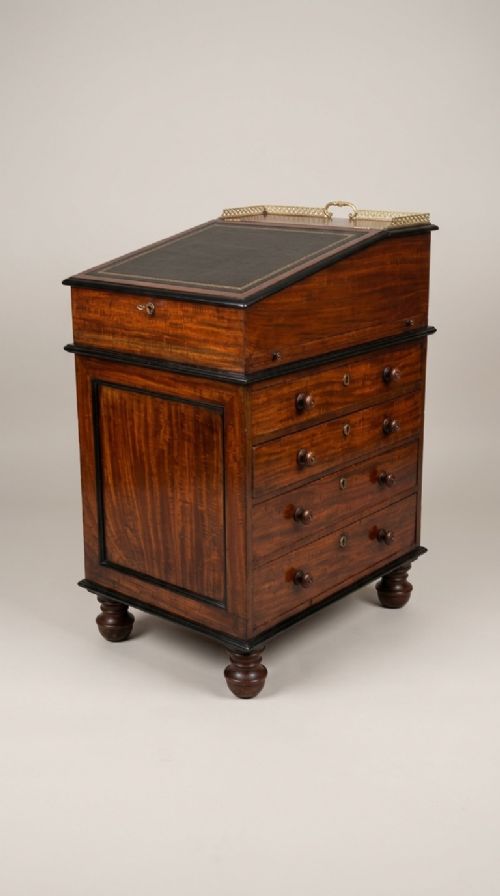
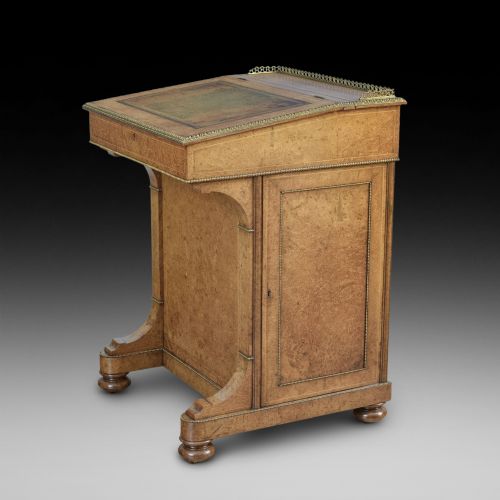
An antique davenport cabinet primarily appears on this page as a small writing desk originating from the Georgian, Regency, and Victorian periods. Most examples follow a traditional pedestal form, incorporating a sloped top for writing above a bank of drawers.
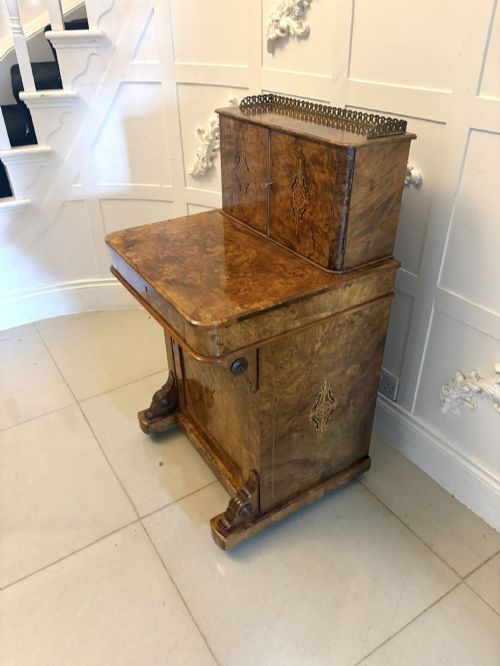
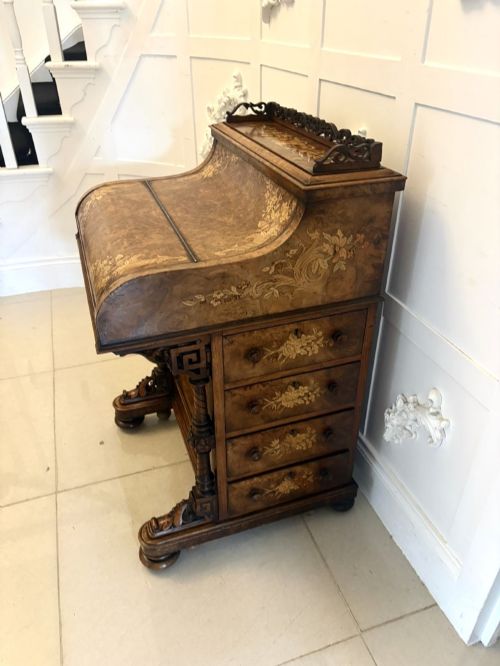
The selection also includes variations such as pop-up and sliding top models, alongside occasional ceramics like Imari pattern ironstone plates and teacups associated with the name Davenport. Buyers looking for the core furniture form will mostly encounter walnut, mahogany, and rosewood desks dating through the nineteenth century.
Beyond the standard writing desk, the evidence records related pieces such as music cabinet davenports and clerks desks. These variations showcase the adaptability of the form across different decades of the nineteenth century.
Materials and construction
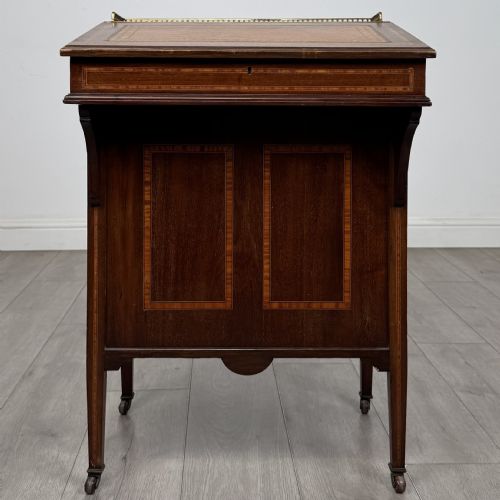
Cabinetmakers utilised dense timbers like mahogany, rosewood, and burr walnut, often highlighting the grain through figured veneers. Crossbanding, ebonising, and marquetry inlay frequently ornament the exterior surfaces.
Hardware details typically include brass mounts and brass paw feet, while writing surfaces are frequently inset with leather. Some specialised versions incorporate gold leaf decoration or elaborate carved elements such as Green Man motifs in oak.
Antique Davenport Cabinet Retail Price Guide 2026
Typical asking prices for davenport cabinet among the pieces listed under this phrase on Sellingantiques today, from the lower quarter to the upper quarter. They describe what is for sale here now, not the wider market.
Listings feature woods spanning mahogany, rosewood, burr walnut, pollard oak, and amboyna across the Georgian and Victorian eras.
The standard of craftsmanship
Simpler workshop productions rely on plain mahogany or standard walnut without the refined crossbanding or elaborate brass mountings found on top-tier examples. The sophistication of the internal stationery fittings and the crispness of any carved ornamentation also distinguish the finer items from standard Victorian production.
Gillows·Gillow and Co·John Davenport of Longport
The Antique Davenport Cabinet Glossary
- Burr walnut
- A highly figured timber veneer taken from the wart-like growths on walnut trees. It creates intricate, swirling grain patterns across the front of a cabinet.
- Crossbanding
- A strip of veneer laid around the border of a panel or drawer front with the grain running at right angles to the central wood. This technique creates a neat framing effect.
- Secretaire
- A desk or cabinet featuring a pull-down writing drawer that conceals internal pigeonholes and small compartments. It combines storage with a concealed writing surface.
- Marquetry
- The art of applying decorative pieces of veneer to a structure to form intricate floral or geometric designs. It appears on the surfaces of select nineteenth-century writing desks.
- Imari
- A style of ceramic decoration featuring distinctive rust-red, cobalt blue, and gilt motifs inspired by Japanese export porcelain. This pattern occurs on ironstone plates linked to specific potteries.
Antique Davenport Cabinet: Frequently Asked Questions
What is an antique davenport cabinet?
An antique davenport cabinet is a small writing desk developed in the late eighteenth and nineteenth centuries, featuring a sloped, hinged writing surface mounted over a pedestal of drawers. The design combines a compact footprint with practical interior storage for paper and ink.
Most versions include side drawers accessed from a seated position, occasionally paired with a sliding top or a pop-up stationery compartment. They served primarily as personal writing desks for drawing rooms or private chambers.
How were these desks used originally?
These desks were used for private correspondence, letter writing, and managing personal accounts in domestic settings. The sloping top provided a comfortable angle for handwriting while seated in a chair.
Internal compartments and small drawers kept stationery, pens, and sealing wax organised within arm's reach. Their compact size allowed them to sit comfortably in parlours or bedrooms without dominating the space.
How do I date a davenport cabinet?
Dating relies on stylistic shifts across the Georgian, Regency, and Victorian periods, supported by timber choices and construction methods. Earlier examples from the Georgian and Regency eras frequently feature straight-grained mahogany or rosewood with delicate proportions.
Mid-nineteenth-century Victorian pieces often showcase burr walnut veneers, elaborate marquetry, or mechanical pop-up stationery compartments. Cabinetmaker signatures or stamps can also provide a precise point of origin.
Where should I place a davenport?
Because many davenports feature finished backs and sides, they are well suited to freestanding placement in the centre of a room rather than pushed flat against a wall. Their compact proportions make them effective additions to studies, bedrooms, or reception rooms.
Positioning the desk near a natural light source helps illuminate the sloped writing surface and highlights the figured walnut or mahogany grain.