


Antique Dark Timber Chest
An antique dark timber chest brings centuries of practical storage and solid craftsmanship directly into a modern room.
Antique Dark Timber Chest
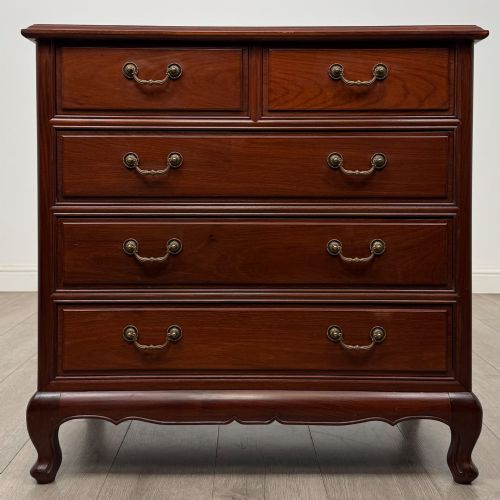
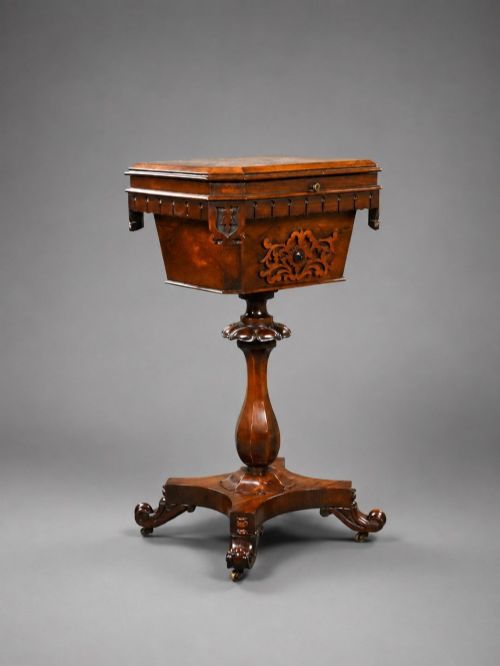
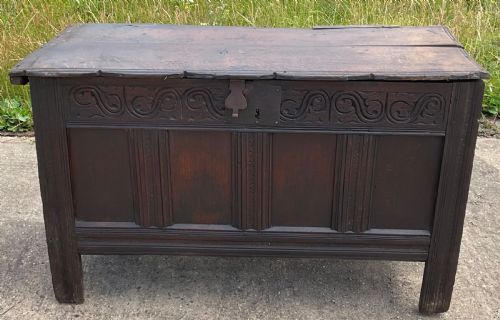
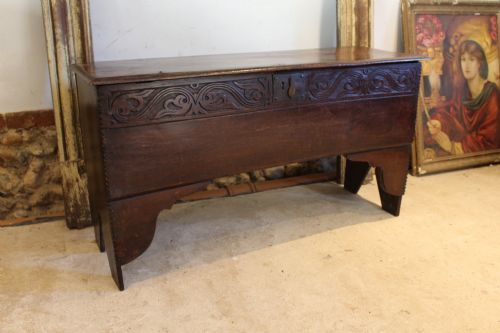
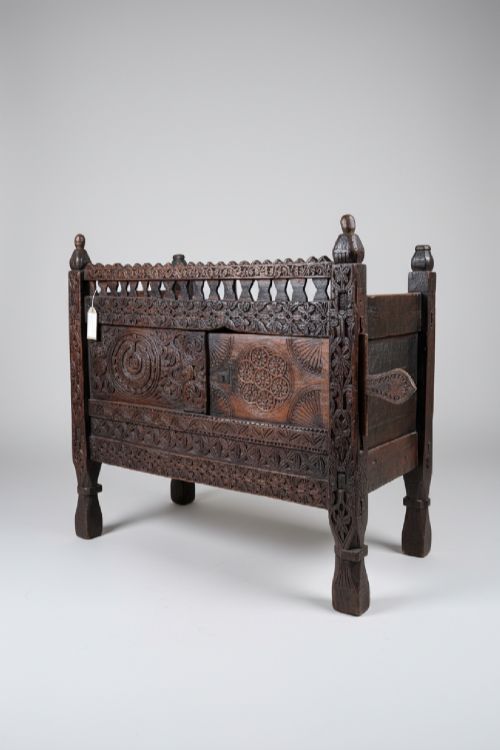
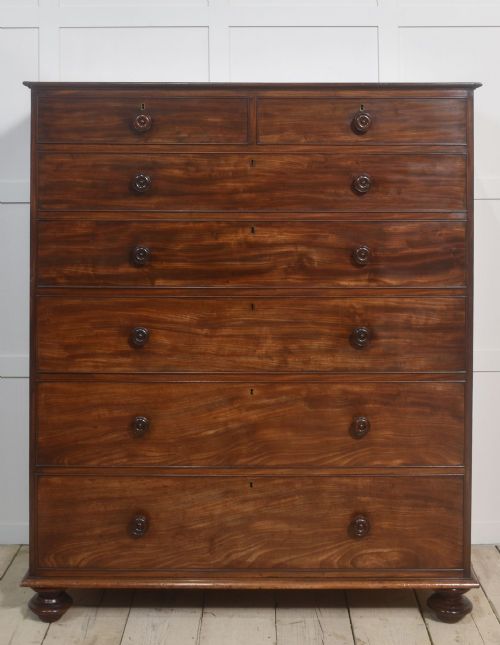
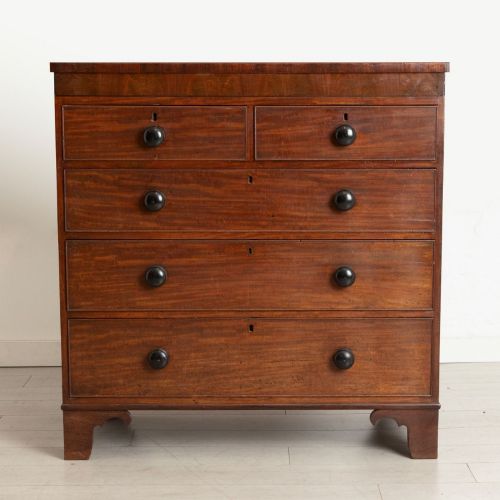
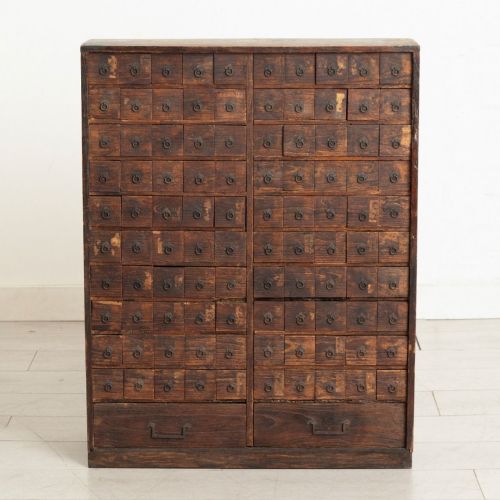
The selection extends across centuries, drawing on 17th-century vernacular pieces alongside Victorian drawers, Edwardian work boxes, and international forms like Japanese apothecary cabinets and Indian spice boxes. Oak and mahogany dominate the offerings, providing the dark, substantial tones characteristic of these functional storage pieces.
Origins vary widely across British, continental European, and Asian workshops, introducing regional construction methods from Welsh elm coffers to French walnut dough proofing boxes. Buyers most frequently encounter sturdy oak and mahogany examples intended for domestic linen, documents, or personal valuables.
Markers of Quality
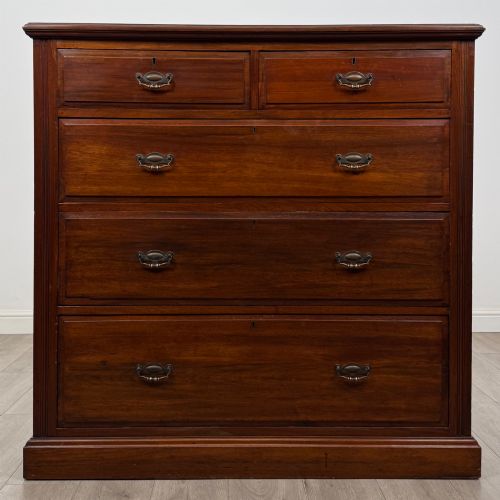
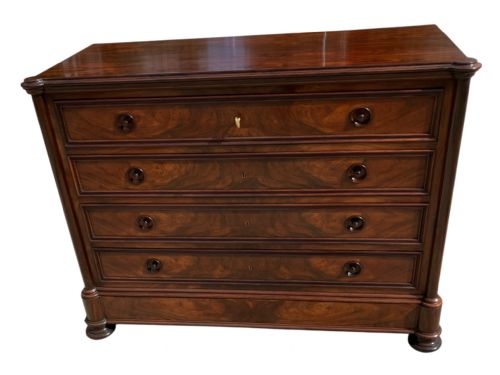
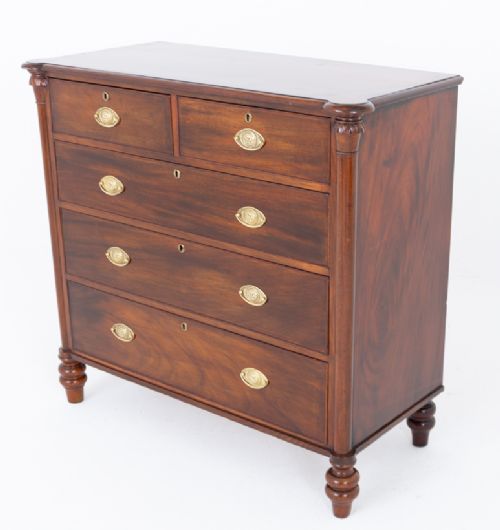
Quality reveals itself in the selection of timber quarters, the tightness of dovetail joints, and the integrity of the original hardware. Superior examples display thoughtful proportion, careful grain matching across drawer fronts, and minimal timber replacement over time.
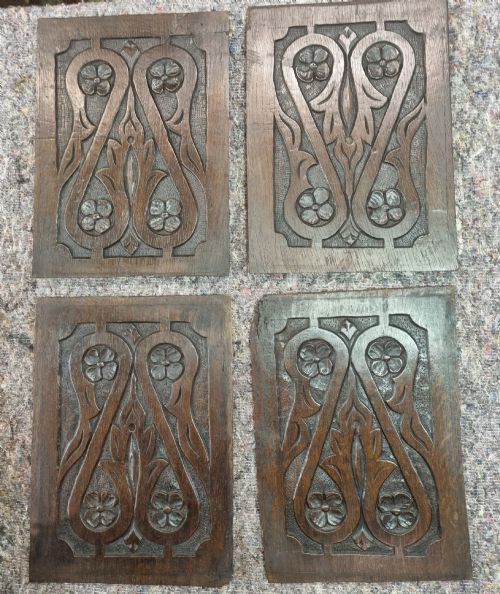
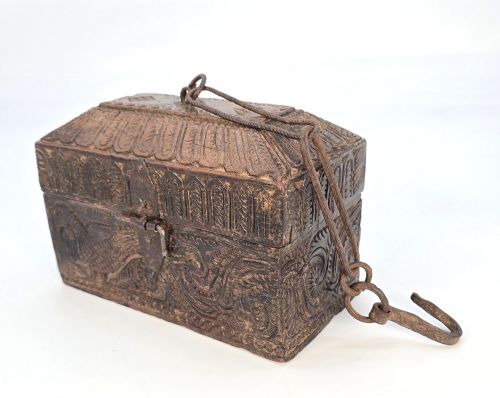
Vernacular pieces depend on the crispness of hand-carved panels and the stability of original plank construction, while formal pieces show refined edge moulding and polished secondary woods. The presence of untouched patination and original locks distinguishes pieces retaining their historic character from heavily restored alternatives.
Aviation history meets workshop utility in a tool box originating from the Gnome Et Le Rhone engine company.
C. Hindley
The Antique Dark Timber Chest Glossary
- Coffer
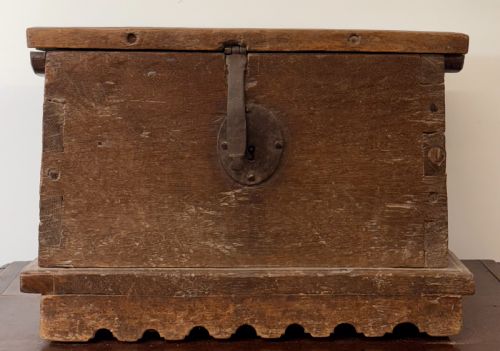
- A heavy wooden box with a hinged lid, traditionally used for storing valuables or household goods. Early examples often feature six-plank construction or joined panels.
- Mule chest
- A traditional storage chest featuring one or more drawers beneath the main lifting compartment. This form bridges the gap between the simple coffer and the modern chest of drawers.
- Dovetail
- A joint formed by interlocking wedge-shaped fingers, commonly used in drawer construction. Hand-cut dovetails indicate traditional craftsmanship and period authenticity.
- Tea caddy
- A small box designed to store loose tea leaves securely, often fitted with internal compartments. These items frequently utilise fine hardwoods like rosewood or mahogany.
- Escutcheon
- A protective metal plate surrounding a keyhole, usually fashioned from brass or iron. They serve both a practical reinforcement role and a decorative function.
Antique Dark Timber Chest: Frequently Asked Questions
How were these chests used historically?
These chests served primarily to store textiles, valuable documents, clothing, and household provisions securely. Lidded coffers held heavy blankets and linens in domestic chambers, while smaller caddies and boxes protected precious commodities.
Specialised forms like apothecary banks and spice boxes organised medical ingredients and culinary goods. Over time, many evolved into display pieces and primary bedroom storage furniture.
How do I care for an antique wooden chest?
Maintain these chests by placing them away from direct sunlight and sudden temperature fluctuations that cause timber to split. Apply a microcrystalline wax occasionally to nourish the grain and protect the historic surface finish.
Avoid using modern silicone-based polishes or harsh chemical cleaners that strip the original patination. Gentle dusting with a dry, soft cloth is sufficient for routine maintenance.
How do I date an antique chest?
Dating relies on examining construction methods, tool marks, timber choices, and hardware styles. Early pieces from the seventeenth century often feature hand-rived oak panels, pegged joints, and forged iron strap hinges.
Later eighteenth and nineteenth-century examples display machine-sawn elements, precise dovetailing, and brass drawer pulls. Comparing the secondary woods and construction quirks against known regional periods helps narrow the manufacture date.