
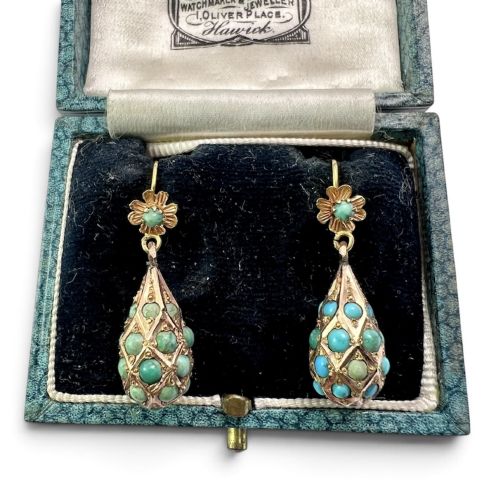
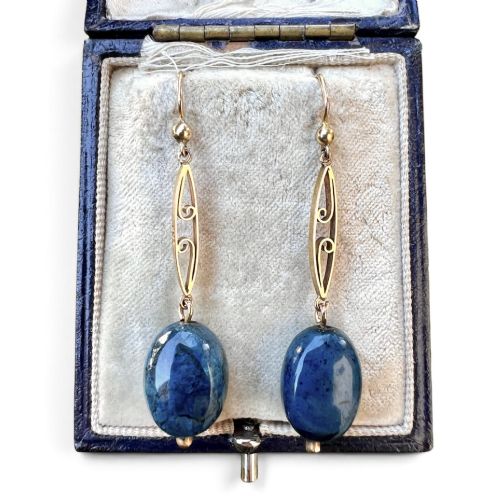
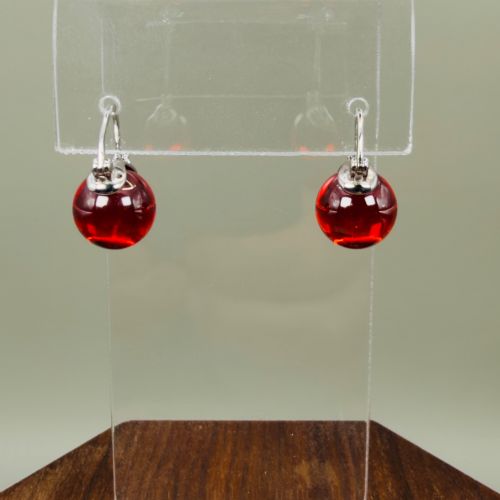
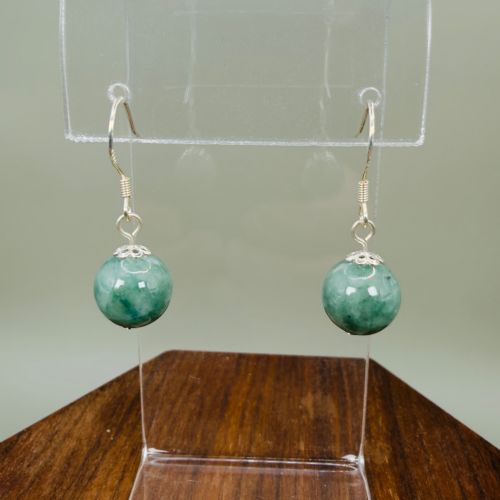
Antique Dangle Earrings
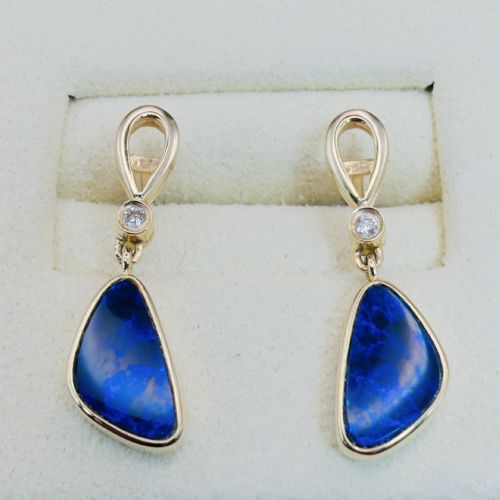
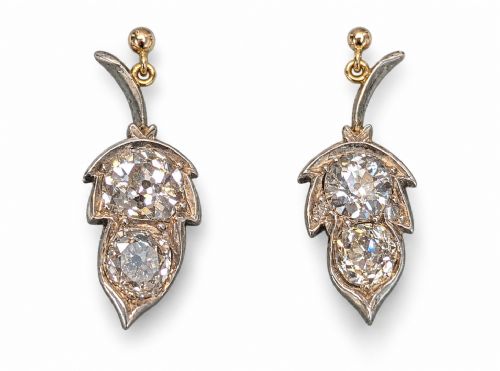
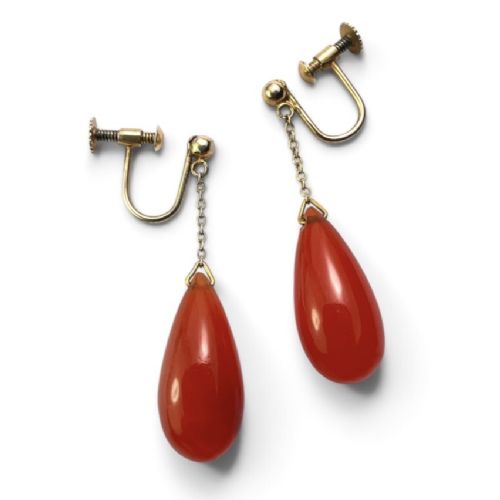
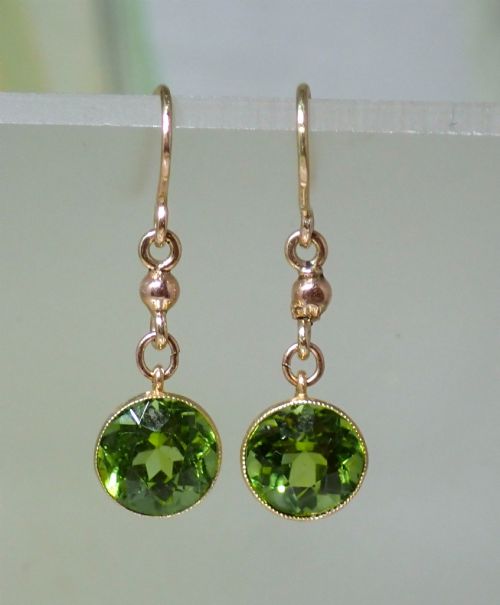
Antique dangle earrings move with the wearer, catching the light across periods from Victorian to Art Deco.

Antique Dangle Earrings
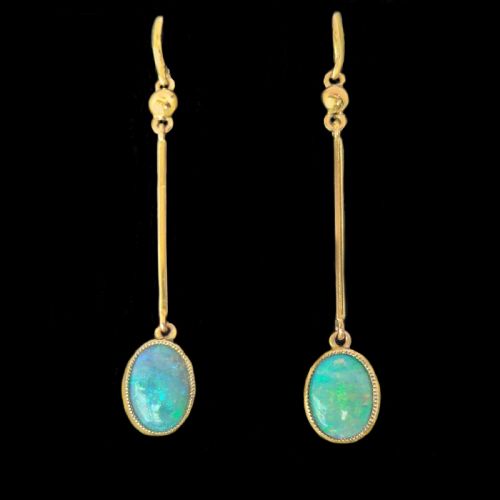
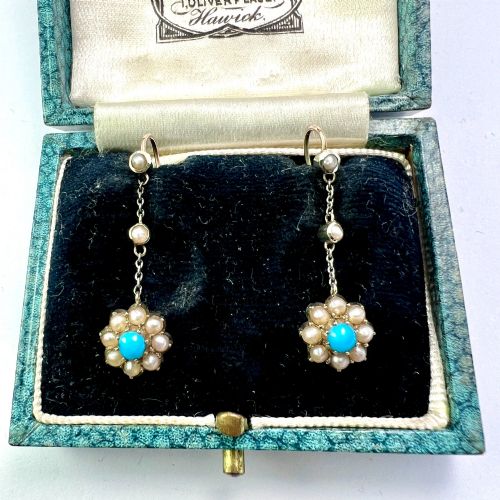
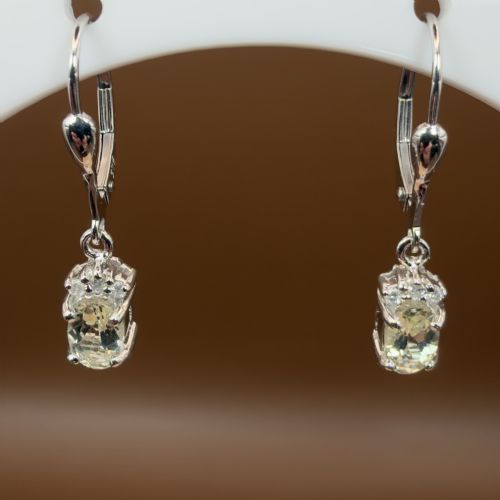
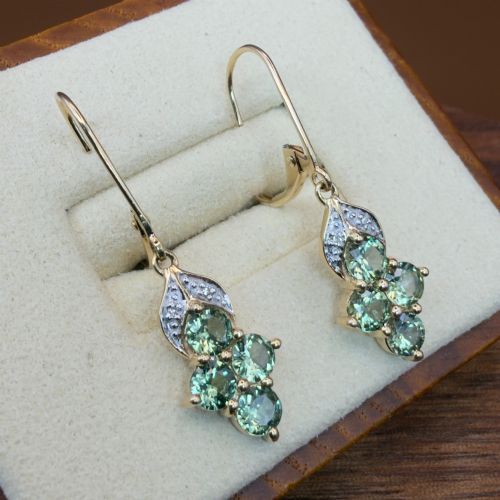
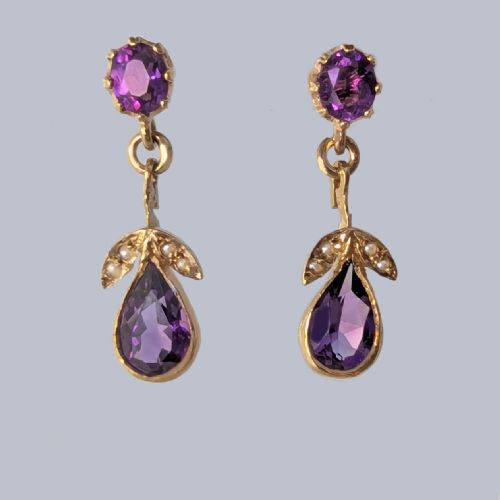
Antique dangle earrings span decades of personal adornment, taking forms from simple drops to articulated chandeliers. When exploring antique dangle earrings, buyers encounter pieces designed to sway beneath the earlobe, often secured with hook, hinge back, or screwback fasteners.
The selections available range widely in origin and era, featuring Victorian, Edwardian, and Art Deco aesthetics. These items incorporate drop configurations that highlight gems or carved motifs against precious metals.
How they were made
Jewellers constructed these drops using a combination of yellow gold, white gold, platinum, and sterling silver. Metals were drawn into wire, cast into floral or geometric shapes, and soldered to create articulated movement.
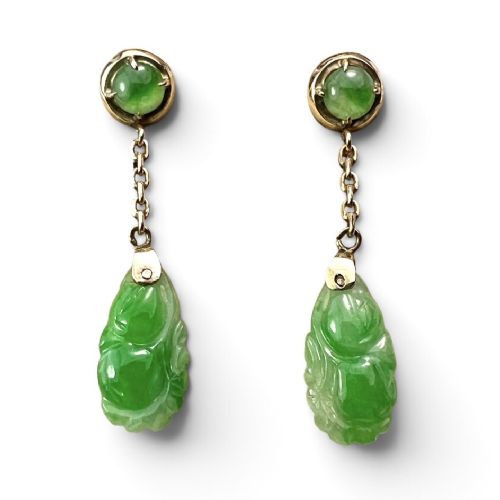
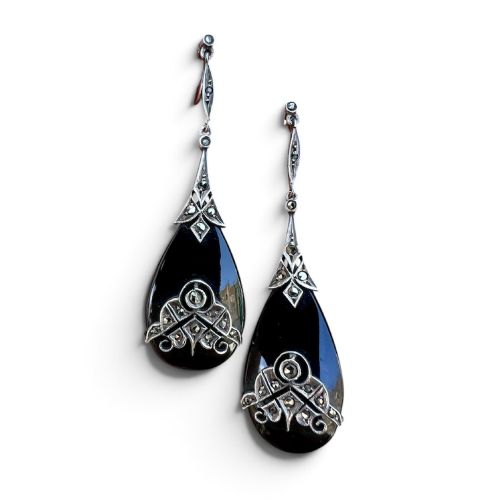
Gemstones such as diamonds, amethysts, jade, and pearls were set by hand using bezel, collet, or pave techniques. Pastes and marcasite were also utilised extensively during the Edwardian and Art Deco periods to add sparkle and texture.
Antique Dangle Earrings Retail Price Guide 2026
Typical asking prices for dangle earrings among the pieces listed under this phrase on Sellingantiques today, from the lower quarter to the upper quarter. They describe what is for sale here now, not the wider market.
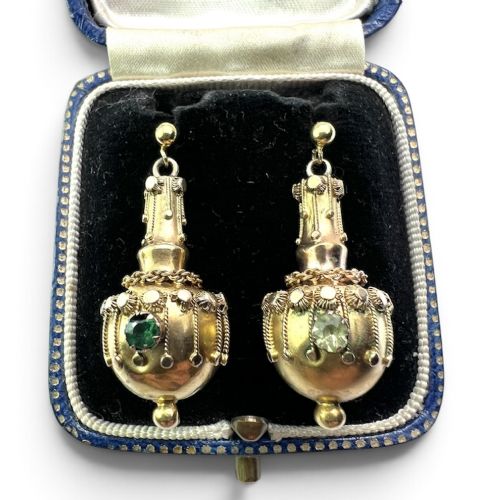
Snakes, swallows, and frogs populate the Victorian drop selection, proving past generations loved a crawling creature on their lobes.
What varies in quality
The standard of craftsmanship shows in the precision of stone-setting and the smoothness of articulated joints. Superior examples display balanced proportions, matched gemstones, and fine hand-carved details that remain crisp under magnification.
Materials dictate another tier of value, separating high-karat gold and platinum settings with certified old-cut diamonds from silver and base-metal mountings set with glass paste.
Knoll & Pregizer
The Antique Dangle Earrings Glossary
- Old cut
- A diamond facet style popular in the Georgian, Victorian, and Edwardian eras, featuring a smaller table, higher crown, and large culet that produces a soft candlelit glow.
- Articulated
- Designed with hinged or linked sections that allow the earring to move and sway independently as the wearer turns their head.
- Marcasite
- Small, faceted pieces of pyrite set into silver to create a glittering, metallic border resembling diamonds.
- Paste
- Hand-cut and polished lead glass used to imitate gemstones in antique jewellery, prized for its own specific optical weight and brilliance.
- Briolette
- A drop-shaped gemstone faceted all over with triangular faces, often hung freely from a wire or cap.
Antique Dangle Earrings: Frequently Asked Questions
How do I care for antique earrings?
Store them individually in soft pouches to prevent scratching among stones and delicate metalwork. Clean them gently with a soft dry cloth, avoiding harsh chemical dips that can damage pearls, turquoise, or paste settings.
Check the hinges and hook closures periodically to ensure they maintain proper tension. Professional inspection by a specialist jeweller keeps antique settings secure.
Were all antique earrings made for pierced ears?
Many older pairs feature wire hooks or lever-backs intended for pierced lobes. Screwback mechanisms and clip-on converters became widespread later to accommodate unpierced ears.
Conversion work is common in vintage markets, where jewellers adapted older drops into modern findings. Inspecting the top fitting reveals whether the hardware is original to the period.
What defines an Edwardian drop earring?
Edwardian designs rely heavily on platinum and white gold, often incorporating delicate garland or floral motifs. Diamond and pearl combinations dominate this period, reflecting a preference for light, lace-like aesthetics.
Master jewellers used millegrain edges to soften metal borders and frame stones. These pieces typically display refined symmetry and airiness.
How do Art Deco earrings differ from Victorian ones?
Art Deco examples favour geometric lines, sharp angles, and strong colour contrasts using jade, onyx, and bright diamonds. Victorian pieces tend toward organic curves, Etruscan revival motifs, and deeper-toned gems like amethysts, garnets, and coral.
Victorian drops often feel heavier and more sculptural in gold and silver. Art Deco work leans into the sleek capabilities of platinum and white gold.