

Antique Damask Seating
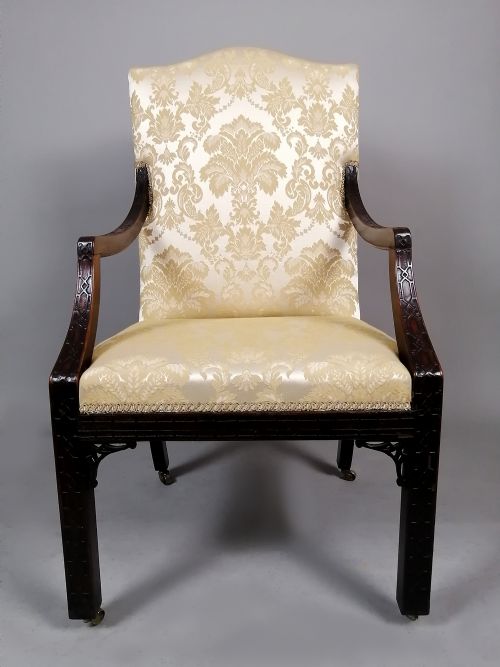
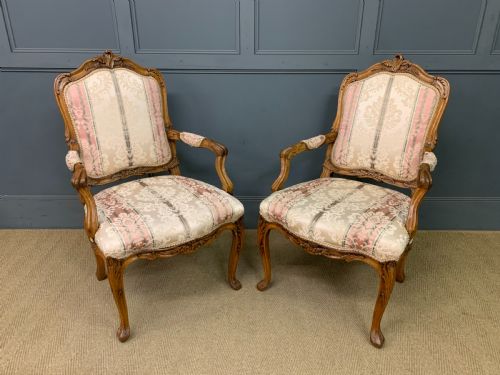
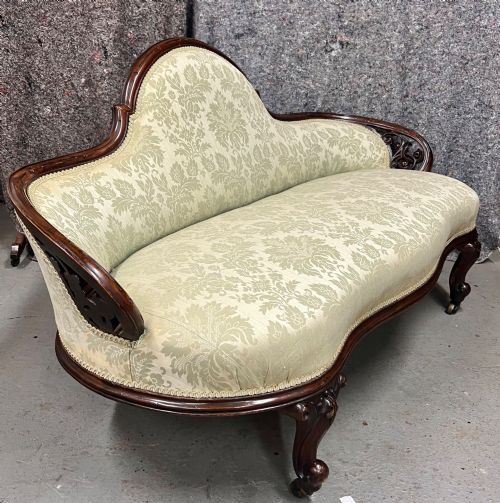
Antique damask seating comprises upholstered armchairs, settees and dining chairs spanning the eighteenth and nineteenth centuries, offering traditional frames paired with patterned woven textiles.
Antique Damask Seating
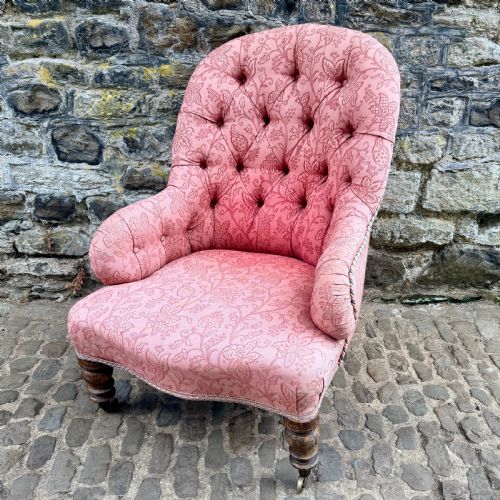
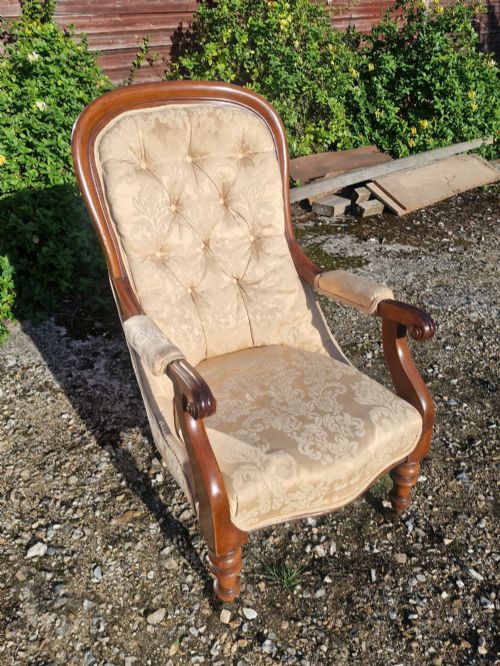
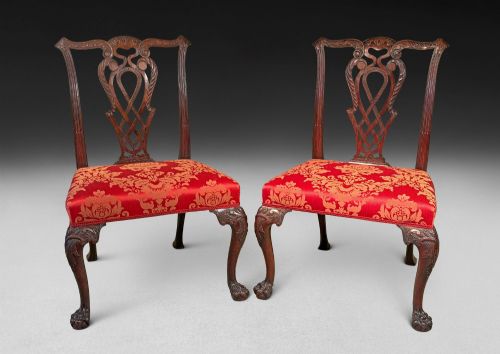
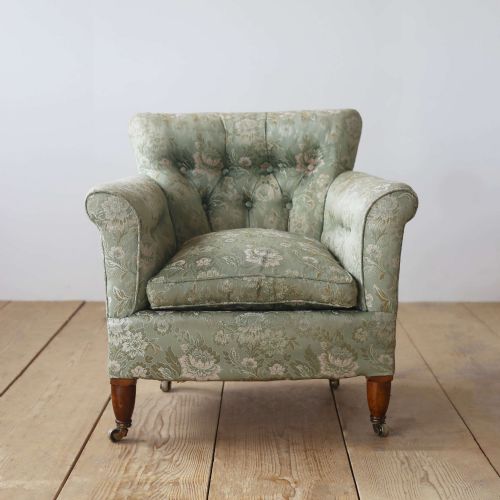
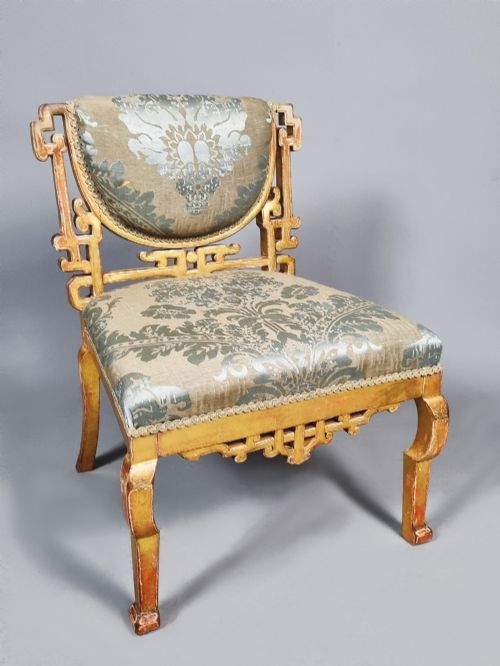
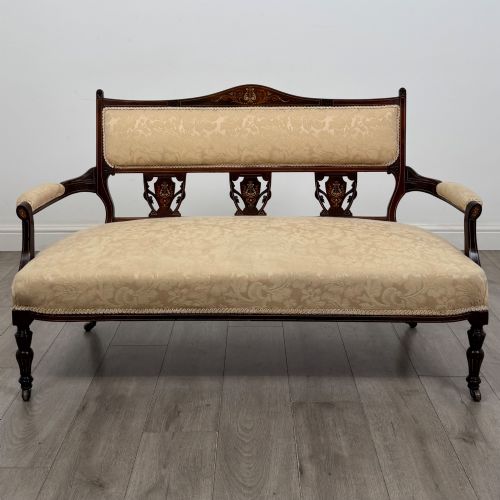
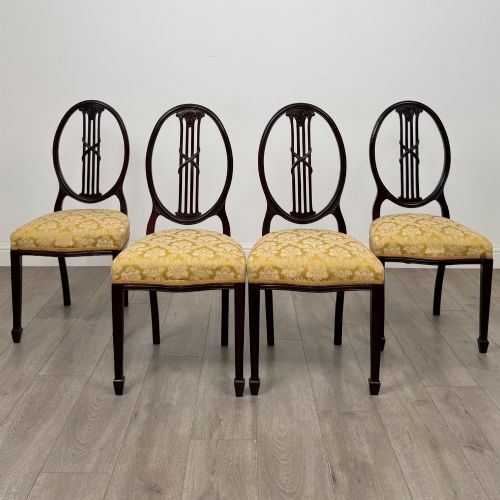
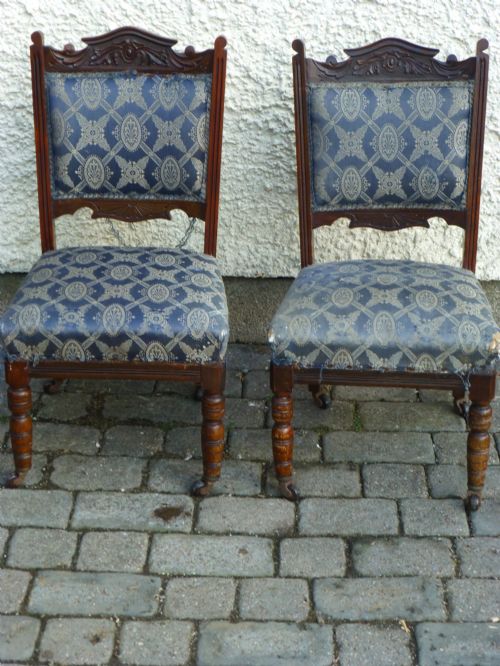
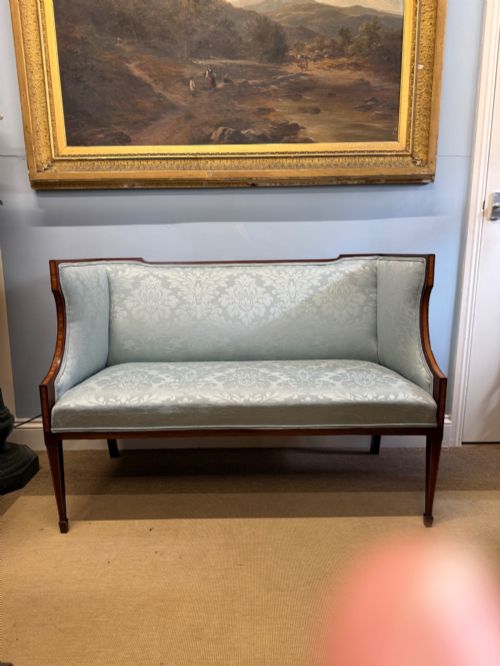
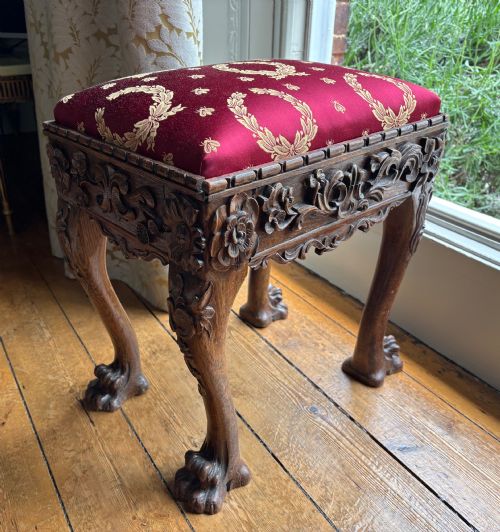
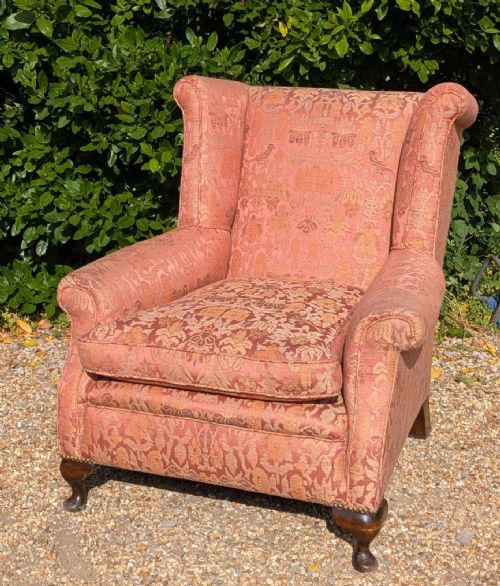
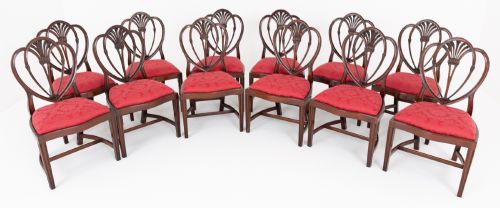
Antique damask seating encompasses a wide range of upholstered furniture forms designed for drawing rooms, parlours and dining spaces. The selections on this page include armchairs, settees, dining chairs, footstools and nursing chairs originating from the eighteenth, nineteenth and early twentieth centuries.
How these pieces were made
Framing timbers such as mahogany, walnut and giltwood provide the structural foundation for these chairs and settees, often shaped through carving, turning or inlay. Artisans joined these hardwoods using traditional joinery methods to support the weight and tension of daily use.
Upholstery relies on supportive internal stuffing finished with woven damask fabric, silk or patterned textiles. Decorative elements like brass or ormolu mounts, button tufting and elaborate wood carving complete the construction of salon suites and individual elbow chairs.
Selected nursing chairs were intentionally built low to the ground so Victorian sitters could tend infants by the hearth in comfort.
What varies in quality
The refinement of the timber carving and the architectural balance of the frame distinguish superior pieces from standard examples. Hand-carved details on cabriole legs, arm supports and crest rails reflect the skill of the original cabinetmaker.
The choice of primary wood, whether dense figured mahogany or richly patinated walnut, influences the visual depth of the frame. Additionally, the quality and historical appropriateness of the textile upholstery contribute to the overall integrity of the piece.
The Antique Damask Seating Glossary
- Damask
- A reversible figured fabric with patterns formed by contrasting warps and wefts, traditionally woven in silk, wool or linen. This textile provides the characteristic patterned upholstery seen on period salon seating.
- Cabriole leg
- A furniture leg that curves outward at the knee and tapers inward toward the foot, inspired by the shape of an animal's leg. This form appears frequently on eighteenth and nineteenth century chairs and settees.
- Settee
- A long upholstered seat with a back and arms, designed to accommodate multiple people. These pieces range from small two-seater drawing room sofas to larger nineteenth-century Chesterfield designs.
- Giltwood
- Timber that has been coated with a thin layer of gold leaf or gesso preparation. This finish is commonly found on French rococo and neoclassical revival armchairs and stools.
- Wing armchair
- An upholstered chair with high back and side panels designed to shield the sitter from drafts. Late nineteenth and Edwardian variations often feature exposed wooden legs and patterned fabric coverings.
Antique Damask Seating: Frequently Asked Questions
How do I date an antique armchair?
Dating an armchair involves examining the primary timber species, the joinery methods and the stylistic details of the frame. Cabinetmakers of different eras utilised distinct carving motifs, such as cabriole legs or inlay work, which align with periods like the Georgian or Victorian eras.
Secondary indicators include the construction of the internal webbing and stuffing materials beneath the damask fabric. Comparing these structural characteristics with documented historical examples helps narrow down the decade of production.
Are these seats suitable for daily use?
Many antique dining chairs, armchairs and settees remain structurally robust enough for regular domestic use. Solid hardwood frames joined with traditional methods often outlast modern mass-produced furniture.
Buyers intending to use these pieces daily should check the condition of the internal upholstery and joints. Professional restoration or reupholstering can reinforce older frames without compromising their historical integrity.
What is the difference between a settee and a sofa?
Historically, the term settee often described a wooden or partially upholstered seat with a formal back, whereas a sofa traditionally denoted a fully upholstered piece designed for reclining. Over time, these definitions have largely merged in antique terminology.
Today, listings use both terms interchangeably to describe multi-seater upholstered furniture. The specific proportions, arm styles and framing materials matter more than the name assigned to the piece.
How should I care for antique wood and fabric?
Preserving antique wood requires maintaining stable indoor humidity and avoiding direct sunlight, which can fade polished surfaces and dry out timber. Gentle dusting with a dry cloth keeps the finish clean without stripping the natural patina accumulated over the centuries.
Upholstered damask fabric benefits from careful vacuuming using a low-suction attachment fitted with a soft brush. Professional textile cleaning is recommended for deeper maintenance to protect delicate woven threads.