

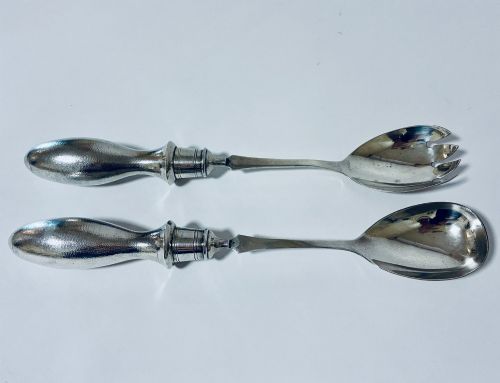
Antique Cutlery Pair
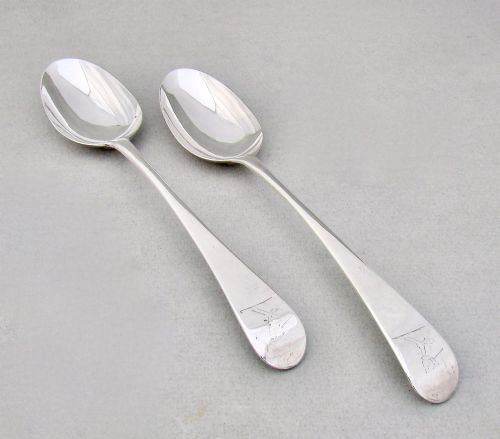
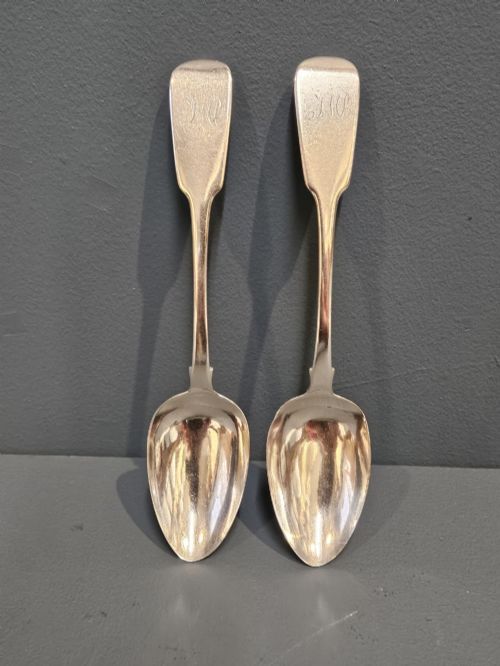
An antique cutlery pair offers matched utility and symmetry, bringing period silver and fitted presentation boxes directly to the dining table.
Antique Cutlery Pair
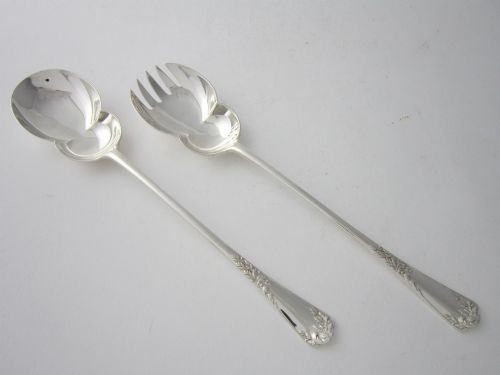
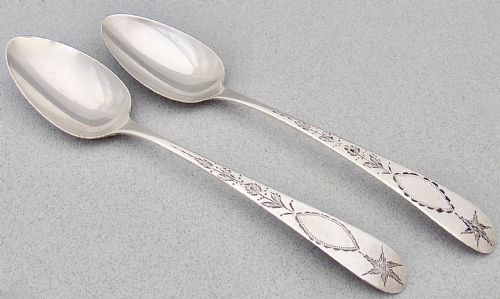
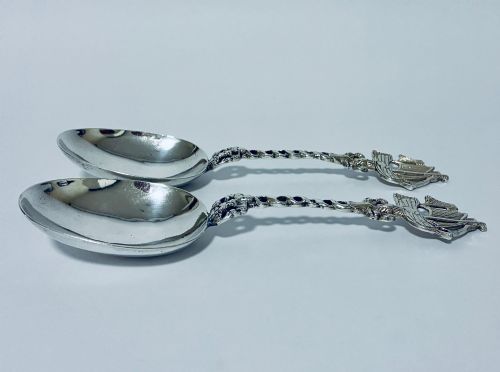
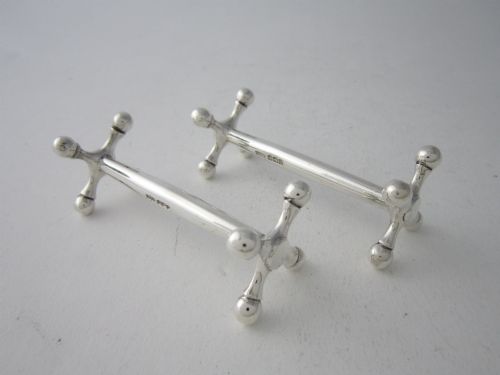
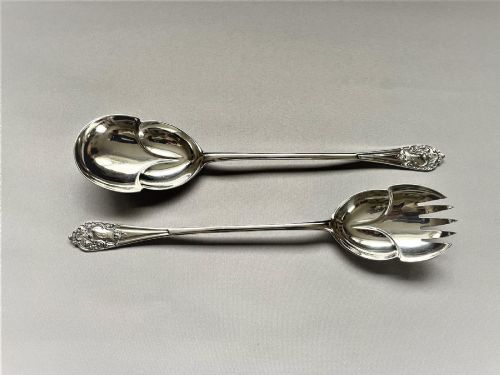
When you search for an antique cutlery pair, you encounter matched sets designed for specific dining tasks, ranging from serving spoons and fish servers to knife rests and fruit sets. The selection spans the Georgian, Victorian, and Edwardian eras, reflecting changes in formal dining habits over two centuries.
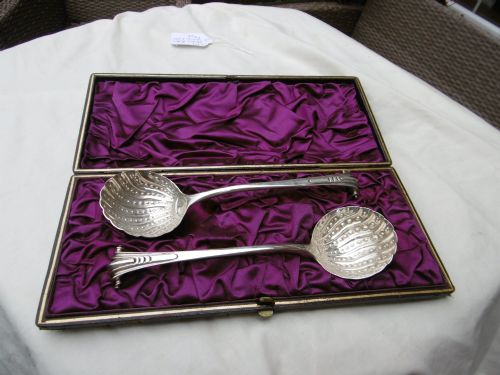
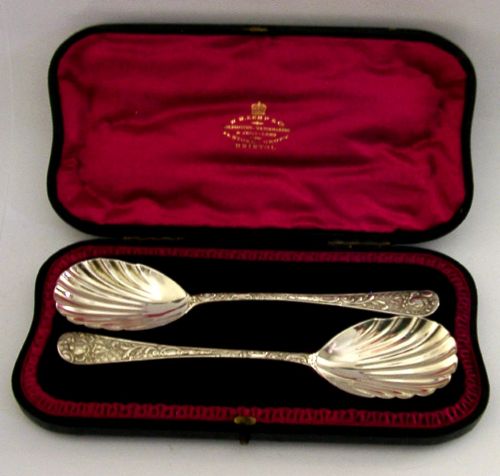
You are most likely to meet silver serving spoons and cased presentation pairs from the nineteenth century on this page. These items often include specialised utensils like grape shears, salad servers, and butter knives, frequently housed in velvet or silk-lined boxes.
Materials and construction methods
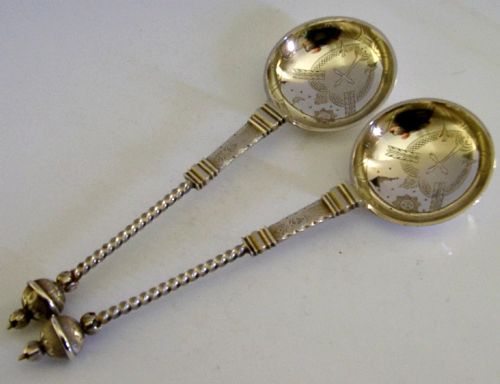
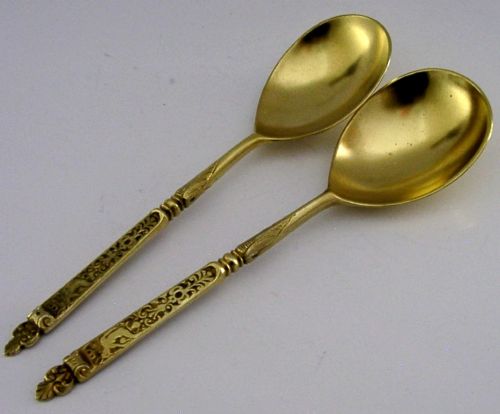
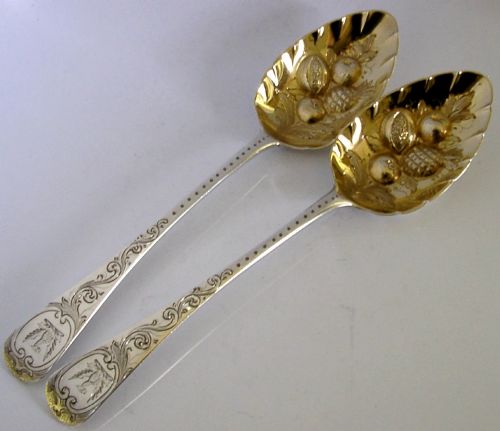
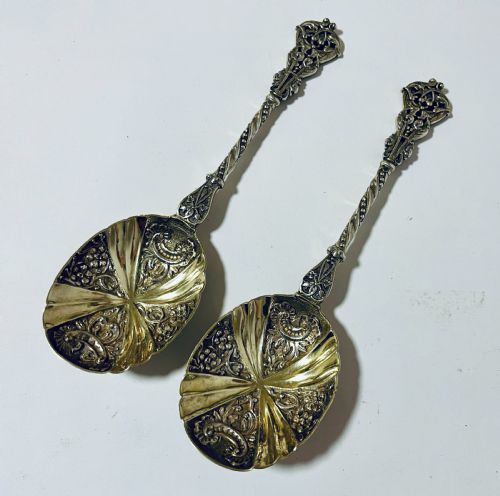
Makers shaped these pieces primarily from sterling silver and silver plate, utilising techniques such as chasing, engraving, and parcel-gilding to decorate the metal surfaces. Silver gilt variants show a thin layer of gold applied over the sterling silver base.
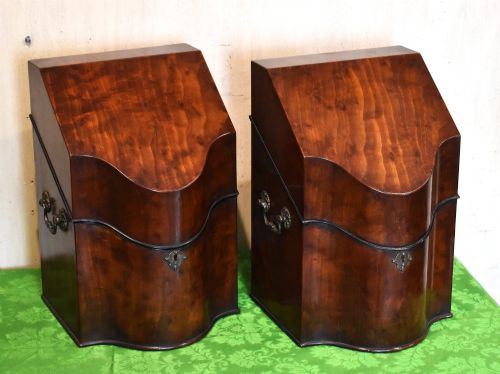
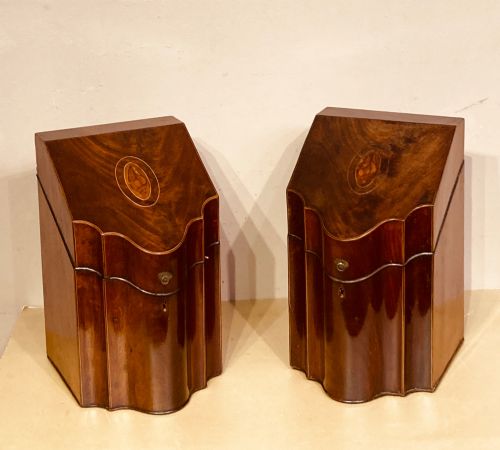
Enclosing these utensils required specialised cabinetry, utilising solid mahogany, satinwood, and boxwood for knife boxes and cutlery urns. Interiors were frequently lined with velvet, silk, or satin to protect the metal finishes during storage.
Antique Cutlery Pair Retail Price Guide 2026
Typical asking prices for cutlery pair among the pieces listed under this phrase on Sellingantiques today, from the lower quarter to the upper quarter. They describe what is for sale here now, not the wider market.
Listings feature sterling silver, silver plate, mahogany, satinwood, boxwood, velvet, and silk across pieces spanning the 18th, 19th, and 20th centuries.
Assessing quality in matched pairs
The distinction between standard items and superior examples rests on the crispness of the hand-engraving, the depth of any repoussé work, and the structural integrity of the matched pairing. Matching historical items that share identical hallmarks and maker marks demands greater precision than assembling composite sets later.
Superior execution extends to the housing of the pieces, where fitted mahogany or satinwood boxes with intact velvet and silk linings elevate the status of the cutlery. The weight of the metal and the clarity of provincial or London hallmarks further separate ordinary utility items from collector pieces.
John Lambe·Henry Wilkinson·John Pittar·Peter and Anne Bateman·John Locker·Isaac Davenport·James Tait
The Antique Cutlery Pair Glossary
- Hallmark
- Official marks stamped on precious metals to indicate the standard of purity, the assay office, and the date of manufacture. These symbols provide the primary evidence for dating an antique cutlery pair.
- Berry spoon
- A tablespoon retrofitted during the Georgian or Victorian era with embossed fruit and leaf designs, typically featuring fruit bowl motifs. These highly ornate spoons were popular for serving soft fruits.
- Rat tail
- A prominent tapering spine on the underside of a spoon bowl, extending from the handle. This traditional reinforcement strengthened the junction between the handle and the bowl.
- Cased set
- A matching pair or collection housed in a dedicated fitted box, often lined with velvet or silk. Such containers preserved the items and indicated high status.
- Silver gilt
- Sterling silver that has been coated with a thin layer of gold through an electrochemical or fire-gilding process. This treatment added a rich yellow sheen to the interior bowls or tines.
Antique Cutlery Pair: Frequently Asked Questions
What is an antique cutlery pair?
An antique cutlery pair consists of two matching utensils, such as serving spoons, fish servers, or salad servers, created together for formal dining.
They reflect the dining customs of periods ranging from the Georgian era through the Edwardian years.
How were silver serving spoons used?
Serving spoons transferred large portions of meat, vegetables, or dessert from central dishes to individual plates during multicourse meals.
Many featured deep bowls or ornate engravings suited for specific foods like berries or fish.
How should I store cased cutlery?
Keep fitted presentation boxes in a stable environment away from direct sunlight and excessive humidity to protect the wood and fabric linings.
Avoid sealing silver in materials that trap moisture, ensuring the velvet and silk interiors remain dry.
How do I read silver hallmarks?
Hallmarks comprise distinct punches indicating the maker, the assay office city, the metal standard, and a date letter.
Consulting regional assay records allows you to trace the exact year and location where the silversmith worked.