



Antique Cushion Cover
An antique cushion cover brings centuries of textile art into daily interiors through repurposed tribal bag faces, kilims, and European tapestries.
Antique Cushion Cover
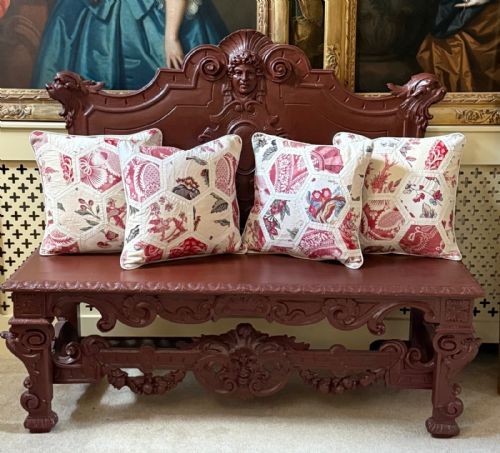
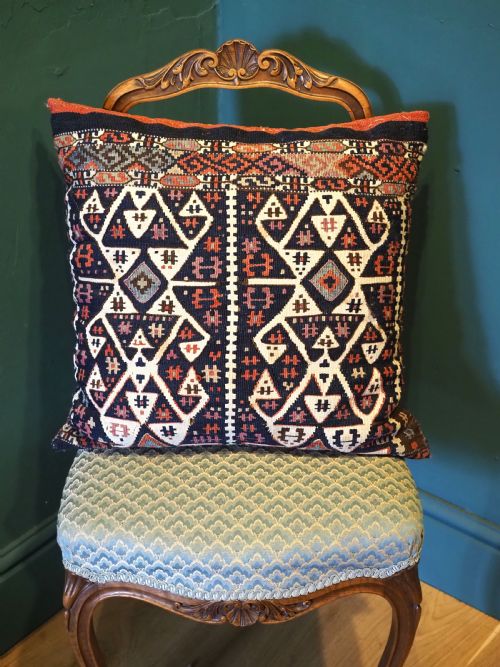
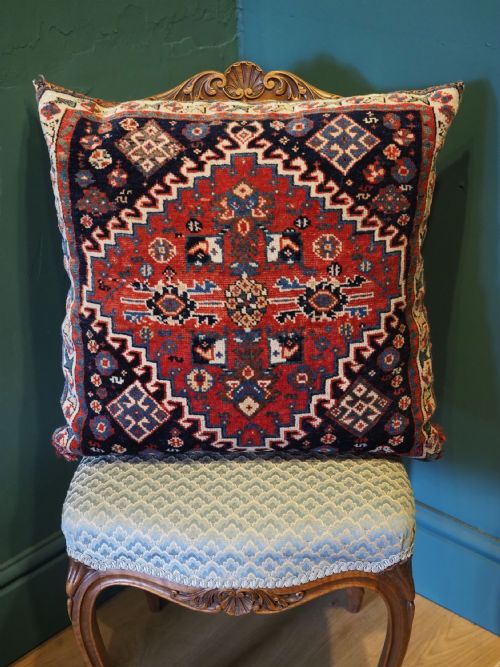
When you search for an antique cushion cover, you find decorative textiles formed from historical fragments, including Persian tribal bag faces, Anatolian kilims, and European tapestries. These items repurpose nomadic weaving and formal embroidery into functional home furnishings.
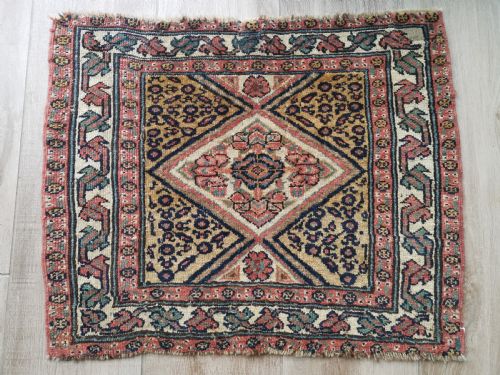
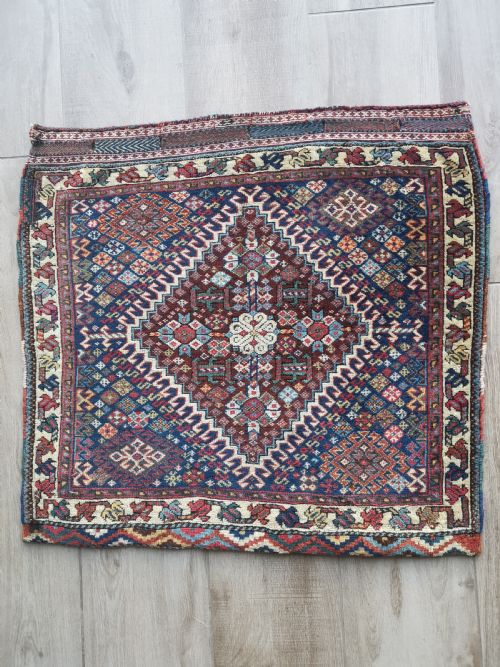
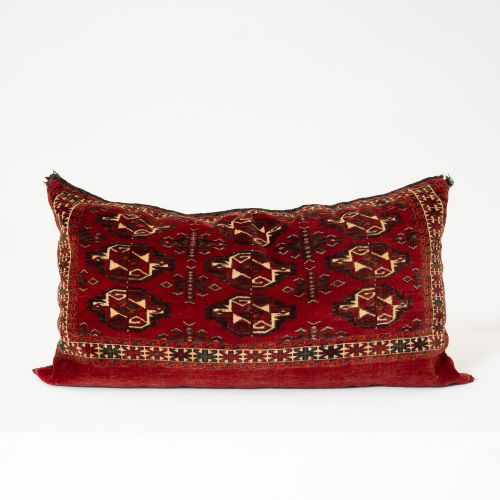
The selections available range from nineteenth-century Turkmen chuvals and Baluch vanity bags to seventeenth-century tapestry panels and Edwardian linen assemblies. Many examples preserve portions of saddlebags, mafrashes, and torbas woven by nomadic groups in Persia, Anatolia, and Central Asia.
Buyers encounter numerous kilim cushions alongside embroidered Swedish pillow covers and carriage cushion faces. These textiles transform utilitarian tribal storage containers and historic fabrics into decorative accents suitable for modern seating.
How they were made
The textiles rely on hand-spun wool, cotton, and linen, often coloured with natural dyes derived from plants and minerals. Artisans constructed tribal pieces using flatweave kilim techniques or knotted pile, while European examples utilised detailed tapestry and embroidery stitches on heavy linen grounds.
Nomadic weavers produced bag faces and storage sacks on portable horizontal looms, integrating geometric motifs and guls into durable utility items. Later constructors completed these cushion covers by attaching backing materials, such as eighteenth-century Belgian linen, and incorporating feather inners.
Listings feature items spanning the seventeenth century through the Edwardian period, incorporating Persian tribal designs alongside European tapestries and Swedish embroideries.
What varies in quality
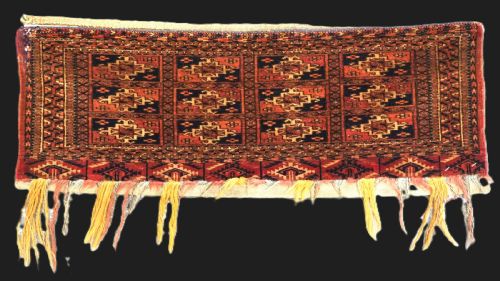
The quality of an antique cushion cover depends on the integrity of the original textile and the precision of the tribal weaving. Pieces retaining their complete design symmetry, such as multiple guls on a Turkmen torba face, command greater attention from collectors.
Material selection and dye saturation further distinguish the work, with hand-spun wool and rich natural palettes showing superior depth. The standard of the conversion - specifically how cleanly historical bag faces or tapestries integrate with supportive linen backs and feather inserts - shapes the overall success of the piece.
The Antique Cushion Cover Glossary
- Bag face
- The decorative front panel of a nomadic storage sack, frequently repurposed into a cushion cover. These panels display the primary tribal patterns.
- Chuval
- A large Turkmen tent-storage bag. Fragments of these pieces often form substantial cushion covers.
- Torba
- A smaller Turkmen storage bag, wider than it is tall. Torba faces present distinct göl motifs.
- Kilim
- A flatwoven textile produced by tightly interweaving warp and weft strands. Kilim cushion covers display crisp geometric designs without a pile.
- Soumac
- A brocaded wrapping technique that creates a textured surface on flatwoven nomadic bags. This method provides durability and distinct raised patterns.
- Göl
- A primary medallion or repeating octagonal motif used by Turkmen and other tribal weavers. These emblems often denote specific tribal lineages.
Antique Cushion Cover: Frequently Asked Questions
What is an antique cushion cover made from?
These covers utilise historical textiles including hand-spun wool, cotton, silk, and linen. Many incorporate fragments from nineteenth-century nomadic bags or seventeenth-century European tapestries.
Constructors often pair these antique face panels with vintage backing fabrics, such as eighteenth-century Belgian linen, and modern feather inners for practical use.
Where do tribal cushion covers originate?
Tribal examples originate primarily from regions in Persia, Anatolia, and Central Asia. Nomadic groups such as the Qashqai, Shahsevan, Baluch, and various Turkmen tribes produced the original storage bags.
European pieces, by contrast, frequently stem from domestic traditions in countries like Sweden and Belgium, featuring embroidered linen or tapestry work.
How do I care for an antique textile cushion?
Protect the fragile natural dyes and hand-spun wool by keeping the covers out of direct sunlight. Gentle, professional textile cleaning preserves the integrity of the historical fibres.
Avoid abrasive washing methods and handle the vintage linen backs and fragile side seams with care during placement.
How are bag faces turned into cushions?
Maker workshops take authentic nomadic items like saddlebags, mafrashes, and torbas and trim them to cushion dimensions. They then sew the historic textile front to a complementary backing material.
Many listings include new feather inners to match the exact dimensions of the newly formed square or rectangular decorative cushion.