
Antique Curiosities
These antique curiosities gather taxidermy, scientific instruments, and table vitrines from the nineteenth century for a collection centred on wonder.
Antique Curiosities
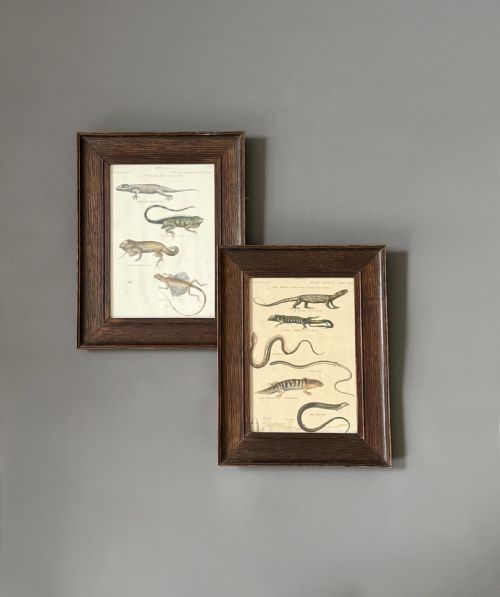
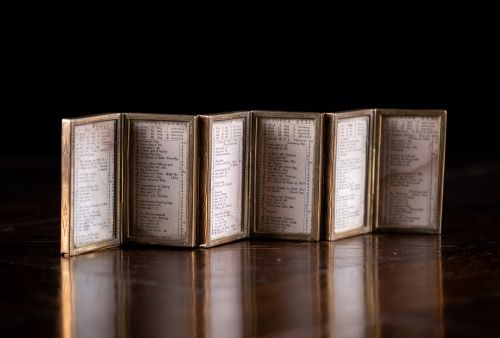
When you search for antique curiosities, you encounter a disparate assemblage of natural history specimens, scientific apparatus, and miniature display pieces. These objects originate predominantly in the nineteenth century, spanning Victorian taxidermy, Edwardian display tables, and earlier European cabinets.
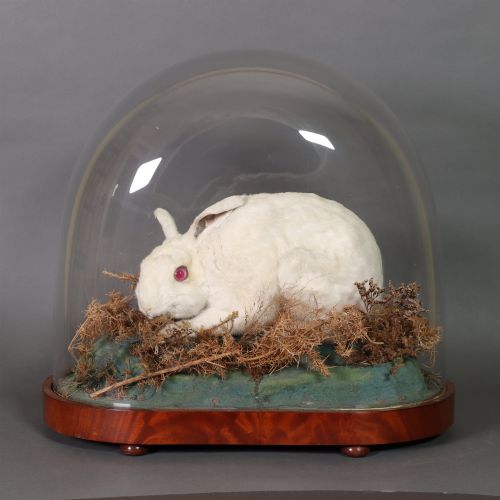
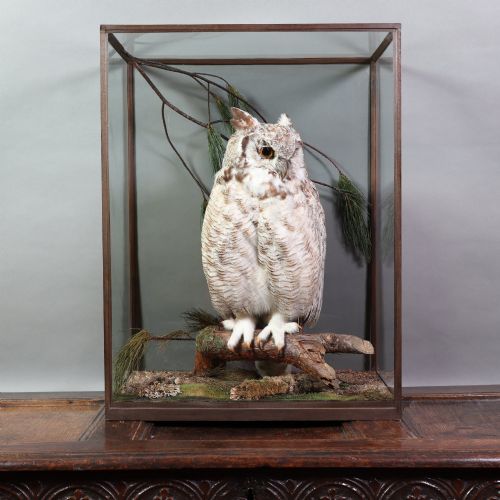
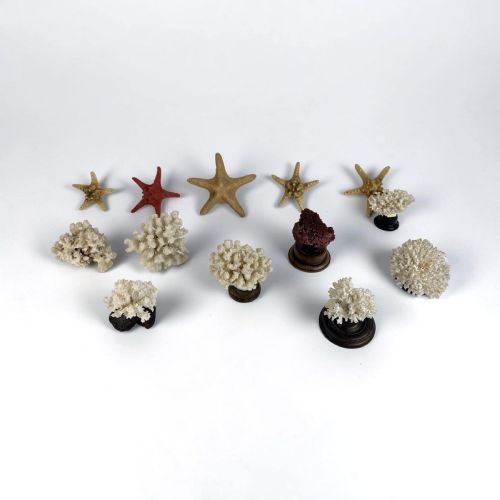
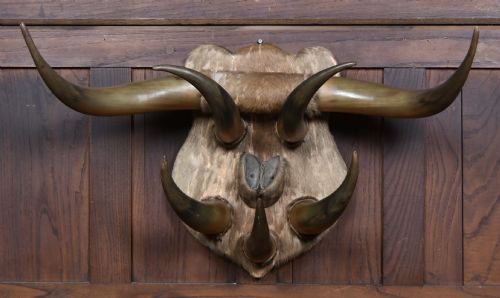
The selection on this page relies heavily on taxidermy cases, coral specimens, and small cabinets designed for private collections. Natural history specimens sit alongside scientific instruments and carved memento mori pieces from the seventeen hundreds onwards.
Buyers look for items that bring the cabinet of curiosities tradition into a modern interior. These pieces offer a tangible connection to historical methods of cataloguing and displaying the natural and mechanical world.
How they were made
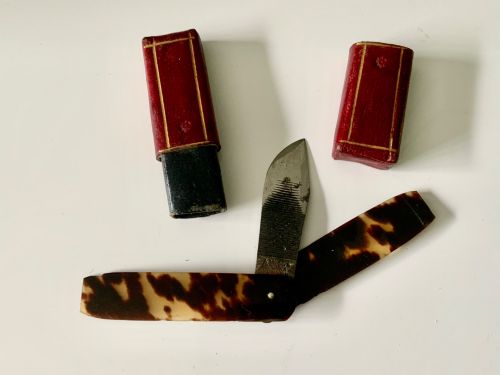
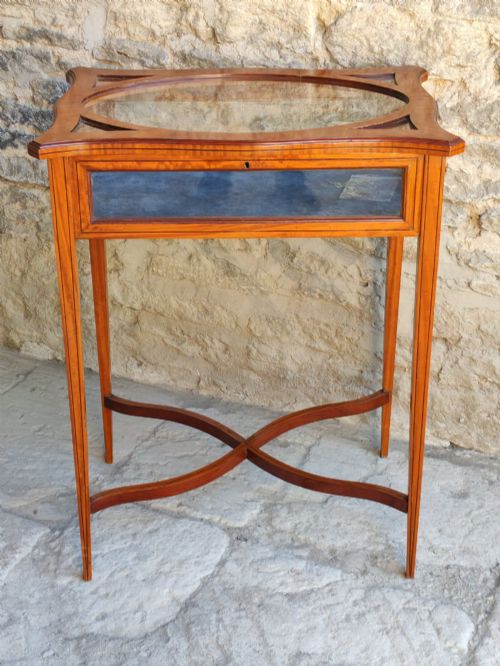
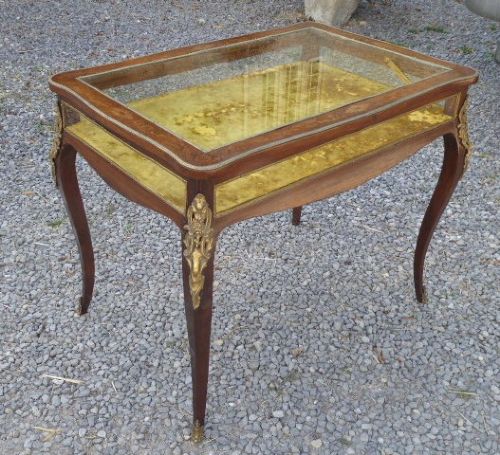
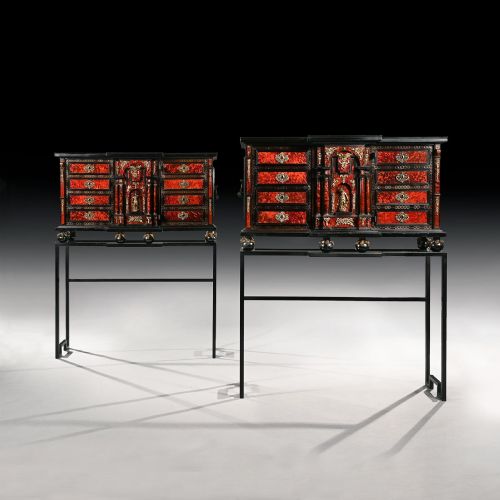
Makers utilised dense timbers such as mahogany, satinwood, and kingwood to construct specialised display furniture and cabinets. Marquetry inlay, ormolu mounts, and tortoiseshell veneer frequently decorate these enclosures.
Taxidermists and natural history preparators combined glass domes, wooden frames, and brass mountings to house birds, bats, and marine specimens. Glass and brass serve as the primary protective elements for instruments, miniatures, and entomology cases.
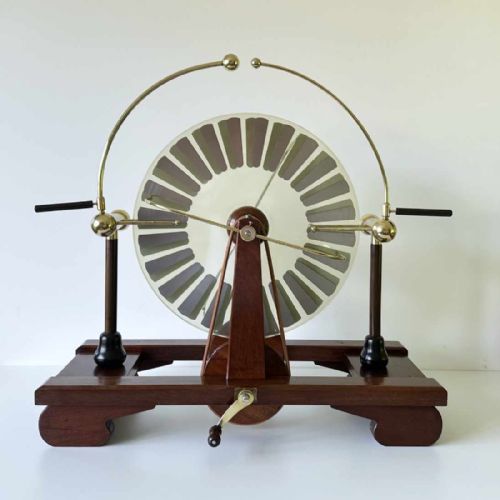
Several pieces preserve hair-raising Victorian experiments, including an early Wimshurst machine designed to make the hair stand on end.
What varies in quality
The standard of a curiosity rests upon the precision of its construction and the preservation of its materials. Fine specimen cabinets demonstrate meticulous cabinetwork in their dovetailing and veneer matching, whilst inferior examples show looseness in the joints and mismatched timber.
In natural history and taxidermy, quality is determined by the lifelike posture of the subject and the integrity of the original glass housing. Pieces attributed to documented practitioners exhibit superior taxidermy techniques that endure without significant degradation.
James Gardner of London·Rowland Ward Ltd·Henry Ward London
The Antique Curiosities Glossary
- Bijouterie
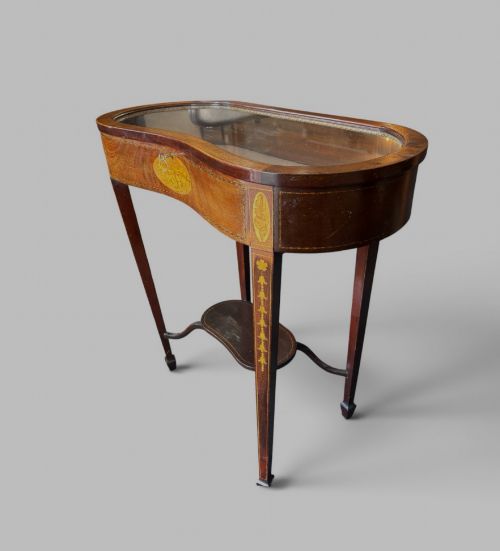
- A small glass-topped display table or cabinet designed to showcase precious trinkets and medals. These tables often feature satinwood or mahogany frames with glazed lids.
- Okimono
- A Japanese carved figurine intended for display on a household shelf or tokonoma. These objects are frequently cast in bronze or carved from ivory and wood.
- Vitrine
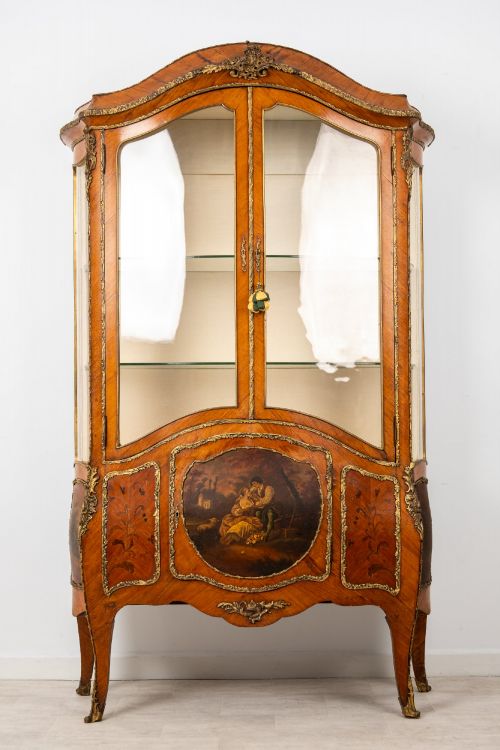
- An enclosed glass cabinet used for exhibiting porcelain, curiosities, and small sculptures. They often incorporate ormolu mounts and exotic wood veneers.
- Memento mori
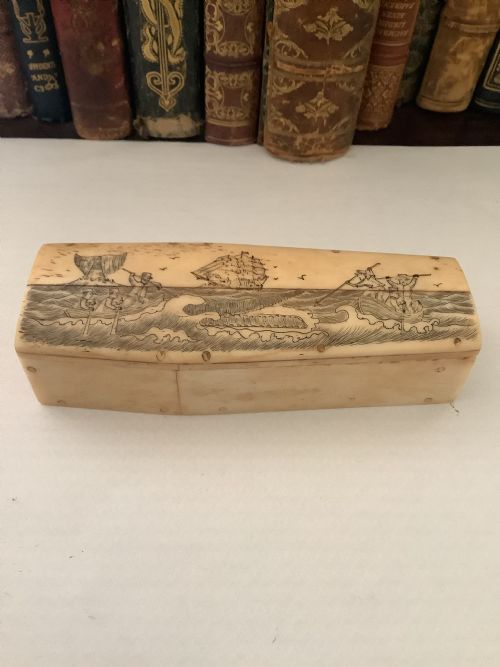
- An artistic or symbolic reminder of the inevitability of death. These take the form of carved bone skulls or miniature coffins.
- Wimshurst machine
- An electrostatic generator operated by hand cranks to produce high-voltage sparks. This scientific apparatus dates to the late nineteenth century.
Antique Curiosities: Frequently Asked Questions
What is a curiosity cabinet?
A curiosity cabinet is a specialised piece of furniture designed to house and display natural history specimens, antiquities, and scientific instruments.
These pieces reflect the historic tradition of assembling private collections to demonstrate knowledge of the wider world.
How do I care for antique taxidermy?
Antique taxidermy requires stable indoor humidity and protection from direct sunlight to prevent the fading of feathers and fur.
Keeping specimens sealed within their original glass domes or cases provides the best defence against dust and insect damage.
How can I date scientific instruments?
Dating scientific instruments involves examining the metals, typography, and mechanical complexity present in the construction.
Signatures inscribed on the brass plates or associated case makers help narrow the production era to a specific decade.