

Antique Cupboard Dresser
An antique cupboard dresser brings substantial storage and centuries of craft to a room, uniting open display racks and enclosed lower cabinetry.
Antique Cupboard Dresser
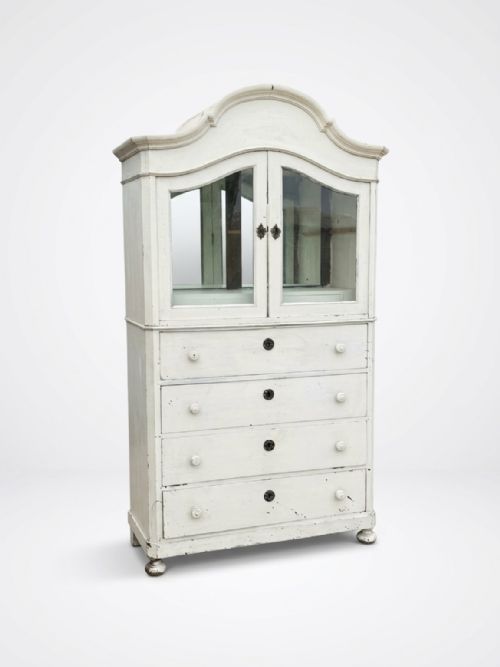
When searching for an antique cupboard dresser, a buyer encounters pieces originating from 18th century country houses, Victorian kitchens, and Edwardian workshops. The inventory spans regional British forms such as Welsh oak dressers and housekeeper's cupboards alongside French provincial walnut cabinets and Swedish bonnet top designs.
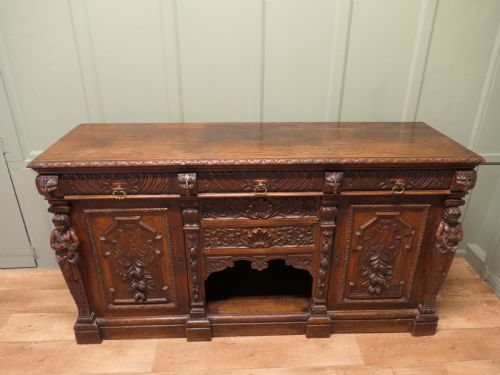
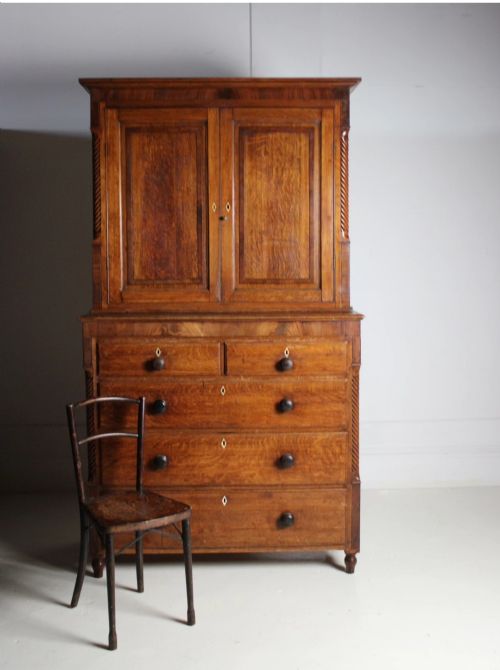
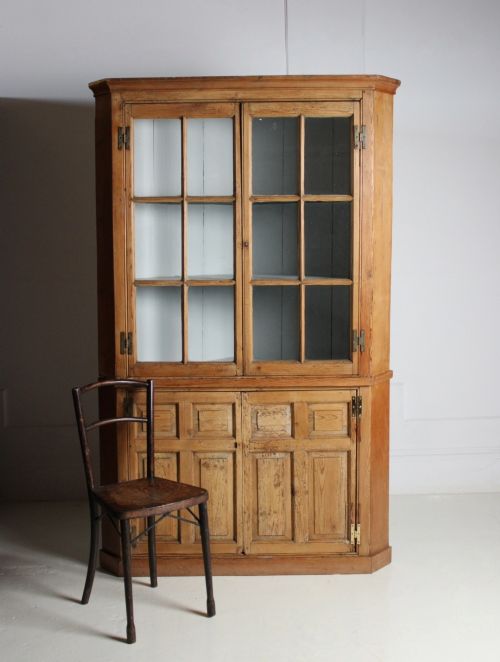
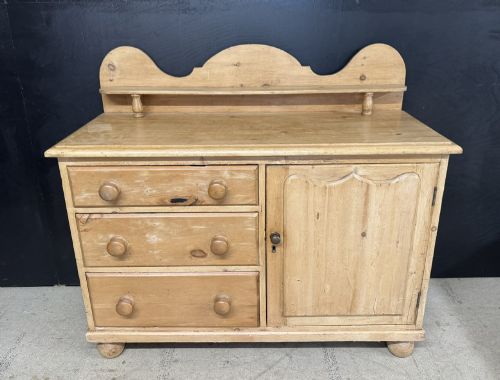
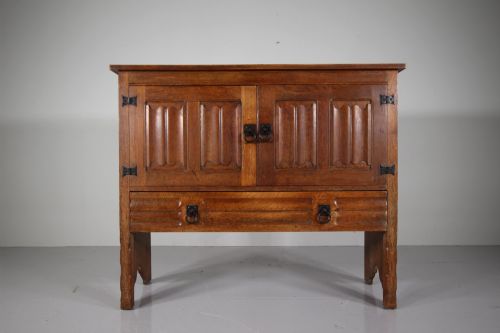
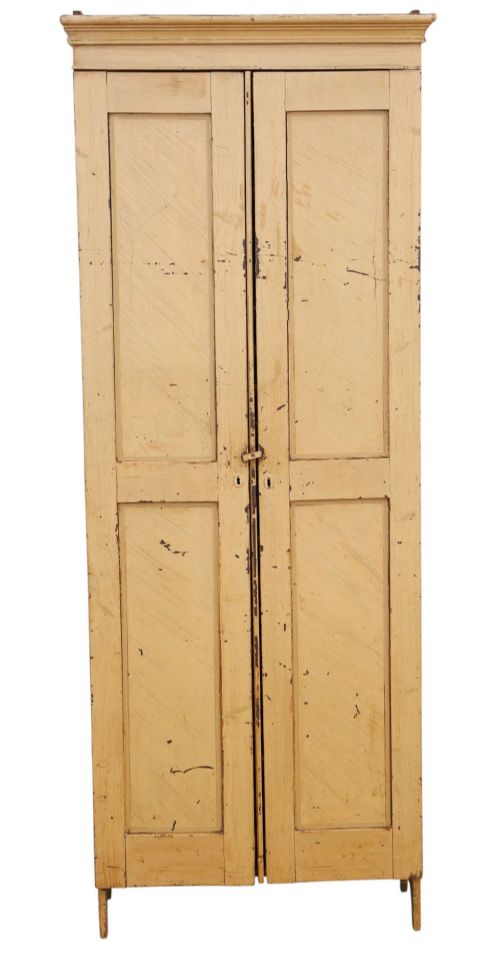
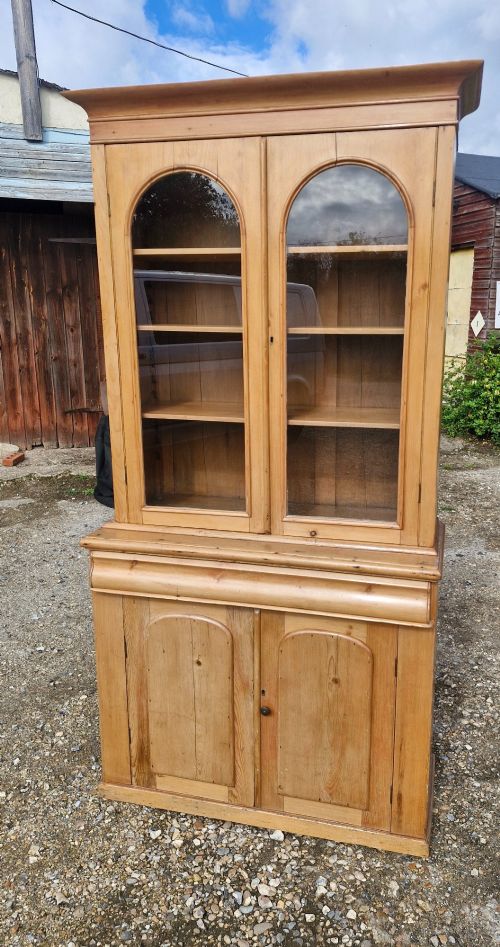
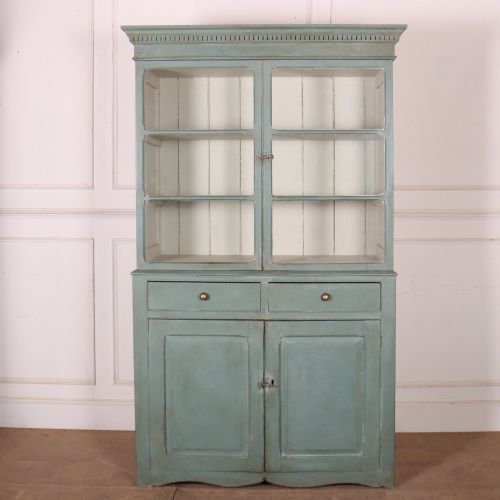
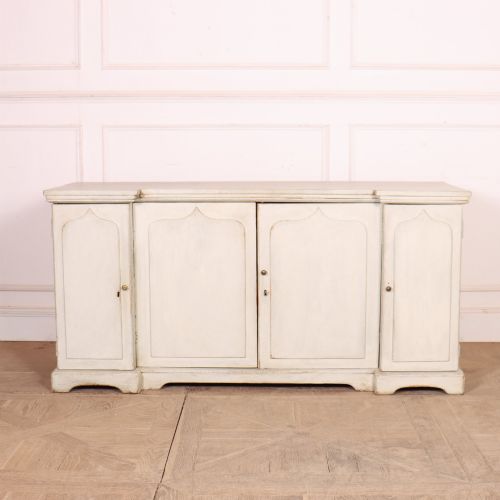
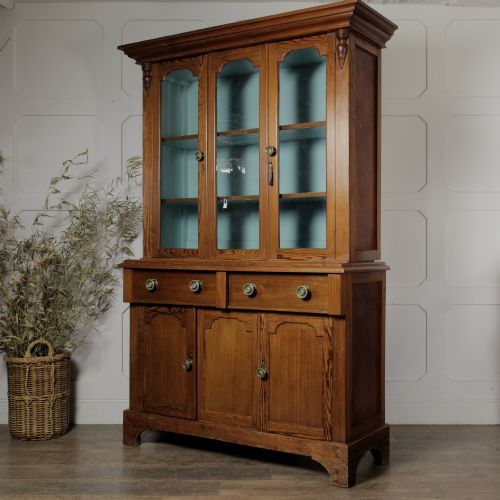
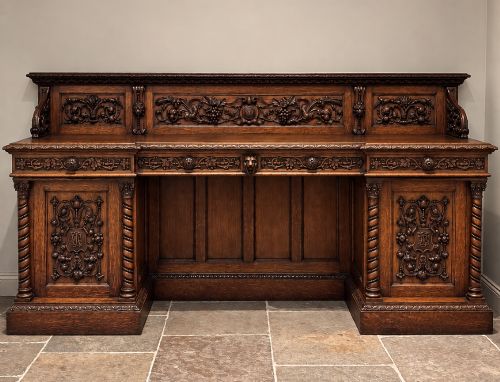
The most common formats combine a lower tier of drawers or panelled cupboards with upper glazed display bookcases or plate racks. Pieces range from modest pine dresser bases intended for country kitchens to breakfront oak sideboards and tall narrow kitchen cabinets.
Period examples incorporate utilitarian school cabinets, court cupboards, and glazed kitchen cabinets built for functional storage. This mix reflects centuries of domestic organisation, offering both open shelving and secure enclosed space.
Materials and Technique
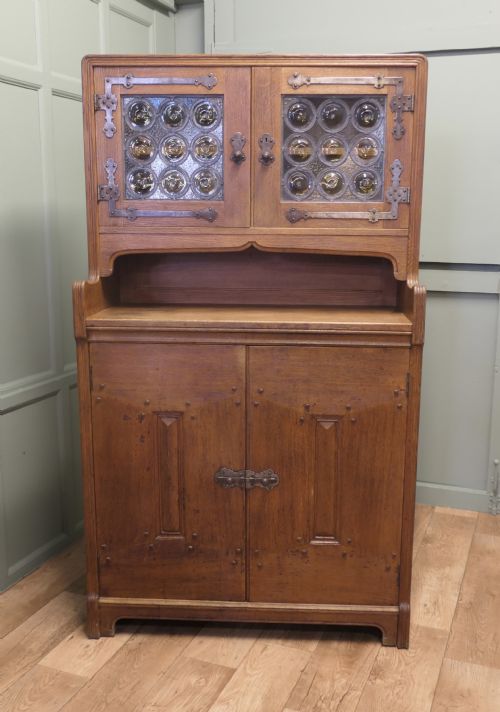
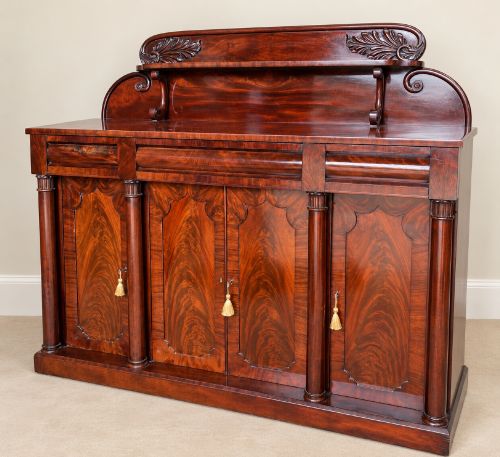
The construction relies heavily on native timbers, predominantly solid oak and pine, supported by occasional use of mahogany, pitch pine, and walnut. Workshops utilised brass hardware for handles and escutcheons, alongside leaded or clear glass panes for upper cabinet doors.
Joinery methods display traditional craftsmanship through panelled doors, hand-cut dovetails in drawers, and pegged timber frames. Surfaces show varied treatments from stripped natural wood and golden oak wax finishes to cream painted kitchen applications.
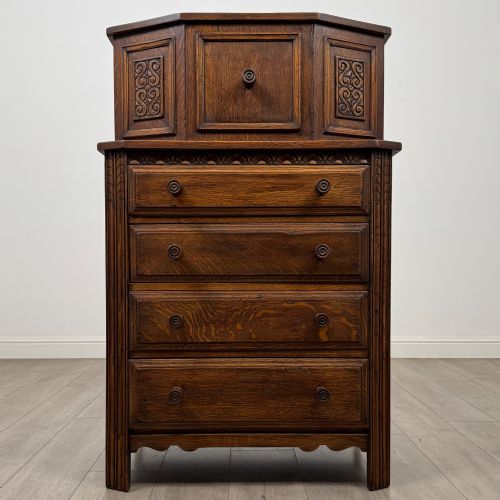
Stylistic details span Jacobean revival carving, barley twist turnings, Gothic arches, and Arts and Crafts simplicity. Structural integrity relies on heavy timber framing designed to bear the weight of heavy tableware and household provisions.
Listings feature 18th, 19th, and early 20th century pieces built primarily from oak, pine, and mahogany.
Evaluating Construction and Age
Quality separates along the integrity of timber selection and the retention of original structural elements. Higher tier pieces demonstrate superior matching of oak grain, original brassware, and unaltered timber patination developed over centuries of use.
The refinement of carved ornamentation, such as the depth of Jacobean revival motifs or geometric mouldings, distinguishes bespoke commissions from utilitarian workshop output. Finer examples maintain original glass panes, functional internal shelving, and tight-fitting panelled doors without excessive restoration.
Liberty
The Antique Cupboard Dresser Glossary
- Dresser Base
- The lower section of a dresser comprising drawers and cupboards without the upper plate rack.
- Housekeeper's Cupboard
- A tall, large enclosed cabinet traditionally used for storing linens and dry goods in large domestic properties.
- Court Cupboard
- An early form of enclosed side table featuring recessed upper sections supported on turned posts.
- Enfilade
- A long sideboard or cabinet with three or more doors, originating in French interior architecture.
- Patina
- The surface sheen and deep colour developed on timber through age, handling, and regular polishing.
Antique Cupboard Dresser: Frequently Asked Questions
What is the difference between a dresser base and a Welsh dresser?
A dresser base consists solely of the lower cabinet and drawer section, functioning much like a modern sideboard for surface display and enclosed storage. A Welsh dresser incorporates both that lower cupboard unit and an integrated upper rack or glazed shelving superstructure designed to display plates.
Selecting between the two depends primarily on ceiling height and whether the room requires open wall display space or a cleaner, low-profile surface. Both forms evolved from utilitarian kitchen furniture into decorative statement pieces.
How do I care for antique oak and pine furniture?
Maintaining these timbers involves keeping them away from direct heat sources and drastic humidity changes that cause wood to split. Regular dusting with a dry cloth and occasional application of natural beeswax preserves the surface finish without building up heavy chemical residue.
Avoid commercial silicone sprays which penetrate the wood grain and permanently alter the original patina. Gentle maintenance ensures the timber retains its natural moisture and historical appearance over decades of daily use.
Were these pieces used only in kitchens?
While many originated as kitchen or scullery furniture for holding provisions and earthenware, large numbers served in dining rooms, halls, and libraries. Housekeeper's cupboards were positioned in corridors for linen storage, whilst glazed bookcase cabinets housed libraries in formal rooms.
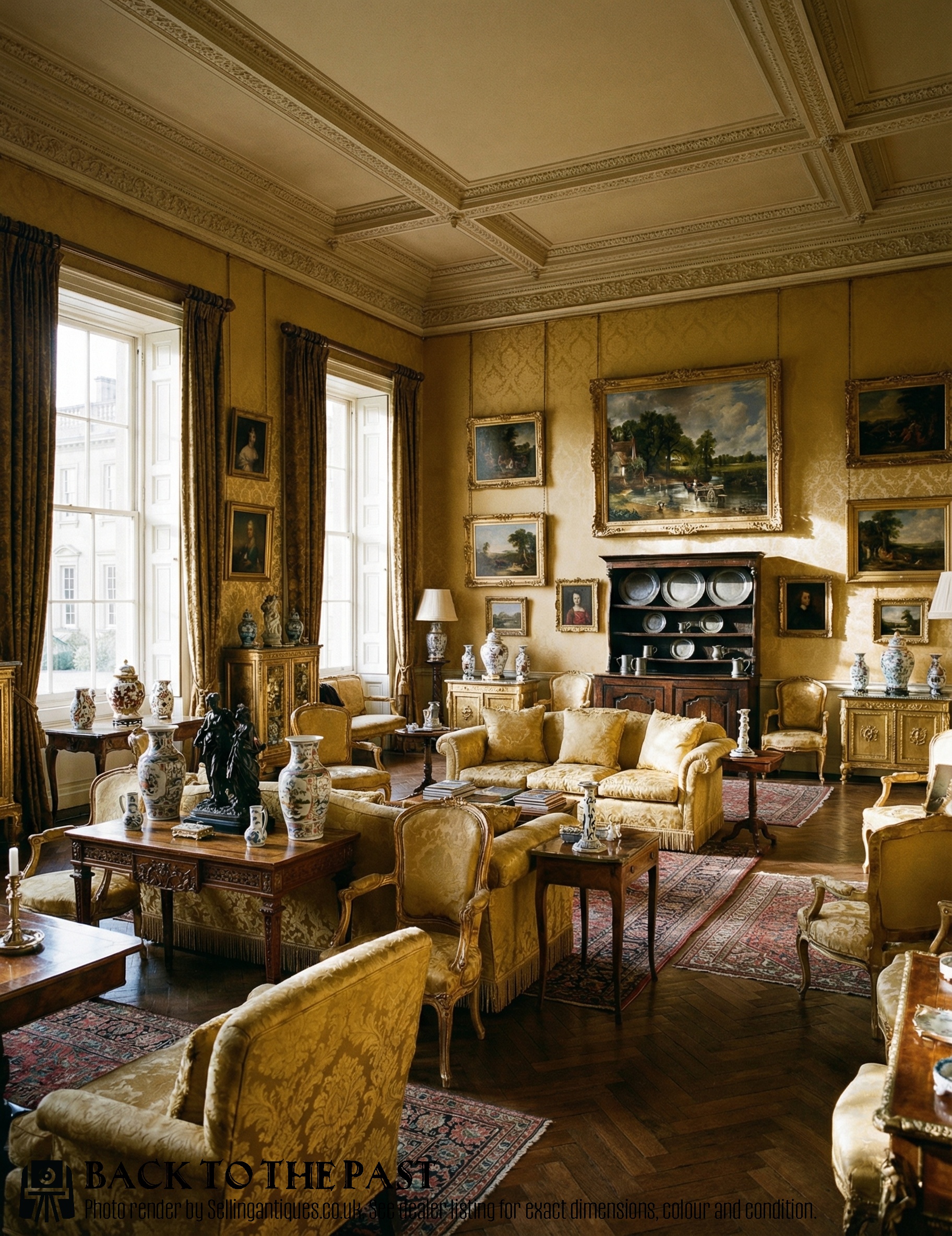
Today, buyers frequently place them in modern kitchens, living areas, and hallways to provide substantial storage that modular furniture cannot replicate. Their functional adaptability remains a primary reason for their survival and continued utility.
How do I distinguish 18th century pieces from later revivals?
Eighteenth-century items exhibit hand-sawn timber marks, irregular dovetails, and pegged joints that reflect primitive workshop construction methods. They frequently display a deep, authentic patina and wear patterns unique to centuries of continuous household service.
Later Victorian and Edwardian revivals, such as Jacobean style sideboards, utilise machine-sawn components and standardised hardware while consciously imitating earlier decorative carving. Examining the interior timber linings and drawer construction usually reveals the true period of manufacture.