

Antique Cup
An antique cup holds centuries of social ritual, moving from porcelain breakfast sets to heavy silver presentation vessels.
Antique Cup
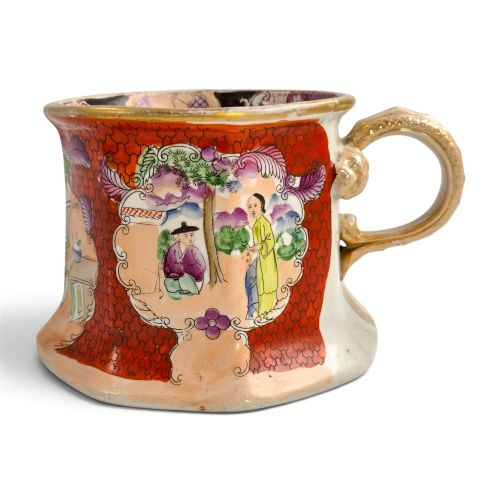
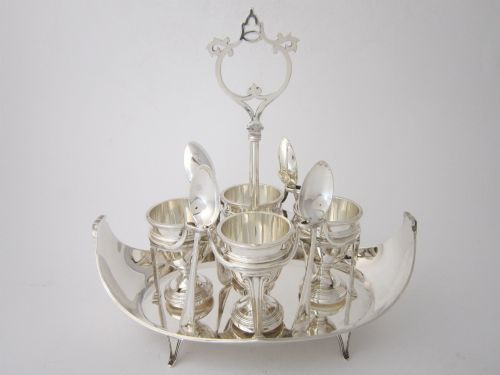
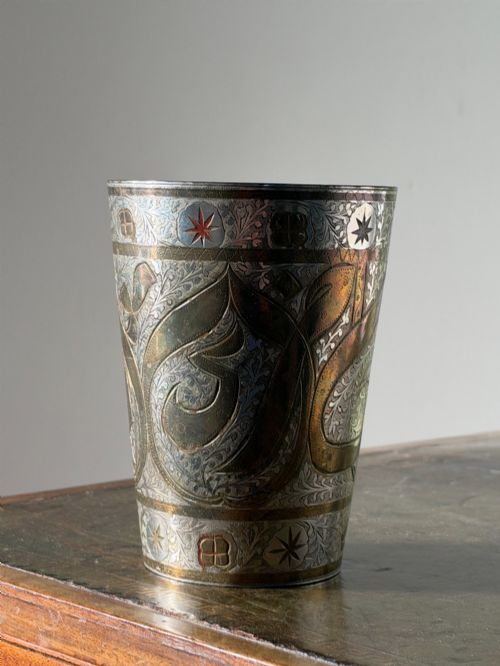
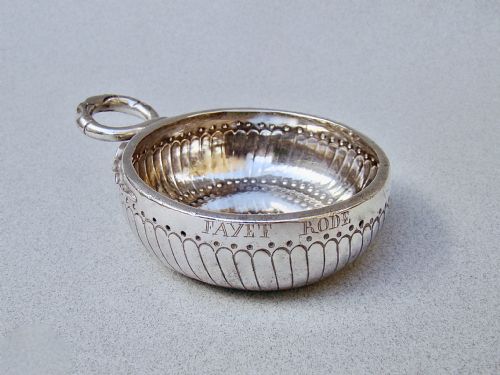
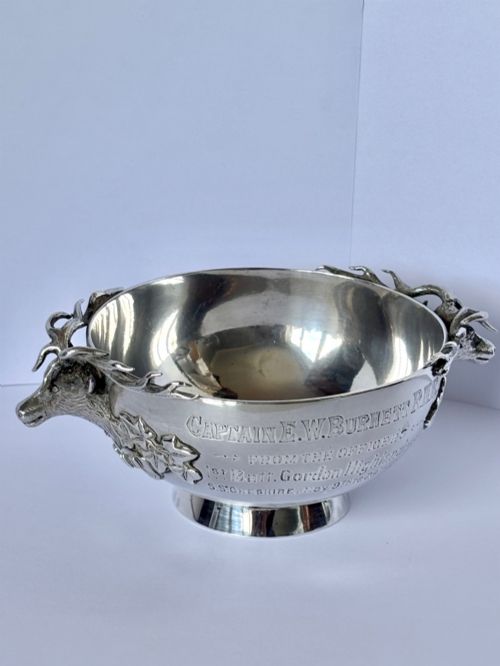
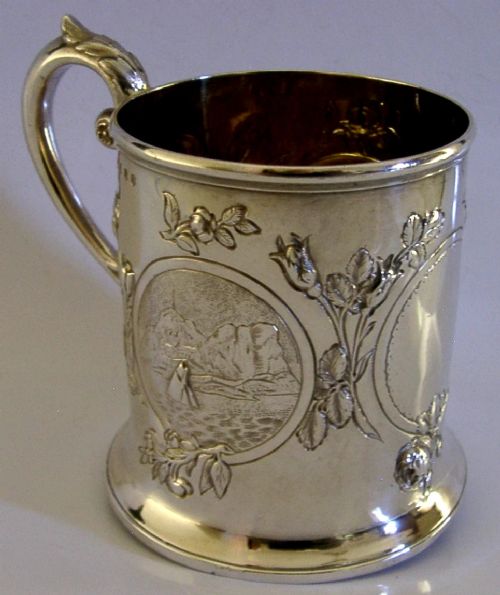
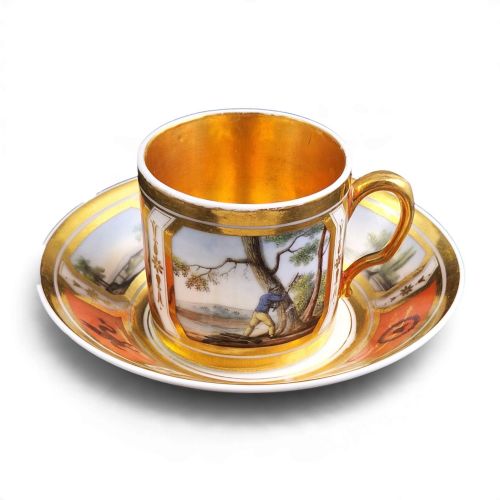
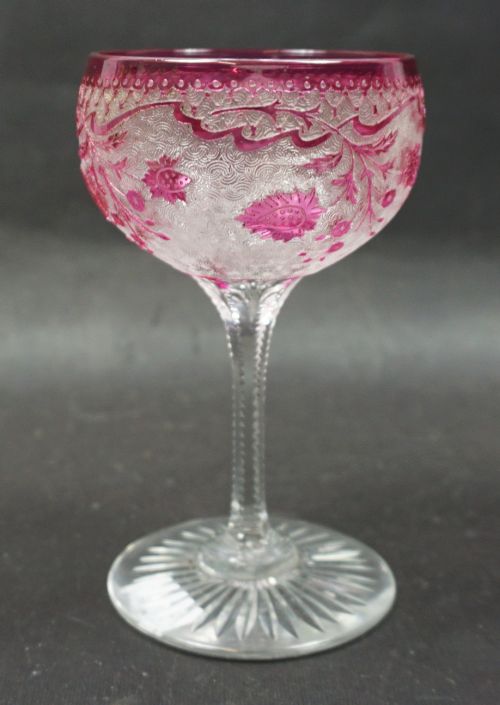
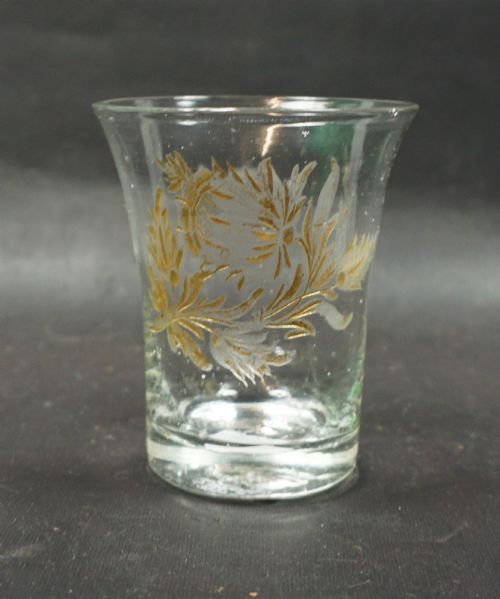
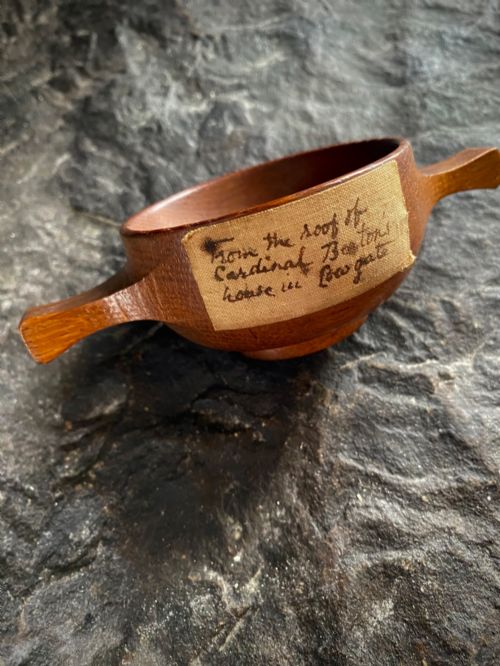
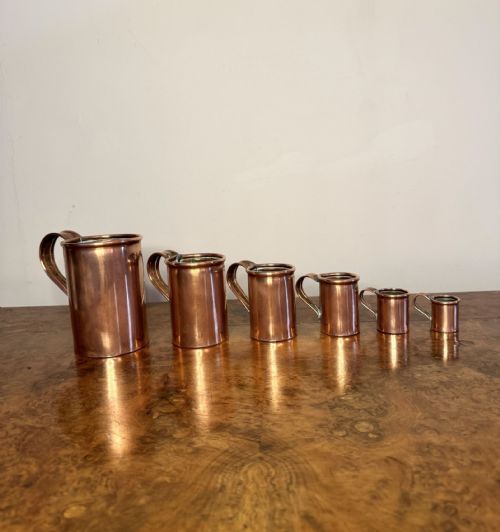
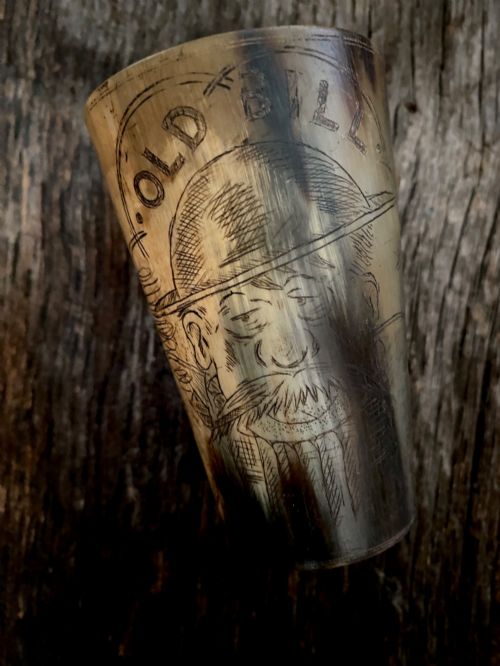
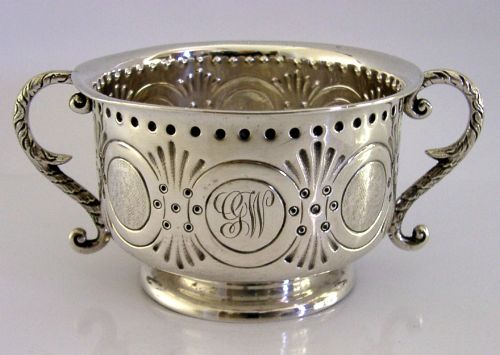
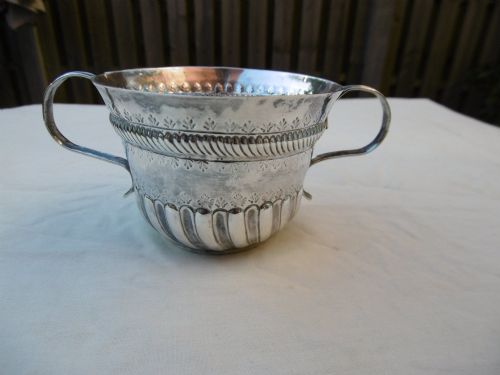
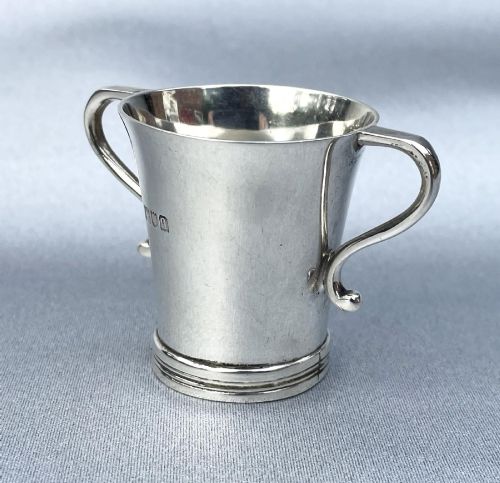
When you search for an antique cup, you encounter a diverse group of domestic and ceremonial drinking vessels spanning multiple centuries. The selection ranges from delicate porcelain teacups and saucers to robust silver christening mugs, loving cups, and quaichs. Most examples originate from British, European, and Asian workshops active during the eighteenth, nineteenth, and early twentieth centuries.
The versions you are most likely to meet on this page include porcelain teawares from factories such as Worcester, Derby, and Spode, alongside sterling silver beakers and quaichs from the Georgian, Victorian, and later periods. Utility and decorative vessels appear side by side, reflecting how different eras consumed hot beverages, wine, and spirits. Forms adapt to specific contents, encompassing chocolate cups, coffee cans, and heavy silver tankards.
How they were made
Potters shaped ceramic pieces using soft-paste or hard-paste porcelain bodies, frequently applying hand-painted enamels, gilding, and transfer prints before firing them in kilns. Metal vessels relied on silversmithing techniques such as raising, casting, hammering, and planishing sterling silver, silver gilt, and copper. Artisans added handles, rims, and bases by soldering components together or forming them integrally from the primary sheet of metal.
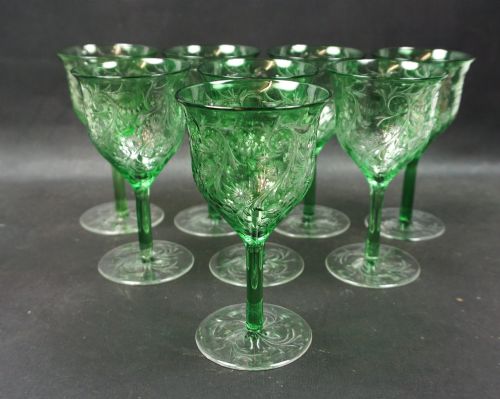
Makers utilised specialised manufacturing methods depending on the material, such as throwing clay on a potter's wheel or turning wooden items on a lathe. Silver items received hallmarks stamped directly into the metal to record the standard, assay office, and year of production. Glass drinking vessels took shape through glassblowing and cutting, sometimes incorporating opaque twists within the stem.
Antique Cup Retail Price Guide 2026
Typical asking prices for cup among the pieces listed under this phrase on Sellingantiques today, from the lower quarter to the upper quarter. They describe what is for sale here now, not the wider market.
Listings feature items from the eighteenth, nineteenth, and twentieth centuries, executed in sterling silver, porcelain, oak, and enamel.
What varies in quality
The standard of an antique cup depends heavily on the skill of the painter or silversmith who finished it. Superior porcelain pieces display crisp, hand-painted polychrome decoration and fine gilding that has not rubbed away from regular use. Metal vessels show their quality through clean hand-hammered planishing marks, balanced weight, and secure joins at the handles.
Provenance and association elevate certain examples above standard domestic wares. Pieces connected to specific royal services or identified makers command greater attention due to documented historical importance. The clarity of ceramic bodies, crispness of silver hallmarks, and intact gilding all separate ordinary items from exceptional survivals.
Charles Overing·Flight Barr And Barr·Royal Doulton·Royal Worcester·Joseph Gloster
The Antique Cup Glossary
- Porcelain
- A ceramic material made by heating raw materials, generally including clay in the form of kaolin, in a kiln. It yields a hard, non-porous body that rings when struck.
- Porringer
- A small, shallow metal or ceramic bowl equipped with one or two horizontal flat handles. Early examples frequently served soft foods or broth.
- Enamel
- A decorative glassy substance applied to metal or ceramic surfaces through firing. It provides vibrant colour and smooth protective coatings.
- Hallmark
- An official stamp applied to precious metals by an assay office. It guarantees the metal purity and dates the piece.
Antique Cup: Frequently Asked Questions
How were antique cups used?
These vessels served various functions depending on their form, ranging from morning tea and chocolate service to ceremonial toasts and christening gifts. Wealthy households utilised porcelain sets for dining rituals, while metal beakers and quaichs accompanied the consumption of wine and spirits.
Specialist drinking vessels like loving cups and presentation bowls marked significant social gatherings and civic events. Over time, many decorative pieces transitioned from active dining service to display cabinets and collections.
How do I identify porcelain periods?
Dating ceramic drinking vessels involves examining the paste, glaze quality, and painted or printed factory marks underneath the base. Different kilns used distinct clay formulas and hand-painting styles that evolved across the eighteenth and nineteenth centuries.
Comparing pattern numbers and shape names with documented factory archives helps pinpoint the exact decade of manufacture. Stylistic shifts, such as the transition from rococo curves to Regency restraint, also provide clues.
How should I clean silver cups?
Silver items require gentle washing in warm soapy water using a soft cloth to remove surface dust and residue. Avoid abrasive cloths or harsh chemical dips that strip away the natural patina accumulated over decades.
Dry the metal thoroughly with a soft lint-free towel to prevent water spots. Proper handling minimises wear on fragile handles and engraved crests.