

Antique Crystal Wine Glasses
These antique crystal wine glasses and related drinking vessels bring the weight and sparkle of Georgian, Victorian, and Edwardian craftsmanship directly to the table.
Antique Crystal Wine Glasses
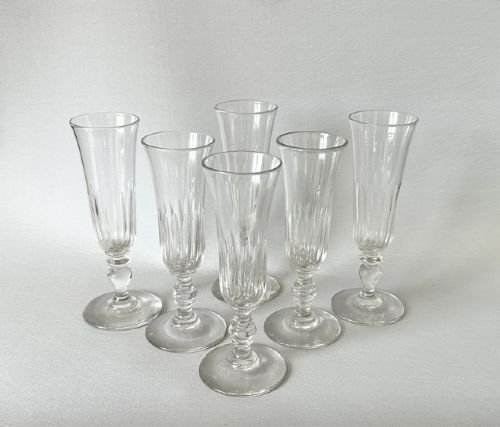
When you search for antique crystal wine glasses, you encounter a range of drinking vessels spanning the eighteenth, nineteenth, and early twentieth centuries. The selection includes delicate Georgian stemware alongside heavier Victorian rummers, Edwardian tableware, and Continental pieces.
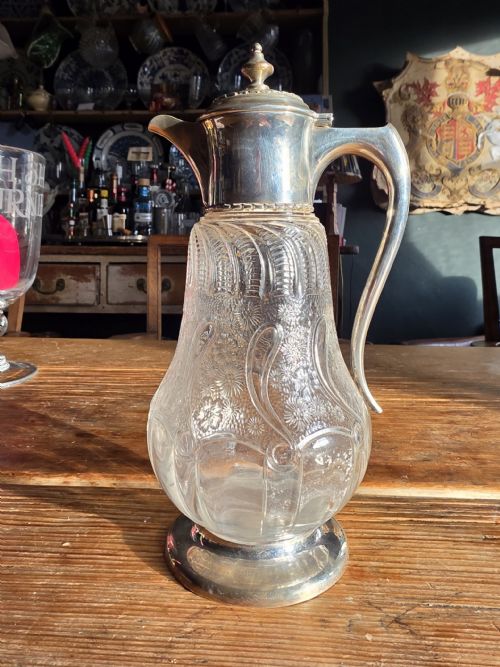
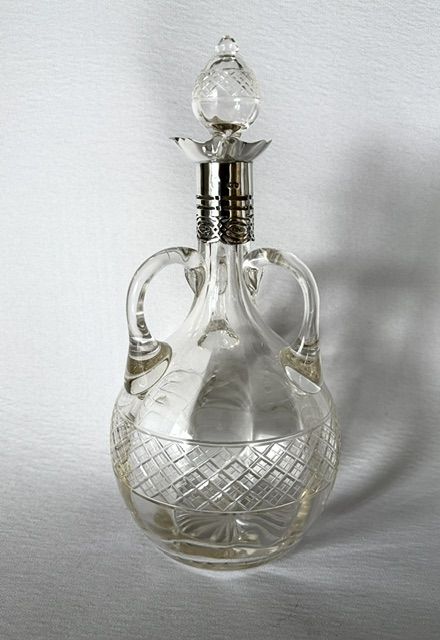
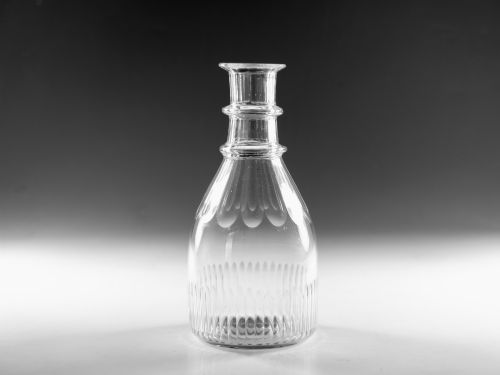
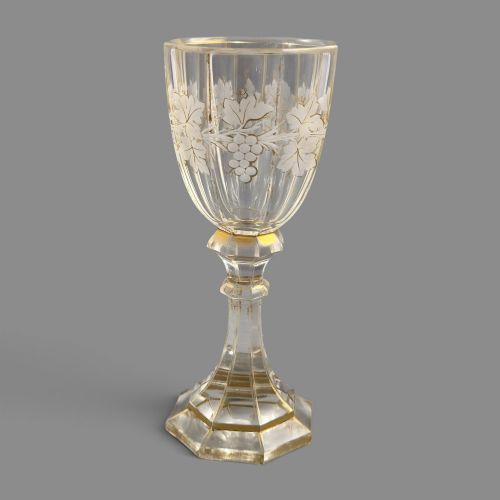
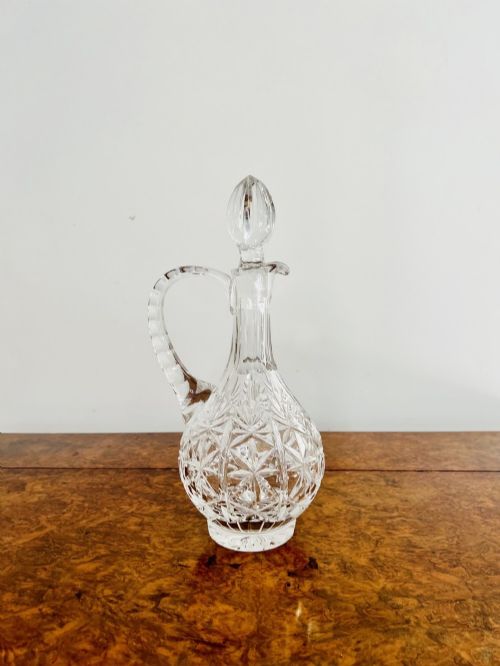
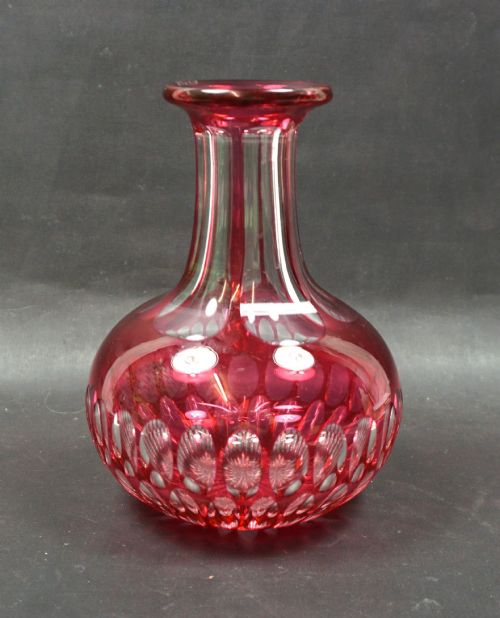
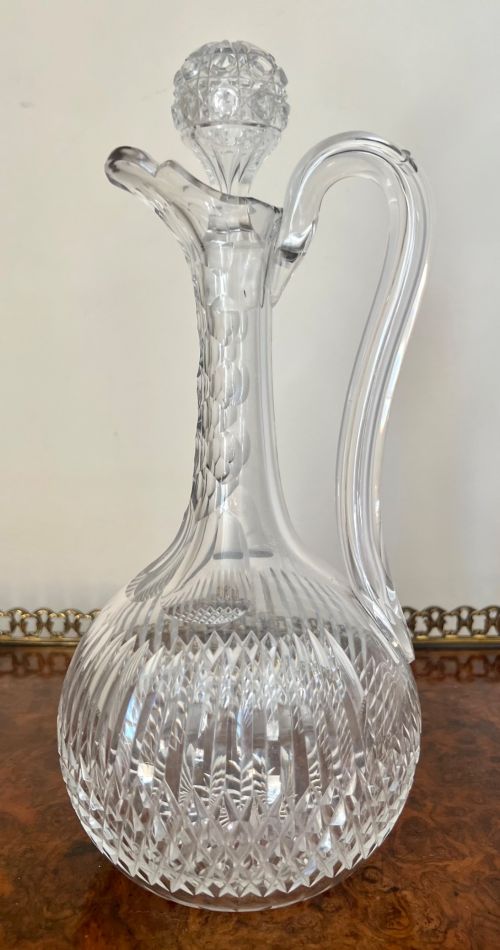
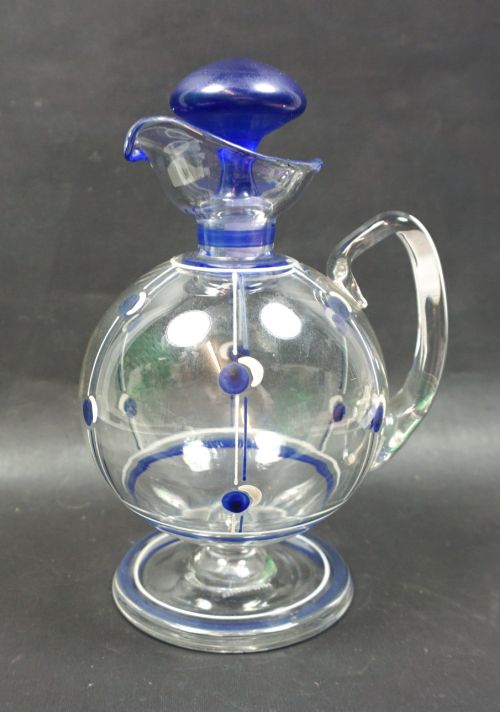
Beyond standard wine glasses, the category encompasses related forms such as carafes, decanters, claret jugs, and rummers in clear, cut, and coloured glass. English and Bohemian workshops dominate the output, supplemented by French and Czechoslovakian pieces from later decades.
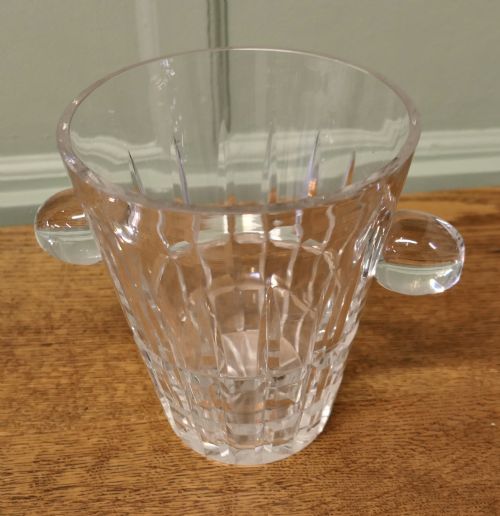
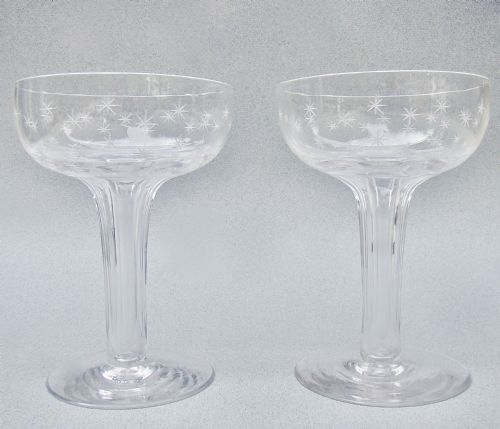
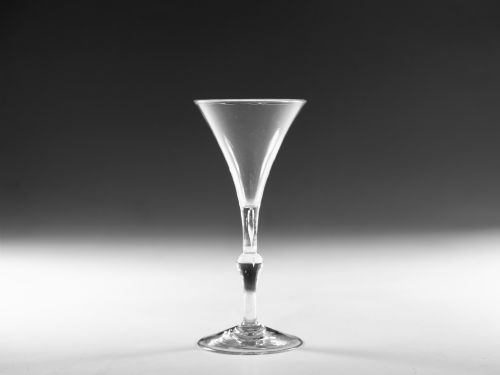
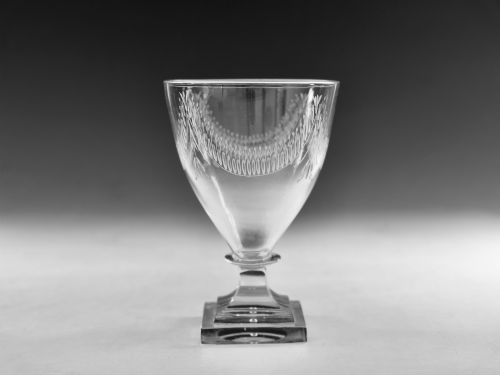
Georgian examples often display air twist or opaque twist stems with engraved bowls, whilst Victorian and Edwardian items favor deep cut glass patterns, star etching, and silver mounts.
How they were made
Makers shaped lead glass, flint glass, and crystal while molten, employing free-blowing, mold-blowing, and tool-finishing techniques to achieve the desired vessel form. Lead crystal provided the heavy weight and high refractive index essential for sharp faceting.
Workers decorated the cooled vessels through wheel-cutting, pillar and prism cutting, and surface engraving, sometimes adding enamel decoration or gilding. Silver collars, mounts, and plate were frequently added to decanters and claret jugs by silversmiths.
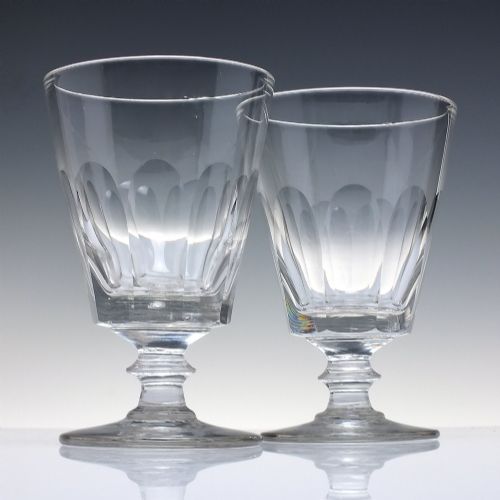
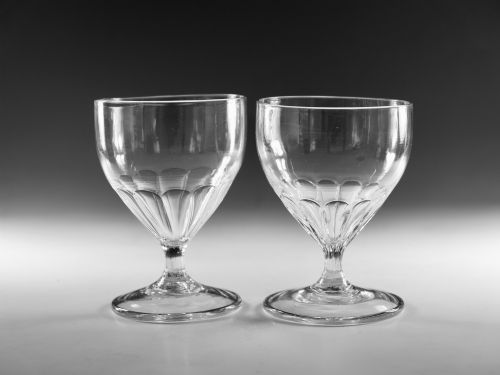
A thirsty eighteenth-century drinker could order a rummer large enough to hold a pint of claret or ale without ever leaving the dining chair.
What varies in quality
Quality rests upon the clarity of the metal, the precision of the cutting, and the balance of the form in the hand. Early glass exhibits subtle hand-finished irregularities, whereas finer Victorian and Edwardian cutting shows crisp, deep facets with sharp edges.
The sophistication of the stem formation in eighteenth-century pieces, such as multi-spiral air twists or double-series opaque twists, separates standard production from superior work. Decoration such as delicate wheel engraving or vibrant enamelling further distinguishes finer examples.
Asprey and Co. Ltd·Moser·Baccarat·Theresienthal
The Antique Crystal Wine Glasses Glossary
- Rummer
- A large, sturdy drinking glass popular in the eighteenth and nineteenth centuries, often used for ale, wine, or punch. These vessels typically sit on a short stem with a wide foot.
- Air twist
- An internal decorative feature within the stem of a drinking glass, formed by drawing bubbles of air through the molten metal and twisting the stem during manufacture.
- Opaque twist
- A white or coloured enamel glass rod enclosed within the clear glass stem, creating a solid opaque spiral pattern characteristic of mid-eighteenth-century English glass.
- Römer
- A traditional Continental European wine goblet, often executed in green or coloured Bohemian glass with a large bowl and a studded raspberry prunt stem.
- Claret jug
- A pouring vessel designed specifically for serving red wine at the table, frequently combining cut crystal bodies with silver or silver-plated mounts and hinged lids.
Antique Crystal Wine Glasses: Frequently Asked Questions
How do I date an old wine glass?
Dating relies on combining the form of the bowl, the construction of the stem, and the characteristics of the metal itself. Eighteenth-century glasses often feature folded feet, pontil marks on the base, and air or opaque twist stems.
Later Victorian and Edwardian pieces show heavier machine-moulded bases, deeper press-cutting, and brighter, harder lead crystal. Comparing the object to documented examples from the Georgian and Victorian eras helps narrow the decade of production.
What is lead crystal glass?
Lead crystal is glass manufactured with the addition of lead oxide, which increases the density, weight, and refractive index of the material. This composition allows artisans to cut deep, sharp facets that refract light brilliantly.
Early flint glass and later nineteenth-century lead crystal both share this heavy, resonant quality, which distinguishes them from modern soda-lime glass.
How do I identify cut glass patterns?
Cut glass patterns range from simple geometric flutes and pillars to complex star-etched motifs and elaborate diamond faceting. Georgian cutting tended to be shallow and structural, focusing on pillars, prisms, and flat facets.
Victorian and Edwardian workshops introduced deeper, busier patterns that covered the entire bowl and stem. Examining the crispness of the cut edges reveals whether the pattern was wheel-cut by hand or pressed in a mould.
Why do some glasses have pontil marks?
A pontil mark is the rough scar left on the underside of a vessel where the punty rod was attached to hold the glass during free-blown manufacturing. Its presence indicates that the piece was hand-blown and finished individually rather than machine-pressed.
Skilled makers often ground and polished these marks smooth on finer pieces, whilst rough pontil marks remain common on earlier drinking glasses and rummers.