



Antique Crystal Tantalus
An antique crystal tantalus secures fine spirits within a locking frame of timber and metal, combining practical hospitality with Victorian ingenuity.
Antique Crystal Tantalus
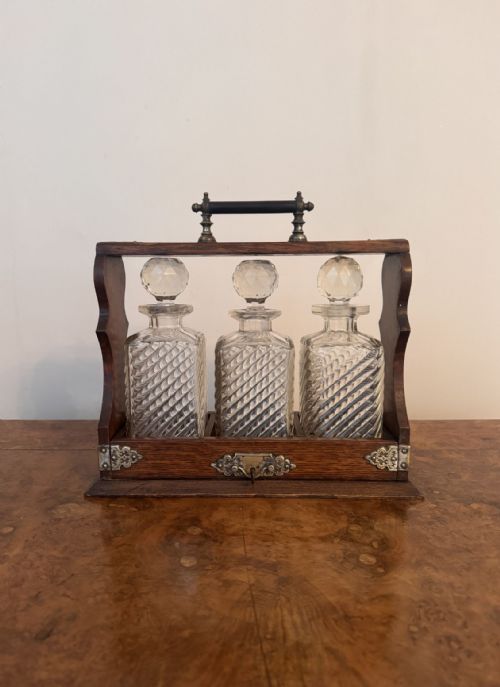
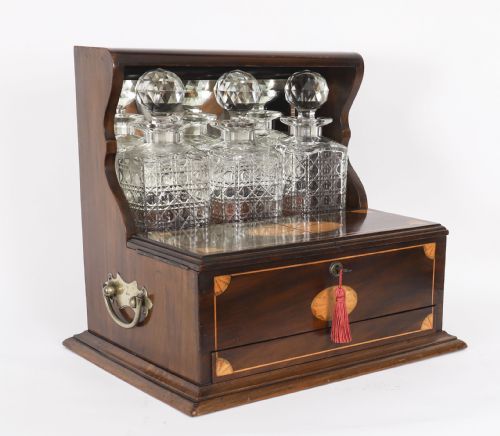
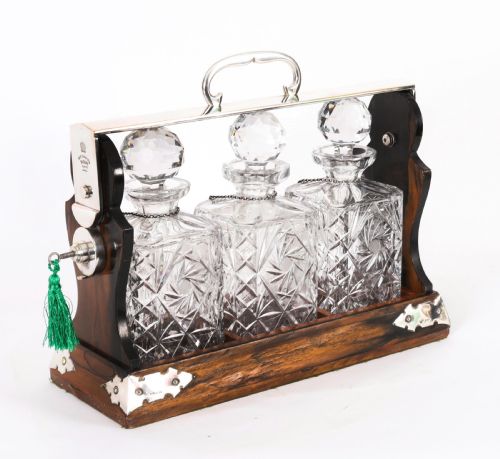
An antique crystal tantalus houses cut glass or crystal decanters within a secure wooden or metal framework designed to prevent unauthorized access to the contents. The locking mechanism holds the stoppers firmly in place, allowing the decanters to be seen clearly while remaining physically inaccessible until the key is turned.
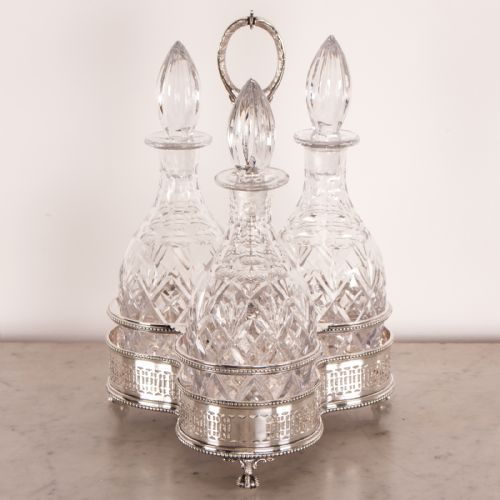
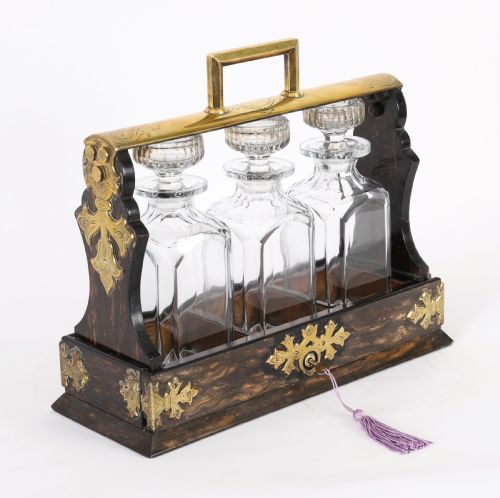
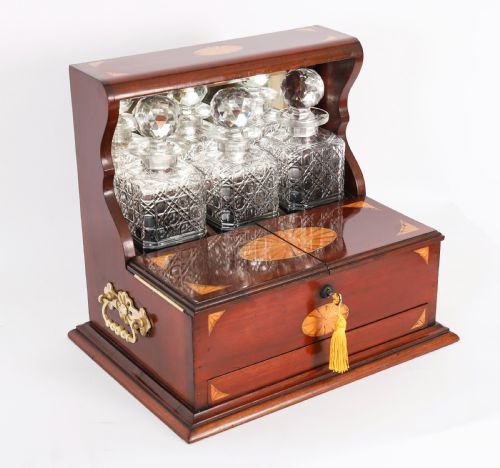
Most examples encountered on this page date from the Victorian and Edwardian periods, stretching from the mid-nineteenth century into the early twentieth century. These pieces frequently incorporate sturdy timbers such as oak, walnut, pollard oak, satinwood, and exotic coromandel, often paired with silver plated mounts or brass fittings.
Beyond standard spirit containers, many variants include integrated games compendiums, secret drawers, or dry bar storage spaces equipped for cards and counters. They appear as single bottle carriers, double spirit frames, or larger three and four bottle after dinner display pieces.
How they were made
Makers constructed the exterior frames using dense hardwoods, frequently employing decorative veneers like burr walnut, flame mahogany, and coromandel over solid carcases. Brass and silver plated metal components formed the locking bars, hinges, and side handles that secured the structure.
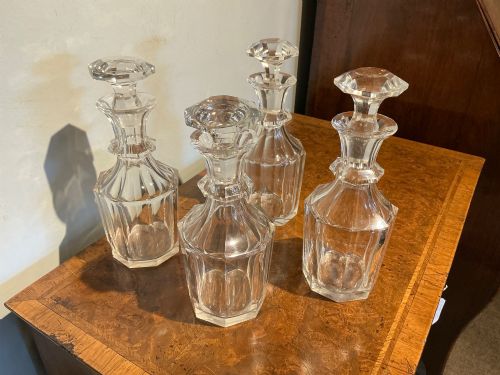
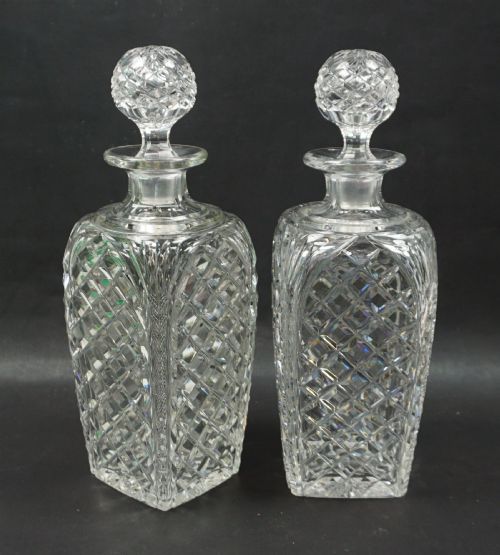
The glass elements consist of heavy cut crystal or cut glass decanters, often featuring deep diamond patterns, star-cut bases, and matching faceted stoppers. Metal locking brackets engage directly with the necks of these bottles, preventing the removal of the stoppers and consequently locking the decanters inside the frame.
Listings feature oak, walnut, coromandel, and mahogany frames paired with cut crystal decanters across the Victorian and Edwardian eras.
What varies in quality
The choice of cabinet timber and the complexity of the internal fittings largely determine the standing of an individual piece. Simple solid oak frames sit at the accessible end of the scale, whereas intricately veneered coromandel or burr walnut housings equipped with integrated games drawers and folding playing surfaces represent more elaborate craftsmanship.
Hardware execution and branding also distinguish standard production from superior workshops. Patented locking mechanisms bearing maker marks, combined with heavy silver plating on the metal mounts and deeply hand-cut crystal decanters, elevate the overall execution of the design.
Betjemann And Sons·Walker And Hall·Baccarat·Elkington·Hukin And Heath·The Goldsmith Co
The Antique Crystal Tantalus Glossary
- Cave a liqueur
- A French fitted liquor cabinet or box containing glass decanters and matching glasses, often featuring ormolu mounts and fine wood veneers. These serve a similar entertaining purpose to British tantalus stands.
- Compendium
- A combination box or cabinet housing multiple pastimes or utilities, such as card decks, gaming counters, and dice alongside spirit decanters. They provide complete after dinner entertainment in a single tabletop case.
- Coromandel
- A dense, heavily figured East Indian cabinet wood with dark brown and black streaks, highly valued for luxury Victorian boxes and tantalus frames. It provides a striking striped grain that takes a high polish.
- Silver plate
- A thin layer of silver fused or electroplated over a base metal foundation, commonly utilised for the handles, locking bars, and mounts of nineteenth century drinks furniture. It offers the appearance of solid silver at a lower weight and cost.
Antique Crystal Tantalus: Frequently Asked Questions
How do you open a tantalus?
A small key unlocks the metal restraining bar at the top of the frame. Once turned, the retaining bracket swings upward or slides sideways, releasing the necks of the crystal decanters so they can be lifted clear.
Original keys are occasionally absent, but skilled locksmiths can often fit a replacement to the existing mechanism without altering the historic metalwork.
Were these locked to stop servants?
Household management in the nineteenth century relied on strict control over alcoholic provisions, and the lock prevented domestic staff from sampling the household spirits.
It also served to keep expensive imported liqueurs secure from children and casual guests when the master of the house was away from the dining room.
How do you date an antique tantalus?
Stylistic clues, wood choices, and patent marks help establish the era of manufacture. Mid-nineteenth century pieces often feature heavy coromandel or burr walnut with ornate brass mounts, while Edwardian versions lean towards simpler golden oak frames.
Maker stamps on the silver plated locking bars or hallmarked silver mounts provide more precise manufacturing years.
Can you use the decanters daily?
These glass vessels function perfectly for serving port, whisky, and brandy during modern gatherings. Hand washing is essential to protect the aged cut crystal and avoid thermal shock from dishwashers.
Care must also be taken with antique stoppers, ensuring they remain matched to their original decanter bodies.