




Antique Crossover Ring
An antique crossover ring pairs two gems in a romantic twist, offering historic elegance and a deeply personal statement.
Antique Crossover Ring
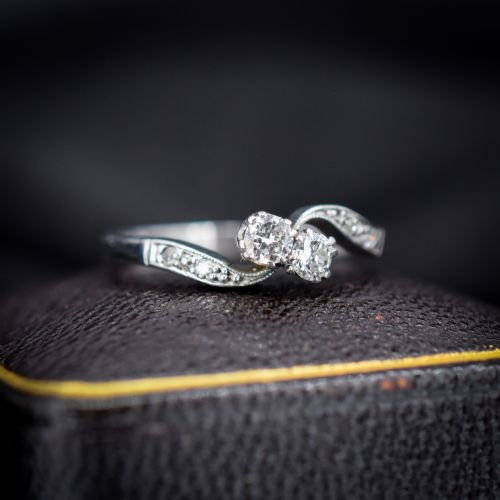
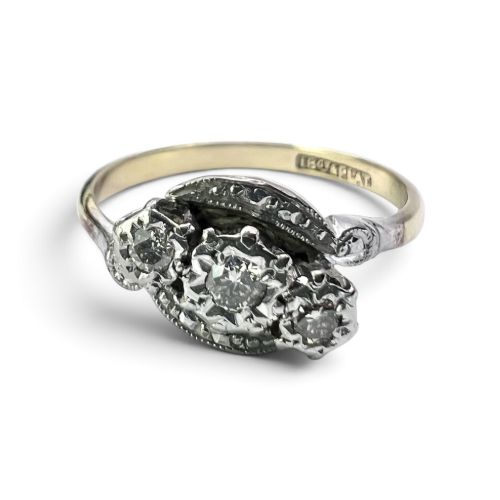
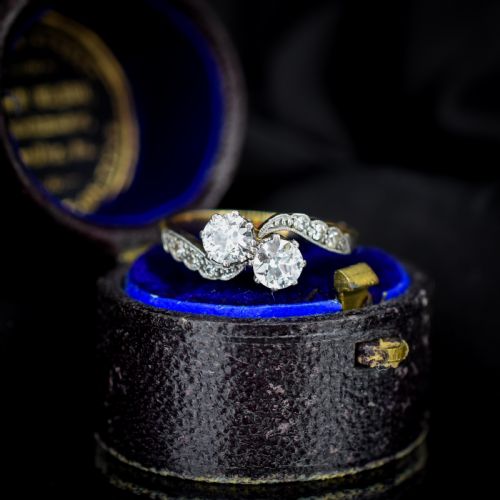
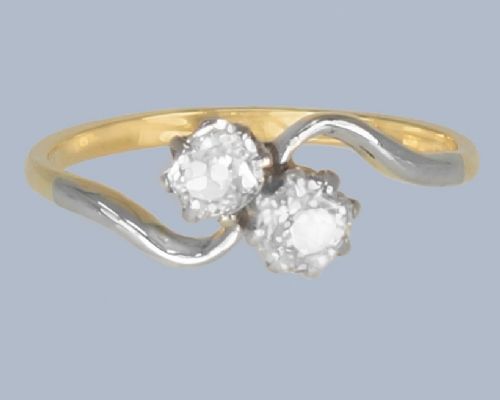
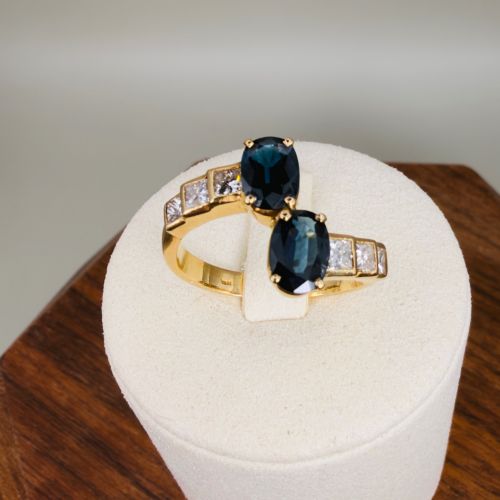
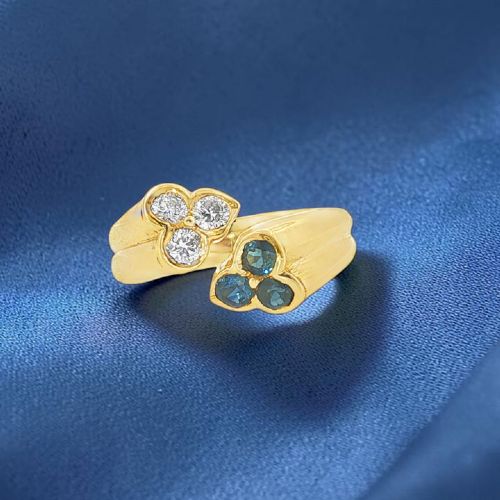
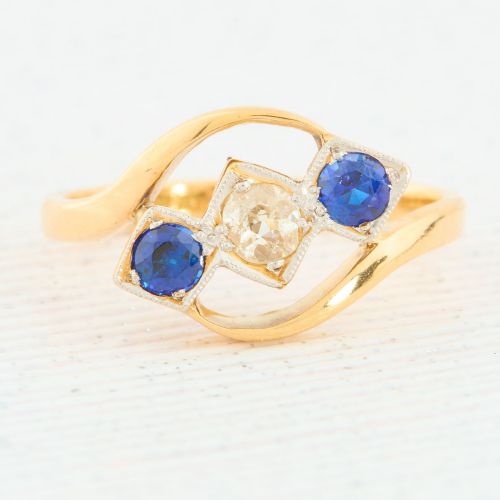
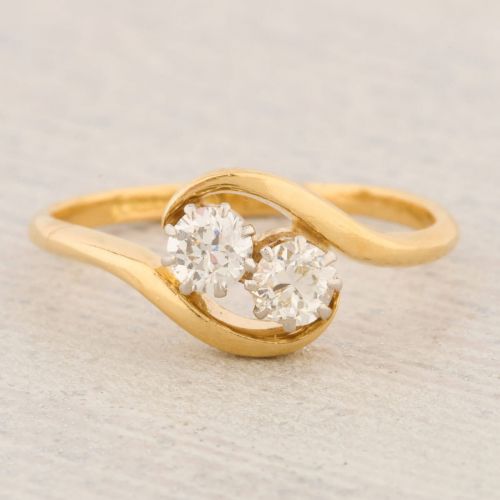
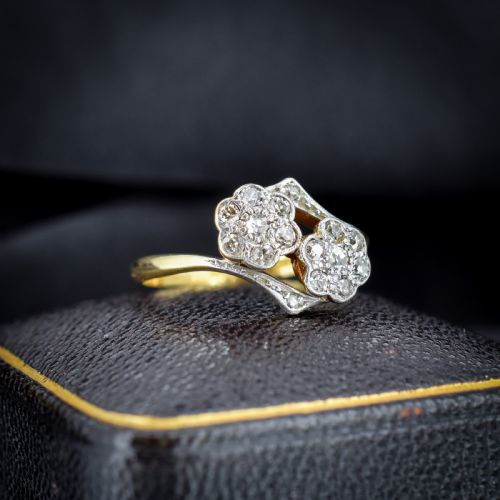
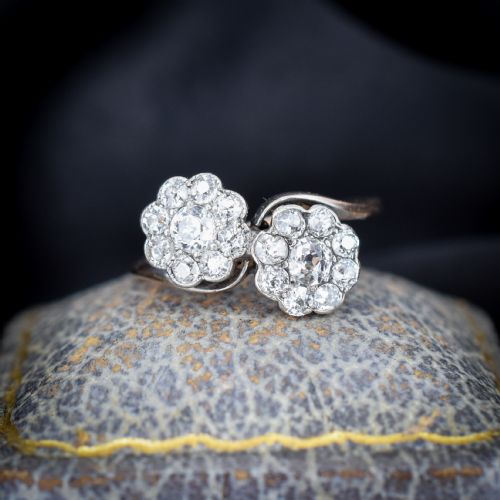
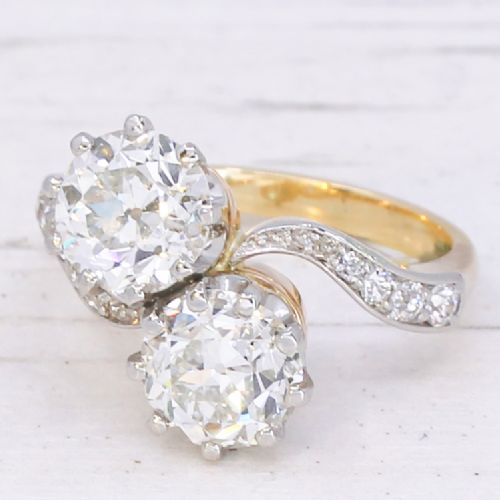
An antique crossover ring wraps two distinct gems around the finger in a continuous, flowing embrace. Often known as a toi et moi ring, this design pairs opposing stones to symbolise two lives joined as one.
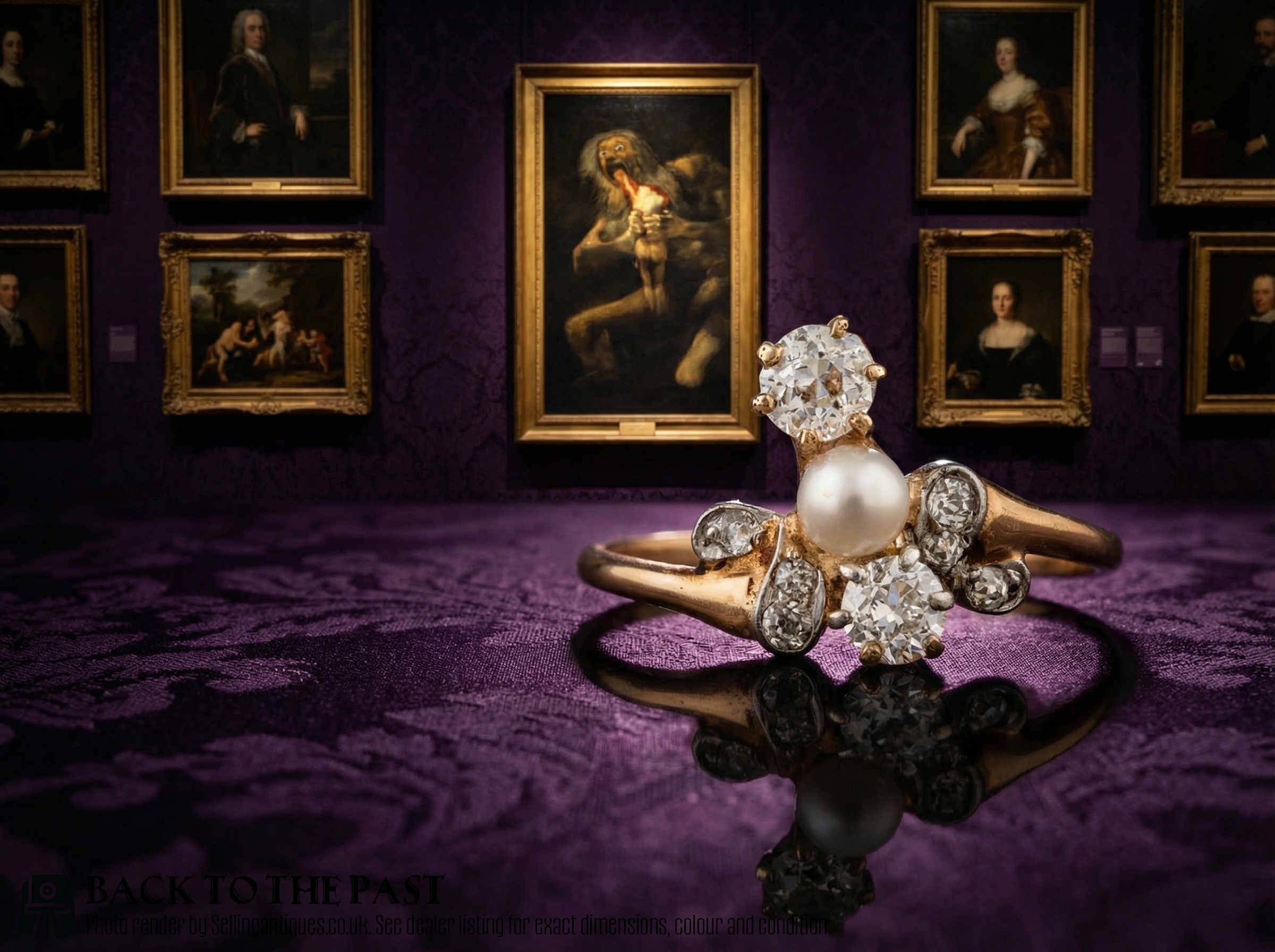
You will most frequently meet Edwardian examples on this page, alongside pieces from the Art Nouveau and Art Deco periods. These rings combine central diamonds with sapphires, pearls, opals, or turquoise.
The form spans the nineteenth century up to nineteen-thirty, capturing shifts from nineteenth-century warmth to Edwardian platinum settings. Each piece balances sculptural curves with low-profile finger placement.
How these rings were made
Goldsmiths worked with eighteen-carat yellow gold, fourteen-carat gold, and platinum to build secure mountings for twin stones. Platinum became favoured for delicate claw settings that held old-cut diamonds with minimal metal distraction.
Craftsmen shaped shoulders and bands into graceful twists that guided the eye towards the central pairing. Stones such as rose-cut diamonds, turquoise, and pearls were hand-set into these fluid metal pathways.
Antique Crossover Ring Retail Price Guide 2026
Typical asking prices for crossover ring among the pieces listed under this phrase on Sellingantiques today, from the lower quarter to the upper quarter. They describe what is for sale here now, not the wider market.
Victorian jewellers occasionally added tiny hidden engraved forget-me-nots beneath the crossover curves for a secret whisper of romance.
What varies in quality
The distinction between tiers rests on the harmony of the two central gems and the crispness of the twist. Superior examples feature well-matched stone sizes and colours that complement rather than overpower each other.
Fine construction shows in the weight of the gold and the durability of the platinum work securing delicate edges. Master goldsmiths achieved seamless transitions where the shank splits into the dual embrace.
The Antique Crossover Ring Glossary
- Toi et Moi
- French for you and me, describing a ring featuring two principal stones side by side. This romantic motif gained immense popularity during the Edwardian era.
- Old Cut
- A historic diamond cutting style with a small table and high crown, preceding modern brilliant cuts. These stones display a softer, candlelit sparkle.
- Twist
- The structural curve of the band as it sweeps upward to cross over the finger. It creates dynamic movement in an otherwise static metal form.
- Platinum
- A dense, white precious metal utilised for fine jewellery settings from the Edwardian period onward. Its strength allowed jewellers to create ultra-fine claws.
Antique Crossover Ring: Frequently Asked Questions
How do I date an Edwardian crossover ring?
Edwardian rings typically combine eighteen-carat yellow gold shanks with platinum-topped settings. Look for delicate openwork and old-cut diamonds.
Makers of this era favoured romantic motifs like the toi et moi layout, often pairing diamonds with pearls, sapphires, or turquoise.
Can I wear an antique crossover ring daily?
Daily wear depends on the specific materials used in the setting, particularly softer stones like pearls or opals. Extra care protects antique claws.
Consulting a jeweller for periodic checks ensures the security of old-cut diamonds and delicate twisted shanks over time.
What does toi et moi mean?
Toi et moi translates from French as you and me, representing a partnership of two souls. It remains a classic designation for two-stone rings.
This romantic concept guided jewellers to pair contrasting gems, such as a diamond and a sapphire, in a shared embrace.