

Antique Cream Sofa
An antique cream sofa brings neutral warmth and period character to a room, offering deep comfort built on centuries of craftsmanship.
Antique Cream Sofa
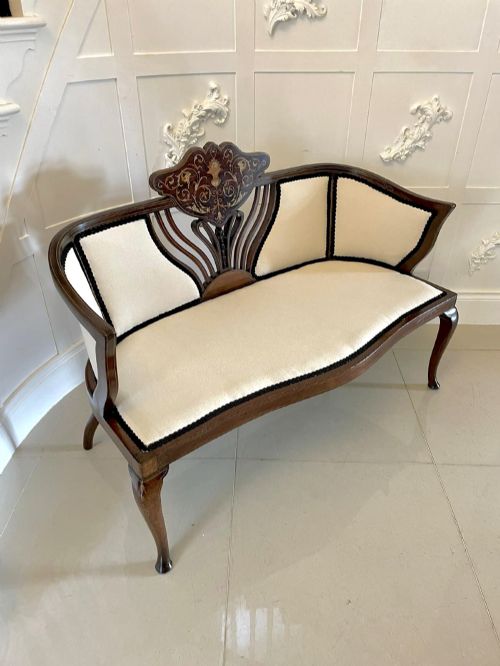
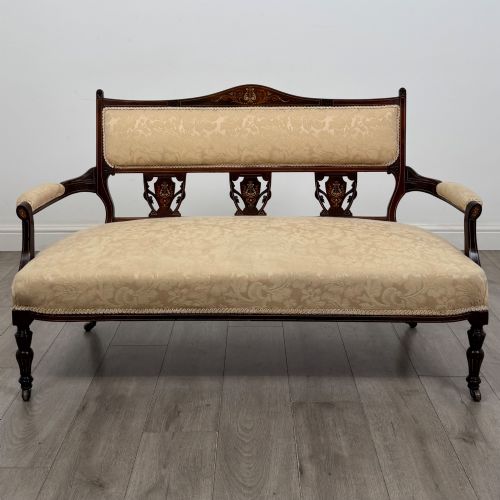
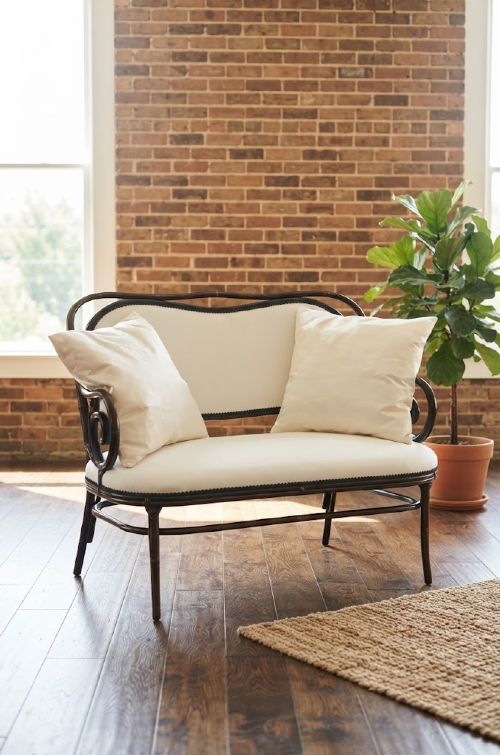
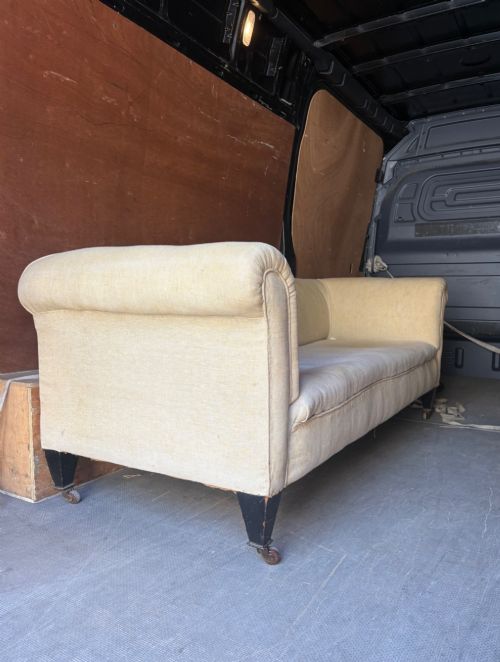
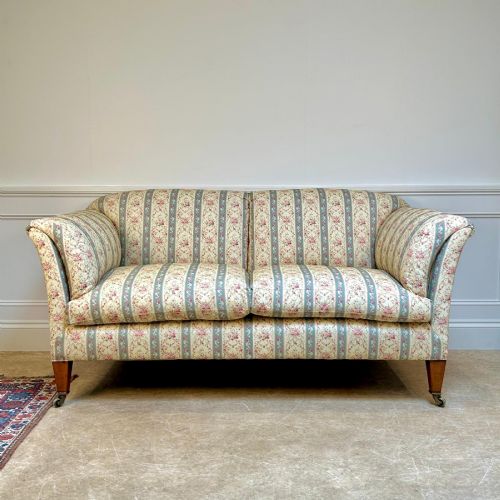
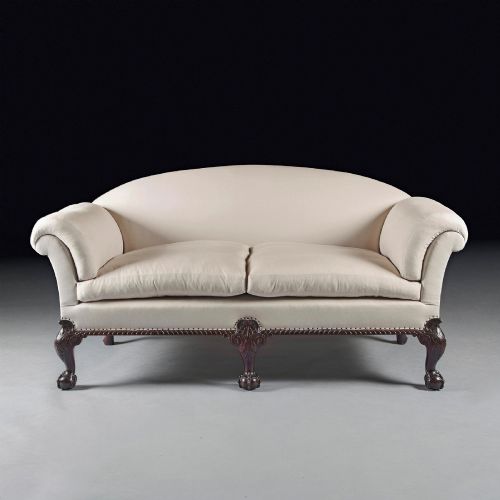
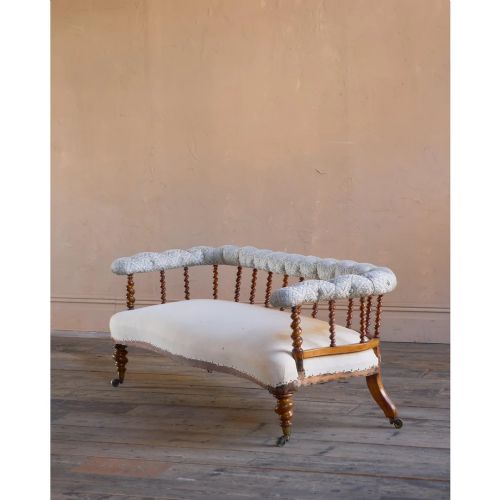
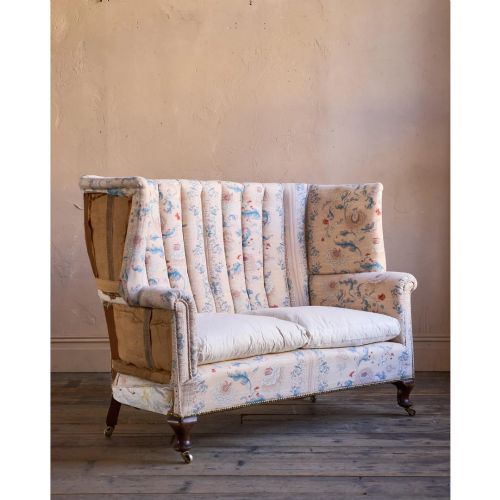
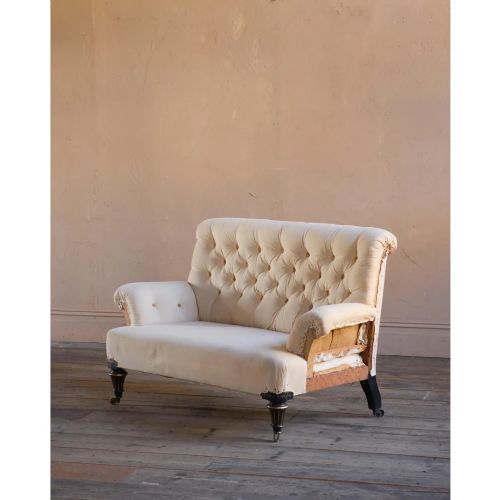
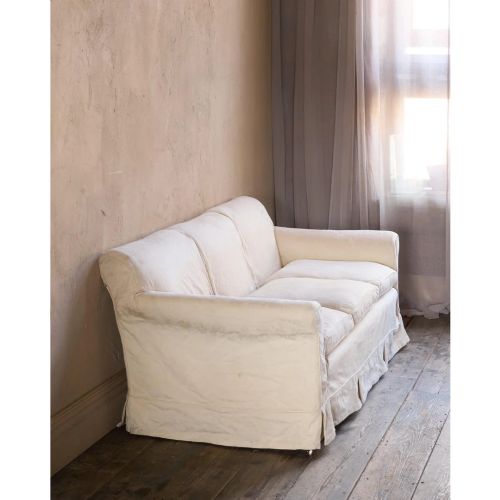
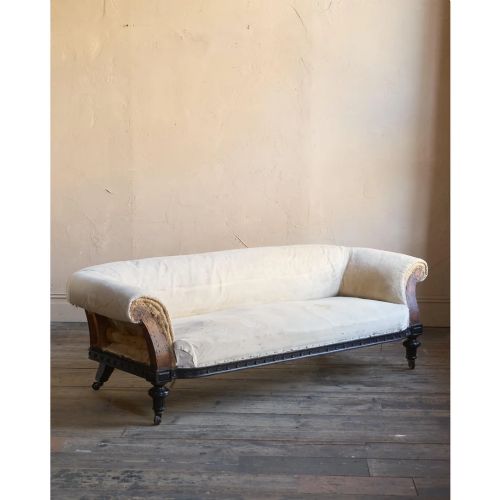
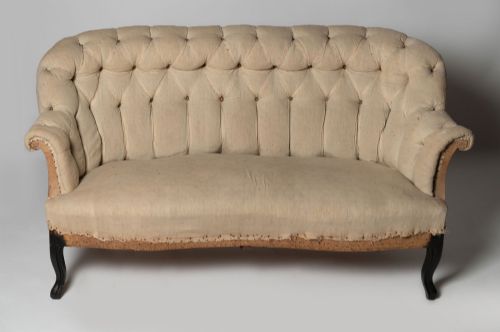
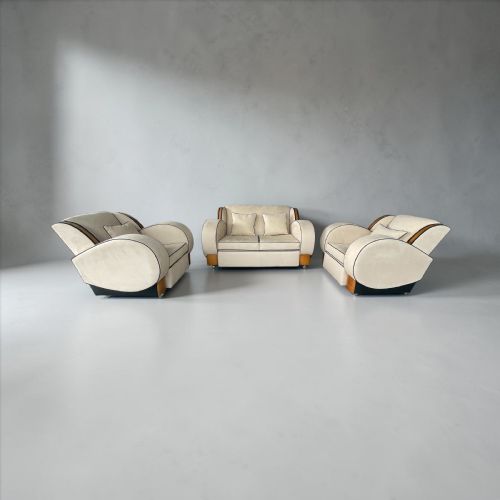
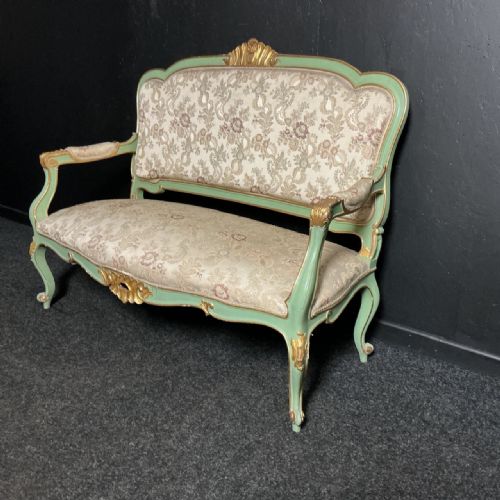
When buyers search for an antique cream sofa, they encounter a range of forms from substantial Victorian Chesterfields to graceful Edwardian settees and French painted frames. These seating pieces typically appear upholstered in calico, linen, leather, or neutral fabric, providing a versatile foundation for traditional and contemporary interiors.
The selection on this page spans the nineteenth century through the Art Deco period, including French salon pieces, robust country house sofas, and elegant chaise longues. Each example displays the specific proportions and decorative details characteristic of its period of origin, from carved walnut frames to clean curved lines.
Materials and construction
The foundational frames of these seating pieces rely on hardwoods such as mahogany, walnut, and timber, selected for structural strength and often shaped with hand-carved details or inlaid veneers. Brass mounts, ormolu, and parcel gilt accents frequently enhance the framework of French and Victorian designs.
Upholstery relies on traditional textiles including natural linen, calico, leather, and woven fabric over supportive internal springing or stuffing. Exposed wooden elements show specialist joinery, polished finishes, or painted surfaces ranging from cream to ebonised treatments.
Listings feature eighteenth and nineteenth century styles alongside Art Deco designs, utilising mahogany, walnut, brass, leather, and calico.
Assessing quality and craftsmanship
Quality rests upon the integrity of the timber frame, the precision of any carved ornamentation, and the authenticity of the period materials used in its construction. Pieces originating from notable workshops demonstrate superior joinery and more refined proportions than standard commercial outputs of the same era.
The standard of upholstery work and the preservation of original finishes, whether French polish or period paint, dictate the overall integrity of the piece. Subtle details such as hand-turned legs, well-executed inlays, and robust internal webbing separate standard seating from exceptional examples.
Thonet·Howard & Sons·C. Hindley & Sons·Jackson and Graham·Harry and Lou Epstein
The Antique Cream Sofa Glossary
- Chesterfield
- A large upholstered sofa characterised by deep buttoning and rolled arms of equal height to the back. This traditional British form provides deep seating comfort.
- Chaise Longue
- An upholstered long chair or daybed designed for reclining, featuring a single backrest raised at one end. Originating in French fashion, it combines a chair with an extended seat.
- Cabriole Leg
- A furniture leg that curves outward in a convex arc and then bends inward in a concave arc, ending in a pad, scroll, or claw foot. This form derives from classical furniture traditions.
- Ormolu
- Gilded bronze mounts applied to furniture for decorative effect, commonly found on French revival and Empire pieces. The technique involves applying a gold-mercury amalgam to bronze.
- Settee
- A small upholstered bench or sofa with a back and arms, designed to seat two or more people. The form developed during the seventeenth century as a evolution of the wooden bench.
Antique Cream Sofa: Frequently Asked Questions
How do I clean an antique sofa?
Surface dust should be removed regularly using a soft brush attachment on a vacuum cleaner, taking care around delicate trim or carved woodwork.
Professional cleaning is recommended for antique textiles and original upholstery to prevent damage to fragile fibres and historic padding materials.
Are these sofas comfortable for daily use?
Many period pieces, particularly Victorian Chesterbacks and deep lounge suites, were built for substantial daily comfort with robust internal springing.
Some older pieces may require re-webbing or re-stuffing by a specialist restorer to restore their original supportive seating qualities.
How do I identify the period of a sofa?
Period identification relies on examining the timber species, joinery methods, decorative motifs, and the overall silhouette of the wooden frame.
Comparing the stylistic details against documented examples from specific eras such as the Victorian or Edwardian periods helps confirm the date.
Can I reupholster an antique sofa?
Upholstery can be updated using traditional materials and techniques that respect the historical integrity and structural design of the frame.
Many pieces arrive in calico or worn fabric specifically to allow buyers to select a bespoke covering that matches their interior decor.