



Antique Covered Vegetable Server
An antique covered vegetable server brings heavy silver plate, earthenware, and porcelain to the dining table, keeping grand meals warm with period style.
Antique Covered Vegetable Server
An antique covered vegetable server is a lidded vessel designed to keep side dishes warm at the table, spanning forms such as entree dishes, sauce tureens, and soup tureens. These pieces emerge in styles including Georgian, Victorian, Edwardian, and Art Deco, reflecting the changing tastes of dining rooms across the eighteenth, nineteenth, and early twentieth centuries.
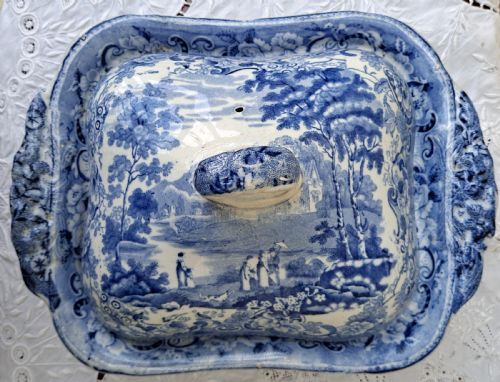
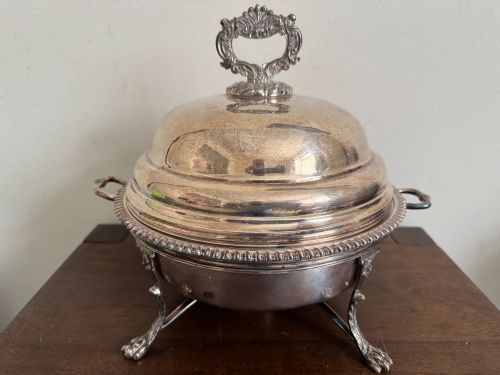
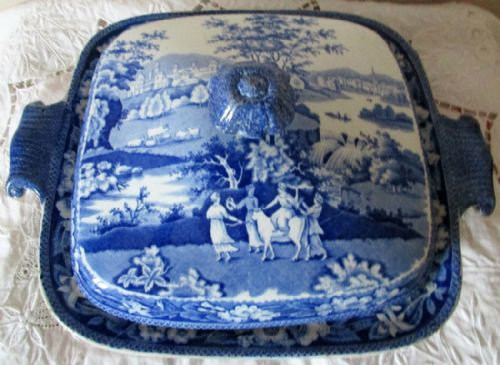
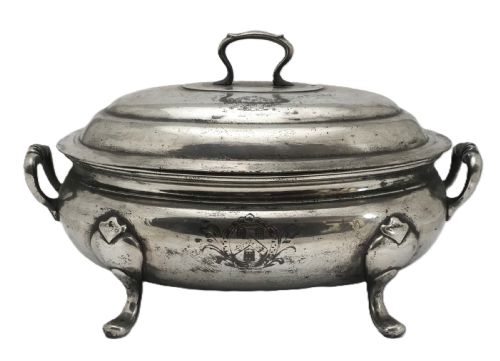
The most common versions met on this page are silver plated entree dishes from the Edwardian and Victorian eras, alongside blue and white transfer-printed earthenware tureens from the nineteenth century. Makers and potteries utilise earthenware, porcelain, sterling silver, and silver plate to construct vessels that vary from simple domestic pottery to elaborate pieces engraved with coats of arms.
How they were made
Silversmiths constructed metal servers using sterling silver, Old Sheffield Plate, and electroplated nickel silver on base metals, often incorporating gold leaf highlights or hand-engraved armorials. Pewter and copper also appear, shaped through hammering, casting, and soldering to create sturdy frames and matching lids.
Ceramic servers rely on earthenware, ironstone, and porcelain bodies finished with glazes and blue and white transfer printing. Potteries such as Mason's and Copeland & Garrett fired these clay bodies at high temperatures to produce durable vessels capable of holding hot food.
Listings feature pieces spanning the eighteenth, nineteenth, and twentieth centuries, utilising materials from earthenware and porcelain to silver plate and sterling silver.
What varies in quality
The weight of the metal and the thickness of the silver plating separate standard utility pieces from finer examples. Heavy silver plate and solid sterling silver maintain their structural integrity and surface finish through decades of use, whereas thinner plating wears down to the base metal over time.
In ceramics, the crispness of the transfer print and the translucency of the porcelain or ironstone dictate quality. Finer earthenwares show precise registration in patterns like Europa or Rural Scenery, while lesser pieces exhibit blurred transfers and uneven glazing.
James Wallace and Co·John and Richard Riley·Mappin and Webb·Matthew Linwood·William Hutton and Sons·Copeland and Garrett·Christofle and Gallia
The Antique Covered Vegetable Server Glossary
- Entree dish
- A lidded serving vessel specifically shaped for portions of meat or vegetables, usually rectangular or oval in outline.
- Tureen
- A deep, bowl-like serving vessel equipped with a cover, used for soups, sauces, or vegetables at formal meals.
- Old Sheffield Plate
- An early composite material made by fusing a thin sheet of sterling silver to a thicker copper core, identified by subtle hints of copper showing at seams and edges.
- Transfer printing
- A pottery decoration technique where an engraved copper plate transfers a design onto tissue paper, which is then pressed onto the ceramic body before glazing.
- Ironstone
- A dense, vitreous type of earthenware patented in the nineteenth century for its durability and resistance to chipping, frequently decorated in Chinoiserie styles.
Antique Covered Vegetable Server: Frequently Asked Questions
What is an antique covered vegetable server?
An antique covered vegetable server is a lidded dish or tureen created to hold and insulate side dishes during formal dining.
These pieces range from silver plated Edwardian boxes to nineteenth-century blue and white pottery tureens and George III sterling silver vessels.
How were covered vegetable servers used?
They sat on the dining table or sideboard, keeping vegetables, sauces, and entrees warm until served to guests.
The matching cover trapped heat and steam, while side handles allowed servants or hosts to lift the lid easily.
How do I clean silver plated servers?
Silver plated servers require gentle cleaning with a specialised silver polish and a soft cloth to avoid damaging the metal plating.
Harsh abrasives strip away the thin layer of silver, exposing the base metal underneath.
Can I use ceramic tureens for food?
Antique ceramic tureens and vegetable servers can hold food, provided the glaze is intact and free from major structural cracks.
Hand washing protects the historic earthenware and ironstone bodies from thermal shock and modern detergents.