
Antique Covered Jar
An antique covered jar offers both practical containment and decorative presence, ranging from humble kitchen earthenware to intricate porcelain cabinet pieces.
Antique Covered Jar
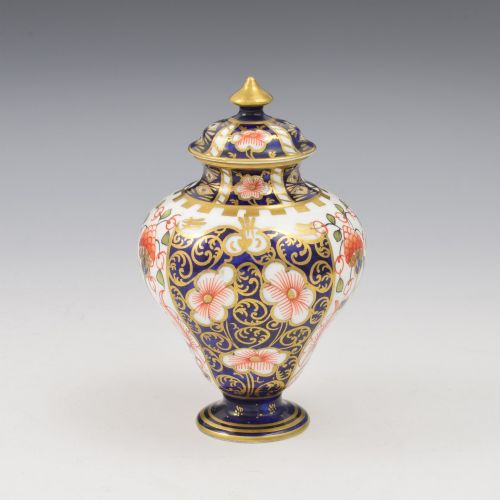
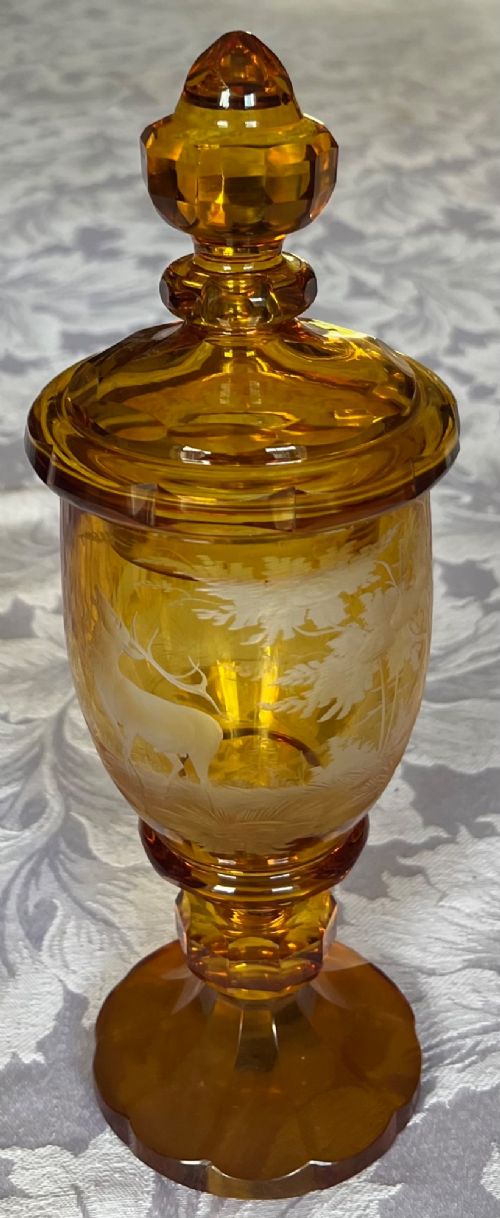
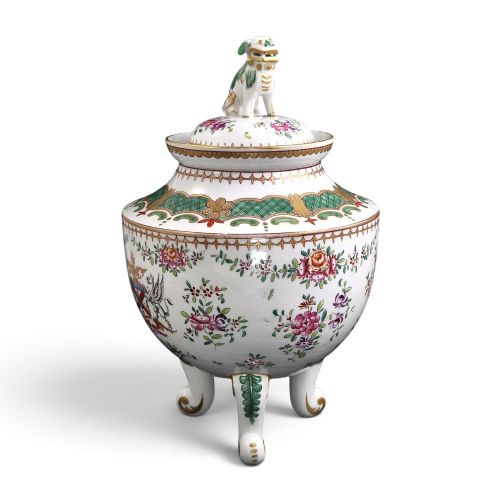
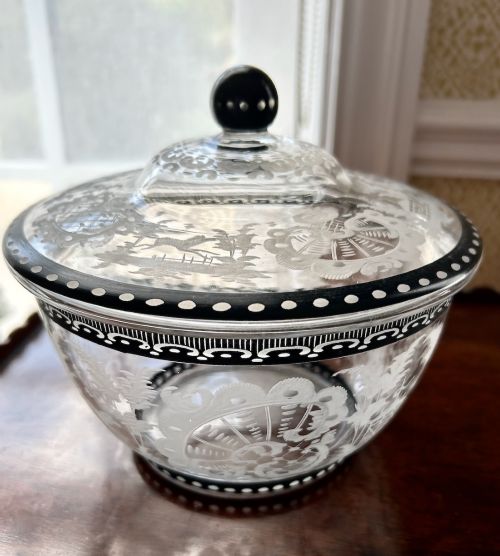
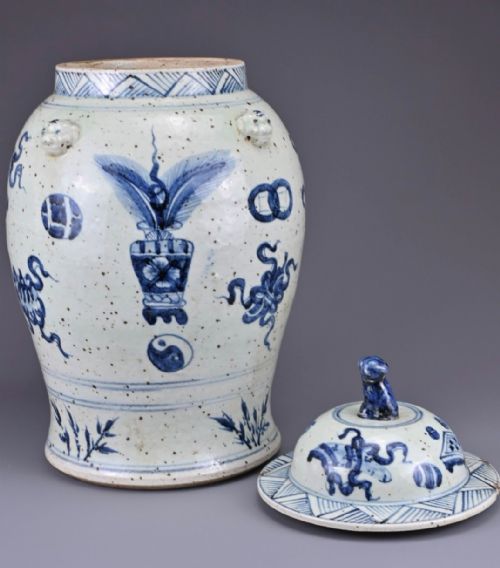
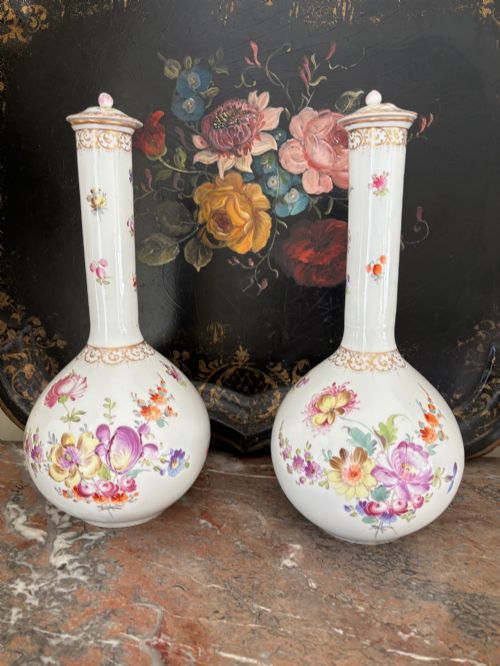
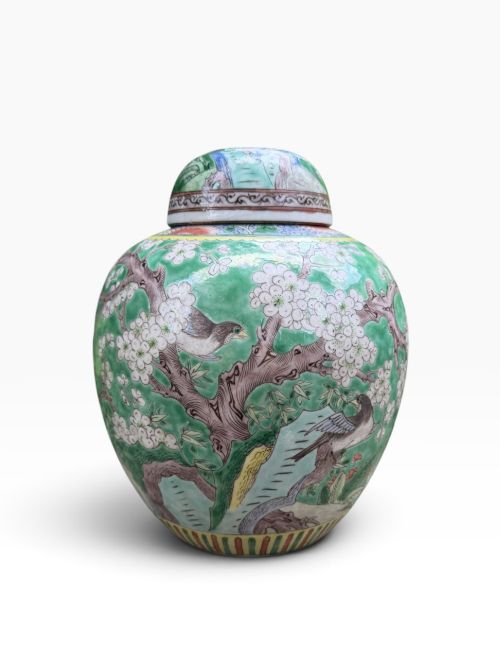
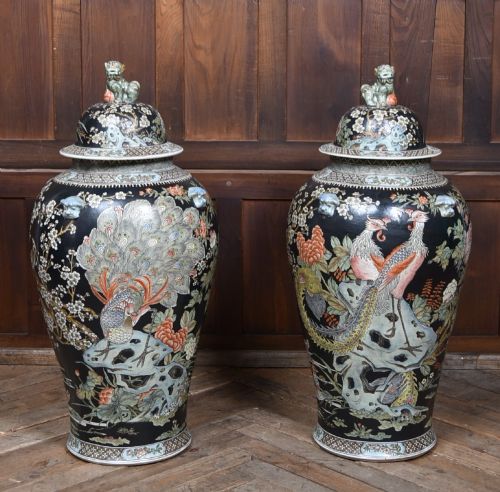
An antique covered jar encompasses a diverse array of lidded vessels designed for storage, display, and utility across centuries. When exploring this selection, buyers frequently encounter porcelain ginger jars, earthenware urns, and glass display pieces hailing from Victorian, Georgian, and Qing periods.
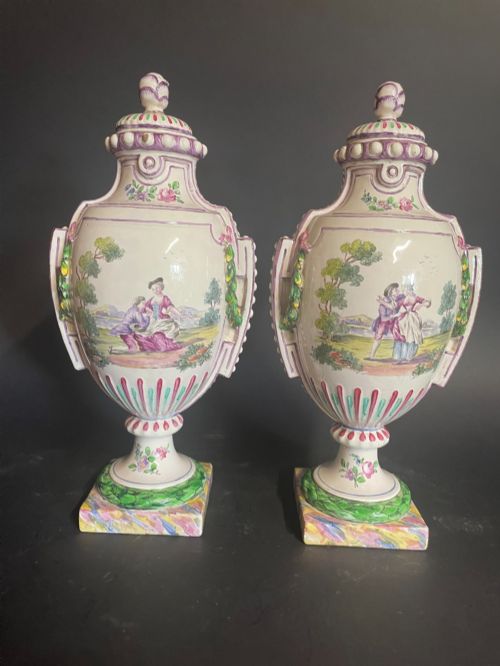
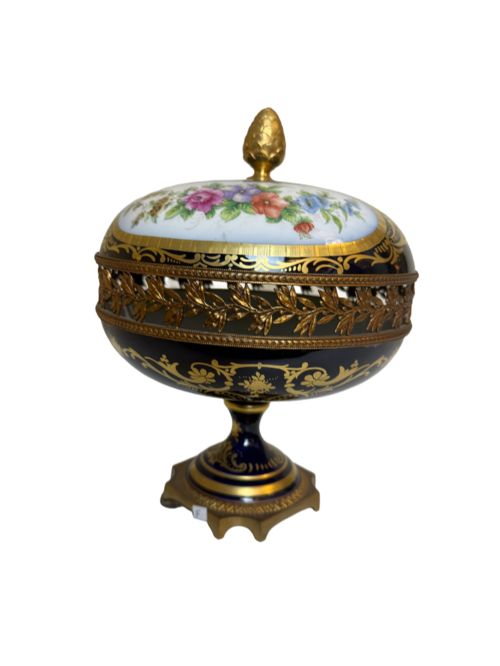
The domestic and decorative roles of these items vary widely, spanning from apothecary jars and tobacco containers to table sugar bowls and pot-pourri vessels. Continental workshops, British potteries, and East Asian kilns all contributed distinct regional forms to this enduring category.
How They Were Made
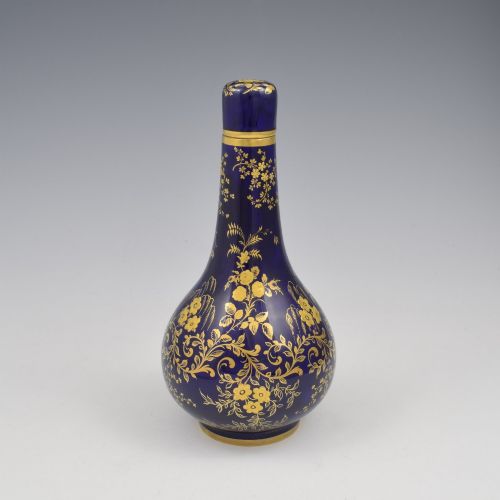
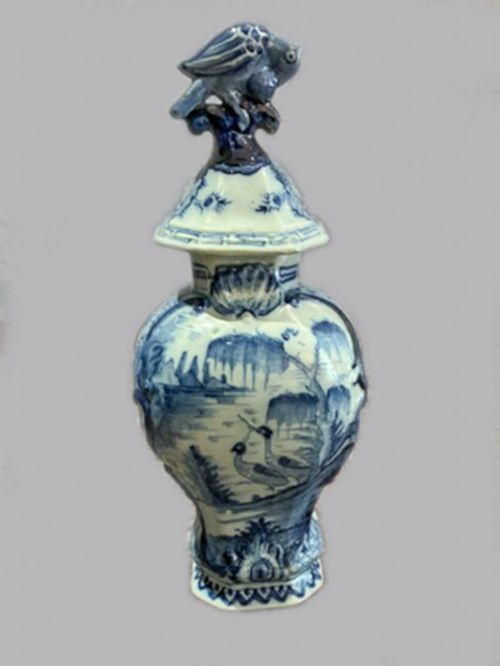
Ceramic pieces rely on foundational materials such as porcelain, earthenware, and tin-glazed pastes, shaped on the wheel or pressed into moulds before receiving hand-painted or transfer-printed decoration. Enamel, gold leaf, and cobalt blue pigments frequently embellish the surface beneath protective layers of glaze.
Glass vessels involve blowing, cutting, and engraving techniques, producing clear or ruby-tinted bodies with sharp facet work or delicate surface patterns. Metal elements incorporate silver casting and coin incorporation, reflecting traditional silversmithing methods of the nineteenth and early twentieth centuries.
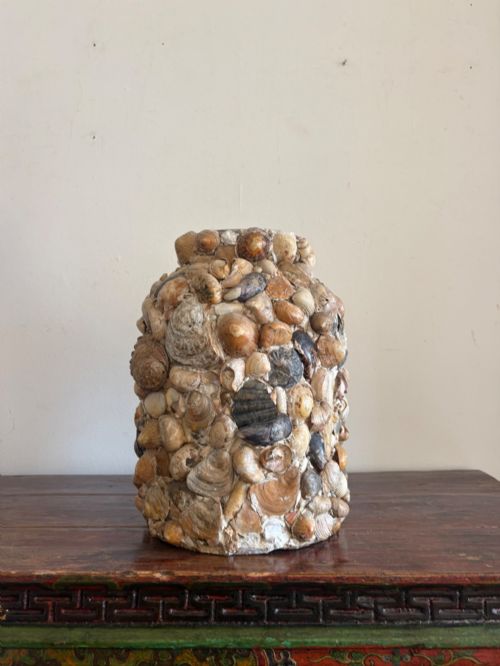
A curious nineteenth-century folk art jar decorated entirely with delicate seashells offers a charming reminder of Victorian seaside coastal hobbies.
What Varies in Quality
The distinction between ordinary and exceptional examples rests in the crispness of the modelled form and the precision of the hand-painted or engraved details. Skilled brushwork, well-defined gilding, and balanced proportions elevate pieces produced by established factories above standard commercial output.
Material purity and structural integrity also separate tiers of production, particularly in glass clarity and ceramic firing consistency. Well-preserved lids that match the exact contours and decoration of the base body indicate higher initial craftsmanship and careful preservation.
Royal Crown Derby·Samson Paris·Sitzendorf·Sceaux Faience·Derby Porcelain·Limoges·Booths Silicon China·Royal Worcester·Coalport
The Antique Covered Jar Glossary
- Ginger jar
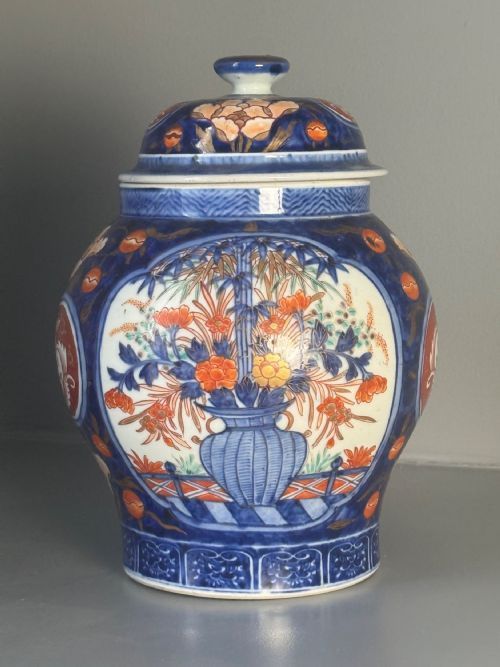
- A bulbous storage vessel originally utilised for the transport and preservation of spices, later adopted as a purely decorative interior ornament.
- Imari
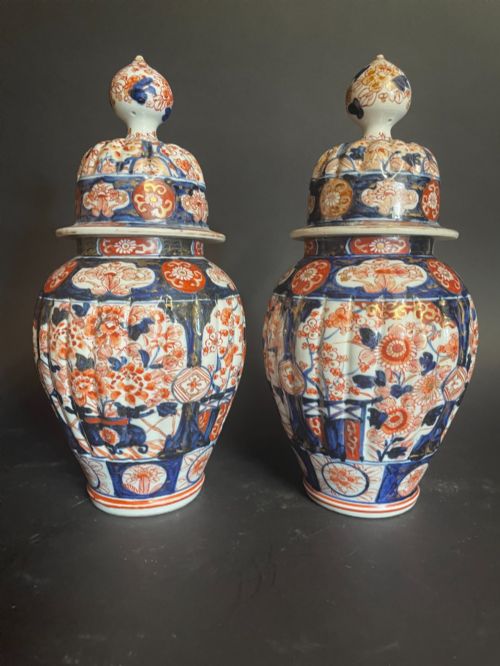
- A style of Japanese porcelain featuring a distinct palette of underglaze blue, iron red, and gilt highlights, widely imitated by European kilns.
- Tin-glazed earthenware
- Pottery covered with an opaque white glaze containing tin oxide, providing a smooth ground for painted decoration.
- Pot-pourri jar
- A lidded vessel pierced with small holes to release the fragrance of dried flower petals and spices contained within.
- Treen
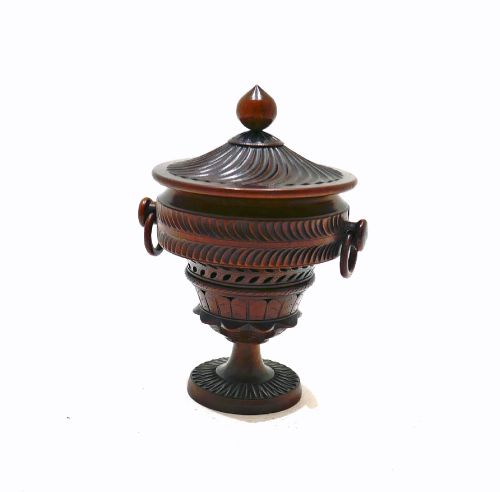
- Small household objects made of wood, turned on a lathe or carved by hand from domestic and exotic timbers.
Antique Covered Jar: Frequently Asked Questions
How do I identify the period of a porcelain jar?
Dating relies on examining the characteristics of the paste, the composition of the glaze, and any painted or impressed factory marks on the base. Stylistic motifs also provide clues, as nineteenth-century interpretations often adapted earlier Japanese or European designs with distinct manufacturing signatures.
Closer inspection of the footrim and wear patterns helps confirm the age of the piece. Unglazed areas on the base reveal the nature of the clay body, while hand-painted details display the specific brushwork techniques of the era.
Were all covered jars meant to hold food?
While many lidded vessels served practical domestic functions such as storing sugar, butter, or tobacco, others were created strictly for visual display. Ginger jars and decorative urns occupied prominent spaces on mantelpieces and cabinets without necessarily containing provisions.
The presence of internal glazing, liner bowls, or aroma-releasing perforations usually indicates the intended original use. Examining the scale and material of the jar further clarifies whether it belonged in the pantry or the formal drawing room.
What is the difference between a jar and an urn?
Jars typically feature a straighter or more bulbous body designed primarily for holding contents securely beneath a fitted lid. Urns more often incorporate a footed base, handles, and a classical silhouette inspired by ancient vessel forms, prioritising sculptural display over utility.
These distinctions sometimes blur in antique cataloguing, where makers applied both terms interchangeably to lidded decorative vessels. Looking at the proportions and handle placement helps determine the formal classification of the piece.