



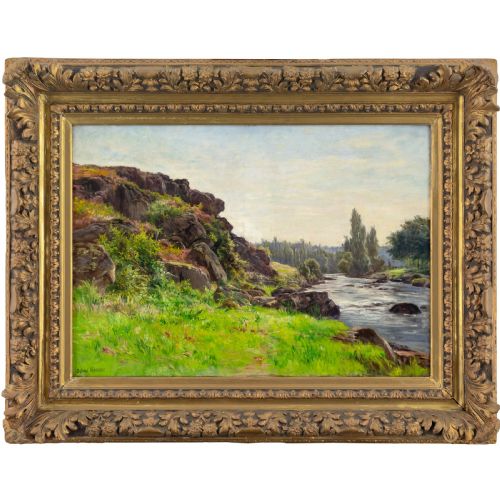
Antique Countryside Landscape
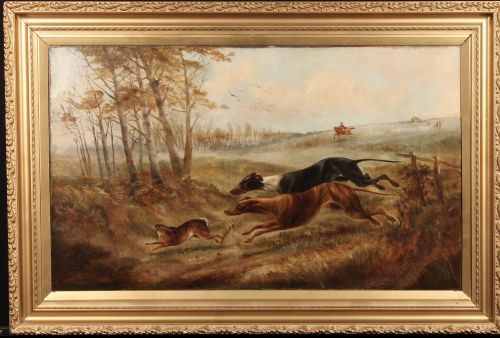
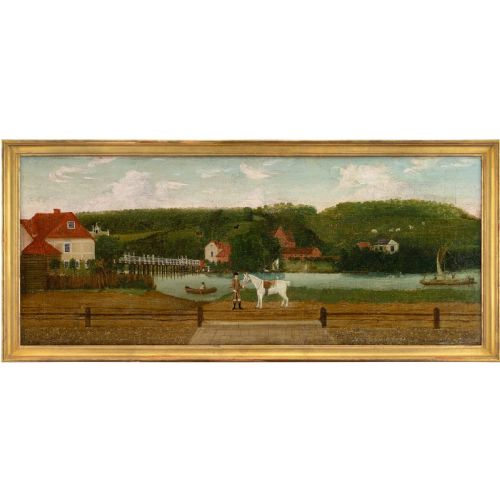
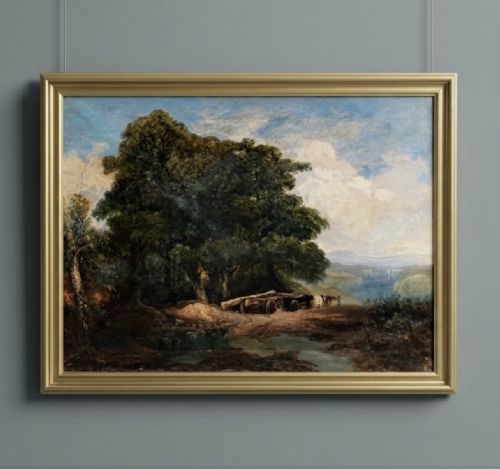
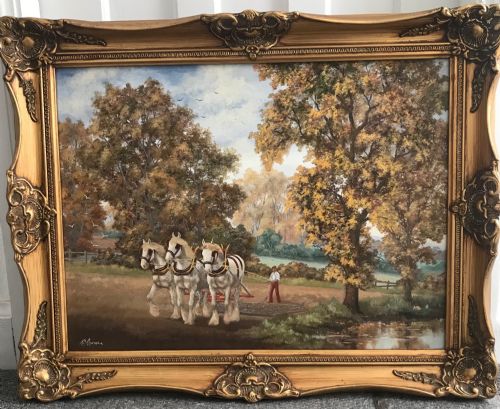
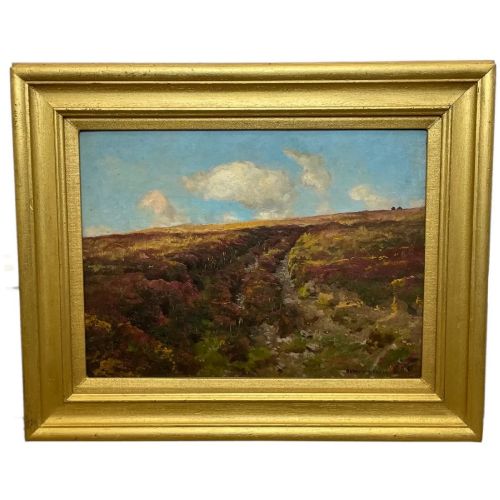
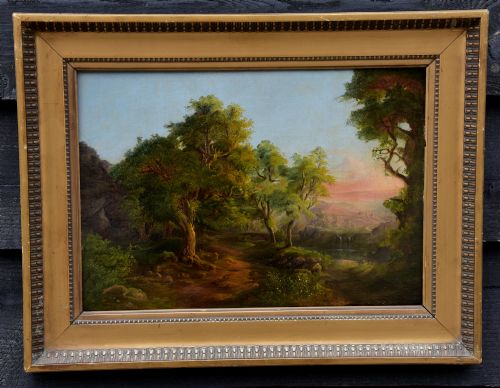
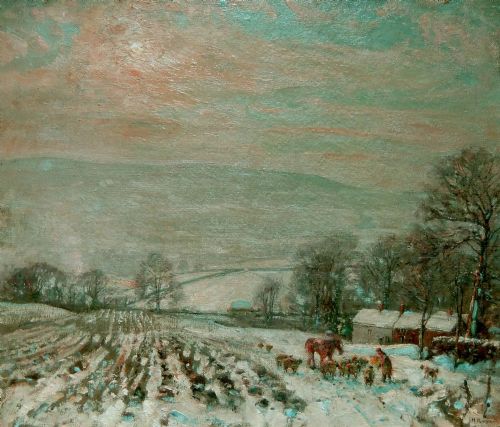
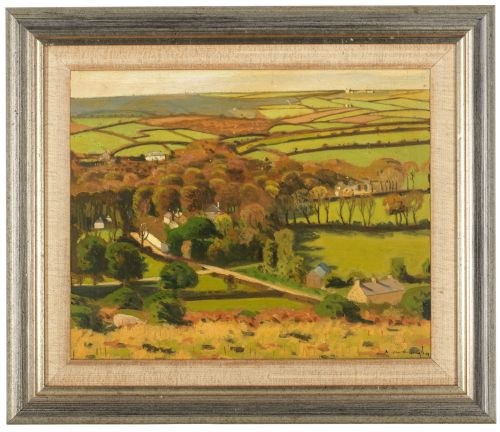
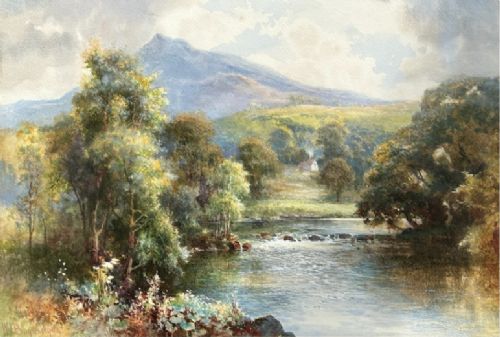
When you search for an antique countryside landscape, you find pastoral rivers, wooded hills, and quiet agricultural scenes captured by 19th- and early 20th-century painters.
Antique Countryside Landscape
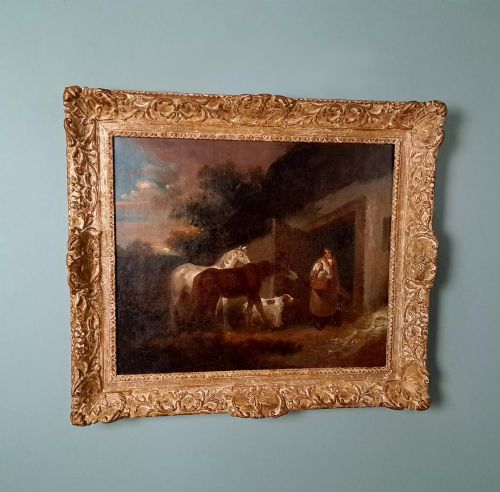
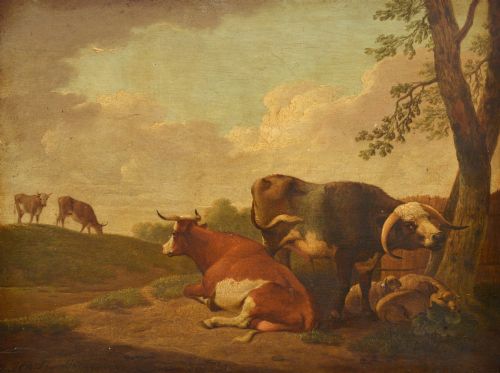
An antique countryside landscape depicts rural life, open fields, rivers, and woodland scenes across the nineteenth and early twentieth centuries. These works record agricultural valleys, pastoral riverbanks, and rustic cottages through the eyes of British and European artists.
You will encounter original oil paintings on canvas and panel alongside delicate watercolours on paper. The selection spans the nineteenth-century Victorian era into the 1940s, embracing British Impressionism, Romanticism, and Realism.
Most compositions focus on everyday rural sights such as cattle grazing by water, figures harvesting crops, or winding paths through wooded groves. These rural views reflect both specific regional topography and idealised pastoral moods.
How they were made
Artists painted primarily with oil paint on stretched canvas or wooden board, building up rich textures with brushes and sometimes palette knives. Watercolours on paper offered a lighter medium for swift impressions of weather and light in the open air.
The listings feature works spanning the nineteenth century through the Victorian and Edwardian eras up to the 1940s.
What varies in quality
Quality rests upon the artist's handling of light, atmosphere, and natural perspective within the scene. Superior works capture convincing depth and atmospheric weather, whereas simpler examples rely on formulaic compositions and flat tones.
The sensitivity of the brushwork and the harmony of the palette distinguish accomplished paintings from standard decorative works. Subtle shifts in tone across fields and skies separate skilled observation from mechanical reproduction.
Richard Sebastian Bond·William H Myers·George Graham·Frederick Marriott·Arthur Wardle·William Joseph Shayer Senior·Hendrik Willem Schweickhardt·Herbert Royle·Thomas Barker of Bath·William Joseph Boyes·Gabriel Mathieu·David Bates·Muriel Metcalfe·Harald Foss·Frederick Walker·Eric Brown·Henri Ottmann·Richard Redgrave·Ernest Higgins Rigg·George Oyston·Rene Levrel·Russell Sidney Reeves·Vernon DeBeauvoir Ward·Florence Adelina Hess·Alexander Wellwood Rattray
The Antique Countryside Landscape Glossary
- Canvas
- A heavy woven fabric stretched across a wooden frame to serve as a painting surface. It provides a durable ground for oil paint.
- Panel
- A flat piece of wood or board used as a rigid support for painting. Wooden panels are common in earlier works and smaller studies.
- Watercolour
- A paint made from pigments suspended in a water-based solution, applied to paper. It allows for translucent washes and rapid sketching.
- Gilt frame
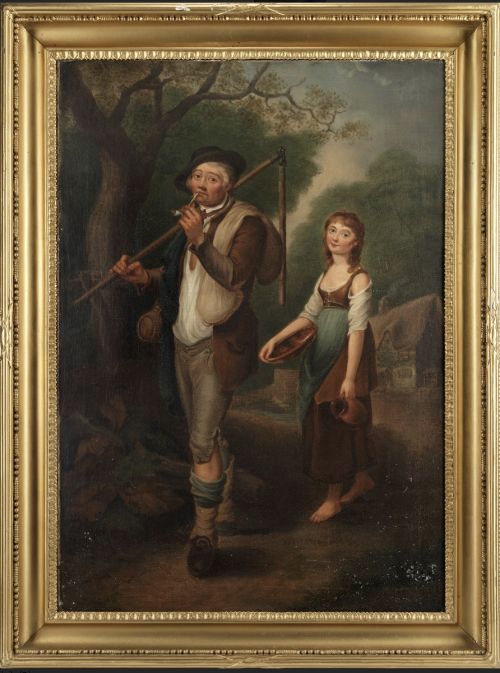
- A wooden picture frame coated with a thin layer of gold leaf or metallic paint. These decorative surrounds often date to the same period as the artwork.
Antique Countryside Landscape: Frequently Asked Questions
How do I date an antique landscape painting?
Examine the materials, including the type of canvas or panel, and any inscriptions or signatures on the reverse. Costume details on figures and the style of the original frame also provide reliable clues to the period.
Historical records and artist signatures help narrow down the decade of creation. Comparing the handling of light and pigment to dated works by the same school confirms the era.
What is the difference between oil and watercolour landscapes?
Oil paintings utilise heavy pigments suspended in oil on canvas or wood, offering rich textures and deep colour saturation. Watercolours use water-soluble pigments on paper, creating translucent, luminous effects.
Oils are generally more robust and traditionally required protective frames with glass only if unvarnished. Watercolours require framing behind glass to protect the paper from moisture and dust.
How should I care for an antique oil painting?
Keep the painting away from direct sunlight and fluctuating humidity to prevent the canvas from sagging or the wood panel from warping. Gentle dusting with a soft, dry brush is sufficient for routine maintenance.
Avoid using water or chemical cleaners on the painted surface. If the varnish darkens significantly over decades, consult a professional conservator rather than attempting DIY cleaning.
Where were most British countryside landscapes painted?
Artists often sought out pastoral regions such as Wales, Yorkshire, the Home Counties, and the river valleys of southern England. Rural settings with farmsteads, livestock, and woodlands provided traditional motifs for painters.
Many practitioners worked directly outdoors in the countryside, recording local weather and seasonal changes. These regional studies fed into larger studio canvases exhibited in urban galleries.