

Victorian Children Oil Painting
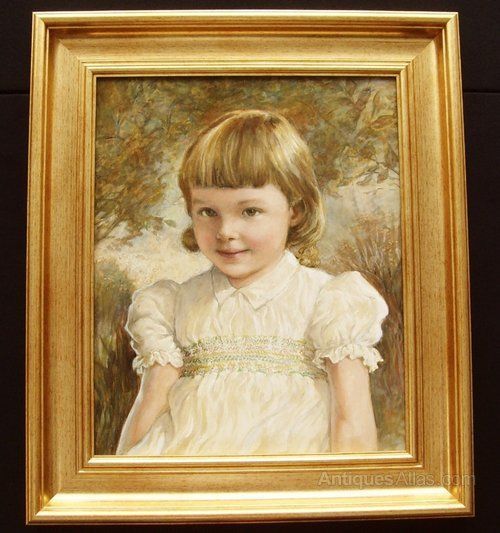
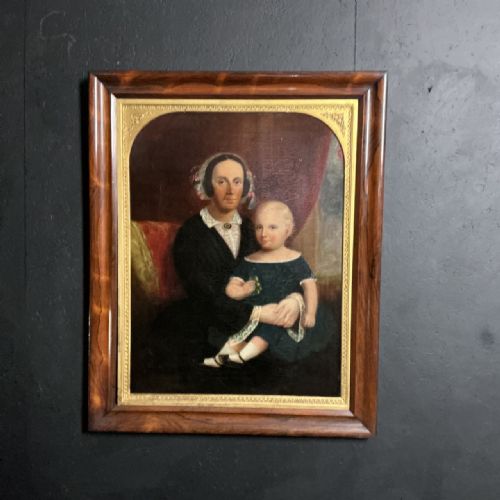
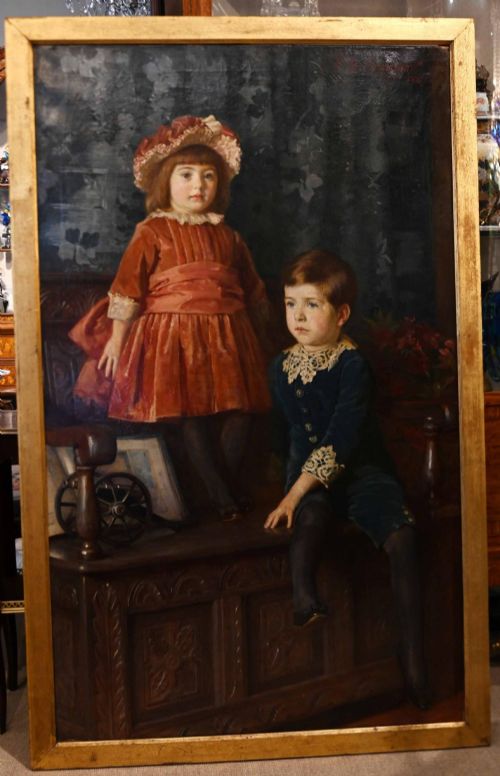
A victorian children oil painting captures domestic scenes and portraits in rich oil on canvas, offering buyers a window into nineteenth-century life.
Victorian Children Oil Painting
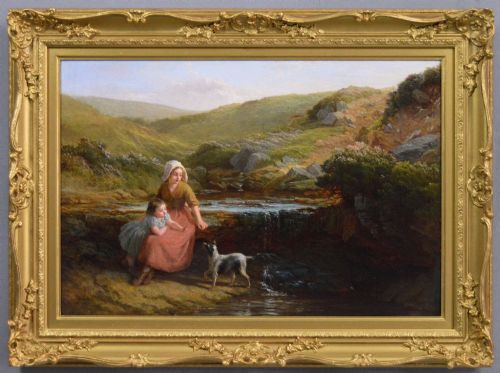
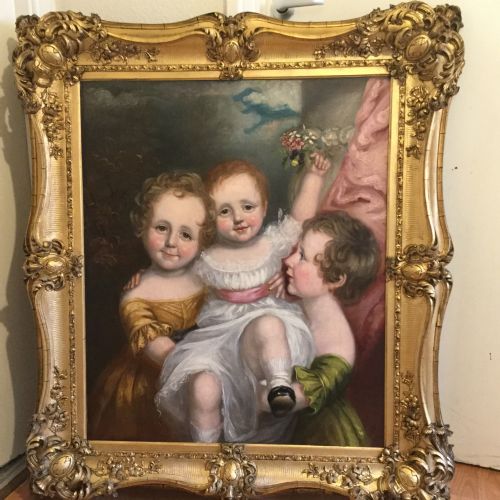
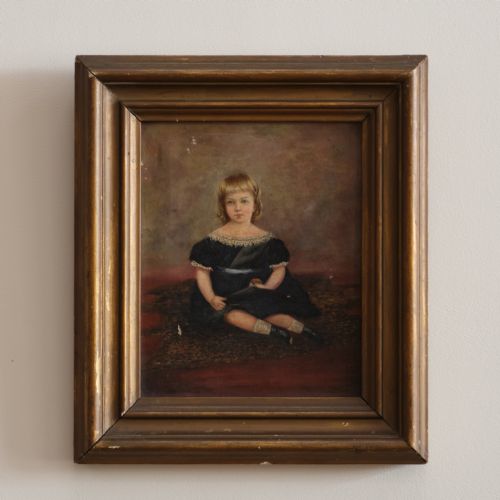
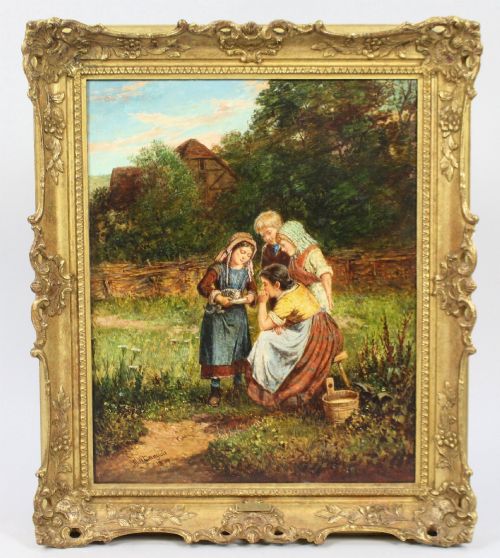
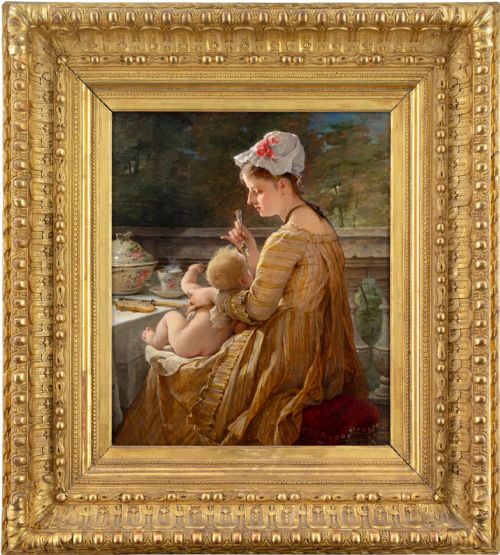
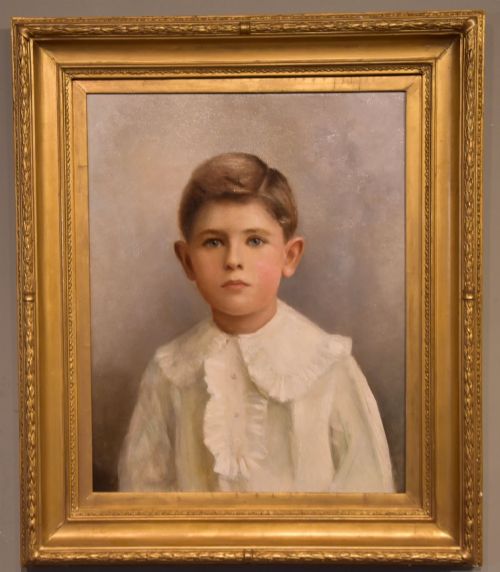
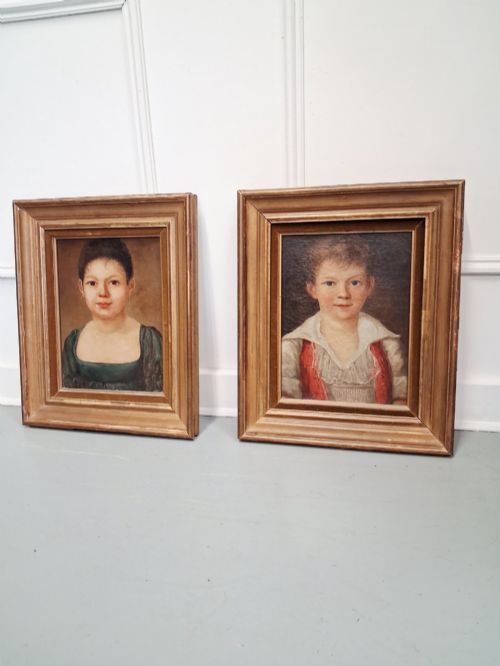
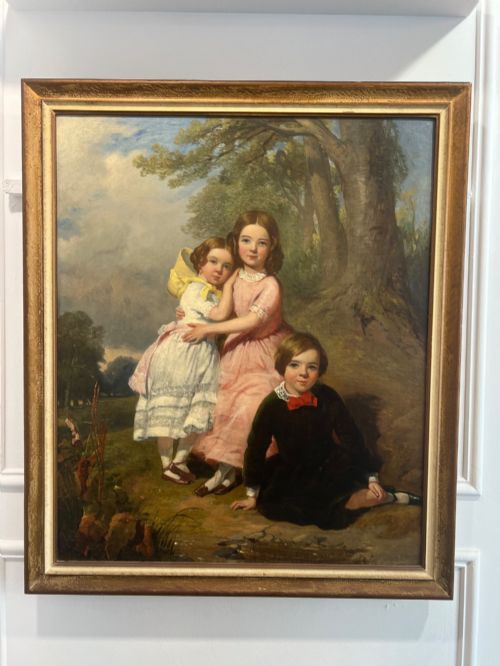
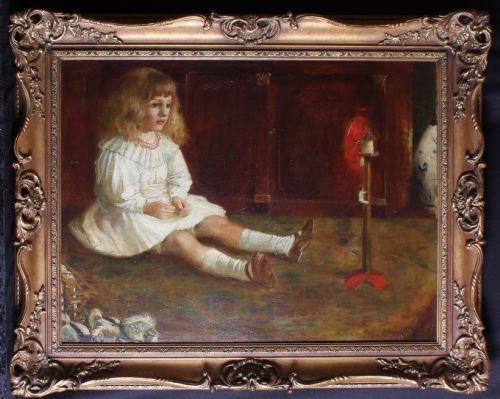
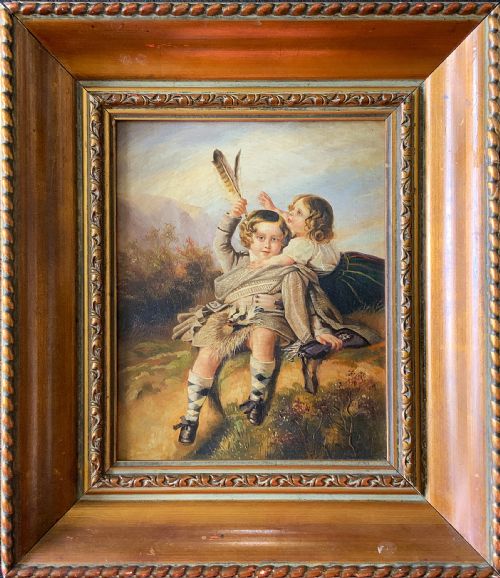
When searching for a victorian children oil painting, a buyer encounters formal studio portraits, informal genre scenes of play, and naive folk art works. The pieces available span the nineteenth century, featuring subjects engaged with pets, toys, or nature.
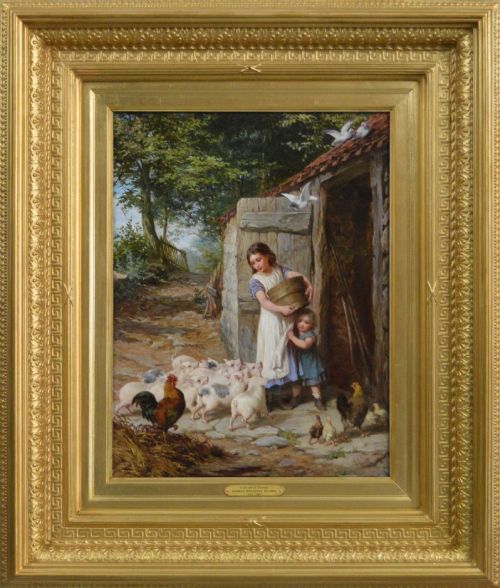
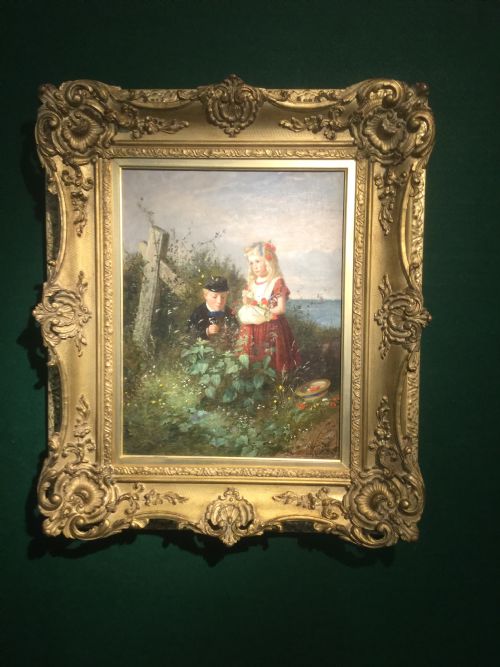
Domestic scenes predominate, showing youngsters feeding animals, gathering flowers, or sharing quiet moments with mothers. These works reflect changing attitudes towards childhood during the period, moving from miniature adults to individuals worthy of study.
Origins vary from professional academic canvases exhibited at major institutions to charming vernacular works by untrained hands. Canvas and panel mediums dominate, frequently housed in their original decorative giltwood and gesso frames.
Materials and methods
Artists painted primarily in oil on stretched canvas or wooden panels, applying layers of pigment to build depth and luminosity. The medium allowed for subtle blending of skin tones and textiles, essential for capturing the textures of period dress.
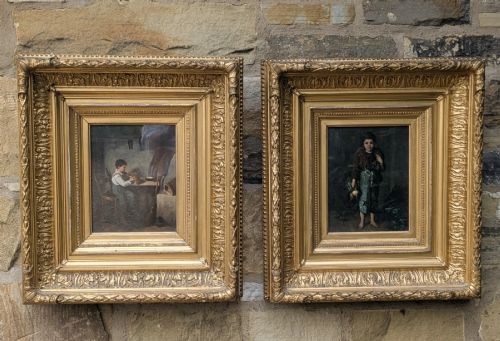
Giltwood and gesso frames completed the works, often featuring elaborate moulded ornamentation that contributed significantly to the overall aesthetic. Burr maple and ebonised timber frames also appeared, providing contrasting borders for intimate domestic portraits.
Victorian Children Oil Painting Retail Price Guide 2026
Typical asking prices for victorian children oil painting among the pieces listed under this phrase on Sellingantiques today, from the lower quarter to the upper quarter. They describe what is for sale here now, not the wider market.
Watch for the occasional unexpected pet making a cameo appearance, from prized kittens and pet rabbits to unexpected farmyard piglets.
Evaluating quality
Quality rests upon the artist's ability to render anatomical proportion, facial expression, and the psychological nuance of the sitter. Accomplished hands manage light and shadow with precision, whereas naive works rely on charming simplicity and flattened perspective.
The survival of the original giltwood frame heavily influences the standing of a piece, as matching contemporary surrounds are increasingly scarce. Canvas condition, minimal overpainting, and clear signatures or attribution histories further distinguish superior works.
Vittorio Reggianini·Mark William Langlois·Adelaïde Salles Wagner·George Augustus Holmes·Henry Windsor Fry·Charles Hunt·Harry Brooker·George Bernard O'Neill·Thomas Bromley Blacklock·James Mallard Bromley·George Smith·Bown Jones·William Egley·John Alfred Wheeler·John Henry Dell·William Manners·Jane Maria Bowkett·Henry Weigall·Alfred Banner·Thomas Hollingsworth
The Victorian Children Oil Painting Glossary
- Genre painting
- A depiction of everyday subjects and ordinary people engaged in common activities. These works provide valuable social history through their detailed recording of period interiors and costume.
- Naive art
- A style of visual art created by a person without formal training, typically characterised by a childlike simplicity in execution. In these canvases, perspective is often unconventional and details are rendered with direct sincerity.
- Gesso
- A plaster-like mixture used as a base for moulding decorative details on wooden picture frames. Artisans applied this substance before gilding the surface with metal leaf.
- Oil on canvas
- Pigments bound in a drying oil applied to a woven fabric support stretched across a wooden frame. This combination became the standard support for fine art from the renaissance onwards.
Victorian Children Oil Painting: Frequently Asked Questions
How do I identify a genuine period piece?
Examine the canvas weave, stretcher construction, and the ageing of the oil paint layers under magnification. Period works often exhibit characteristic craquelure and use canvas types standard to the nineteenth century.
The framing provides further clues, as original giltwood or ebonised surrounds usually show appropriate wear and construction methods consistent with the Victorian era.
What is the difference between academic and naive works?
Academic paintings demonstrate rigorous training in human anatomy, perspective, and tonal graduation. The artists often exhibited at official institutions and captured realistic textures in clothing and skin.
Naive pieces lack this formal instruction, offering instead a flattened perspective and charming directness. These vernacular works focus on narrative sincerity rather than technical anatomical accuracy.
How should I care for an antique oil painting?
Keep the canvas away from direct sunlight, extreme temperature fluctuations, and high humidity to prevent warping and paint cracking. Maintain a stable indoor environment to preserve both the support and the original frame.
Dust the surface very gently with a dry, soft brush when necessary, but leave any serious cleaning or conservation work to professional restorers.
Why do some children look so serious in these portraits?
Long exposure times required by early photographic and painting methods made smiling difficult to maintain for extended periods. Subjects had to remain motionless so the artist could capture sharp facial details.
Cultural conventions of the nineteenth century also favoured formal, dignified expressions for portraiture, viewing childhood as a period requiring moral instruction and decorum.