

Antique Wall Art Artwork
Antique wall art artwork brings centuries of painting, drawing and printmaking into domestic spaces, offering historical depth and traditional craftsmanship.
Antique Wall Art Artwork
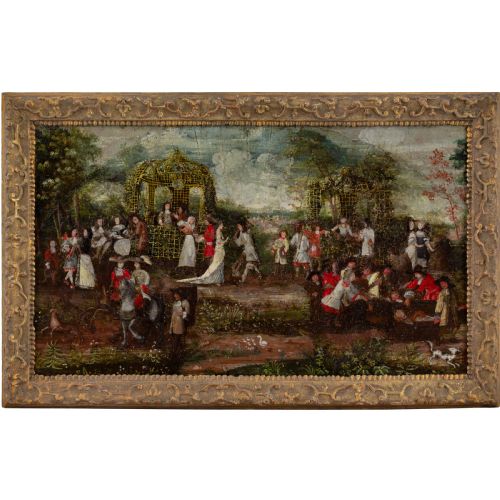
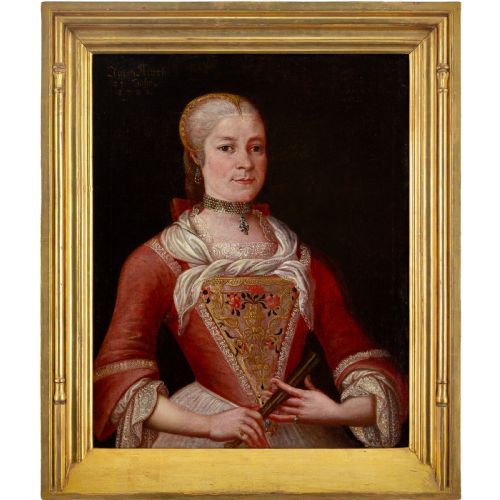
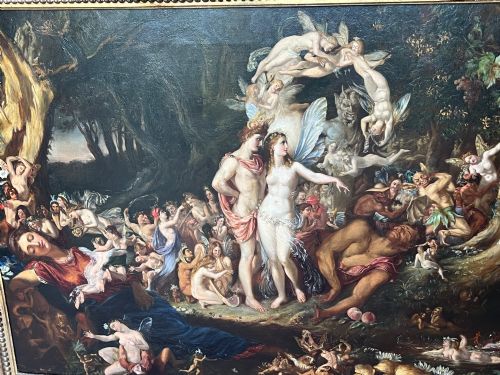
Antique wall art artwork encompasses a wide array of visual media produced across multiple centuries, ranging from formal portraiture to expansive landscapes. Buyers searching for antique wall art artwork will encounter oil paintings on canvas and panel, delicate watercolours, gouache studies, and various print formats.
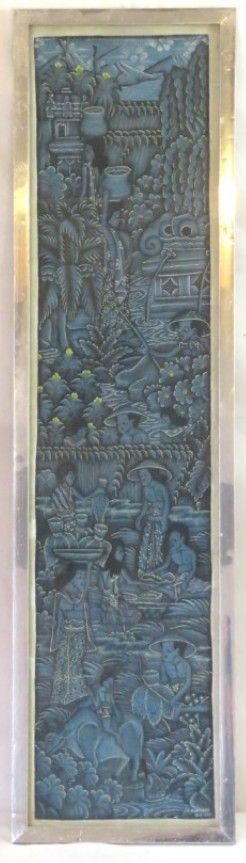
The selection spans from the seventeenth century through the Victorian and Edwardian eras into the mid-twentieth century. Works originate from British, European, and wider international schools, reflecting distinct regional tastes and historical movements over time.
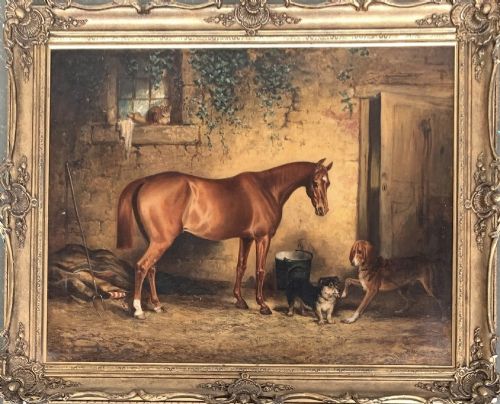
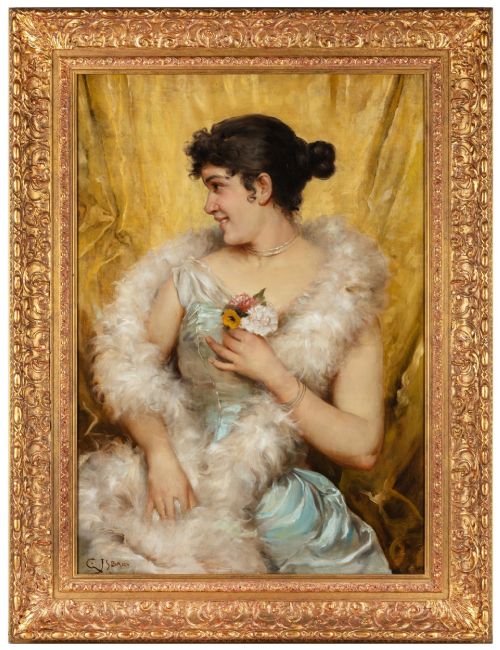
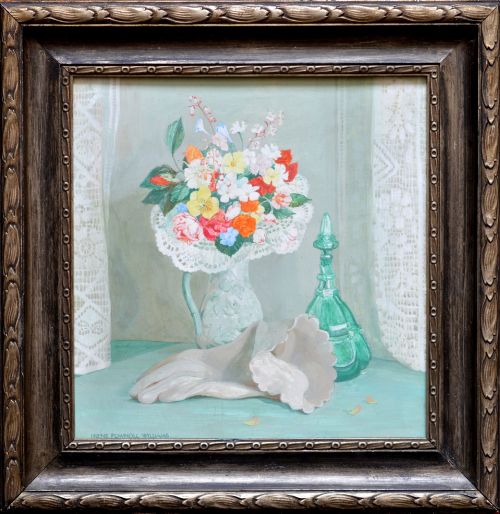
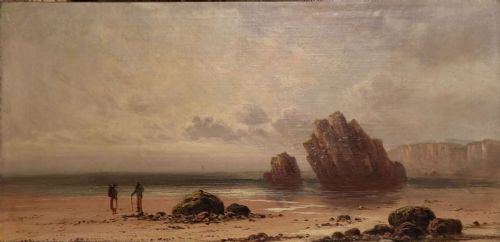
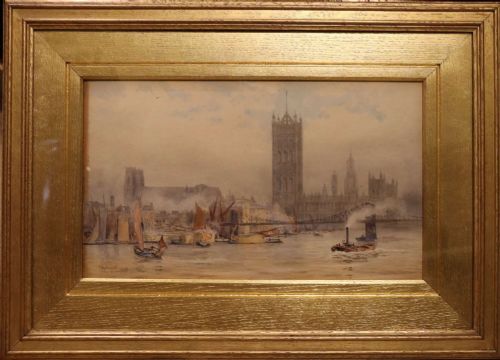
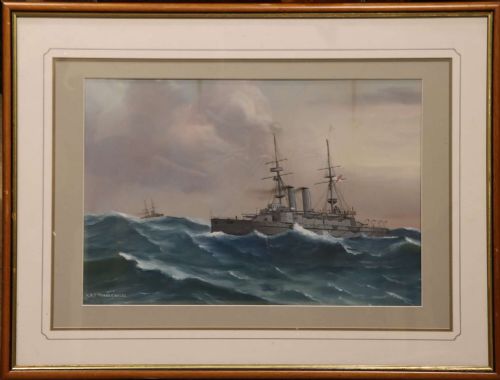
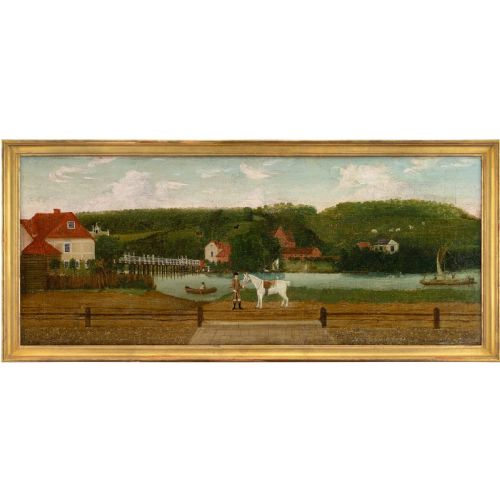
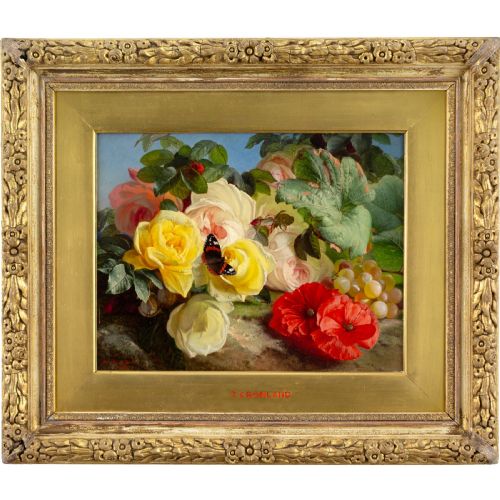
Framed original oils and works on paper dominate the available inventory, often housed in period giltwood or timber frames. Buyers frequently find portraiture, maritime scenes, botanical prints, and topographical landscapes representing these diverse historical periods.
How they were made
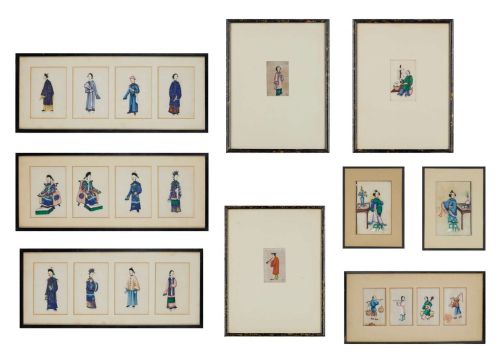
Painters utilised oil on canvas or wood panel, applying pigments bound in oil to build rich textures and deep tones. Watercolours and gouache were applied to paper or pith, relying on fluid washes and precise brushwork to capture light and detail.
Printmakers employed techniques such as engraving, lithography, and mezzotint to reproduce compositions using inked metal plates or stones pressed onto paper. Frames were constructed from timber, frequently finished with gilded gesso ornamentation to complement the artwork.
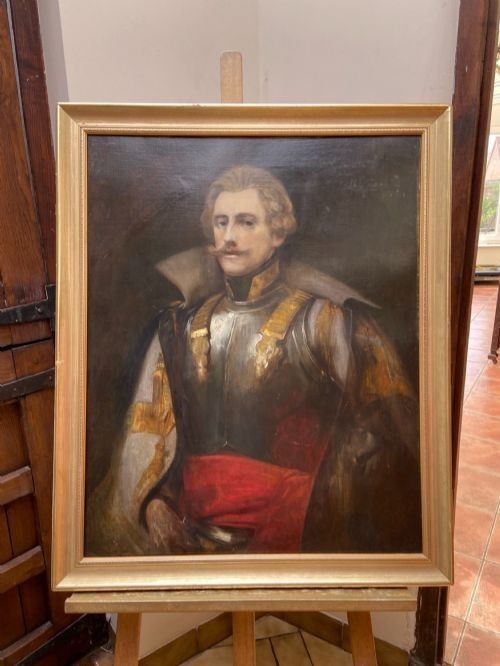
Historical domestic walls frequently featured unexpected companions, uniting solemn military officers with whimsical Victorian depictions of local wildlife.
What varies in quality
Technical proficiency in draftsmanship and pigment handling distinguishes master works from routine studio output. The subtlety of tonal transition, anatomical accuracy, and composition vitality separate superior examples from standard decorative pieces.
Condition and originality heavily influence the standing of a piece, particularly the preservation of the original surface and the retention of period framing. Works that maintain their early stretcher frames and untouched paint layers command greater regard among collectors.
Henry Barraud·Theude Grönland·Sir Joseph Noel Paton·Sir Joshua Reynolds·Maurice Quentin de la Tour
The Antique Wall Art Artwork Glossary
- Gouache
- An opaque watercolour paint made from pigments bound in water-soluble gum, producing a flat and dense surface finish. It allows for vibrant colour blocking in works on paper.
- Mezzotint
- A printmaking process of the intaglio family where the copper plate is roughened uniformly to produce dark tones. Lighter areas are scraped back to achieve gradients of light and shadow.
- Giltwood
- Timber carved and coated with a thin layer of gold leaf or metallic powder. It provides a reflective, ornate border for traditional paintings.
- Panel
- A rigid wooden board utilised as a support for painting prior to the widespread adoption of stretched canvas. Artists often selected hardwoods like oak or mahogany.
- Provenance
- The documented history of ownership surrounding an artwork, establishing its authenticity and lineage. Clear records connect a piece to its original creator or commissioner.
Antique Wall Art Artwork: Frequently Asked Questions
How do I date an antique oil painting?
Dating relies on examining the canvas weave, the stretcher frame construction, and the chemical composition of the pigments used by the artist. Stylistic clues within the clothing, hair, and background architecture of the subject also offer clear chronological markers.
Secondary evidence such as old exhibition labels, stamps on the reverse, and the framing style help narrow the period of creation. Comparing the technique to known dated works by the same school or artist solidifies the timeline.
What is the difference between an oil painting and a print?
An oil painting is a unique, hand-painted creation where the artist applies pigmented oil directly to canvas or wooden panel. Brushstrokes create a tangible texture and depth unique to that single physical object.
Prints are mechanical or manual reproductions created by transferring ink from a prepared plate, block, or stone onto paper. While some antique prints were hand-coloured afterwards, they exist in multiples rather than as singular primary works.
How should I care for antique works on paper?
Works on paper require protection from direct sunlight and high humidity to prevent fading, yellowing, and foxing spots. Framing should utilise acid-free mounts and UV-filtering glass to shield the fragile paper fibres from environmental degradation.
Maintaining stable indoor temperatures prevents the paper from expanding and contracting excessively. Hanging pieces away from direct heat sources ensures the longevity of watercolours, drawings, and prints.
Are original frames important for antique art?
Original or period-appropriate frames contribute significantly to the historical context and visual harmony of an antique artwork. A matching giltwood frame from the same era complements the aesthetic intentions of the original maker.
While paintings can be reframed, finding a piece retained in its contemporary housing preserves its integrity. Collectors often value the combined craftsmanship of both the canvas and its period enclosure.