


Antique Countryside Canvas
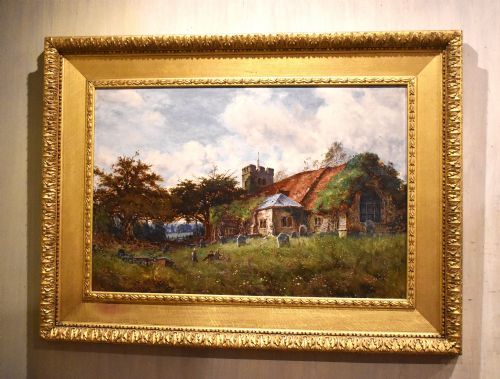
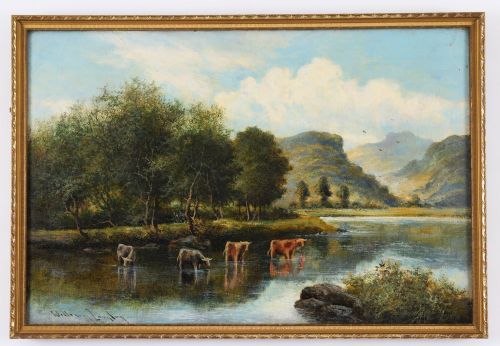
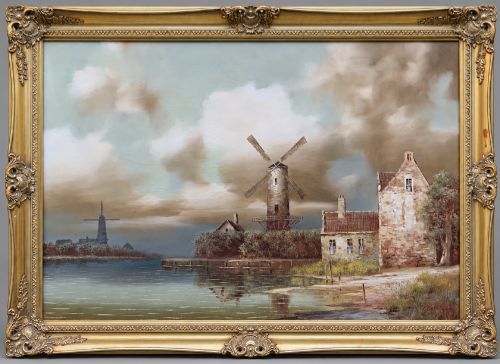
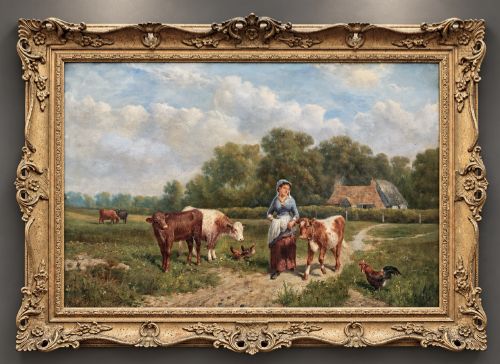
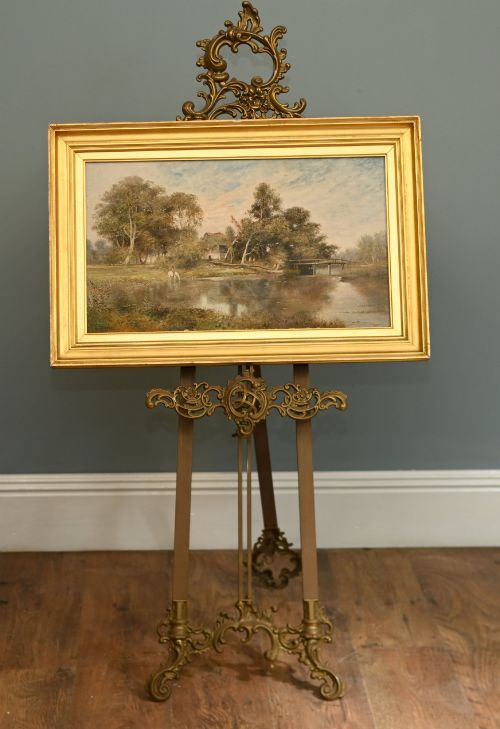
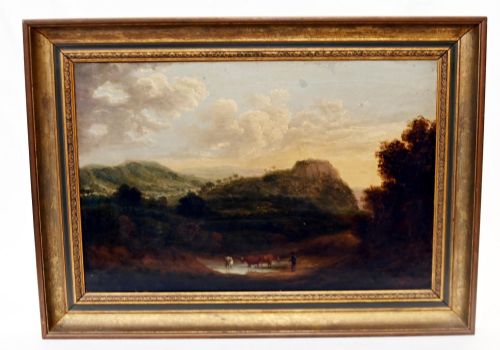
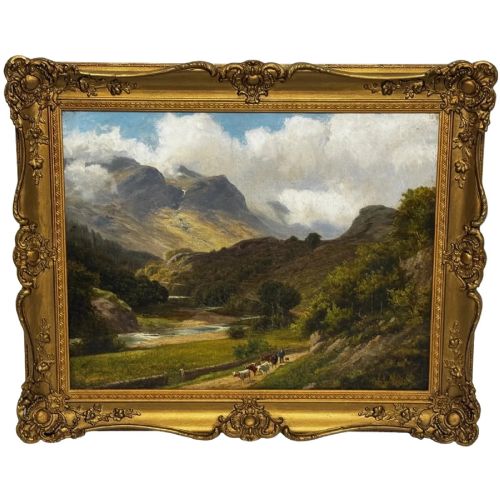
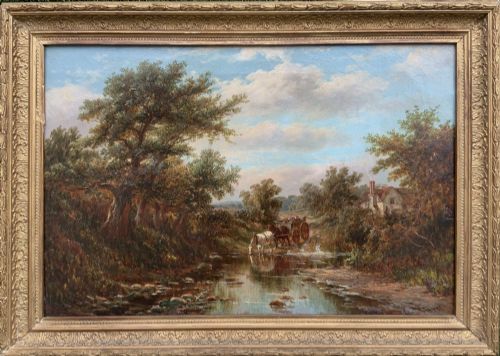
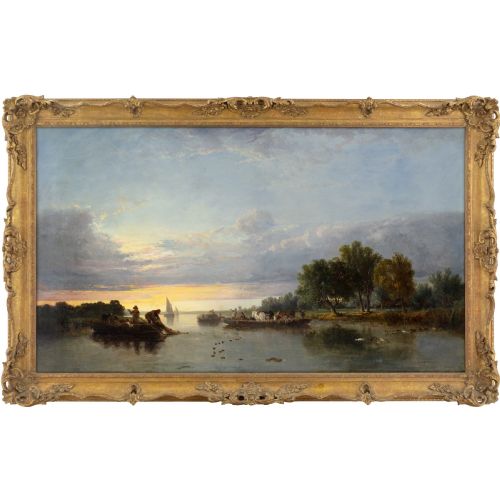
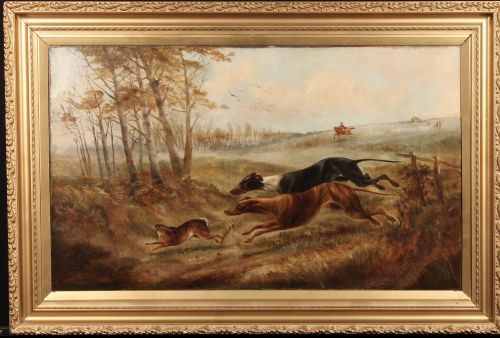
These antique countryside canvas works capture pastoral scenes, rivers, and woodlands through traditional oil painting.
Antique Countryside Canvas
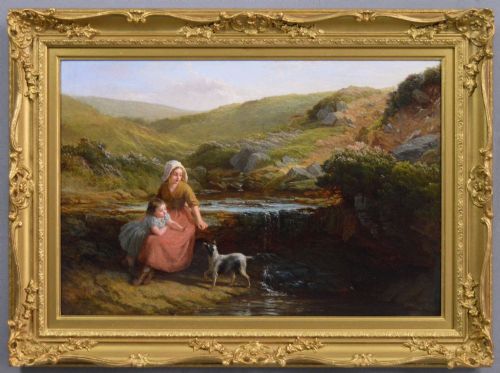
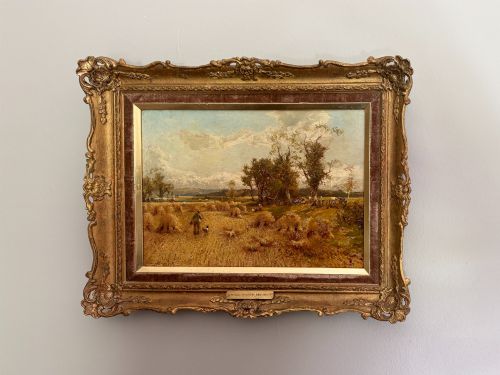
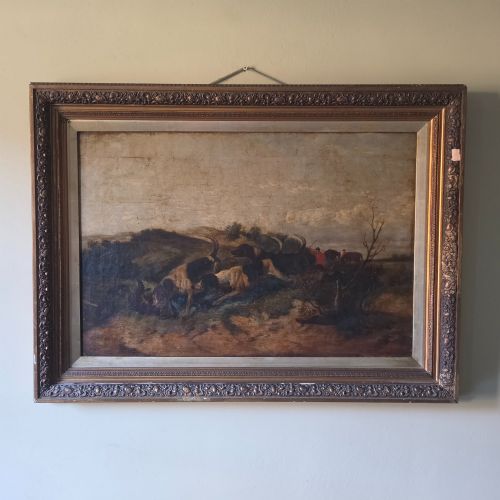
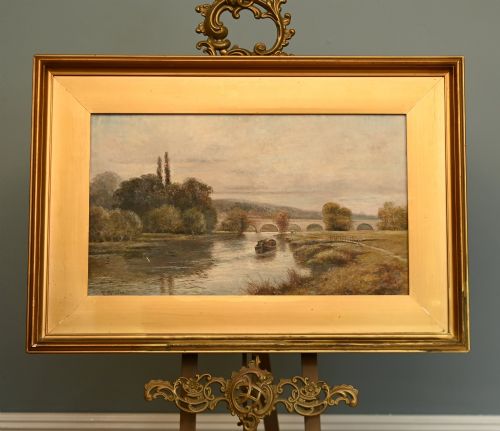
An antique countryside canvas represents pastoral and rural scenery rendered in oil paint upon woven fabric supports, often framed in wood and gesso. These works document rivers, woodlands, farm life, and coastal vistas across British and European landscapes. Buyers seeking this phrase typically encounter nineteenth-century and early twentieth-century creations spanning Victorian, Edwardian, and impressionist styles.
The selections on this page feature pastoral subjects ranging from cattle by rivers to figures near cottages, executed by named artists and anonymous provincial painters alike. Such paintings reflect evolving approaches to naturalism, from mid-nineteenth-century realist details to looser, light-focused impressionist brushwork. Every piece offers a direct visual link to agrarian and rural life of past centuries.
How they were made
Painters applied oil paint to prepared canvas supports stretched over wooden frames, utilising pig bristles or fine sables to build up texture and tone. The ground layer typically consisted of gesso or chalk primer applied to seal the woven fabric before pigment application.
Finished works were housed within wooden frames, frequently decorated with moulded gesso ornaments and finished in gilt or painted surfaces to complement the artwork. These framing elements protect the perimeter of the canvas and provide structural rigidity to the overall composition.
The listings span the nineteenth and twentieth centuries, featuring oil paint on canvas alongside gilded wood frames.
What varies in quality
Quality rests upon the artist's command of light, shadow, and atmospheric perspective, distinguishing a flat record from a living pastoral view. Brushwork fluidity, spatial depth, and the convincing rendering of water, foliage, and sky separate accomplished compositions from routine workshop output.
The integrity of the canvas and the original pigment layers also determine overall merit, alongside the retention of period framing. Works that preserve their untouched surface texture without heavy overpainting hold greater visual and historical coherence.
Thomas Thomas·Edward Williams·George Armfield·William H Myers·George Graham·Frederick Marriott·Arthur Wardle·Hendrik Willem Schweickhardt·Herbert Royle·Thomas Barker of Bath·Gabriel Mathieu·David Bates·Harald Foss·Eric Brown·Henri Ottmann·Richard Redgrave·Ernest Higgins Rigg·Rene Levrel·Vernon DeBeauvoir Ward·Alexander Wellwood Rattray·John Horace Hooper·Charles Clair·Charles Walter Simpson·William Henry Mander·André Prévot-Valéri
The Antique Countryside Canvas Glossary
- Canvas
- A heavy woven fabric, typically linen or cotton, used as a structural support surface for oil paintings. It is stretched tightly over a wooden frame before painting.
- Gesso
- A plaster mixture used as a primer on wooden frames and canvas supports to create a smooth, stable surface for oil paint. It is frequently moulded into decorative relief patterns on frames.
- Barbizon Influence
- A stylistic approach derived from the French Barbizon school, focusing on direct observation of nature, moody atmospheric effects, and tonal realism in landscape painting.
- Impressionism
- A nineteenth-century painting style characterised by visible brushstrokes, open composition, and an emphasis on accurate depiction of light and its shifting qualities.
Antique Countryside Canvas: Frequently Asked Questions
How do I date an antique canvas?
Dating relies upon stylistic markers, stretcher construction, canvas weave types, and framing methods characteristic of specific decades. Signatures and exhibition labels on the reverse also provide firm chronological anchors.
Examinations of pigment types and preparation grounds further assist specialists in placing a work within periods such as the Victorian era or the early twentieth century.
What subjects are common in these paintings?
Common subjects include pastoral river views, livestock grazing in woodlands, farm buildings, coastal scenes, and figures engaged in rural labour or leisure. These motifs reflect contemporary romantic and realist interests in countryside life.
Artists frequently recorded specific regions across Britain and continental Europe, capturing seasonal changes like spring blossoms or winter snow.
Where should I hang these artworks?
These paintings suit rooms with stable humidity levels, away from direct sunlight, heating vents, and damp exterior walls. Such precautions prevent canvas slackening, paint cracking, and wood warp.
Proper picture hooks suited to the weight of the wooden frame ensure secure mounting against plaster or panelled surfaces.