
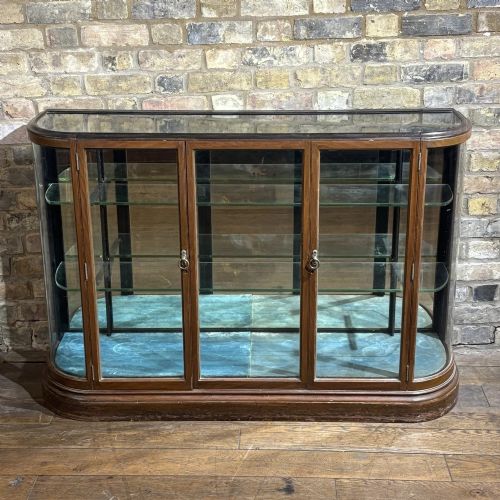


Antique Counter Showcase
An antique counter showcase is a glazed shop display piece built to present small goods, holding the trade history of Edwardian and Victorian commerce.
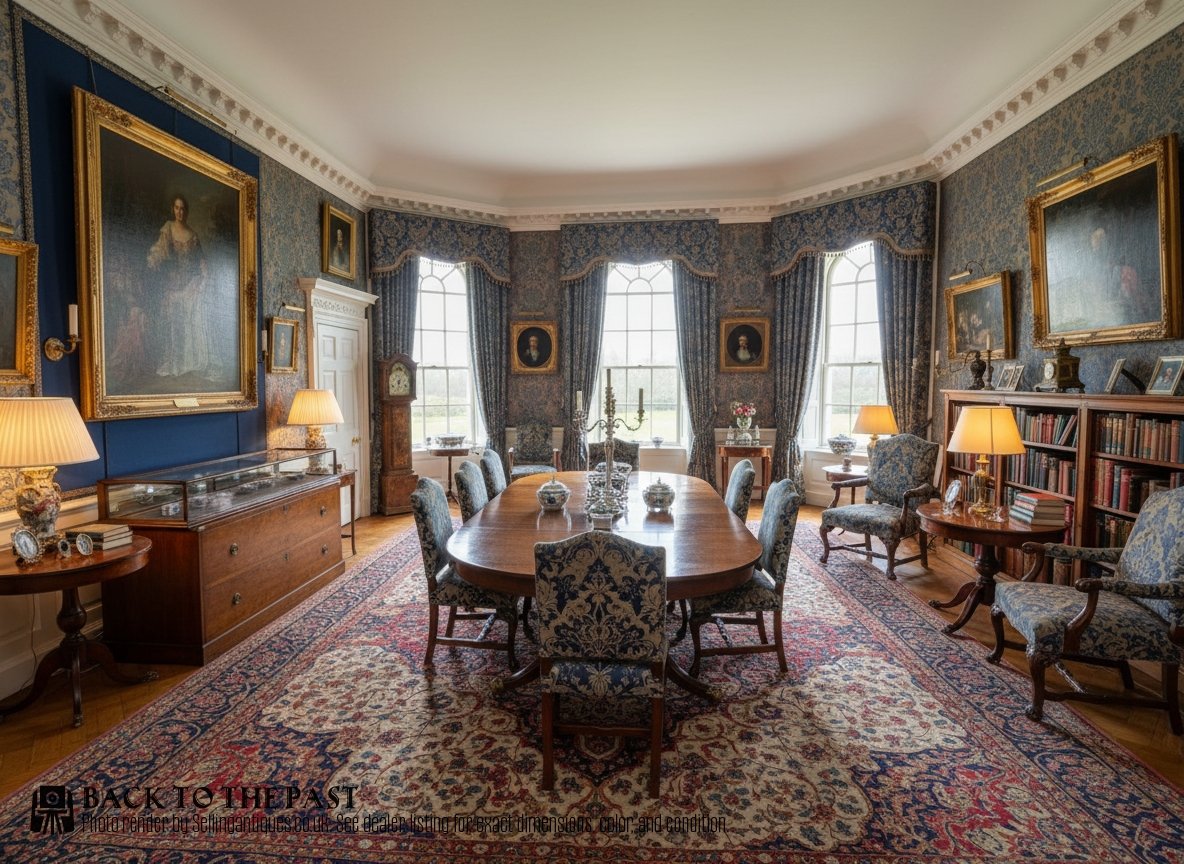
Antique Counter Showcase
When you search for an antique counter showcase, you encounter shop display cabinets, haberdashery counters, and tabletop display cases designed for retail trade. The selection spans the Victorian period, the Edwardian era, and the 1920s or 1930s commercial styles.
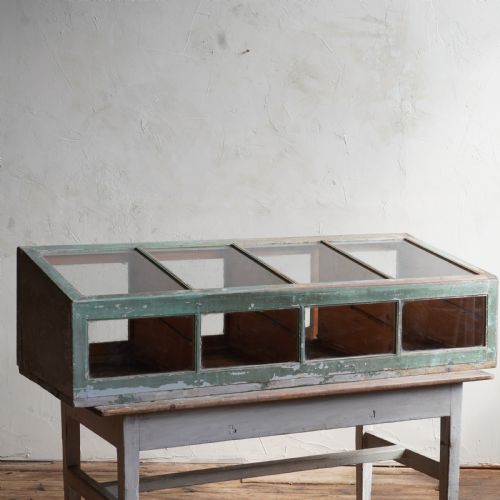
Most examples found here take the form of countertop display cabinets or larger freestanding shop display counters. They originate from commercial settings such as sweet shops, apothecary shops, and general merchants.
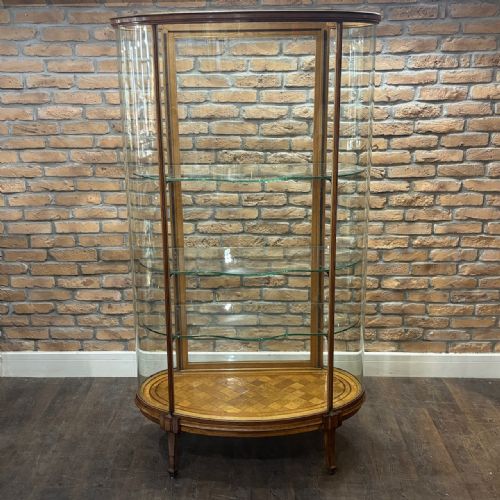
Makers and commercial uses define many pieces, ranging from chocolate display cases bearing brand lettering to tall oak and mahogany cabinets. The diverse configurations include bow end designs, pentagonal shapes, and brass-framed cases.
How they were made
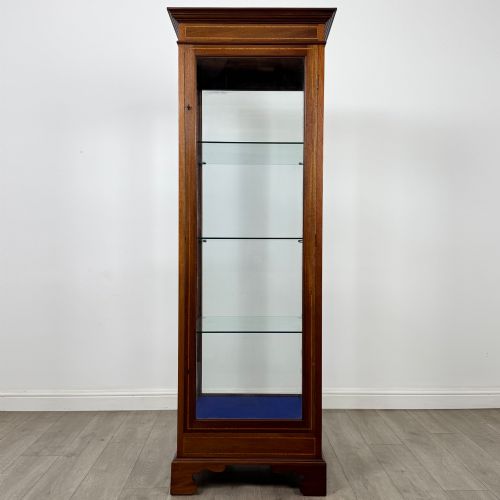
Makers constructed these commercial display units primarily using timber frames of mahogany or oak combined with extensive glass panels for visibility. Internal fittings often incorporate mirrored backs, wooden shelves, and velvet linings to enhance the displayed items.
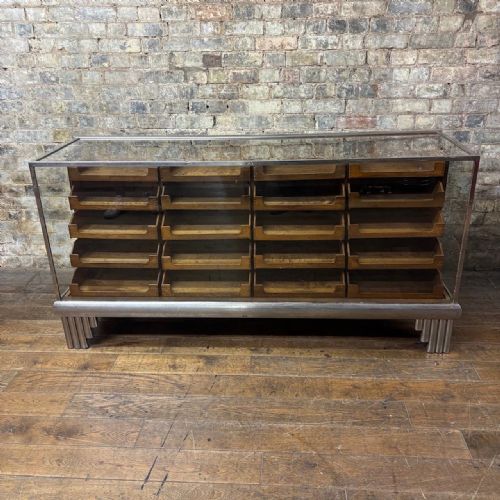
Later commercial iterations from the 1930s introduce metal elements like aluminium frames alongside chrome and ebonised finishes. Brass hardware, locks, and handles complete the construction of these robust shop fixtures.
Listings feature pieces spanning the 19th century through the 1930s, utilising oak, mahogany, glass, brass, and fabric.
What varies in quality
The standard of timber selection and the sophistication of the joinery set commercial display pieces apart, with finely figured mahogany and detailed mouldings marking the upper tier. Simpler utilitarian oak counters or distressed painted finishes represent more functional workshop production.
Original maker branding, specialised glazing shapes such as bow ends, and intact mirrored interiors elevate a piece above standard utility cabinets. Structural integrity, original glass, and authentic period hardware dictate the relative standing of individual showcases.
F Sage And Co·Dudley And Co·Pollards
The Antique Counter Showcase Glossary
- Countertop display cabinet
- A glazed showcase designed to sit upon a shop counter for customer viewing. These units placed small goods directly at eye level during retail transactions.
- Haberdashery counter
- A long commercial shop counter featuring multiple drawers or glass compartments. These fixtures organised small sewing and clothing accessories in retail stores.
- Bow end
- A curved glass end panel on a display cabinet or counter. This technique softened the rectangular lines and offered wider visibility for merchandise.
- Apothecary case
- A specialised cabinet utilised by chemists to organise and display medicines and small bottles. They often feature tight partitioning and secure glass doors.
Antique Counter Showcase: Frequently Asked Questions
What were antique counter showcases used for?
Merchants used these glazed cabinets on shop counters to display small valuable goods, confectionery, and apothecary items to customers. The glass protected merchandise from dust and handling while keeping items visible during retail transactions.
Later commercial variations served specific brands like chocolates and cocoa, functioning as both storage and point-of-sale advertising within busy Edwardian and Victorian shops.
How do I date an antique showcase?
Dating relies on timber choices, construction methods, and stylistic cues spanning the Victorian era through the 1930s. Victorian and Edwardian pieces frequently utilise solid mahogany or oak with traditional joinery and brass hardware.
Later 1920s and 1930s examples often display Art Deco influences, aluminium framing, or ebonised finishes. Maker plaques and branded sweet shop lettering also help assign specific periods to the furniture.
Where can I place a showcase at home?
Countertop models sit well on modern sideboards, desks, or kitchen islands to display collections behind glass. Their compact footprints allow them to function effectively in hallways, living rooms, or studies.
Freestanding display counters work effectively as room dividers or statement storage furniture in dining spaces and retail settings alike. The mirrored interiors and glass panels help reflect light in smaller domestic rooms.
Are these showcases suitable for modern retail?
These commercial cabinets adapt well to modern retail environments for displaying jewellery, vintage items, or specialised products. Their historic provenance adds authentic character and period visual interest to shop interiors.
The original locks and sturdy timber construction provide secure, practical presentation space for high-value merchandise in contemporary boutiques.