



Antique Counter Scales
These antique counter scales bring mechanical honesty and working shop history directly to your workspace.
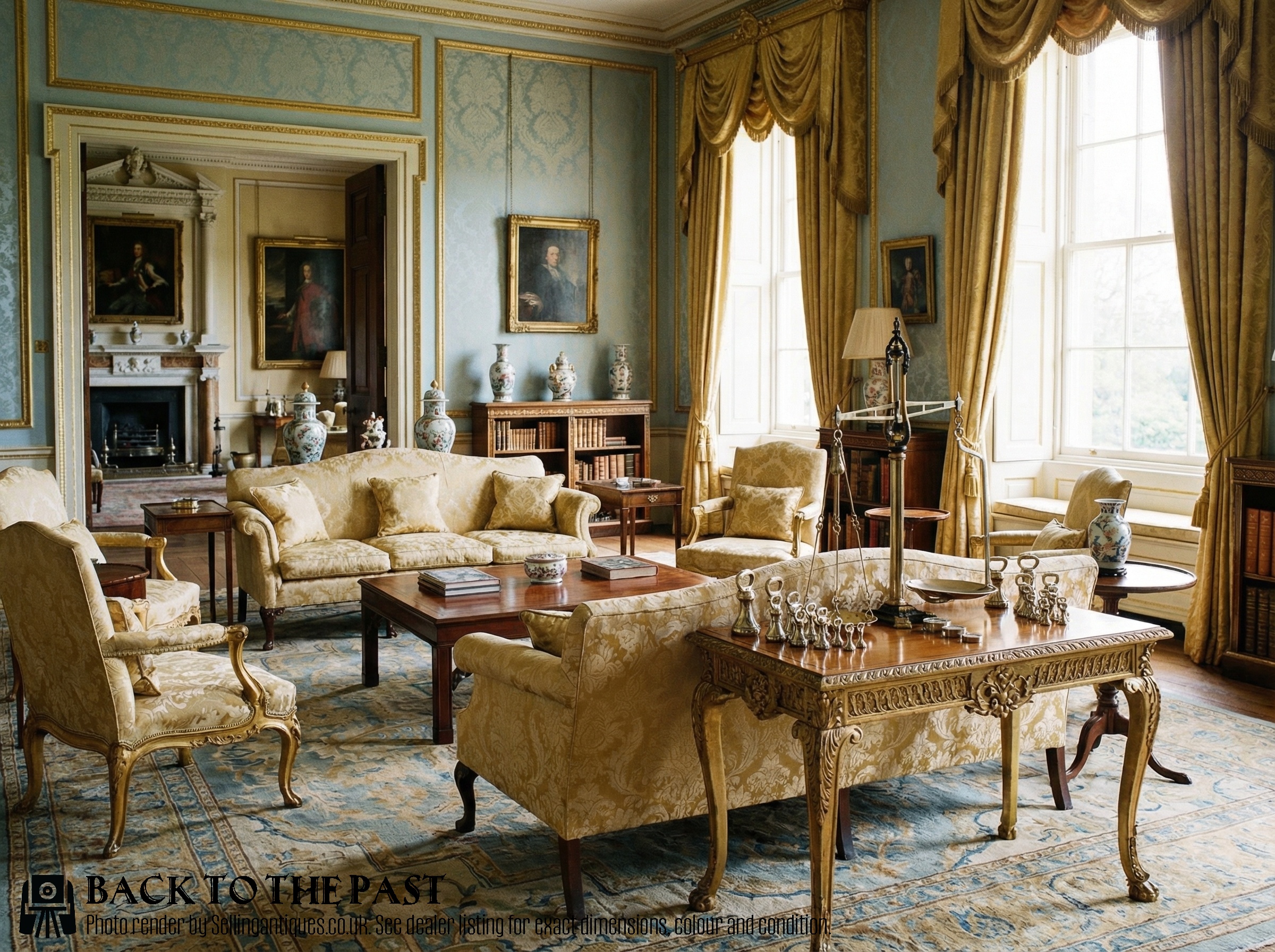
Antique Counter Scales
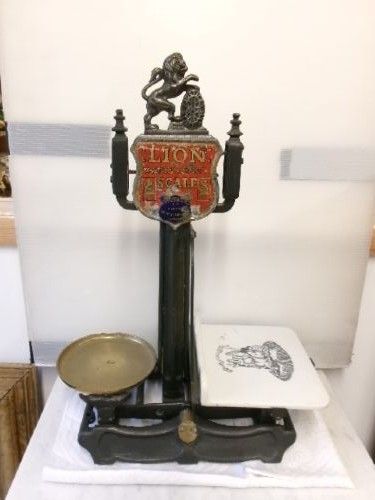
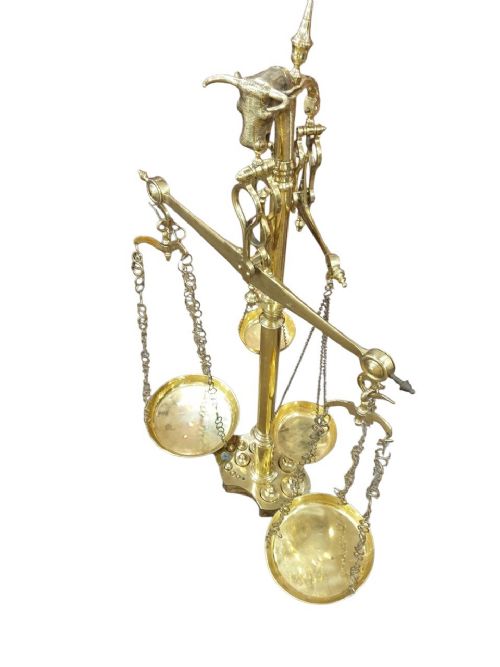
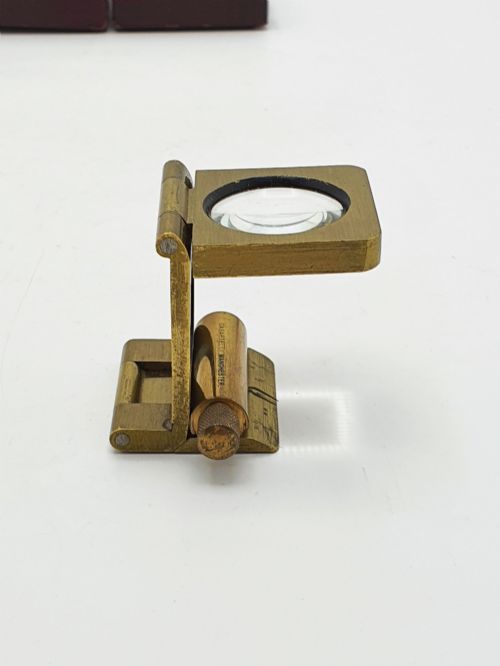
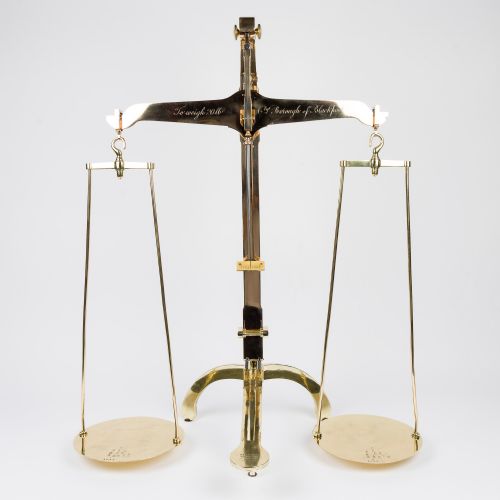
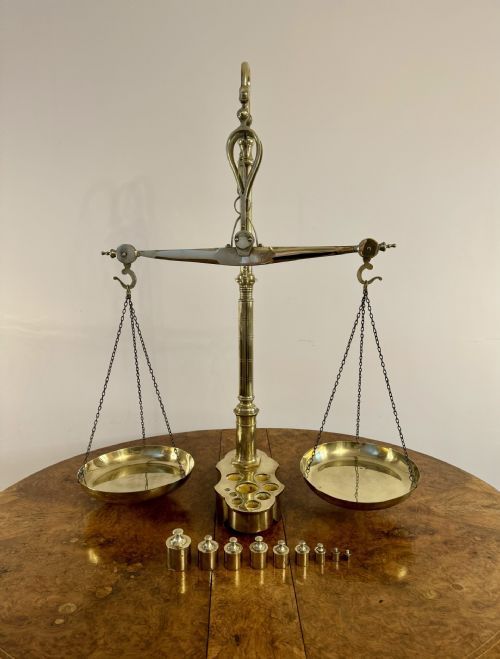
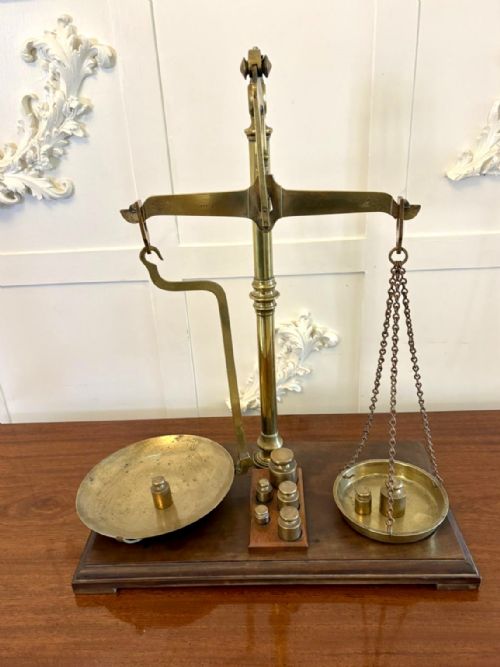
When you search for antique counter scales, you encounter utilitarian devices built for trade, weighing everything from apothecary powders to butcher cuts. The pieces most likely to meet you on this page span the Victorian and Edwardian eras, taking the form of balance scales, beam scales, and grocers' apparatuses.
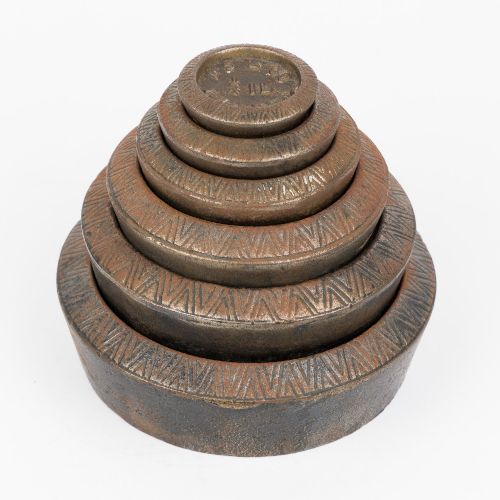
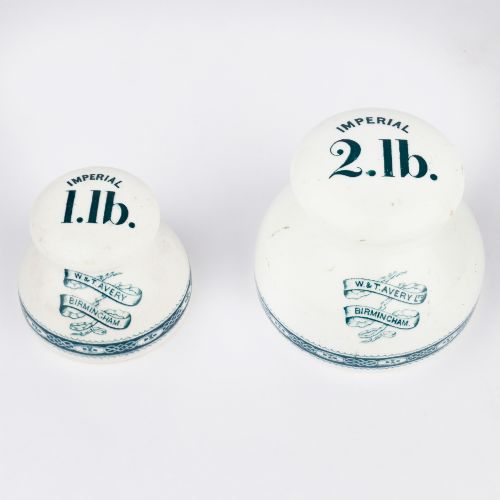
Originating from commercial environments such as grocers, cooperatives, and apothecaries, these devices reflect the daily commerce of the nineteenth and early twentieth centuries. Alongside complete scales, you will find related items like ceramic scale pans and brass stacking weights that formed part of the working setup.
Regional variations appear across the listings, ranging from English city borough council pieces to Welsh dairy scales. Their robust construction and utilitarian forms ensure they function today much as they did in past centuries.
Materials and construction
Makers paired heavy cast iron and wrought iron for structural strength with polished brass for beams and pans, ensuring both durability and precision in daily trade. Wooden bases in mahogany and oak provided stable platforms, occasionally accompanied by ceramic pans and glass elements.
The fabrication combined foundry casting for iron bodies with careful machining for brass balance components and engraved weight sets. These materials were chosen for resilience in busy shops, allowing the metalwork to endure decades of continuous use.
Antique Counter Scales Retail Price Guide 2026
Typical asking prices for counter scales among the pieces listed under this phrase on Sellingantiques today, from the lower quarter to the upper quarter. They describe what is for sale here now, not the wider market.
Palethorpes butcher scales carry advertising for sausages, reminding us that Victorian shop equipment doubled as point-of-sale marketing.
Evaluating quality and execution
Superior examples distinguish themselves through the crispness of maker signatures, the integrity of original painted finishes, and the presence of matching weight sets. The precision of the balance beam and the smoothness of the pivot action separate utilitarian survivals from exceptional commercial pieces.
The refinement of the materials, such as heavy-gauge cast brass and well-figured mahogany bases, indicates workshop pedigree. Completeness with original iron weights and verified provenance further elevates a piece within the range.
Casartelli Manchester·W & T Avery·Day & Millward·Parnall & Sons of Bristol·Fairbanks·De Grave·Bartlett & Sons
The Antique Counter Scales Glossary
- Balance scale
- A weighing device operating on a central pivot with two suspended pans of equal weight. This is the fundamental mechanism seen in most shop scales.
- Apothecary balance
- A sensitive weighing instrument designed for measuring small quantities of medicinal ingredients. These often sit within dedicated wooden boxes with matched brass weights.
- Beam scale
- A heavy-duty weighing apparatus featuring a central horizontal bar from which large pans hang. They are frequently associated with butchers and grocers.
- Scale pan
- The shallow dish or platform that holds the goods being weighed. They are commonly made of brass, copper, or glazed ceramic.
- Imperial weights
- Standardised units of mass used for trade prior to metrication. Sets frequently stack together in solid brass or iron blocks.
Antique Counter Scales: Frequently Asked Questions
How do I clean brass scale pans?
Use a soft cloth and mild soapy water to remove surface dirt while preserving the aged patina. Avoid harsh chemical polishes that strip historical character from the metal.
Dry the brass thoroughly after cleaning to prevent water spots and tarnishing.
Are these scales still accurate?
Many survive in working order with balanced beams and correct pivot movement. However, they are sold primarily as decorative and historical objects rather than certified measuring instruments.
Fine adjustment may be needed if you intend to calibrate them for modern use.
How do I identify a Victorian scale?
Look for cast iron framing, heavy brass beams, and often maker stamps or local authority verification marks from the nineteenth century. The styling typically incorporates robust industrial casting techniques of the period.
Complemented by ceramic pans or mahogany bases, these details point firmly to Victorian production.
Where were these scales used?
They stood on the counters of grocers, butchers, apothecaries, and dairy shops to weigh goods for customers. Some were issued for specific municipal duties by city borough councils.
Their sturdy construction was designed to withstand the daily demands of bustling retail environments.