







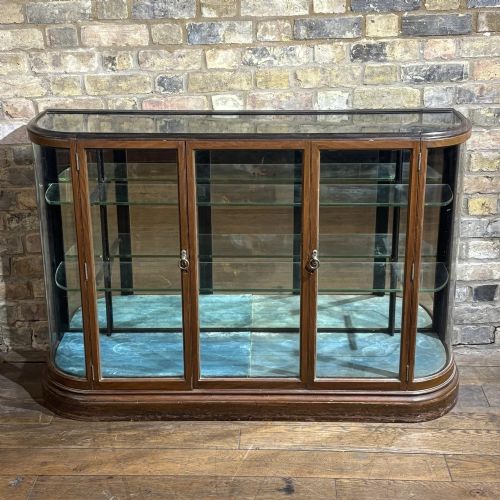
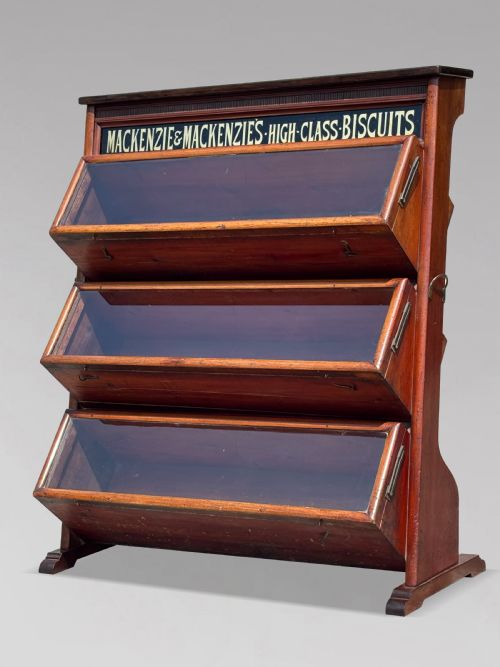
Antique Counter Display
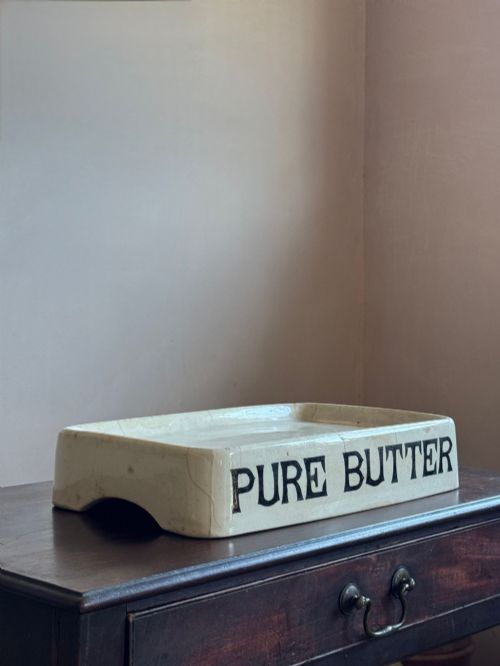
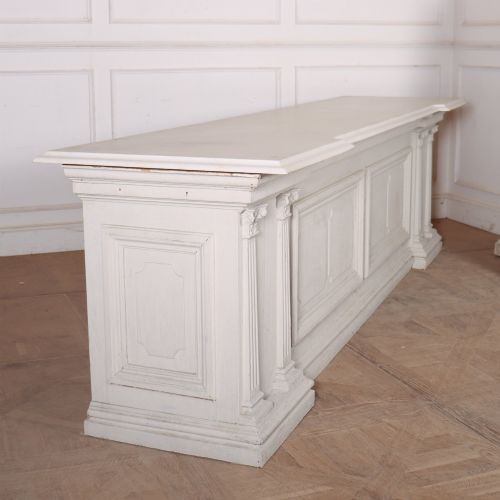
An antique counter display serves as a functional shop fitting designed to showcase wares, spanning sturdy oak cabinets and glass cases from the Victorian era onward.
Antique Counter Display
An antique counter display encompasses shop fittings, haberdashery cabinets, and tabletop glass cases originating from the nineteenth century through the Art Deco period of the 1930s. Buyers frequently encounter oak and mahogany countertops, display tables, and specialised units built for pharmacies, drapers, and general merchants.
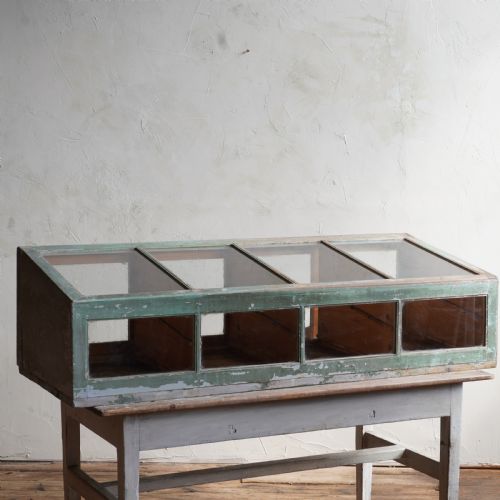
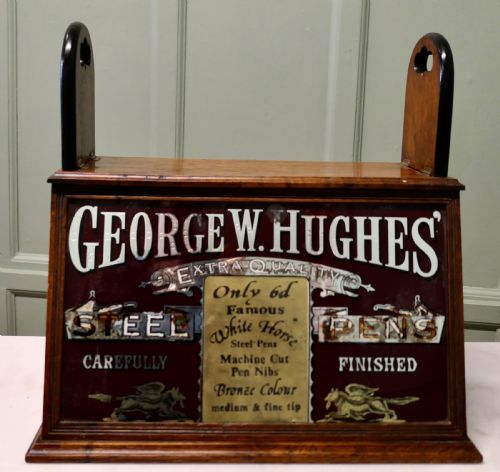
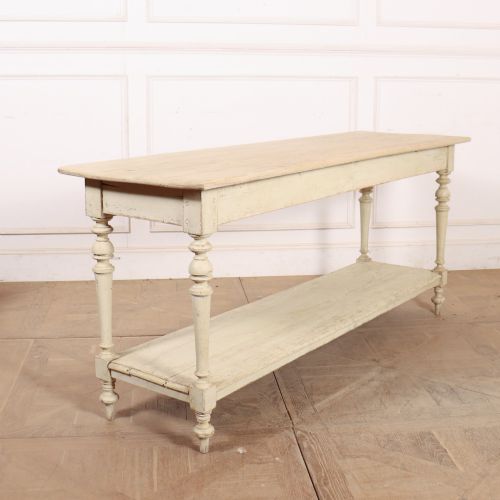
The form ranges from small glazed countertop cases and drawer units to large freestanding display counters and shop fittings in pine, walnut, and metal. Pieces often reflect commercial origins associated with named makers and specific retail trades like confectionery, tobacco, and tailoring.
Materials and construction methods
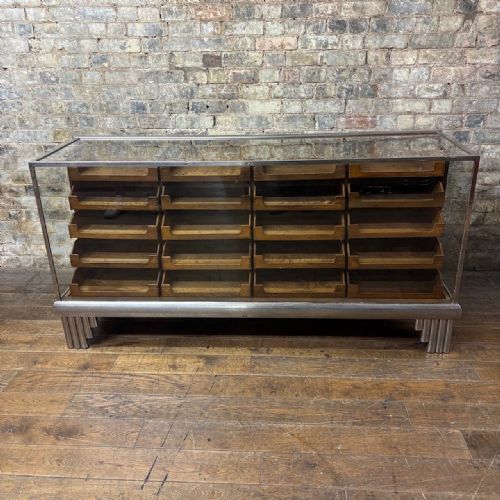
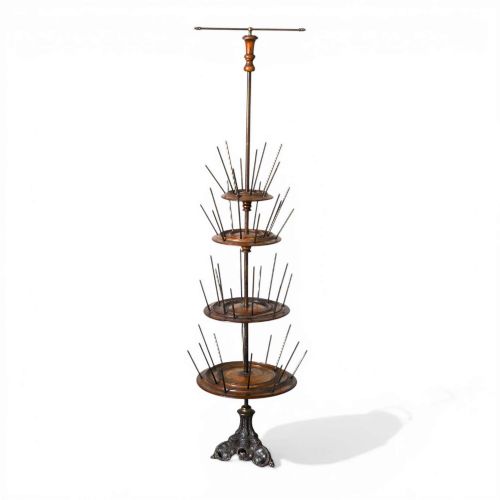
Makers utilised dense timbers such as mahogany, oak, and pine to build structural frames, often incorporating glazed panels and glass doors to protect merchandise while maintaining visibility. Brass fittings, chrome details, and cast iron support specific display stands, shelving units, and specialised haberdashery drawers.
Surfaces exhibit varied finishes including original paint, distressed patinas, and ebonised treatments applied during manufacture or commercial use. Joinery techniques connect timber frames securely to accommodate heavy daily retail handling and glass integration.
Antique Counter Display Retail Price Guide 2026
Typical asking prices for counter display among the pieces listed under this phrase on Sellingantiques today, from the lower quarter to the upper quarter. They describe what is for sale here now, not the wider market.
Listings feature oak, mahogany, and pine constructions alongside glass, brass, and velvet materials dating from the Victorian era to the 1930s.
Determinants of quality
Quality rests upon the integrity of the original timber framing, the clarity and proportion of glazed panels, and the survival of makers' signatures or brass badges. Finer examples display sophisticated cabinet-making details like bow ends, mirrored interiors, or specialised multi-drawer configurations.
The retention of original painted surfaces, period hardware, and intact internal shelving distinguishes utilitarian shop fittings from exceptional retail furniture created by established commercial furnishers.
F. Sage & Co·Dudley & Co·John Stow Ltd
The Antique Counter Display Glossary
- Haberdashery cabinet
- A multi-drawer retail unit traditionally utilised for storing small sewing goods, ribbons, and fastenings. These pieces typically feature numerous shallow drawers with glass fronts or brass pulls.
- Vitrine
- A glass-fronted display case or cabinet designed for exhibiting delicate objects, ornaments, or retail merchandise. The term frequently describes refined display furniture from the late nineteenth and Edwardian periods.
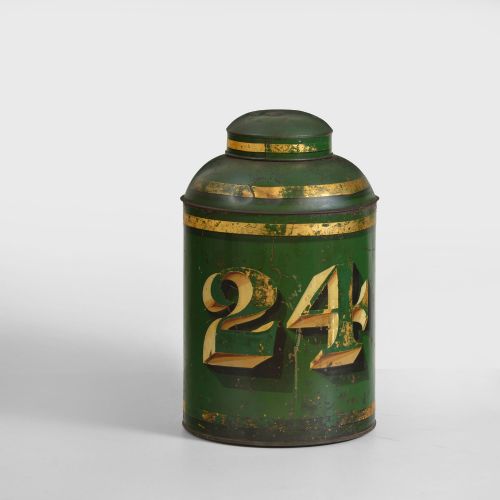
- Toleware
- Painted or japanned metalware produced in tin, often formed into decorative storage boxes or caddies. Items of this type served both domestic storage and commercial shop purposes.
- Bow end
- A curved cabinet or counter termination that softens the rectangular geometry of retail furniture. This shape permits enhanced viewing angles in busy shop environments.
Antique Counter Display: Frequently Asked Questions
What is an antique counter display?
An antique counter display is a commercial shop fitting, cabinet, or glazed case used originally to merchandise goods in nineteenth and early twentieth-century retail environments.
These pieces range from small oak countertop cases to large mahogany shop counters and specialised haberdashery drawer units.
How were display counters used originally?
Merchants placed these units on sales counters or shop floors to protect delicate wares while presenting them clearly to potential customers.
Different trades utilised specific forms, such as chemists employing multi-drawer cabinets for medicines and drapers using glass cases for textiles.
How do I date a shop display cabinet?
Dating relies on identifying timber choices, construction techniques, hardware styles, and any manufacturer badges or signatures present on the piece.
Victorian examples often feature heavy mahogany or pine construction, whereas 1920s and 1930s versions incorporate chrome, ebonised finishes, or Art Deco styling.
How do I live with an antique counter display?
These versatile pieces function effectively in modern interiors as storage furniture, bookcase alternatives, or display surfaces for collections in living spaces and kitchens.
Their glass panels and sturdy timber frames provide practical visibility and dust-protected storage for everyday items.