

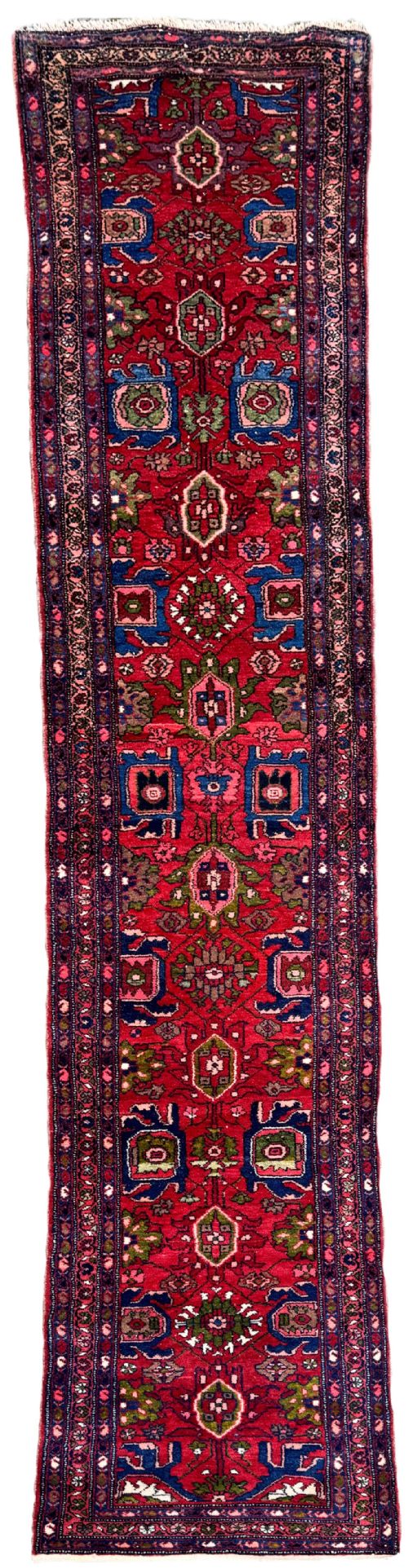
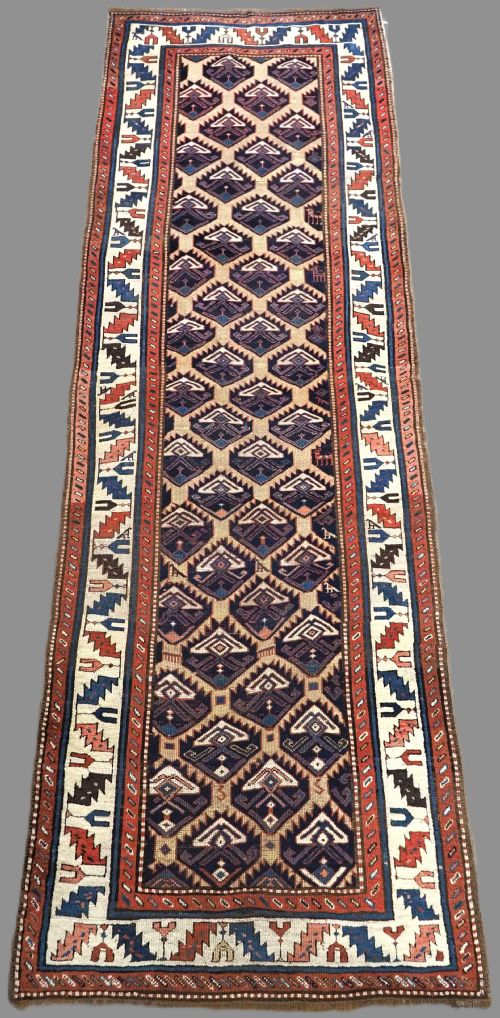
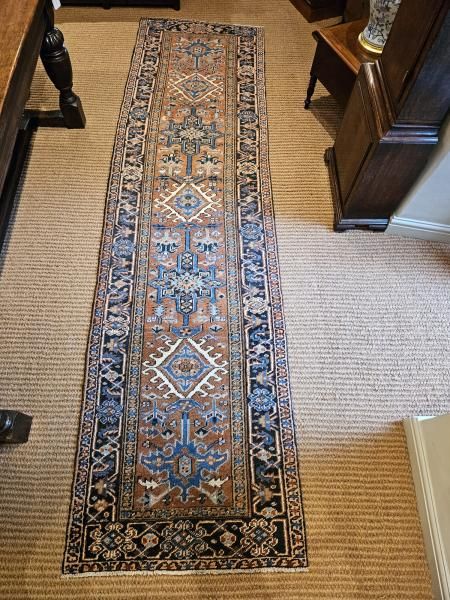
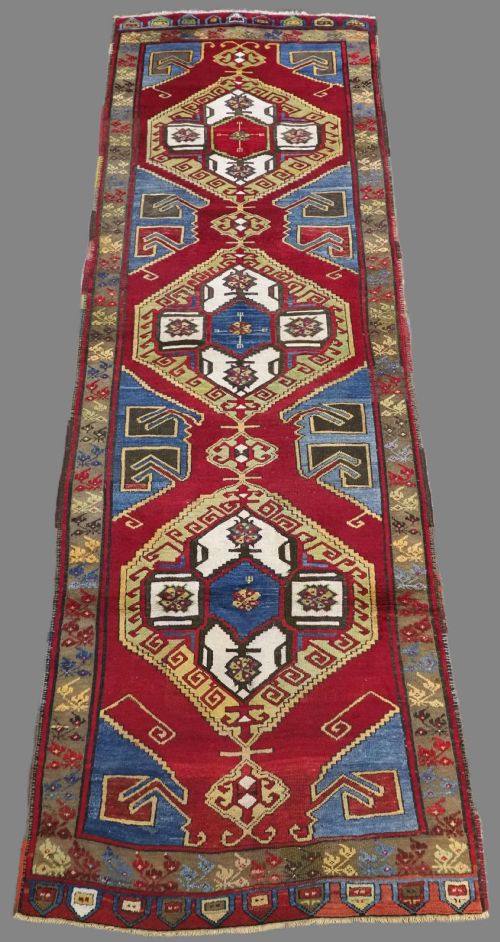
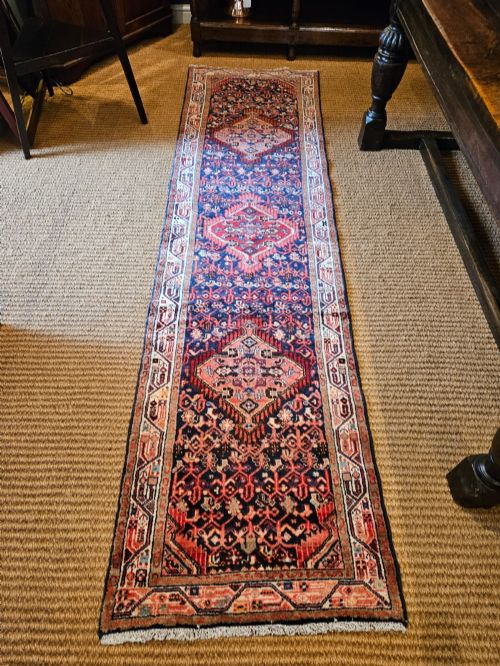
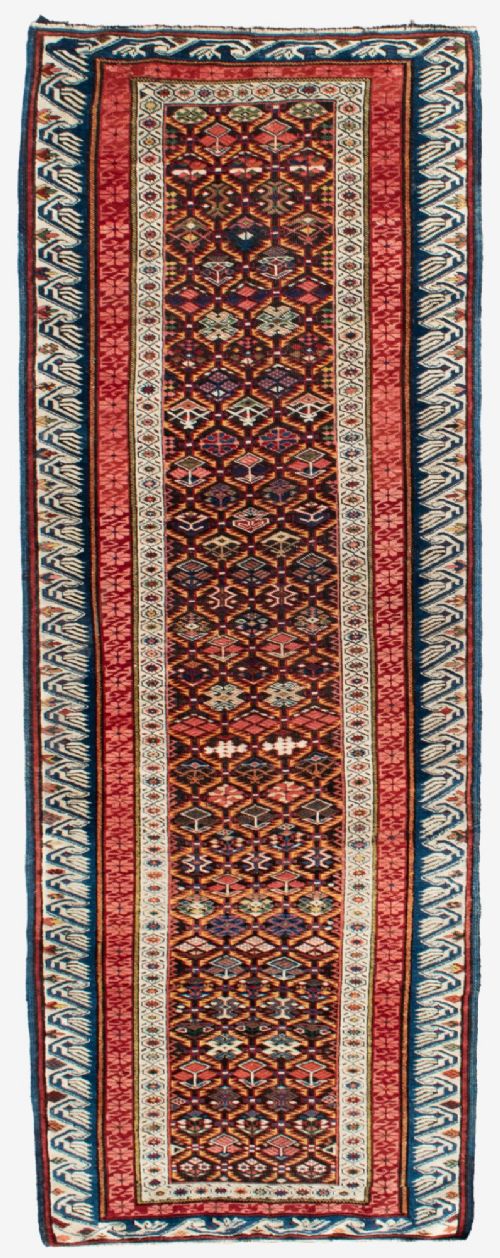
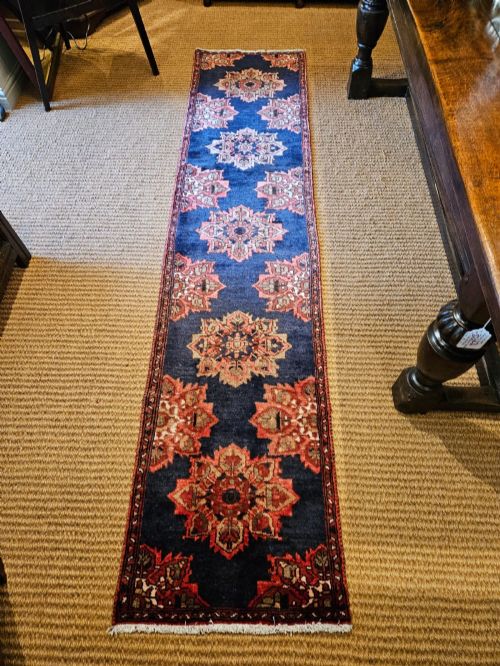
Antique Corridor Carpet
An antique corridor carpet brings linear structure and deep cultural history to long hallways through hand-knotted wool and traditional tribal designs.
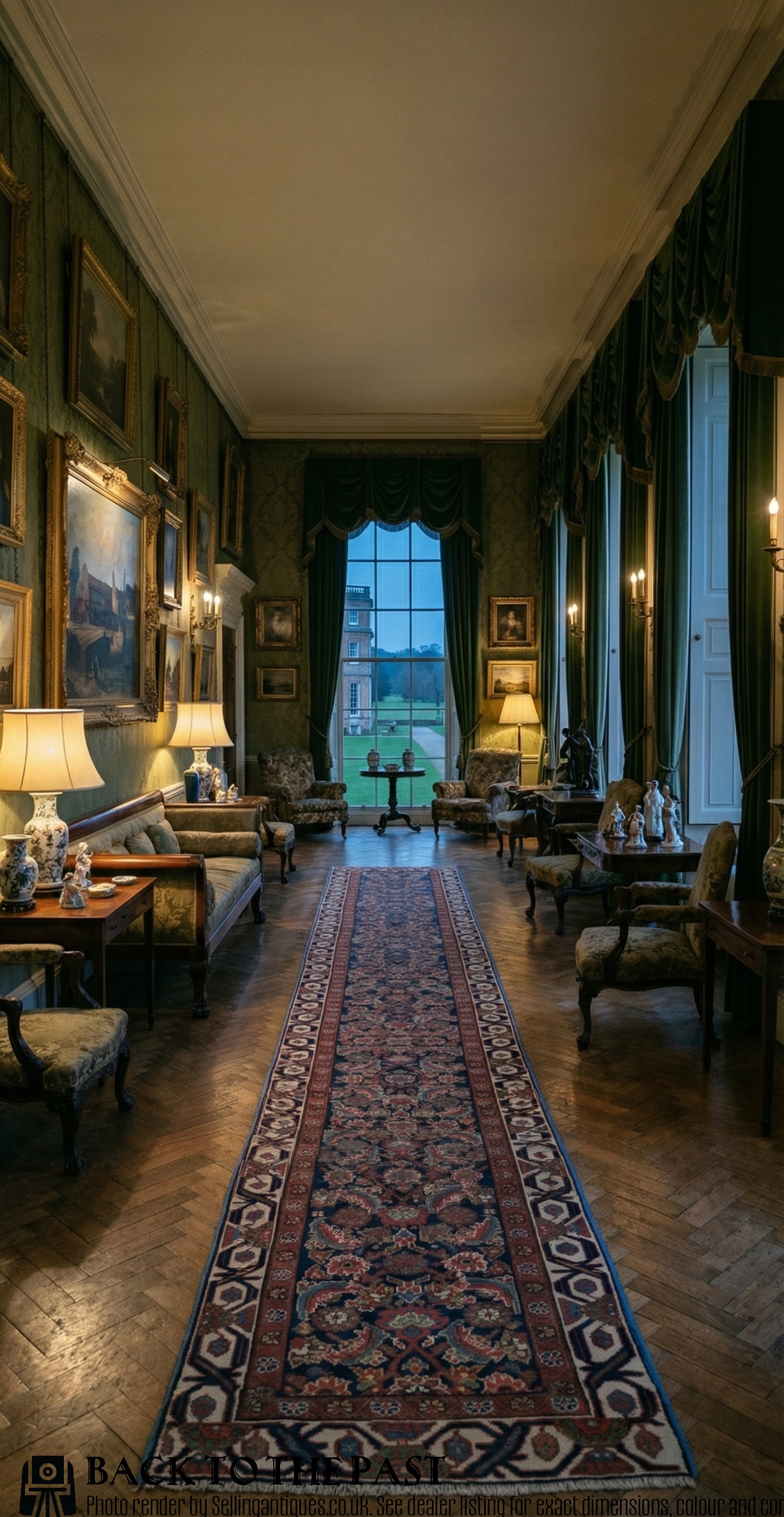
Antique Corridor Carpet
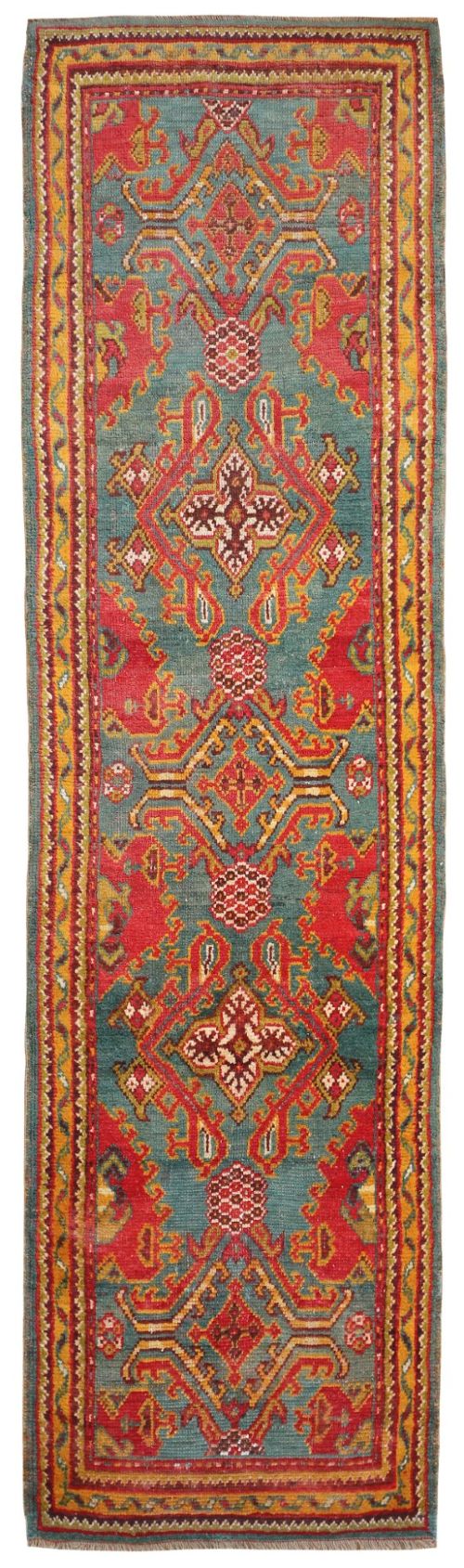
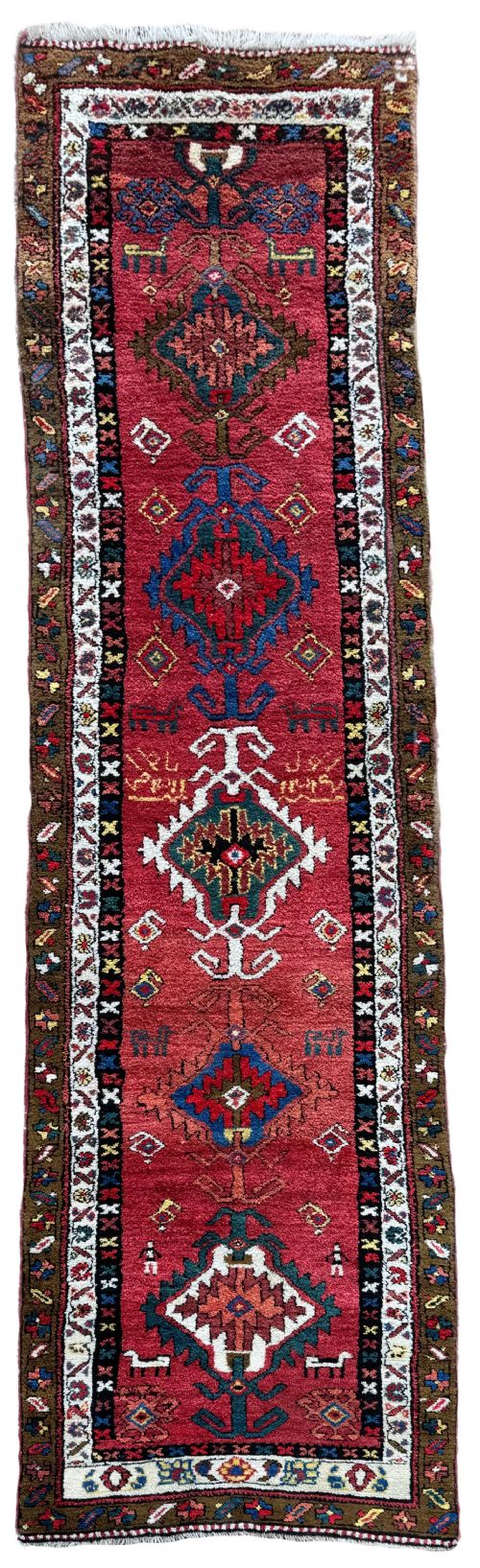
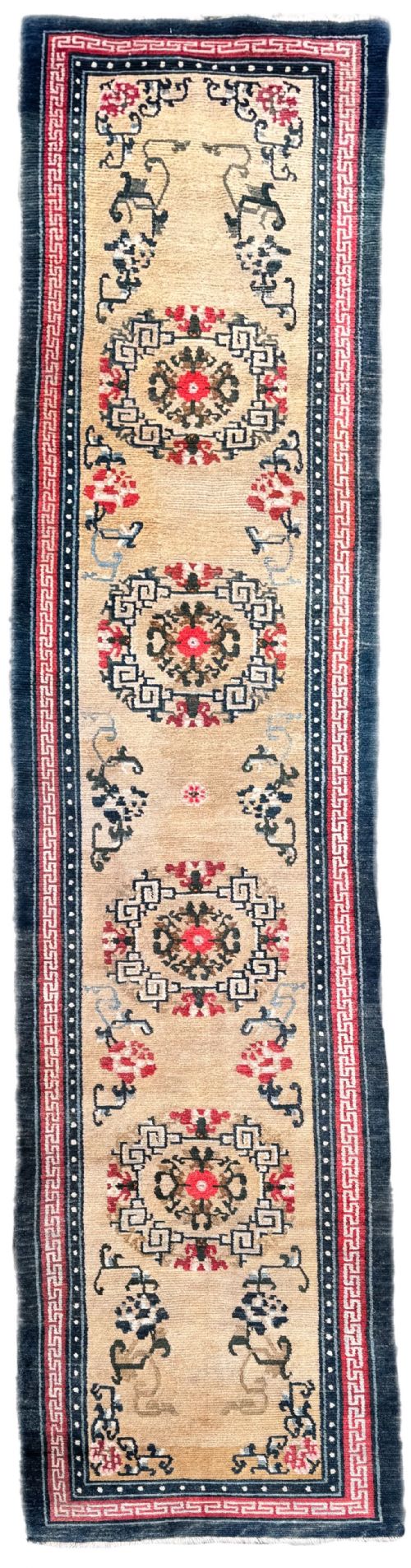
An antique corridor carpet spans long, narrow formats specifically designed for hallways, landings, and extended passageways. These floor coverings bridge rooms while adding warmth and visual rhythm to transit spaces in period properties.
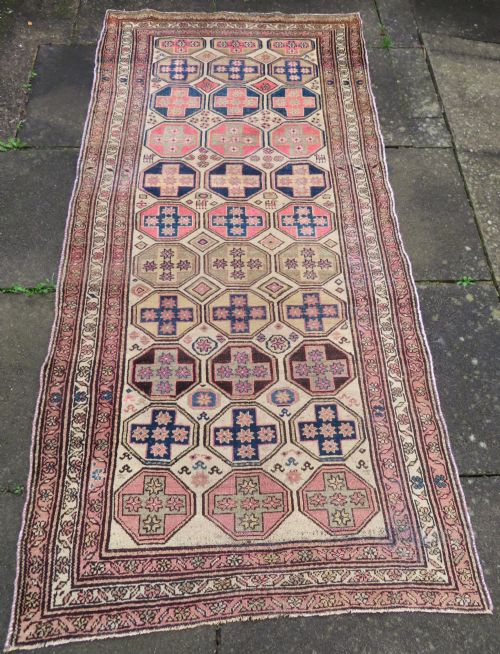
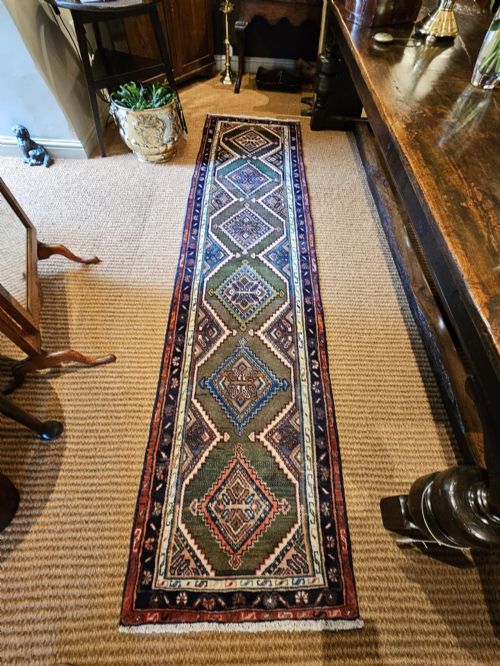
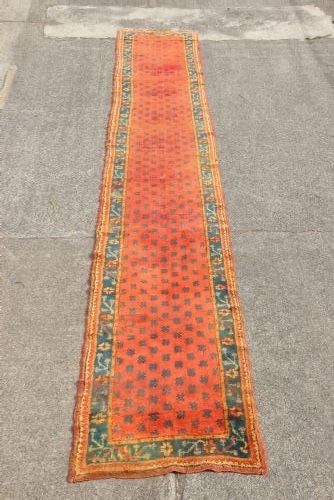
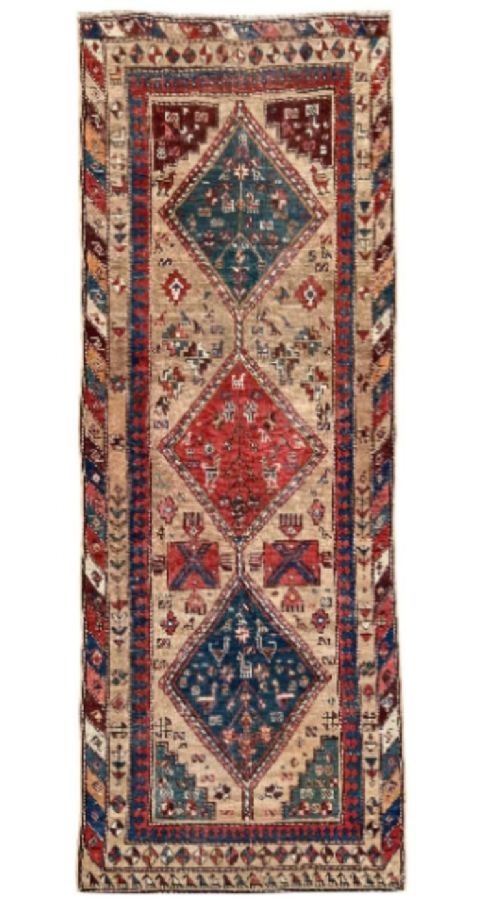
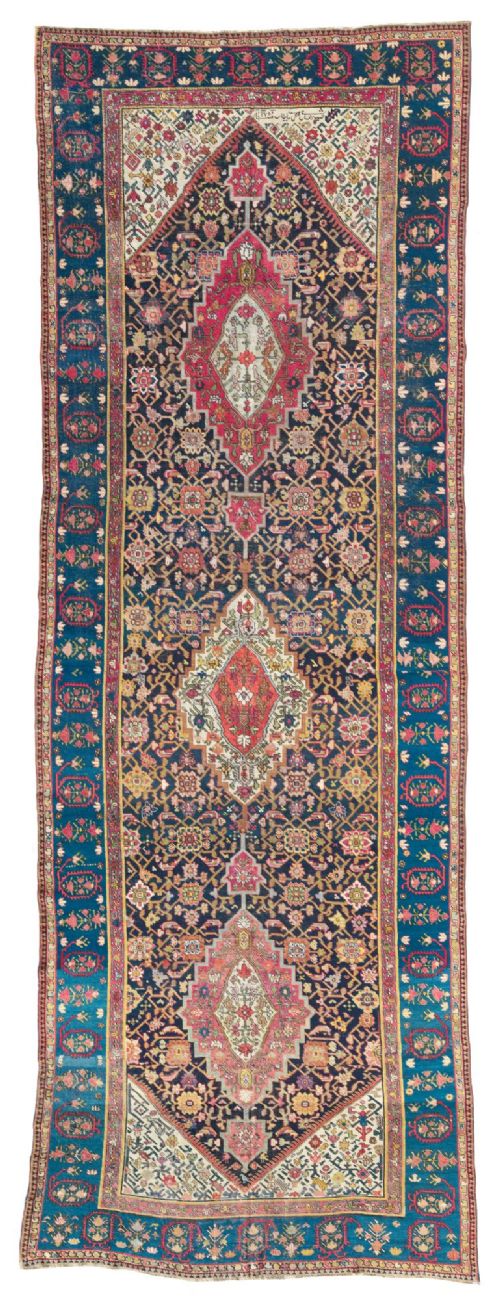
The pieces appearing here include Persian Heriz, Kurdish, Ushak, and Caucasian runners dating from the nineteenth century into the early twentieth century. These origins range from village workshops to nomadic tribal weaves created across Persia, Turkey, and the Caucasus.
Buyers encounter substantial format variations, from narrow five-metre lengths intended for grand corridors to wider kelleh sizes suited to spacious halls. Each format reflects the specific architectural demands of the domestic interiors for which they were knotted.
How They Were Made
Production relies on hand-spun wool and cotton foundations, utilising asymmetric or symmetric knots tied by hand across vertical looms. Weavers beat down the rows using heavy metal combs to compact the pile firmly against the cotton or wool warp and weft threads.
Natural dyestuffs extracted from roots, insects, and plants provide the palette, yielding rich tones that soften gracefully over generations of use. The density of the knotting directly dictates how flat the carpet lies along extended floorboards.
Antique Corridor Carpet Retail Price Guide 2026
Typical asking prices for corridor carpet among the pieces listed under this phrase on Sellingantiques today, from the lower quarter to the upper quarter. They describe what is for sale here now, not the wider market.
Several runners stretch over five metres long, designed to cushion footsteps down draughty nineteenth-century landing corridors.
What Varies in Quality
Quality separates along the precision of the tribal geometry and the consistency of the wool pile across long expanses. Finer knot counts allow complex lattice and medallion motifs to retain crisp definition from one end of the runner to the other.
The integrity of the original wool warp and edge binding determines how well the carpet withstands heavy foot traffic in a busy hallway. Examples retaining their original kilim ends and selvedges demonstrate superior preservation compared to pieces with extensive later repairs.
The Antique Corridor Carpet Glossary
- Warp
- The vertical threads stretched tightly on the loom that form the structural skeleton of the carpet. Fringe ends typically consist of these exposed warp threads.
- Weft
- The horizontal threads passed between rows of knots to bind the pile securely in place. They cross under and over the warp threads to stabilise the fabric width.
- Kelleh
- A large format floor covering traditionally proportioned longer than a standard rug but wider than a runner. These rectangular pieces served broad hallways and formal chambers.
- Selvedge
- The bound outer edge running parallel to the length of the carpet that prevents fraying. Strong selvedges protect the structural integrity of narrow runner formats.
- Mina Khani
- A traditional repeating geometric pattern of flowers connected by curved lattice lines. This balanced design appears frequently across Persian and Caucasian weaves.
Antique Corridor Carpet: Frequently Asked Questions
How do I measure for a corridor carpet?
Measure the clear floor space of your hallway, leaving a uniform margin of exposed wood or stone around the perimeter. Account for door clearances so the runner does not jam when interior doors swing open.
Keep in mind that very long carpets require stable underlays to prevent slipping on polished floorboards. Leave sufficient space at thresholds to let foot traffic transition smoothly onto the pile.
Can I place these in high traffic areas?
These runners were originally made for domestic transit spaces and handle regular footsteps well when supported by a quality felt or rubber underlay. Wool possesses natural lanolin that resists everyday dirt and cushions the foundation against crushing.
Rotate the carpet periodically to distribute wear evenly along the length, especially if natural light from hallway windows hits one section more than another.
How do I identify a tribal runner?
Tribal pieces display geometric motifs, stylized animal forms, and repeating latch-hook diamonds woven from memory rather than strict architectural blueprints. The wool often feels heavier and displays subtle colour variations known as abrash.
Village workshops and nomadic groups produced these less symmetrical designs across the Caucasus, Kurdistan, and Anatolia during the nineteenth and early twentieth centuries.
What is abrash?
Abrash describes subtle horizontal bands of colour variation within the field of a rug caused by batch-dying wool at different times. This natural irregularity adds depth and shimmer to the background tones.
Hand-spun wool absorbs natural dyes uniquely, ensuring that small shifts in hue occur naturally across long runner formats without diminishing visual harmony.