
Antique Corinthian Columns
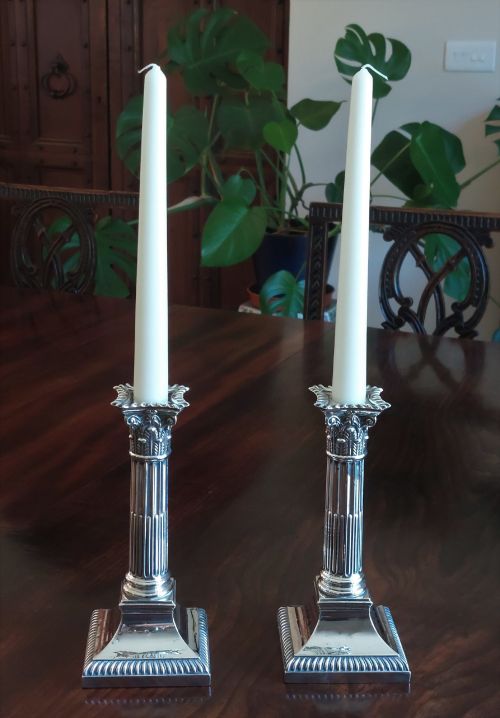
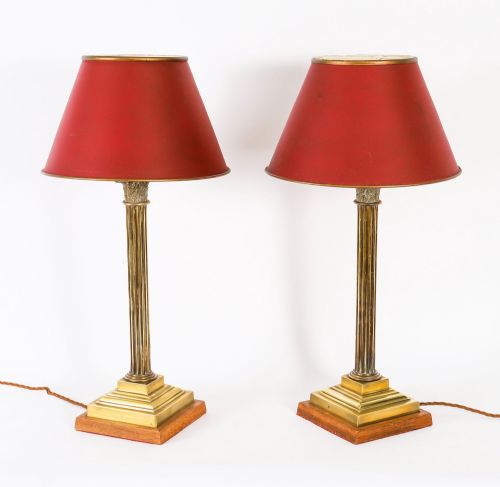
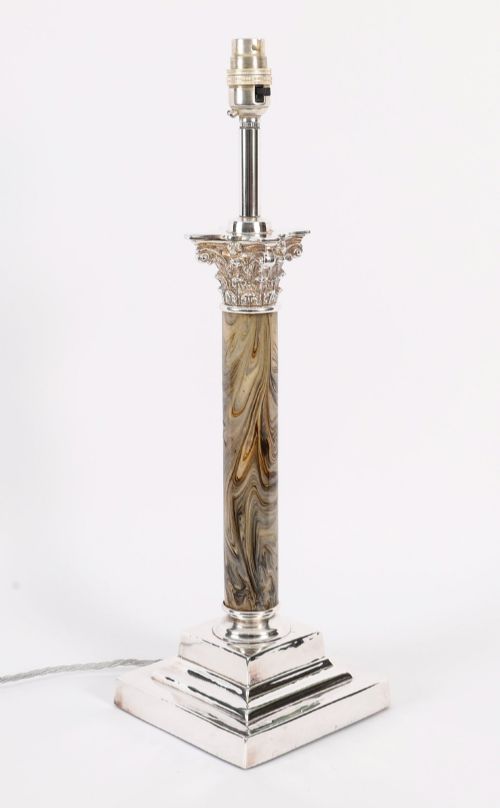
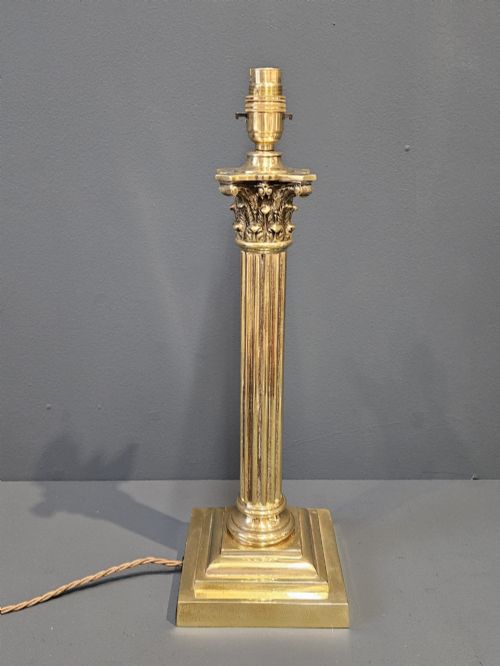
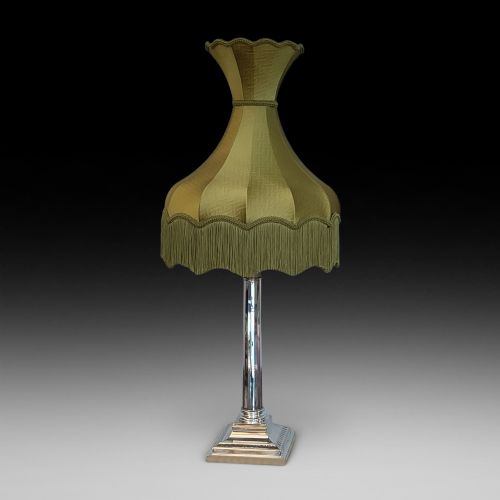
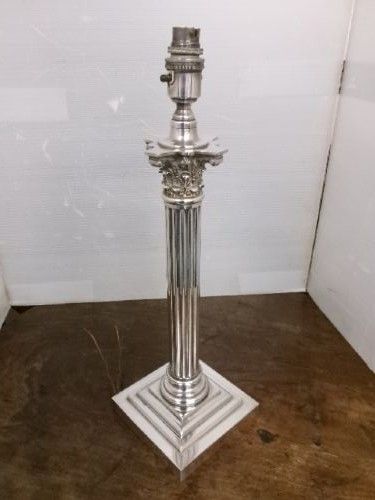
These antique corinthian columns bring classic architectural form and warm illumination into rooms through brass lamps, silver plated candlesticks, and carved wooden pedestals.
Antique Corinthian Columns
When you search for antique corinthian columns, you encounter pieces designed around the classical order, most frequently expressed as table lamps, candlesticks, and oil lamps. The selection spans the Victorian, Edwardian, and early twentieth-century periods, capturing a sustained nineteenth-century fascination with neoclassical design.
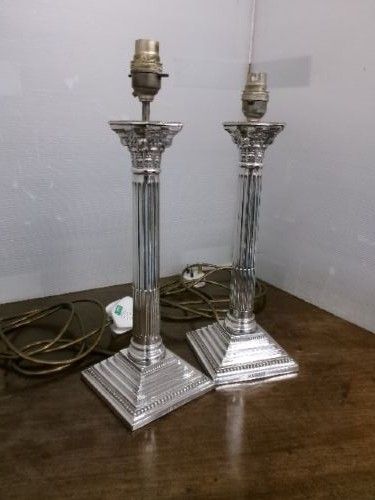
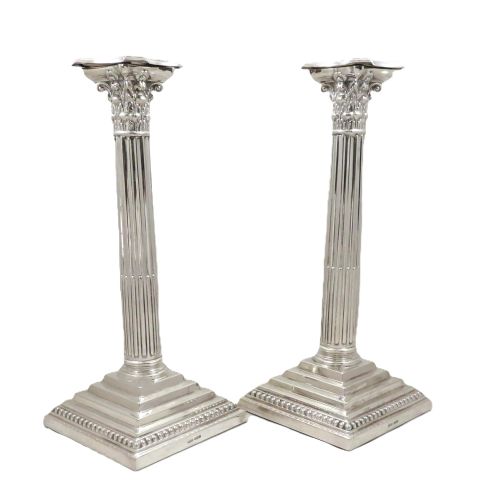
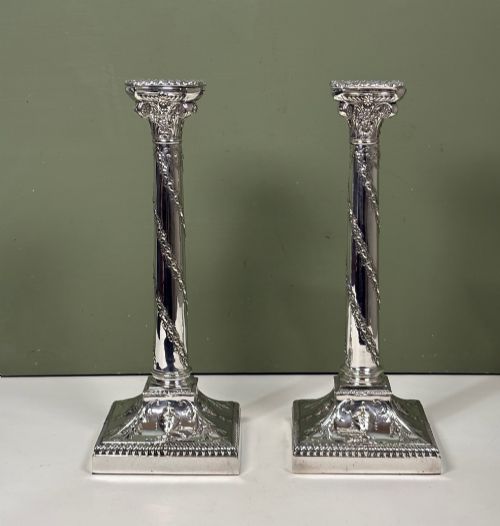
Buyers are most likely to meet pairs of silver-plated candlesticks or single brass column lamps from the late nineteenth century. These pieces translate monumental temple architecture into domestic proportions suited for side tables, desks, and mantelpieces.
How they were made
Makers constructed metal lamps and candlesticks using heavy brass castings or by electroplating silver onto base metals, securing structural stability with internal threaded rods. Detail work on the capitals required intricate moulds to capture the characteristic acanthus leaves and volutes of the classical order.
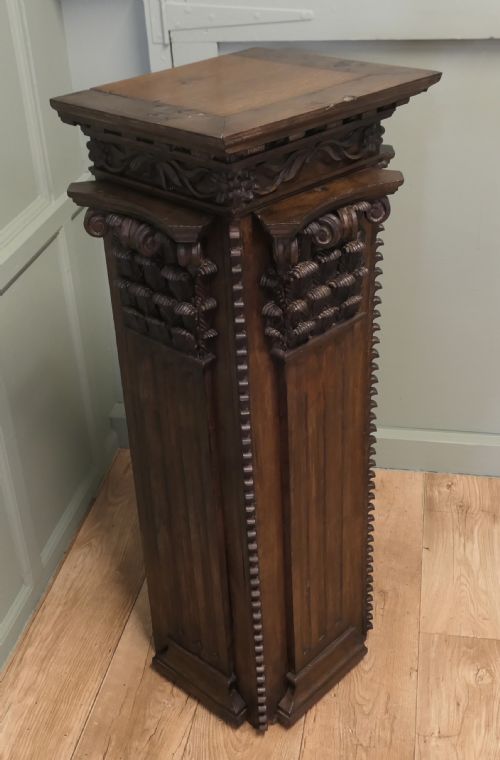
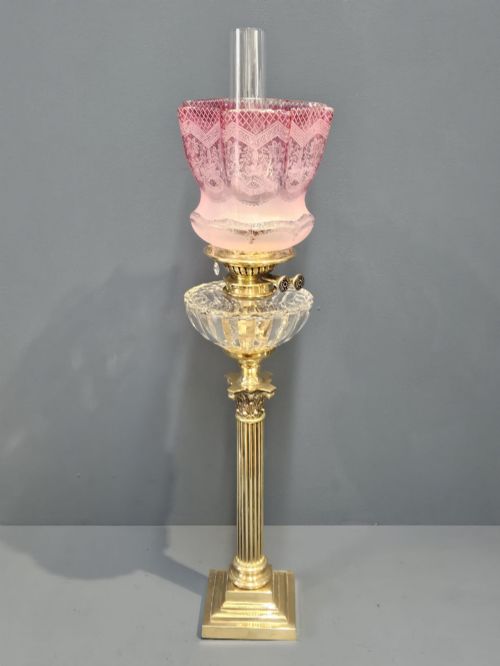
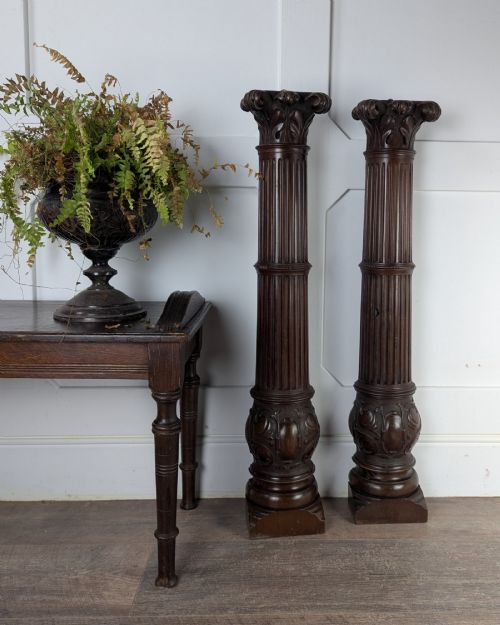
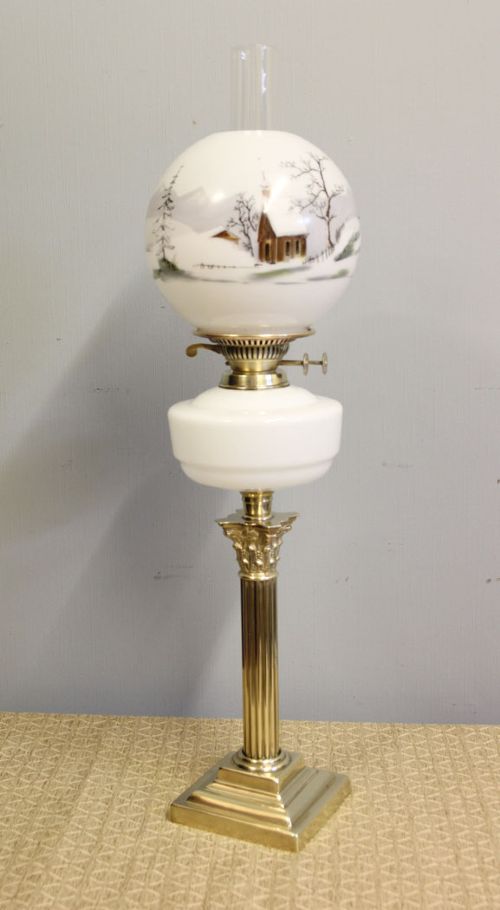
Wooden examples rely on traditional joinery and hand-carving, shaping solid mahogany and oak into reeded columns and half-columns. Glass components, including oil lamp fonts and tulip shades, were mouth-blown and occasionally etched or painted by hand.
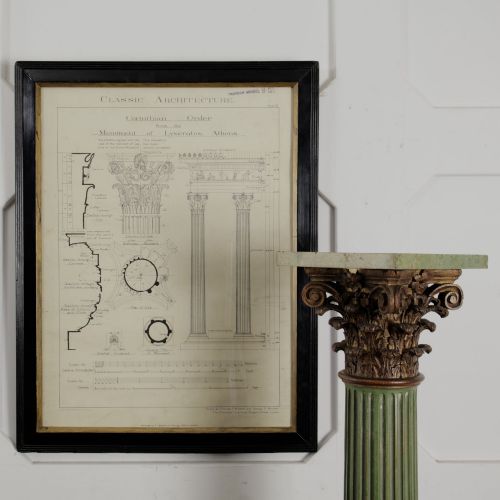
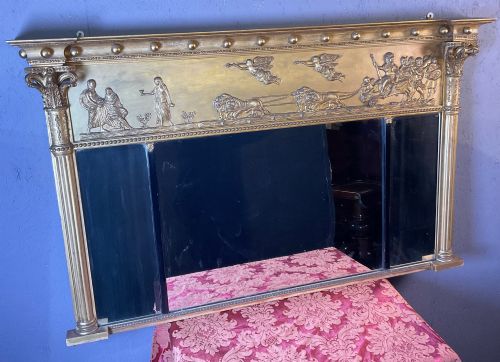
Finishes vary from polished brass and silver plate to gilded gesso on mirrors and painted surfaces on wooden architectural elements. Metal components frequently received a protective lacquer or developed a natural patina over decades of handling.
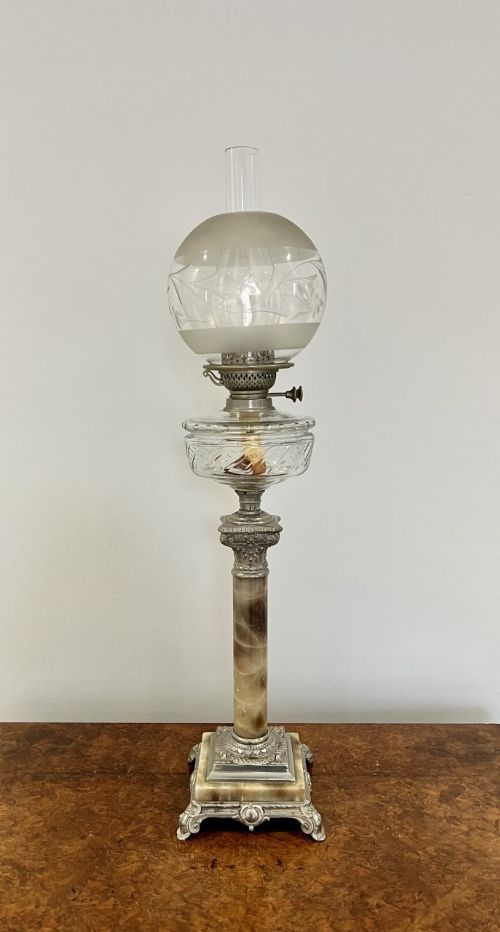
One oil lamp shade brings an entire winter landscape indoors with a hand-painted snow scene glowing above its brass column.
What varies in quality
The distinction between standard production and superior examples rests on the crispness of the casting in the capital and the weight of the metal used in the shaft. Finely modelled acanthus leaves with deep undercut details separate better workshops from mass-produced commercial output.
Proportion and material integrity dictate overall merit, particularly in matching pairs where height, base weight, and column diameter must align precisely. Silver-plated pieces show variation in the thickness and preservation of the original plating over the underlying base metal.
Carved wooden columns and pedestals derive their quality from the selection of timber, such as figured mahogany or quarter-sawn oak, and the precision of the hand-carved fluting and column bases.
The Antique Corinthian Columns Glossary
- Capital
- The topmost member of a column, typically decorated with carved or cast acanthus leaves and volutes in the Corinthian order. It forms the visual crown directly beneath the shelf or lamp fitting.
- Volute
- The spiral scroll ornament characteristic of classical capitals. In Corinthian designs, these small scrolls sit at the corners beneath the abacus.
- Acanthus
- A sculptural ornamentation modelled on the leaves of the Mediterranean plant, used extensively on the bells of Corinthian capitals. Detail in this foliage indicates the grade of the casting.
- Reeded
- A decorative surface finish featuring a series of parallel convex mouldings closely set together. This technique frequently textures the vertical shafts of wooden columns and candlesticks.
Antique Corinthian Columns: Frequently Asked Questions
How do I date an antique corinthian column lamp?
Dating relies on examining the manufacturing techniques, wiring components if converted from oil, and the metal composition. Victorian examples frequently utilise heavy brass castings or thick silver plating with hand-cut threads.
Later Edwardian and twentieth-century pieces introduce standardised electrical fittings and different alloy compositions. Hallmarks on sterling silver candlesticks provide precise assay years.
Were these columns always used as lamps?
Many metal examples began as domestic candlesticks before conversion to electricity, whilst others were manufactured specifically as oil lamps or standard lamps. Architectural salvage pieces and carved wooden columns served structural or decorative display purposes in period interiors.
Conversion from oil to electric lighting occurred in waves throughout the twentieth century, altering internal components while preserving the exterior column.
How do I clean silver plated columns?
Silver-plated brass requires gentle cleaning with a non-abrasive cloth and mild silver foam to preserve the underlying plating. Aggressive polishing wears away the thin silver layer, exposing the yellow brass base metal beneath.
Wooden columns benefit from dust removal using a soft brush and occasional application of traditional beeswax to nourish the timber grain.
What is the difference between brass and silver plated versions?
Brass columns display the warm golden hue of the alloy metal, sometimes finished with a bright polish or left to darken with age. Silver-plated versions feature a bright white metal coating applied over a base metal foundation, offering a formal appearance favoured in Edwardian dining rooms.
Both materials share identical structural forms based on classical architectural orders.