




Antique Corbel
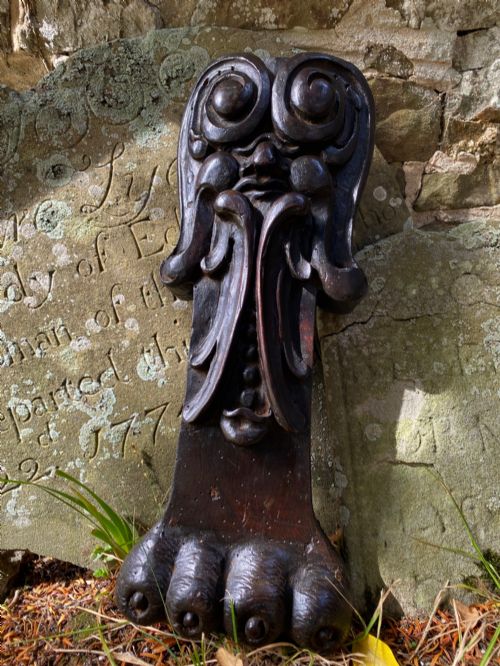
An antique corbel provides structural support while doubling as a striking architectural ornament for the wall.
Antique Corbel
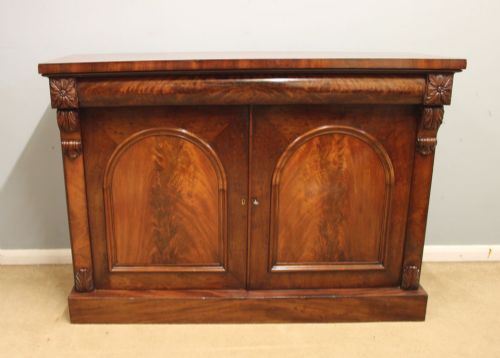
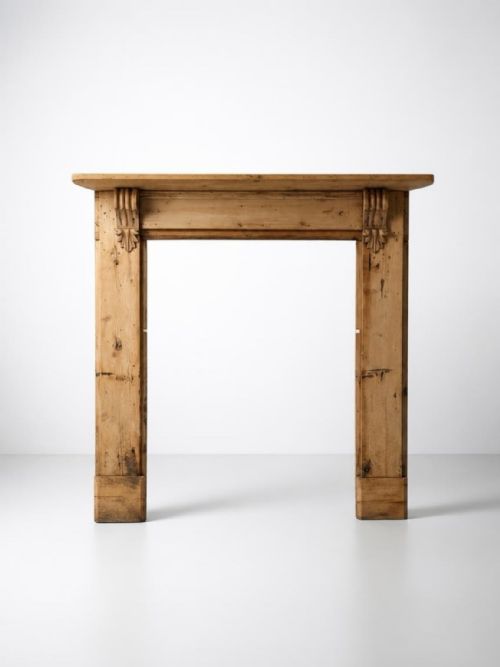
When you search for an antique corbel, you are looking at architectural projections designed to support weight, such as beams, shelves, or mantelpieces, though many pieces listed function as decorative wall brackets. These objects emerge from various eras, spanning the seventeenth, eighteenth, and nineteenth centuries, carrying the distinct weight of architectural salvage or purpose-built furnishings.
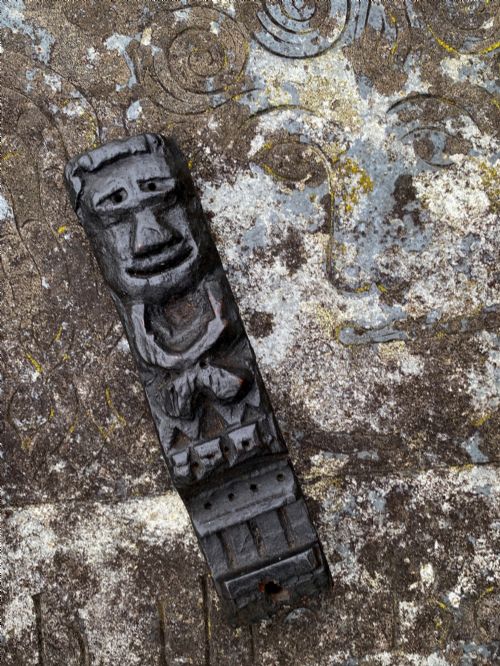
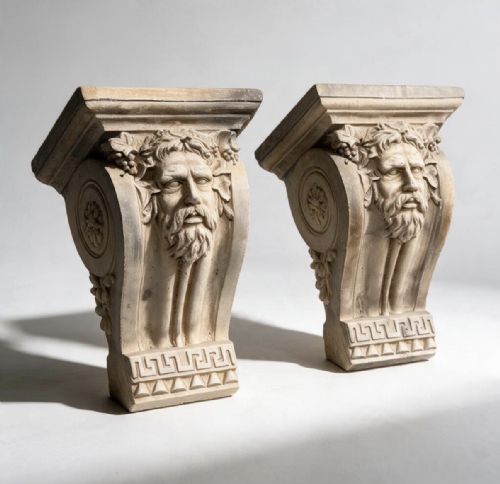
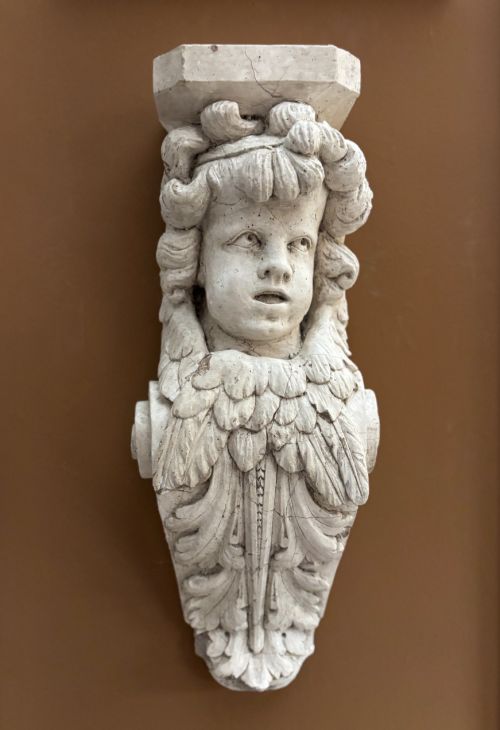
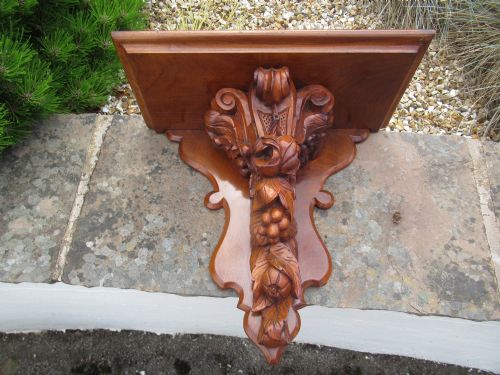
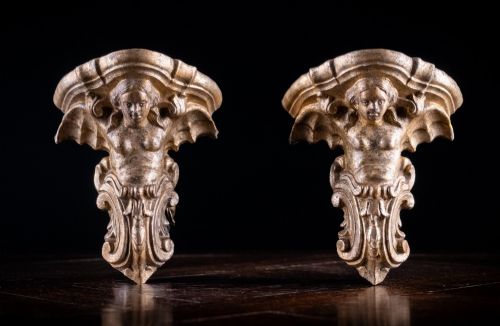
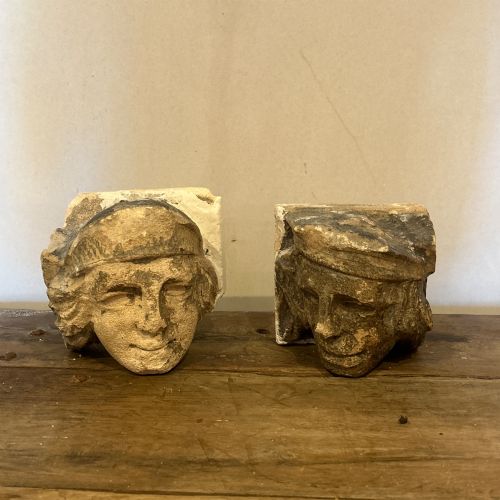
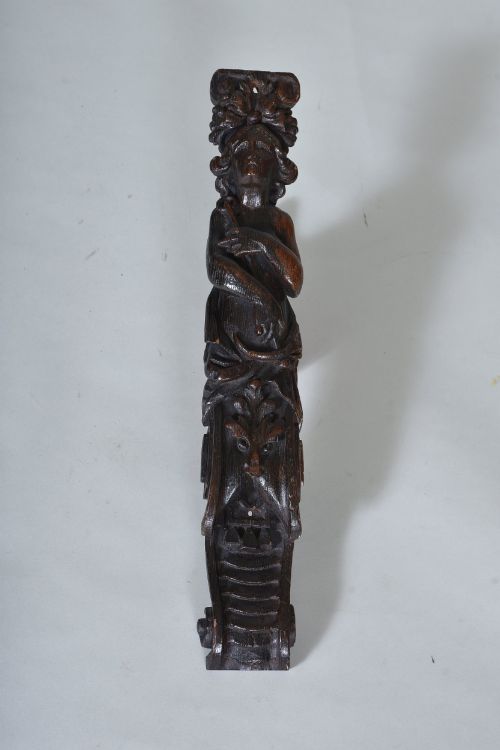
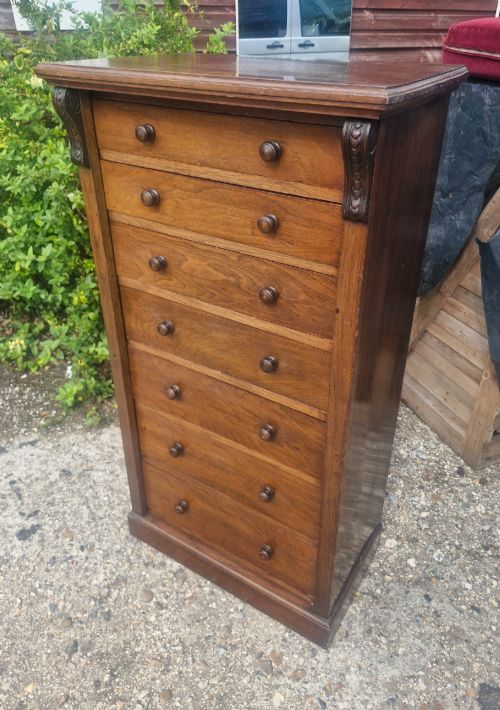
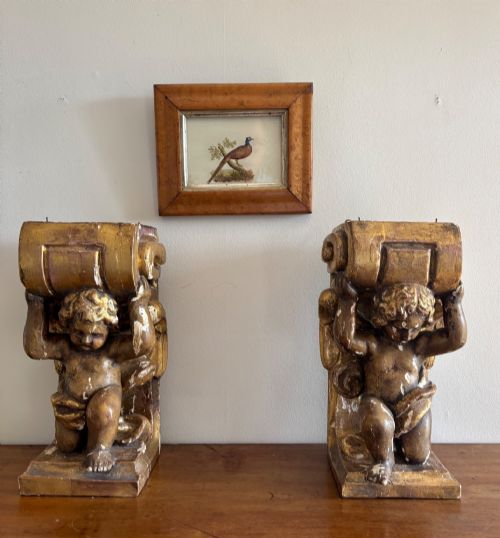
The versions most likely to meet you on this page include carved wooden brackets, architectural stone fragments, and decorative wall shelves outfitted with corbel supports. They appear in dense timbers like oak and walnut, alongside gilded finishes and occasional ceramic iterations.
Originating from domestic interiors, libraries, and larger architectural settings, these pieces range from austere seventeenth-century oak carvings to ornate Victorian and Georgian interpretations. Buyers select them to anchor bookshelves, mount display surfaces, or display them purely as sculptural elements on a plain wall.
Materials and construction
Makers shaped these pieces predominantly from hardwoods including oak, mahogany, walnut, and rosewood, employing dense grains that accepted deep chisel work. Carpenters and carvers also utilised softer pine or applied gesso and gold leaf to create luminous gilded surfaces.
Techniques relied heavily on hand carving, transforming blocks of timber, stone, terracotta, and occasionally porcelain into volutes, cherubs, and classical foliage. Joinery and surface preparation involved traditional hand tools, resulting in varied tool marks that distinguish individual pieces.
Antique Corbel Retail Price Guide 2026
Typical asking prices for corbel among the pieces listed under this phrase on Sellingantiques today, from the lower quarter to the upper quarter. They describe what is for sale here now, not the wider market.
Periods represented span from the seventeenth century through the Georgian and Victorian eras up to the early twentieth century.
Distinguishing quality
Quality in these items rests upon the crispness and depth of the carving, where confident chisel work and anatomical precision in figures or foliage separate master execution from routine production. The choice of material dictates longevity and presence, with dense, well-figured walnut or heavy architectural stone holding sharper detail over centuries.
Proportion and integrity also define the upper tier, ensuring that structural brackets maintain balanced weight distribution and architectural harmony rather than appearing clumsy or disconnected from their original purpose.
The Antique Corbel Glossary
- Corbel
- A structural piece of stone, wood, or metal jutting from a wall to carry a superincumbent weight. In decorative contexts, they often transition into wall brackets or shelf supports.
- Gesso
- A plaster mixture used as a smooth base for painting or gilding on wood surfaces. It allows for intricate, moulded relief details before the application of gold leaf.
- Volute
- A spiral, scroll-like ornament that forms the principal characteristic of the classical ionic capital. It frequently appears as the curling end of a decorative wall bracket.
- Architectural salvage
- Building materials and decorative elements rescued from structures slated for demolition. This category includes stone corbels and carved wooden fragments.
Antique Corbel: Frequently Asked Questions
How were antique corbels originally used?
These pieces functioned primarily as heavy structural supports projecting from walls to bear the load of ceiling beams, mantelpieces, or projecting masonry.
Over time, many similar forms evolved into purely decorative wall brackets, console tables, or shelf supports designed to display ornaments.
How do I hang a heavy wooden corbel safely?
Installation requires locating structural studs within the wall or utilising heavy-duty masonry anchors depending on the composition of your interior surfaces.
Many antique pieces feature original rear mounting holes or internal brackets that must be assessed by a professional installer to ensure secure weight distribution.
Can I use these brackets to support a shelf?
Solid timber and stone examples from earlier centuries possess the structural integrity required to bear substantial weight when properly anchored.
Lighter terracotta or porcelain wall brackets serve better for decorative display rather than heavy load-bearing applications.
How do I distinguish eighteenth-century oak from later revivals?
Earlier pieces exhibit hand-hewn tool marks, dense grain patterns, and dry surface patination acquired through centuries of environmental exposure.
Revival pieces often display more uniform machine finishing or stylistic exaggerations typical of nineteenth-century interpretations.