

Antique Copper Accessory
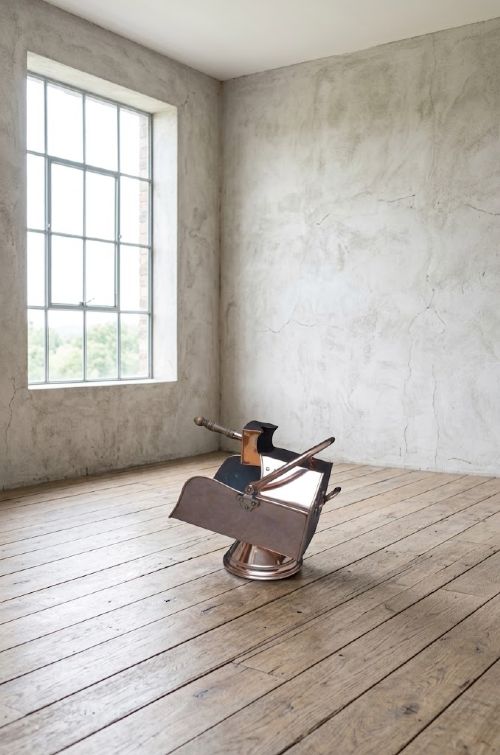
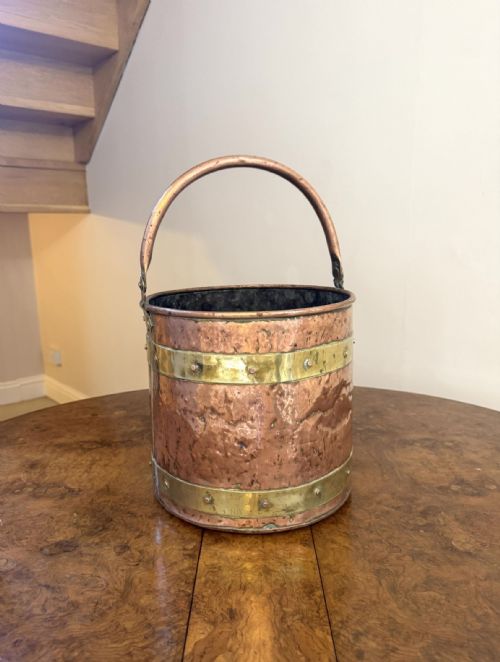
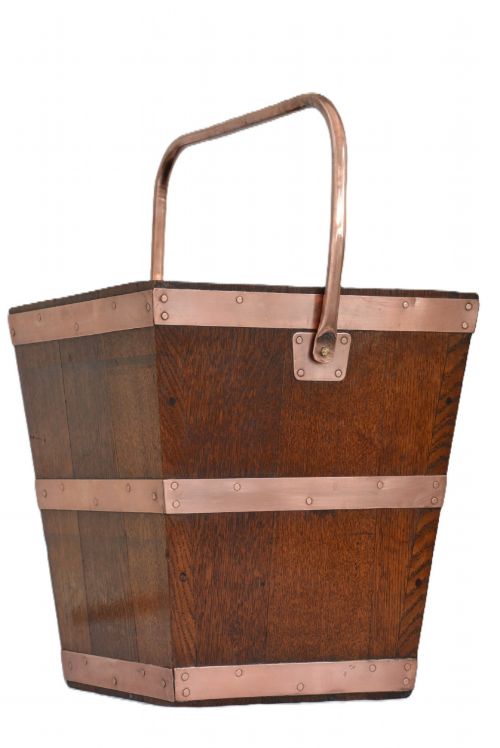
An antique copper accessory brings warmth and tactile weight to a room, most commonly found here as a utilitarian fireside scuttle or log bin.
Antique Copper Accessory
When searching for an antique copper accessory, buyers encounter a utilitarian domestic object shaped by hand or machine for daily use around the house. These pieces primarily serve domestic functions such as holding coal by the hearth, warming beds, or organising desks.
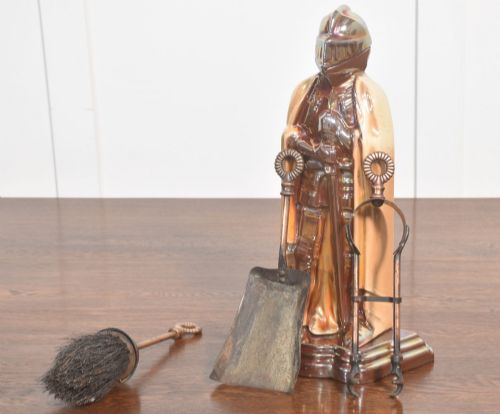
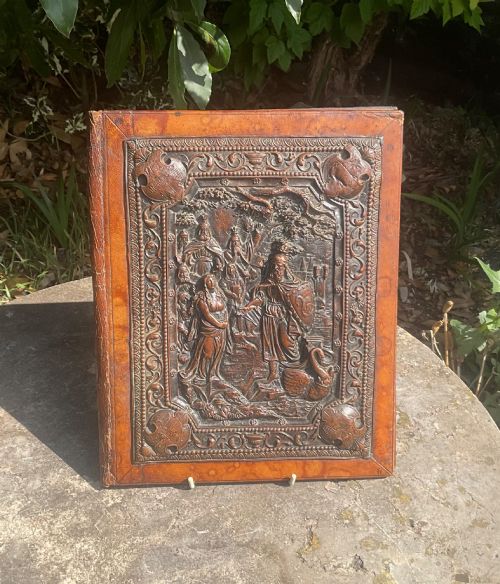
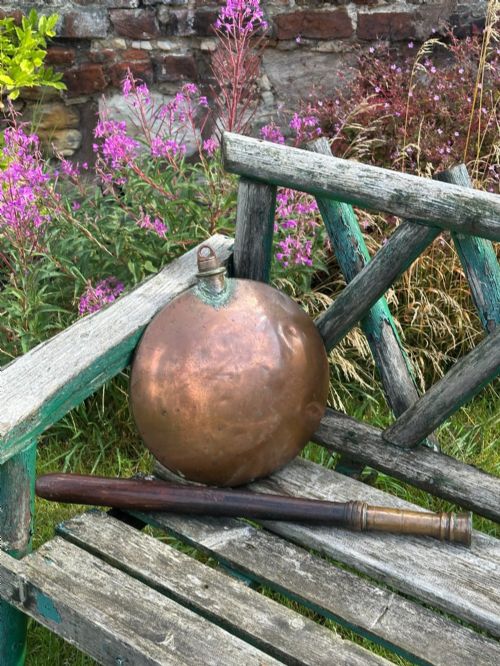
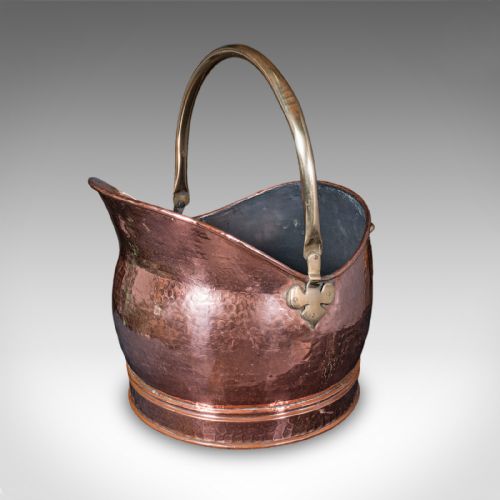
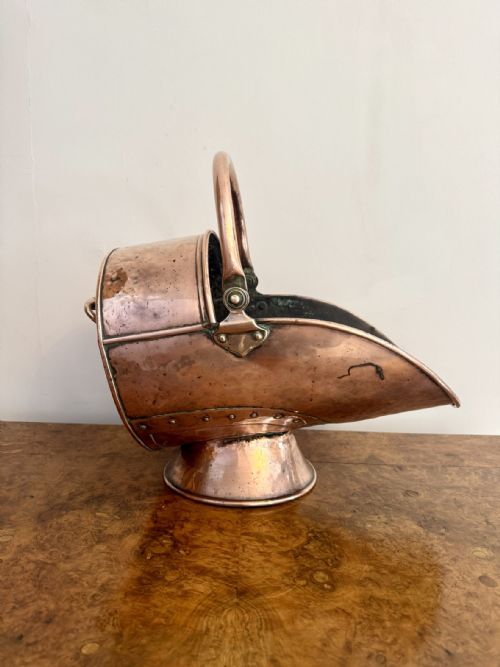
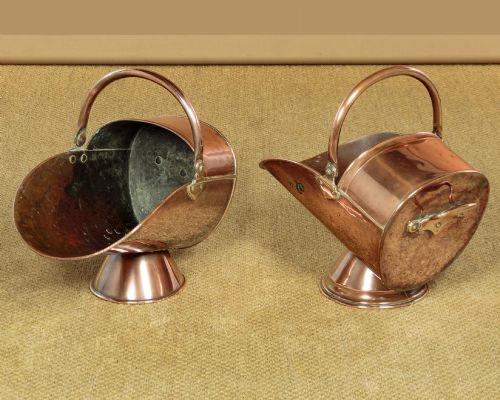
The items most frequently met on this page date from the Georgian and Victorian periods, extending into the Arts and Crafts and Art Nouveau movements of the early twentieth century. Common forms include helmet-shaped coal scuttles, riveted log buckets, warming flasks, and desk blotters.
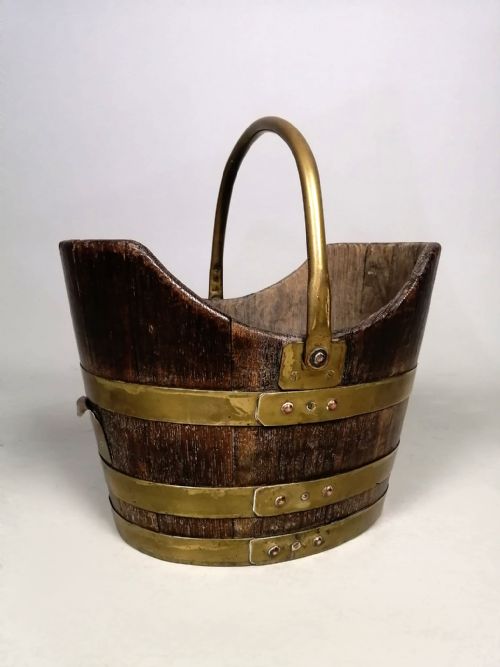
Materials span beyond pure copper to incorporate brass banding, cast iron frames, oak handles, and leather details. Pieces emerge from English workshops as well as international origins, notably including Japanese cloisonne items.
Materials and construction
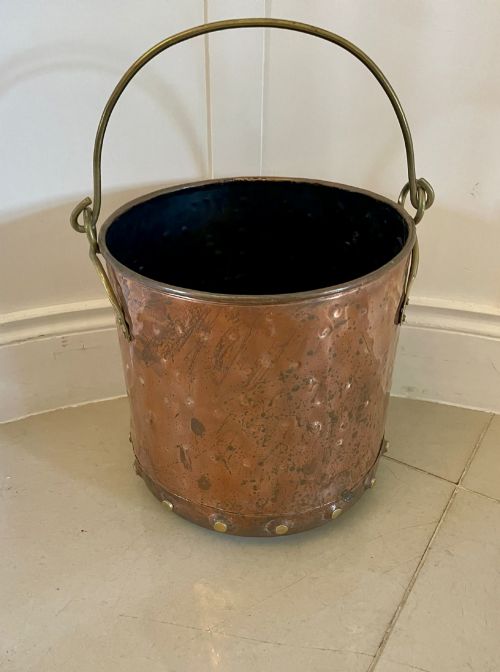
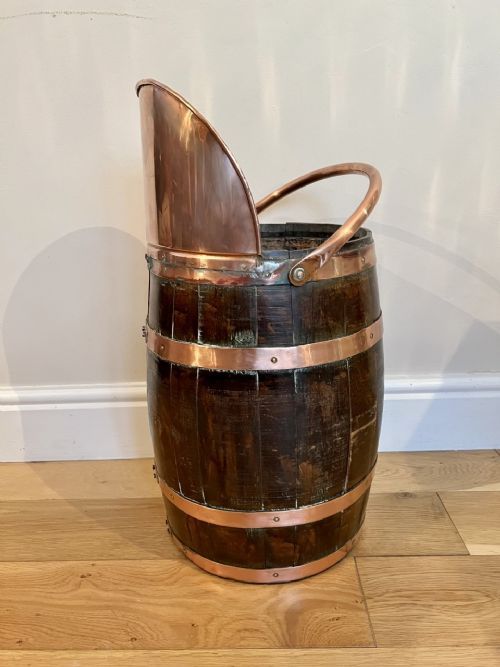
Makers shaped sheet copper using hammering and riveting techniques to form durable vessels like coal buckets and log bins. Brass components such as handles, feet, and bands provide structural contrast and secure joins.
Oak, wrought iron, and leather appear as secondary materials, offering sturdy support for heavy copper bodies. Hand-finished surfaces display tool marks, beating patterns, and joints fastened with visible rivets.
Antique Copper Accessory Retail Price Guide 2026
Typical asking prices for copper accessory among the pieces listed under this phrase on Sellingantiques today, from the lower quarter to the upper quarter. They describe what is for sale here now, not the wider market.
Listings combine functional domestic equipment from the Georgian and Victorian eras with decorative items from the Arts and Crafts and Art Nouveau movements.
Distinguishing quality in copper metalwork
Quality rests in the heaviness of the metal gauge and the integrity of the construction. Substantial weight in a coal scuttle or log bin indicates thicker copper sheets that resist denting under daily hearth use.
Attention to detail in mounts and handles separates standard utility pieces from finer items. Secure brass banding, well-fitted oak handles, and robust iron frames show deliberate craftsmanship rather than hurried assembly.
Wagner Lohengrin
The Antique Copper Accessory Glossary
- Coal scuttle
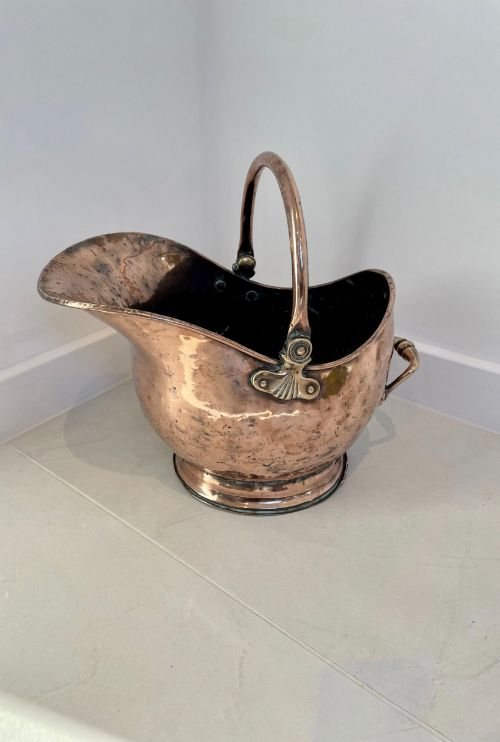
- A container designed to hold coal near a fireplace, frequently styled with a hinged lid and a carrying handle. These vessels often take a helmet shape to facilitate pouring fuel into the grate.
- Log bin
- A large freestanding tub used for storing firewood beside a hearth. They commonly feature riveted copper bodies reinforced with iron frames or brass bands.
- Warming flask
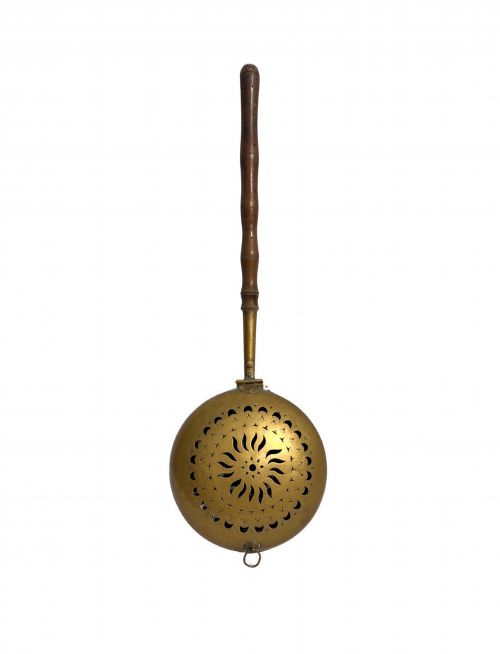
- A flat metal vessel filled with hot water to heat bed linen or warm the feet. Georgian examples often incorporate detachable wooden handles for safe transport.
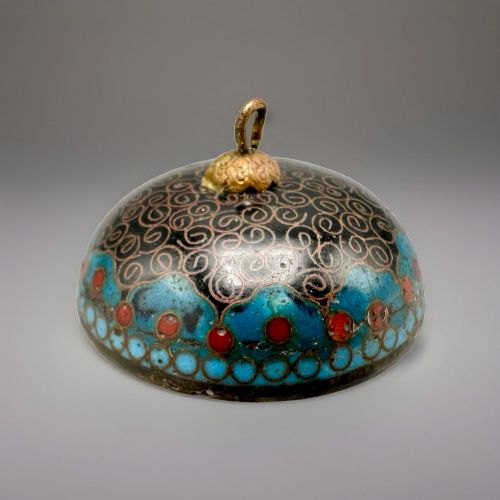
- Cloisonne
- A decorative metalwork technique where thin wire creates compartments filled with enamel paste. Pieces utilising this method appear in smaller desk and smoking accessories.
- Fender
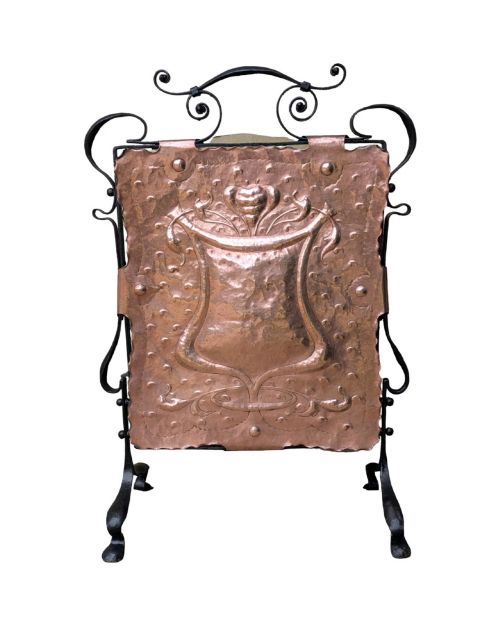
- A low metal guard placed in front of a fireplace to contain sparks and ash. Arts and Crafts examples often display beaten copper surfaces with stylized motifs.
Antique Copper Accessory: Frequently Asked Questions
What is an antique copper accessory used for?
These pieces functioned as practical household utilities in domestic rooms. Items included coal scuttles for hearth management, desk accessories for correspondence, and flasks for warming beds.
Today, owners utilise these objects as decorative storage containers or fireside ornaments. Their robust metal construction allows them to continue holding logs, kindling, or magazines in modern living spaces.
How do I date an antique copper accessory?
Dating relies on observing construction methods, material combinations, and decorative styles. Georgian and Victorian pieces often show hand-beaten surfaces and brass banding, while Arts and Crafts examples display specific stylistic motifs from around nineteen hundred.
Examining the fixings helps determine age, as hand-cut rivets and heavy gauge metal point to earlier periods. Comparing the form against established domestic types assists in narrowing down the decade of manufacture.
How should I clean antique copper?
Maintenance depends on the desired appearance of the metal surface. Many collectors prefer to leave an aged patina intact, as dark oxidation records the history and handling of the object.
If cleaning is necessary, a gentle wipe with a soft cloth removes dust without stripping the character. Avoid harsh chemical polishes that strip away the authentic historical surface earned over centuries.
Are these pieces English or continental?
The majority of domestic fireside items recorded here originate from English workshops. Makers in Britain produced standard forms like coal buckets and warming pans in high volumes throughout the nineteenth century.
Occasional pieces reflect international manufacturing traditions, such as Japanese cloisonne smoking accessories. Examining maker marks or regional construction traits clarifies the exact geographical origin.