


Antique Convertible Furniture
Antique convertible furniture transforms in form, shifting from a bench to a table or a chair to library steps.
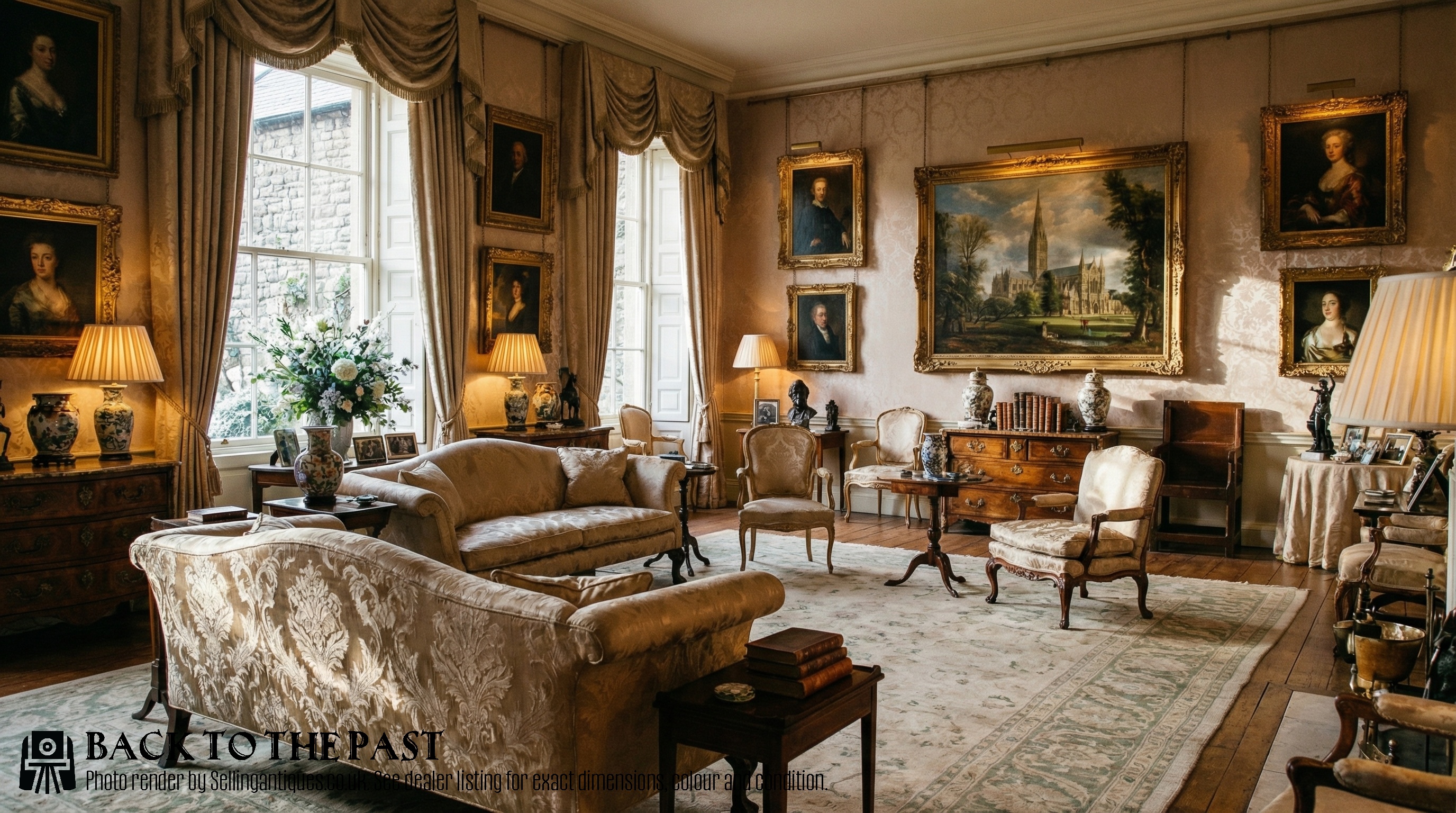
Antique Convertible Furniture
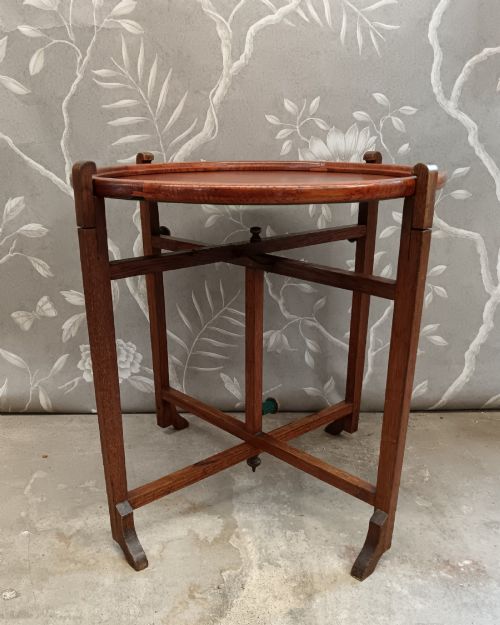
Antique convertible furniture encompasses pieces designed to serve more than one domestic purpose, spanning seating, tables, and steps. These multifunctional objects include folding card and coffee tables, chair-tables, and library steps that convert into armchairs.
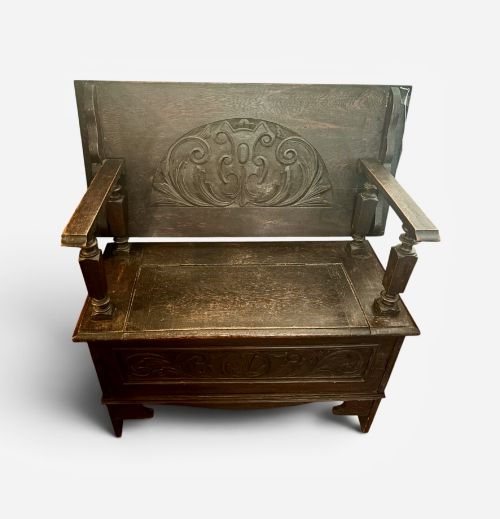
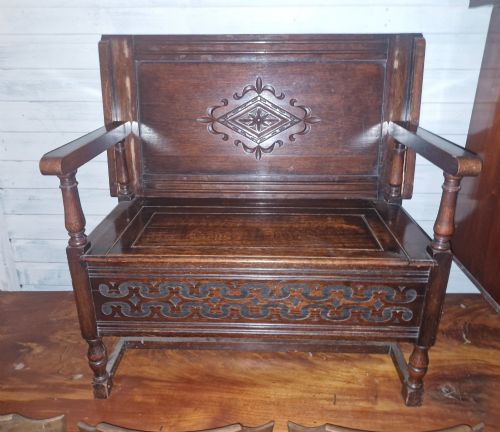
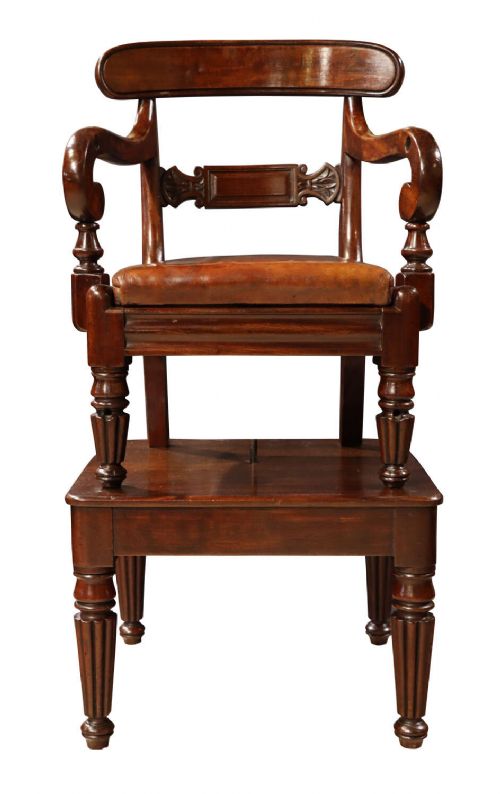
The most common form encountered in antique convertible furniture is the monk's bench, alongside metamorphic child's high chairs and library steps. Oak monk's benches and mahogany library steps dominate the available selections from the periods represented.
Origins range across the seventeenth, eighteenth, and nineteenth centuries, with notable pieces appearing from the Georgian, Regency, and Victorian eras. Regional examples include Welsh oak chair-tables and Catalan shepherd's benches.
How they were made
Makers utilised solid timbers such as oak and mahogany, supplemented by pine, satinwood, and beech, joining them with traditional cabinet-making methods. Brass and iron mechanisms facilitate the pivoting, folding, and sliding actions required for transformation.
Upholstery materials like leather, cane, and fabric appear on seating variants, while carved ornamentation decorates oak and mahogany surfaces. Structural integrity relies on sturdy framing to withstand the mechanical stress of daily conversion.
Some seventeenth-century oak pieces doubled as hiding spots, proving that medieval paranoia lingered long after the castle walls came down.
What varies in quality
The sophistication of the mechanical design separates standard utilitarian items from finer examples, particularly in the smooth operation of library steps and folding tables. Superior pieces exhibit clever engineering where hinges, pivots, and runners integrate seamlessly into the design.
The selection of timber grain and the crispness of carved detail distinguish better-executed examples in oak and mahogany. Original hardware and untouched surfaces contribute further to the distinction between basic vernacular pieces and high-end cabinet work.
J.Jarvis·Morgan and Sanders
The Antique Convertible Furniture Glossary
- Monk's bench
- A multipurpose hall seat featuring a back that folds down horizontally to form a table top. This dual-purpose form dates back centuries in British vernacular woodworking.
- Metamorphic furniture
- Pieces designed to transform from one distinct type of object into another, such as an armchair converting into library steps. These clever mechanisms solved space constraints in period homes.
- Chair-table
- An early form of seating where a large solid wooden seat connects to a high back that tilts forward on pivots to create a table. They are frequently found in oak and pine from the seventeenth and eighteenth centuries.
- Library steps
- Set of stairs designed to reach high bookshelves, often engineered to fold down or conceal themselves within a chair or table frame. Regency examples demonstrate particularly ingenious folding designs.
- Settle
- A wooden bench with high back panels designed to block draughts, often incorporating a storage box beneath the lift-up seat. They form a staple of country house and cottage seating.
Antique Convertible Furniture: Frequently Asked Questions
How do monk's benches work?
The upper back panel of the bench pivots on wooden pins or metal hinges, allowing the back to swing down flat over the armrests. This action transforms the backrest into a table surface positioned above the seat.
Beneath the seat, many examples feature a storage compartment accessed by lifting the lid. This clever duality provided both a hall seat and a dining or writing surface in compact spaces.
What are metamorphic library steps?
Metamorphic library steps are pieces of furniture that conceal a set of folding stairs inside an armchair or small table frame. By unfolding the concealed sections, the user accesses high bookshelves without needing a separate ladder.
Regency cabinet makers specialised in these ingenious designs, ensuring the steps looked like conventional seating when closed. Brass hinges and locking catches secure the parts in both configurations.
How were chair-tables used?
Chair-tables served as primary seating by day and were tilted to act as dining or work tables by evening. Their heavy construction kept them stable in either position.
Common in vernacular settings from the seventeenth and eighteenth centuries, these pieces maximised utility in modest rooms. The pivot mechanism relied on sturdy wooden pegs connecting the chair arms to the table top.
Are child's convertible chairs safe?
Period child's high chairs often featured multi-part constructions that converted a high chair into a low chair and table combination. While historically functional, modern buyers typically treat them as decorative display items rather than for active infant use.
The joints and folding mechanisms should be handled with care to preserve the antique wood and original structural integrity.