


Antique Continental Coffer
An antique continental coffer brings heavy timber, regional folk painting and centuries of storage history directly into a modern interior.
Antique Continental Coffer
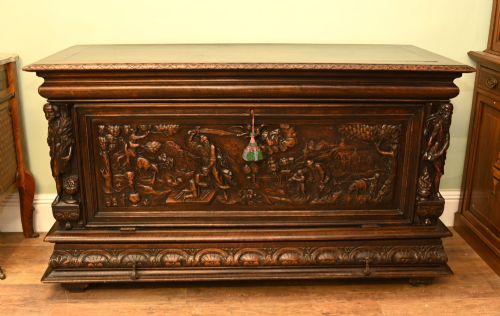
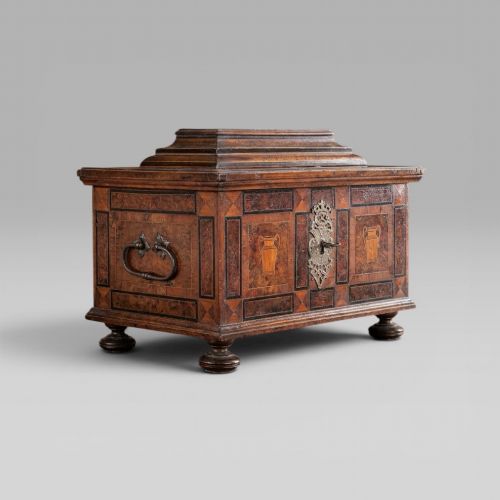
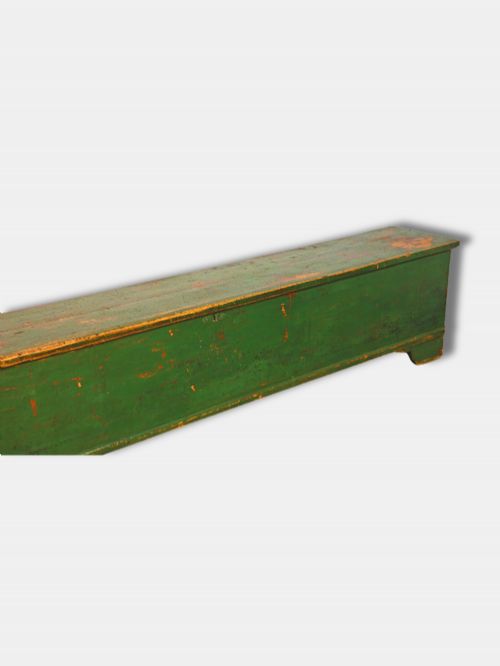
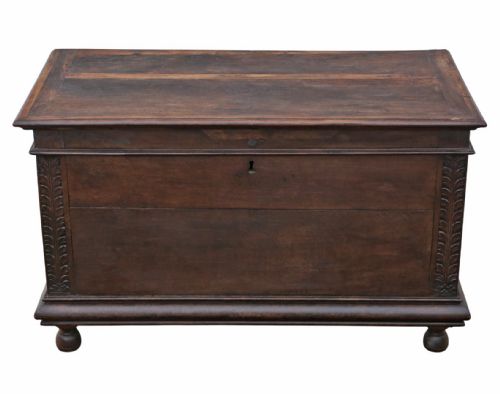
An antique continental coffer is a robust storage chest originating from outside Britain, typically found in forms ranging from heavy oak marriage chests to small painted pine boxes. These pieces served as secure repositories for linens, valuables and dowries across European farmhouses and noble houses alike.
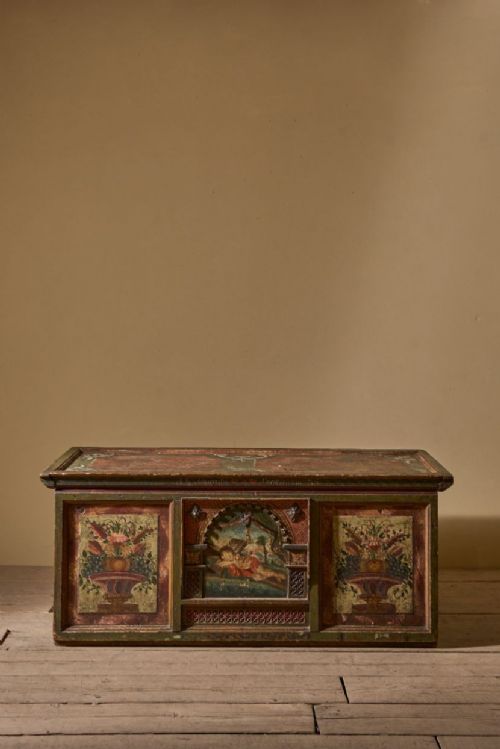
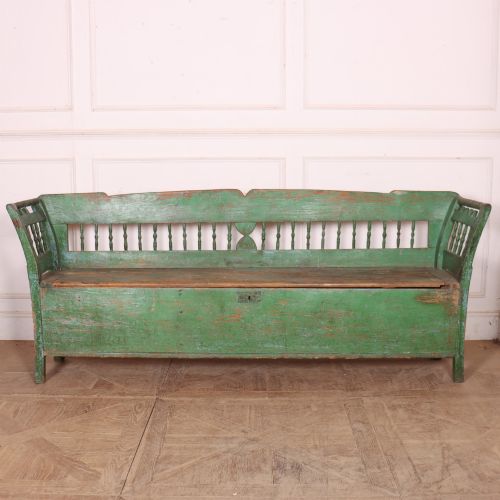
On this page, the most frequent encounters are painted pine and walnut examples from the seventeenth to the nineteenth centuries. Regional variants display distinct local palettes and joinery traditions, stretching from Alpine valleys to Spanish workshops.
How they were made
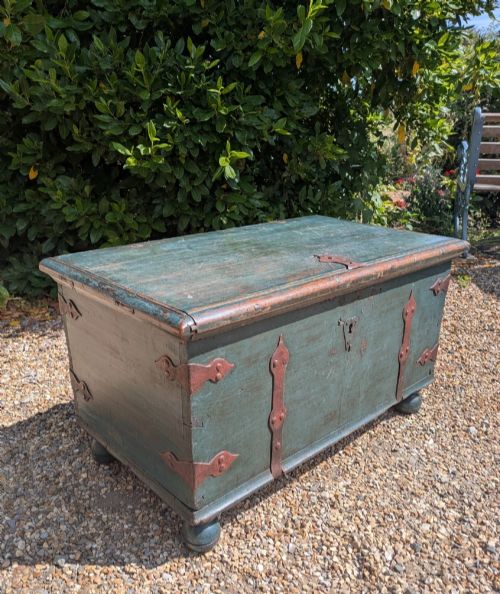
Makers constructed these coffers using solid timbers such as oak, walnut and pine, joined with pegged mortise and tenon joints to withstand heavy domestic use. Hand-forged iron strapwork, hinges and locks provided structural reinforcement and security.
Many surfaces received layers of oil paint, floral decoration or burr wood veneers, while others relied on deep carving and patinated wood grains for visual impact.
The listings here span the seventeenth to the nineteenth centuries, featuring walnut, oak and pine built across oak, Spanish and Alpine traditions.
What varies in quality
Quality rests in the integrity of the timber, the originality of the painted surface and the survival of the original ironwork. Coffers retaining their earliest hinges, locks and polychrome decoration command greater interest from collectors.
Proportion and the handling of carved or inlaid details also separate standard utility chests from exceptional regional showpieces. The depth of the patina built up through centuries of handling marks the better specimens.
The Antique Continental Coffer Glossary
- Cassone
- An Italian antique chest or coffer, often richly carved or painted, traditionally used as a marriage gift. These large pieces formed the centrepiece of Renaissance and later domestic interiors.
- Marriage chest
- A specialised coffer commissioned to celebrate a wedding, frequently inscribed with dates and initials alongside floral or heraldic motifs. They functioned as both furniture and dowry storage.
- Strapwork
- Ornamental bands of metal, often iron or brass, applied across the surface of a coffer to reinforce joints and protect the timber. Hand-forged examples add significant character.
- Polychrome
- Decorated in multiple colours, commonly seen on folk art pine coffers from Alpine and Hungarian regions. The survival of this pigment layer dictates the visual impact of the piece.
- Burr wood
- A growth on a tree that produces intricate, swirling grain patterns when sliced into veneer. Walnut burr sections were utilised on high-status continental coffers for decorative panels.
Antique Continental Coffer: Frequently Asked Questions
What were continental coffers used for?
These large chests stored valuable household textiles, clothing, documents and wedding dowries in European homes. Their heavy construction and iron locks also protected prized possessions from theft and fire.
Over time, their roles shifted as domestic architecture changed, turning them into prominent display surfaces and decorative furniture within the home.
How do I date an antique coffer?
Dating relies on examining the tool marks, construction methods, timber species and regional stylistic traits. Hand-sawn boards, pegged joints and forged ironwork often point to earlier centuries.
Painted decoration, where present, offers clues through its pigment composition, subject matter and the specific folk art traditions of regions like the Austrian Alps or Hungary.
Where should I place a coffer at home?
A large coffer functions well at the foot of a bed, in a hallway or as a coffee table in a living room. Smaller painted boxes and caskets sit comfortably on side tables or desks.
Keep them away from direct heat sources and strong sunlight to protect old pine, walnut and delicate painted surfaces from drying out.
How do I clean a painted pine coffer?
Dust the surface gently with a dry, soft cloth to prevent the accumulation of grit in the grain and painted crevices. Avoid modern chemical polishes and water, which can damage aged or fragile pigments.
If the wood or paint requires preservation, consult a specialist conservator rather than attempting aggressive cleaning methods at home.