


Antique Continental Box
An antique continental box brings centuries of European craftsmanship and portable storage into daily use.
Antique Continental Box
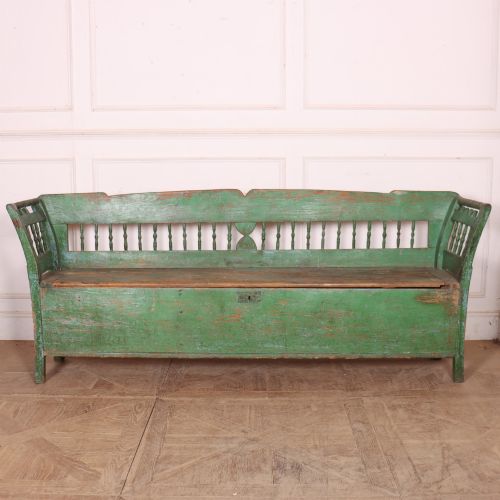
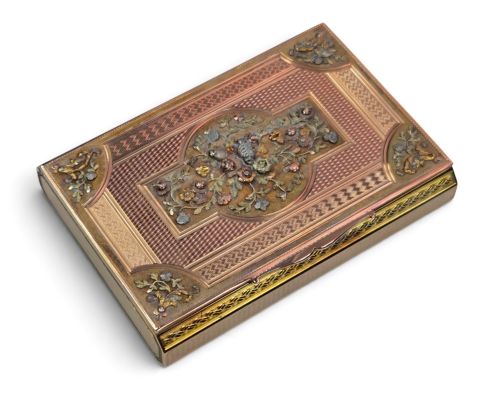
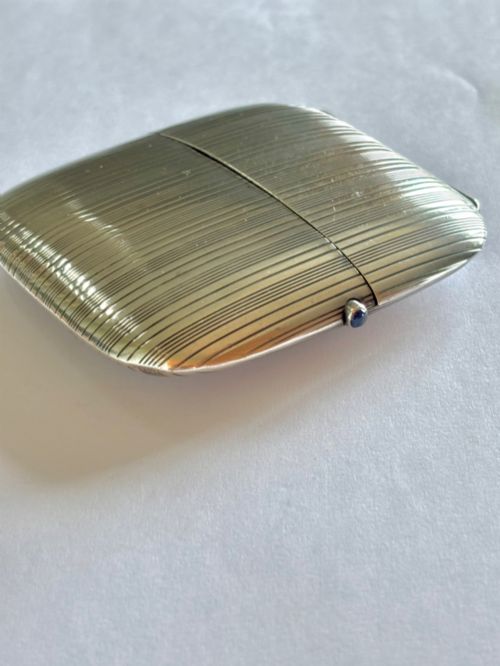
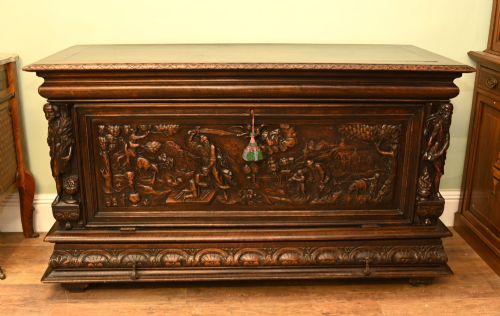
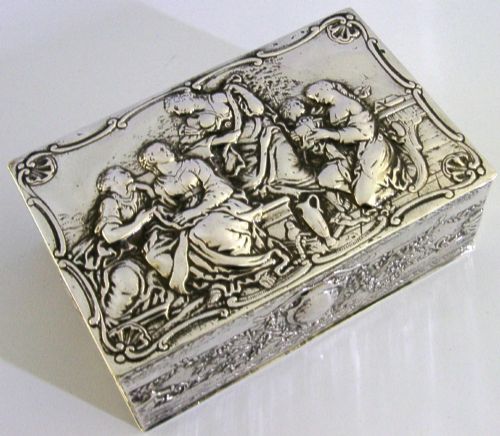
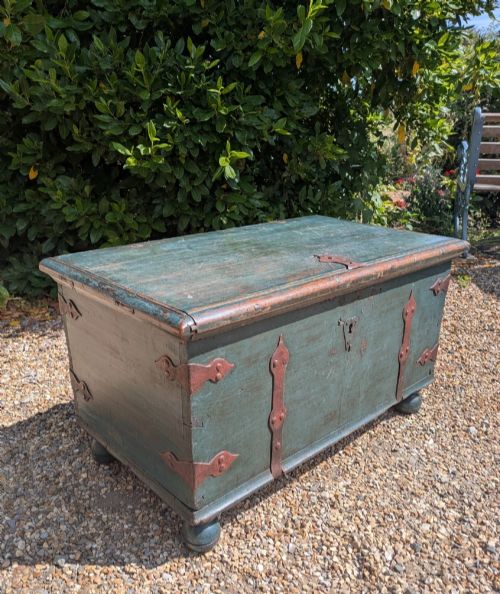
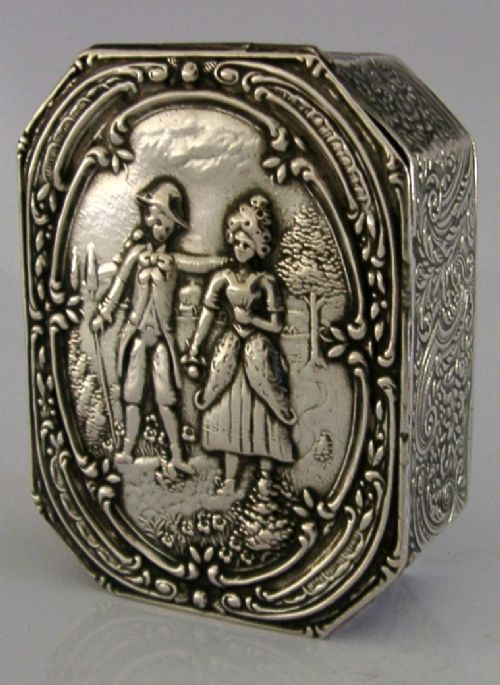
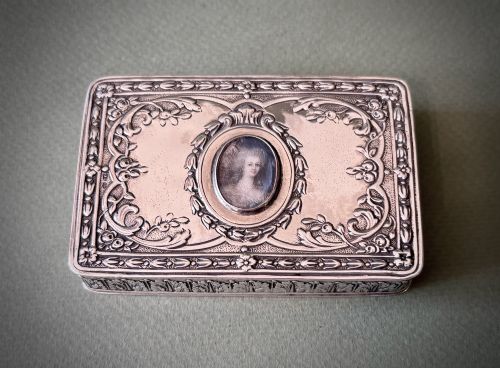
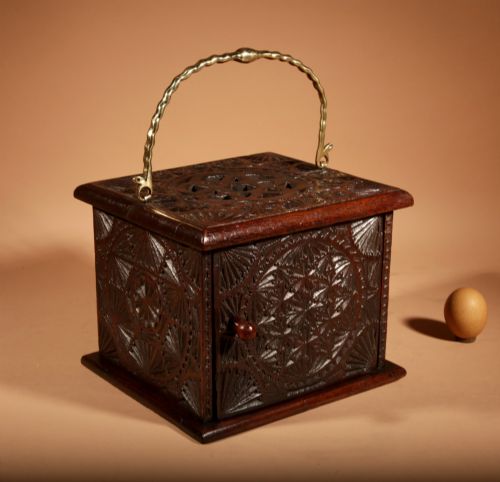
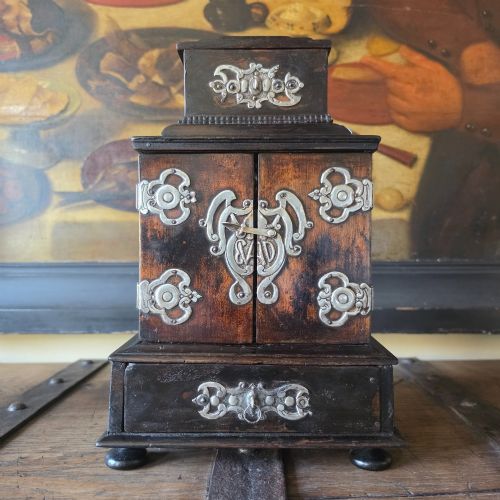
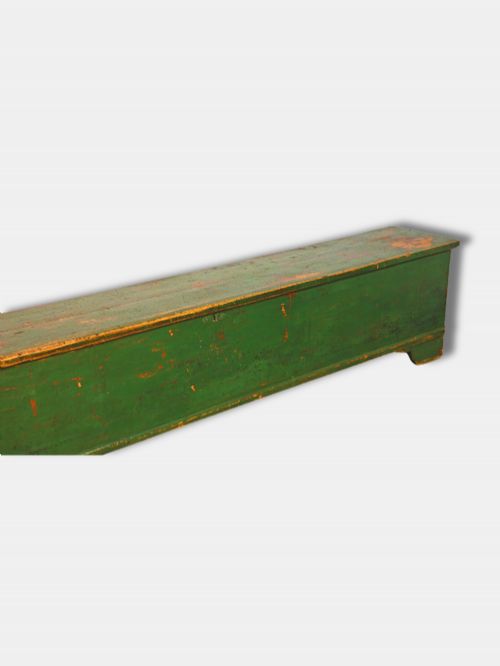
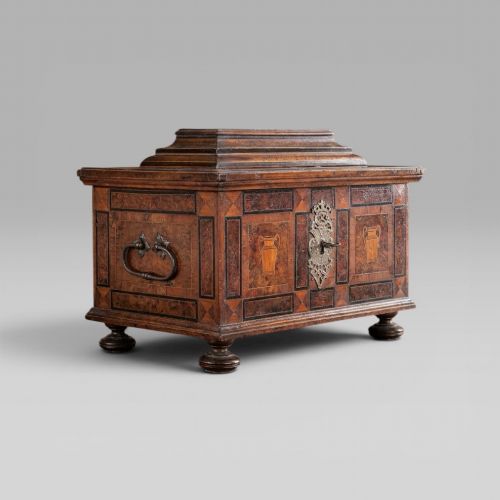
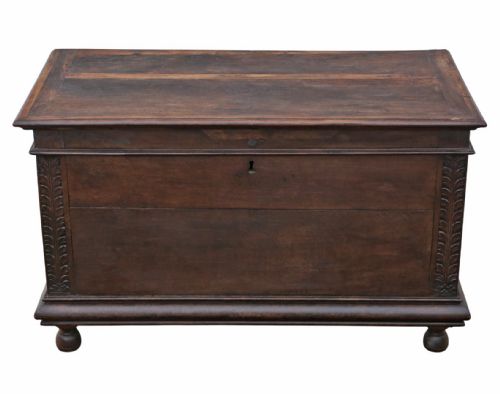
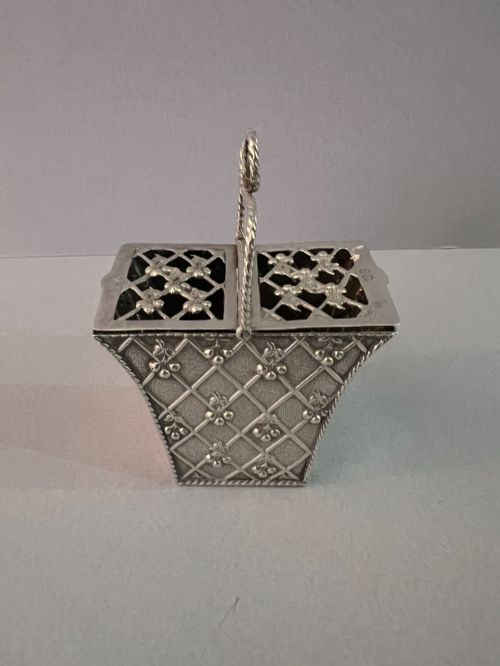
An antique continental box encompasses a wide spectrum of functional vessels originating from across Europe, ranging from pocket-sized snuff containers to large marriage chests. When exploring this category, buyers frequently encounter substantial pine and oak blanket boxes alongside intricate silver table caskets.
The domestic scale of these objects varies considerably, including small trinket boxes, pill boxes, and card cases alongside larger coffers and cabinets intended for stationary placement. Regional variations emerge clearly across the selection, featuring painted pine pieces from Hungary and carved walnut furniture from Spain and Flanders.
Earlier examples span the seventeenth and eighteenth centuries, utilising dense hardwoods such as walnut and ebony, while nineteenth-century specimens often incorporate vibrant surface paint or solid silver mounts. This category serves those seeking both utilitarian storage and decorative metalwork with a defined European heritage.
How They Were Made
Makers utilised a combination of solid timber construction, hand-forged iron hardware, and silversmithing techniques to produce these receptacles. Pine and oak carcasses frequently feature hand-forged strapwork or dovetailed joints, whilst luxury desktop caskets employ parquetry and ebony veneers.
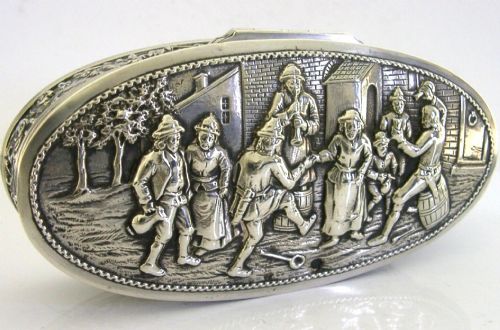
Silver items rely on casting, repousse work, and chasing, often complemented by enamel panels or cut glass inserts. Painted examples display layered pigments directly onto softwood surfaces, preserving vernacular decorative motifs from the Alpine region and Hungarian farmhouses.
Antique Continental Box Retail Price Guide 2026
Typical asking prices for continental box among the pieces listed under this phrase on Sellingantiques today, from the lower quarter to the upper quarter. They describe what is for sale here now, not the wider market.
Listings feature solid silver, pine, walnut, and wrought iron across seventeenth- to twentieth-century European periods.
What Varies in Quality
The standard of an antique continental box rests upon the integrity of its original surface, whether that involves untouched period paint, patinated burr wood, or crisp silver chasing. Pieces retaining their original key, operational hinges, and uncompromised structural framing command greater regard.
Execution in the details separates workshop output, visible in the precision of dovetail joinery on timber chests or the depth of relief work on German silver table boxes. Finer specimens demonstrate superior material selection, such as dense walnut or substantial sterling silver gauges, paired with harmonious proportions.
Posen of Frankfurt and Berlin·Julius Dressler
The Antique Continental Box Glossary
- Coffrer
- A maker or keeper of coffers. This term describes traditional chest makers working with heavy timber and iron reinforcement.
- Parquetry
- A geometric mosaic of wood pieces used for decorative surfacing. It appears on seventeenth-century table cabinets and caskets to create patterned geometric designs.
- Repousse
- Metalworking technique where a design is hammered into relief from the reverse side. This method defines the ornamented surfaces of many continental silver table boxes.
- Treen
- Small handmade wooden objects produced from domestic timbers. The category includes carved fruitwood snuff boxes and turned reliquary containers.
- Snuff box
- A small hinged container designed to hold powdered tobacco. These pocket-sized pieces are frequently fashioned from silver, horn, or boxwood.
Antique Continental Box: Frequently Asked Questions
What is an antique continental box?
An antique continental box is a portable or stationary container made in mainland Europe before the twentieth century. These objects span utilitarian storage chests, wooden caskets, and small silver receptacles.
They reflect the domestic habits and metalworking skills of various European regions, including Germany, the Netherlands, and Hungary.
How were these boxes used originally?
Their uses varied according to scale, ranging from personal grooming and tobacco storage to the safeguarding of important documents and jewels. Small silver and treen items held snuff, pills, or cheroot cigars.
Larger painted pine coffers and marriage chests stored textiles, dowry items, and household linens in domestic settings.
How do I care for an antique wooden box?
Wooden surfaces require stable humidity levels and protection from direct sunlight to prevent timber shrinkage and paint flaking. Regular dusting with a dry, soft cloth preserves the existing patina.
Wax polish should be applied sparingly, only when the timber appears dry, to maintain the historical finish without buildup.
How can I tell the period of a silver box?
Dating silver boxes relies upon maker marks, town stamps, and assay office hallmarks where present. Stylistic indicators, such as Art Nouveau curves or baroque embossing, also point toward specific manufacturing eras.
Construction details, including the thickness of the silver gauge and the hinge mechanism, provide further clues to age.