
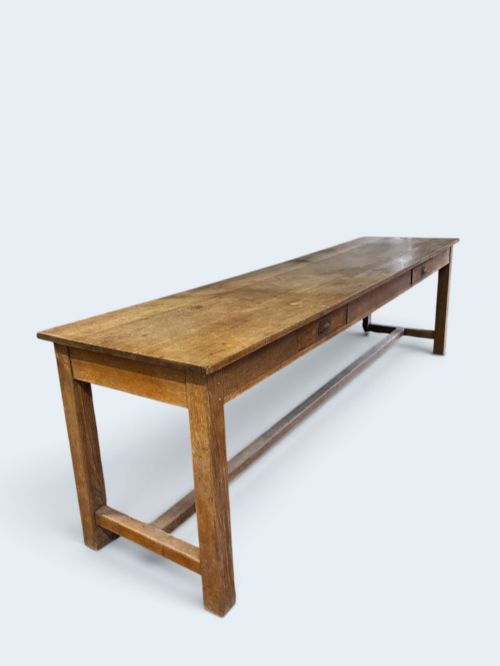
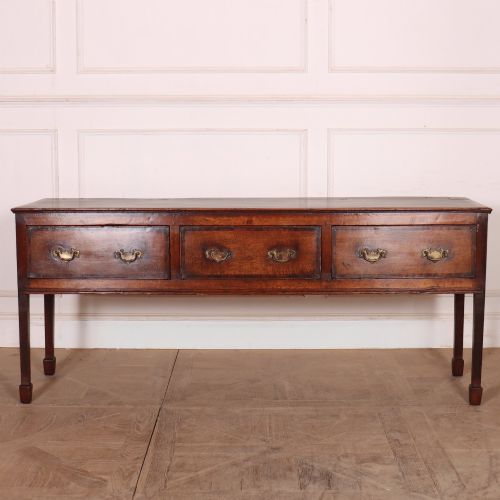
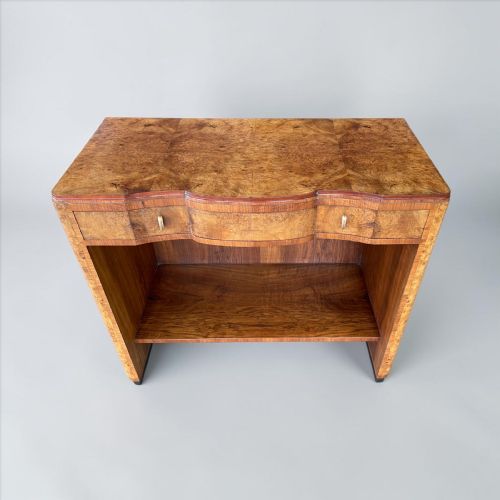
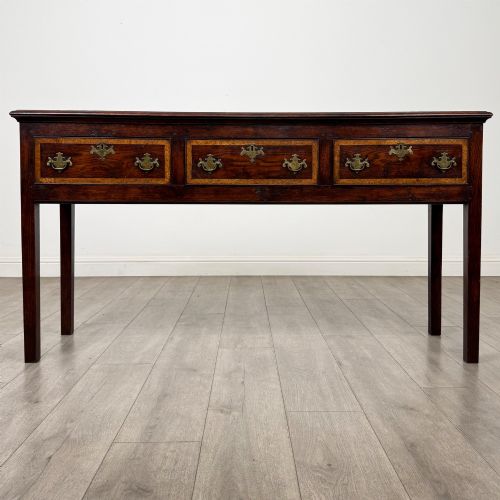
Antique Console Sideboard
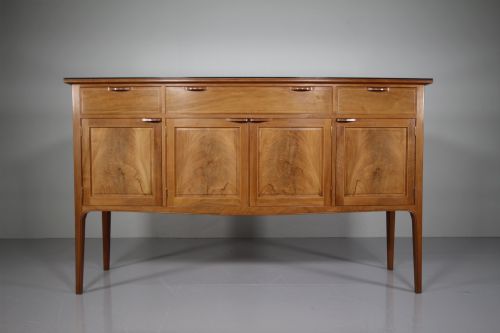
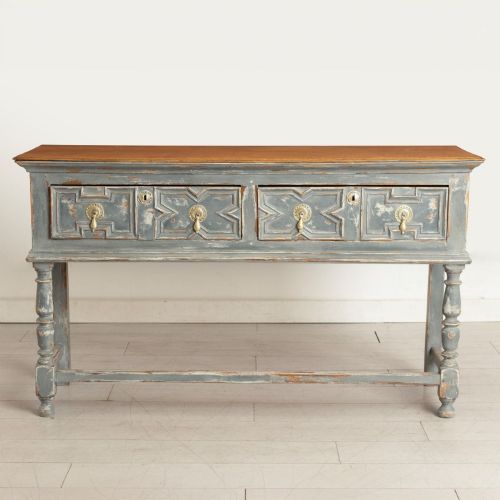
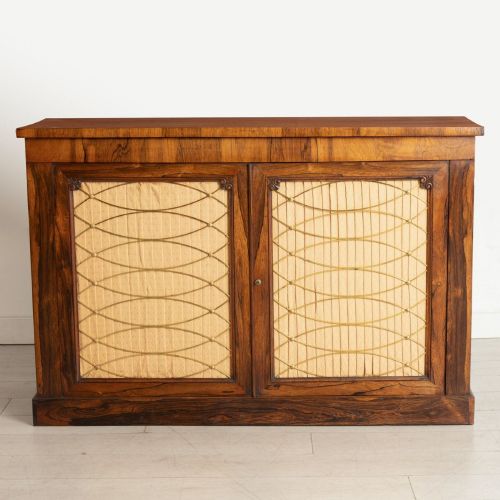
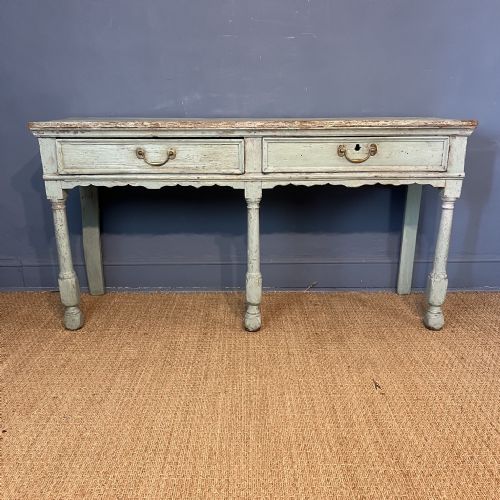
An antique console sideboard bridges the hall and the dining room, offering narrow proportions and surface space for serving.
Antique Console Sideboard
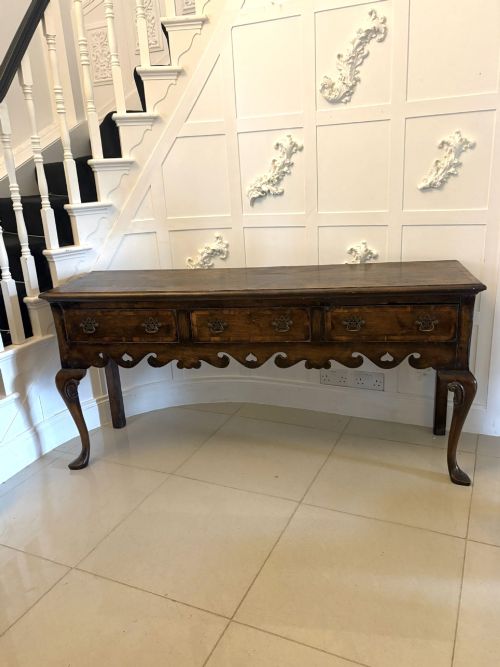
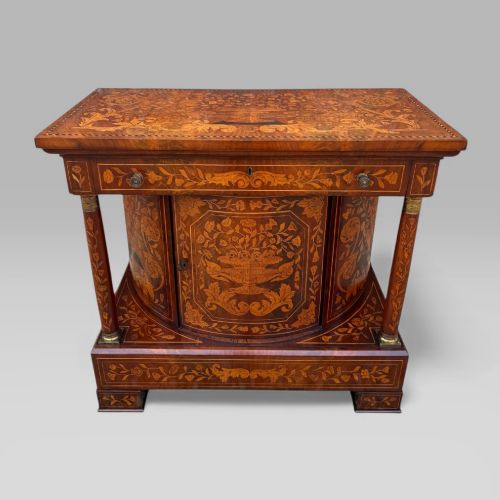
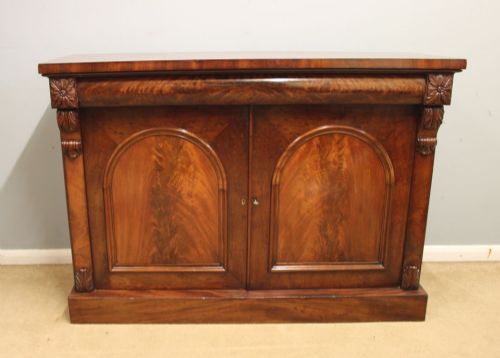
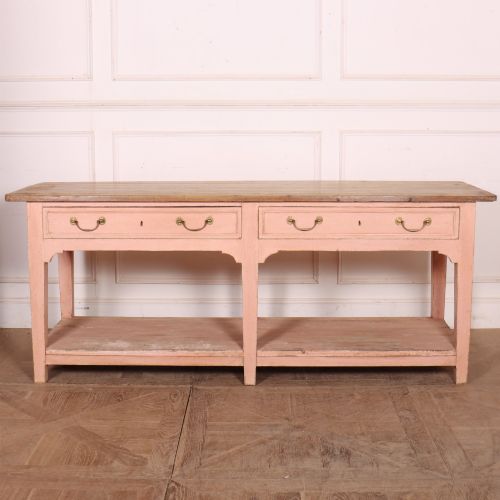
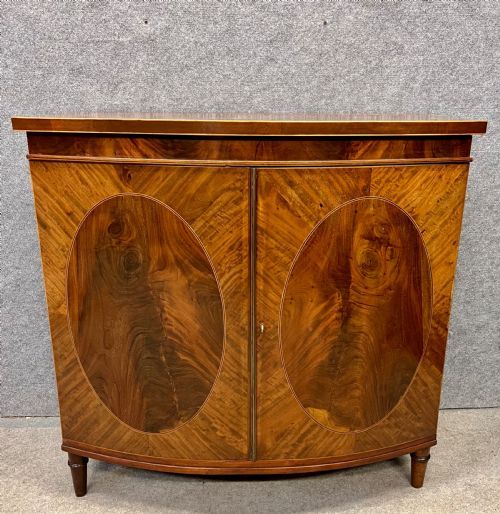
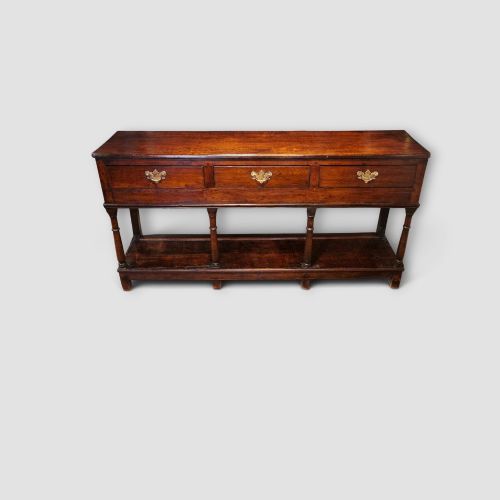
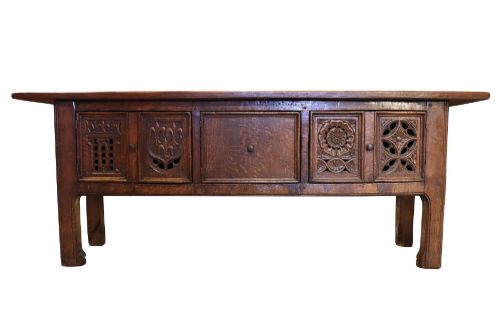
When searching for an antique console sideboard, buyers encounter a crossover of forms including dresser bases, serving tables, chiffoniers, and demi-lune cabinets. These pieces serve the dual purpose of display and storage, varying from long dining room servers to narrow hall console tables.
The pieces on this page span the 17th, 18th, 19th, and 20th centuries, taking in Georgian, Victorian, Edwardian, and Art Deco periods. Oak and mahogany dominate the offerings, alongside walnut, burr walnut, pine, and painted surfaces.
English country and regional variants sit alongside formal Georgian and Victorian designs, reflecting how households historically stored tableware and served food. Buyers are most likely to meet oak dresser bases and mahogany serving tables on this page.
How They Were Made
Joinery traditions dictate the construction of these pieces, with solid oak and mahogany framework joined by tenons and pegged joints in earlier centuries. Cabinetmakers utilised timber selection deliberately, pairing sturdy structural carcases with decorative veneers such as burr walnut and flame mahogany on drawer fronts and tabletops.
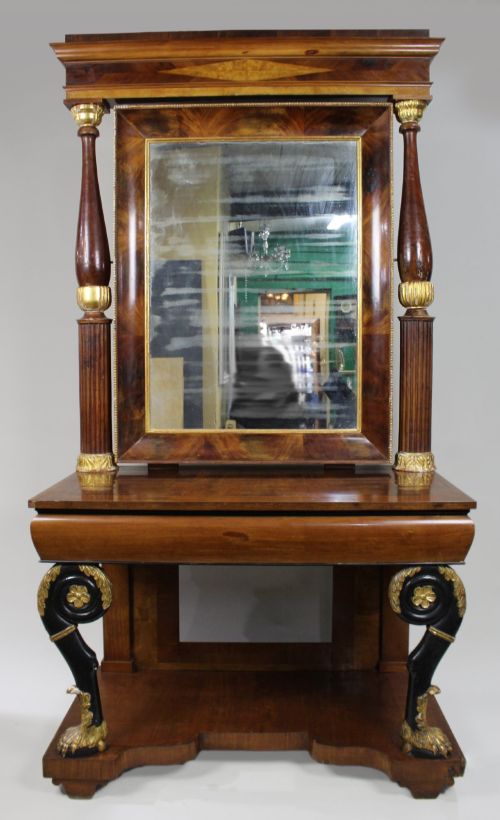
Surface finishes rely on traditional methods including hand-applied wax, french polish, and painted treatments on pine and satinwood. Carving, marquetry inlay, and parcel gilding appear across periods to enrich the timber surfaces without altering the core structure.
Listings feature oak, mahogany, walnut, burr walnut, pine, yew wood, elm, and satinwood across the 17th, 18th, 19th, and 20th centuries.
What Varies in Quality
Quality rests upon the integrity of the timber selection and the precision of the cabinet work. Pieces featuring figured veneers, such as burr walnut or flame mahogany, demonstrate higher ambition from the maker than plain secondary woods.
Proportion and scale distinguish finer examples, particularly where narrow depths are balanced with stable construction. The retention of original hardware, handles, and undisturbed surface patina marks the difference between standard utility pieces and superior workshops.
Maurice Adams·Salaman Hille·Epstein
The Antique Console Sideboard Glossary
- Dresser Base
- A low sideboard or table featuring drawers and sometimes a lower potboard, traditionally used for food preparation and storage in the kitchen or dining room. They form a major category of the oak pieces found here.
- Demi-Lune
- A half-moon shape used for tables and cabinets designed to stand flat against a wall. This silhouette is common in Edwardian mahogany and satinwood pieces.
- Potboard
- An open lower shelf built into the base of a dresser for storing pots and heavy tableware. It provides structural stability to the legs.
- Chiffonier
- A compact sideboard or cabinet developed in the 19th century, typically featuring enclosed storage beneath a shelved superstructure. They suit smaller dining spaces.
- Parquetry
- Geometric patterns formed by fitting small pieces of wood veneer together on a surface. It appears on decorative tabletops and cabinet doors.
Antique Console Sideboard: Frequently Asked Questions
Where should I place a console sideboard?
These pieces suit narrow hallways, dining rooms, and living spaces where floor space is limited. Their shallow depth allows them to sit against walls without obstructing walkways.
They function well beneath mirrors or paintings, providing a surface for lamps, decorative objects, or serving food during gatherings.
How do I care for antique timber surfaces?
Maintain timber surfaces by applying natural beeswax periodically to nourish the grain and protect the finish from drying out. Avoid placing these items in direct sunlight or near heat sources.
Use coasters and felt pads under objects to prevent water rings and scratches on polished mahogany and oak.
What is the difference between a serving table and a dresser base?
Serving tables are typically formal dining room furniture designed without cupboards, focusing on a clean top surface and elegant legs. Dresser bases incorporate drawers and sometimes lower shelves for utilitarian storage.
Both categories overlap in modern usage as console sideboards due to their similar proportions.
How can I tell an 18th-century piece from a later revival?
Earlier pieces exhibit hand-cut dovetails, tool marks, and timber shrinkage consistent with age and hand tools. Revivals from the Edwardian period or later often feature machine-sawn components and standardised fixings.
Examine the secondary woods inside drawers and the underside of the top boards for clues regarding construction methods.