

Antique Condiment Caster
An antique condiment caster serves dry seasonings at table, bringing period character and functional grace to dining arrangements through pierced metalwork and glass.
Antique Condiment Caster
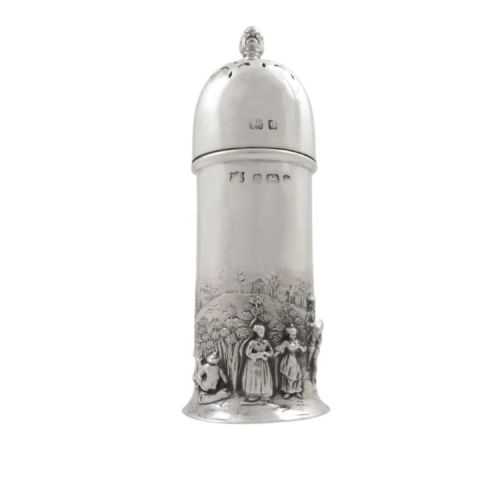
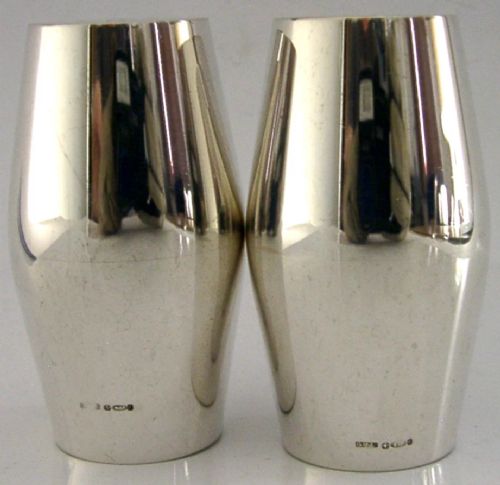
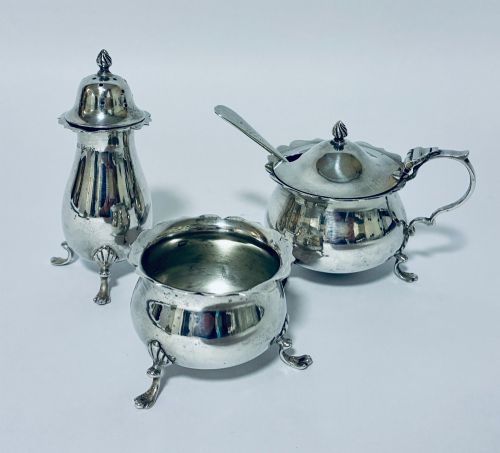
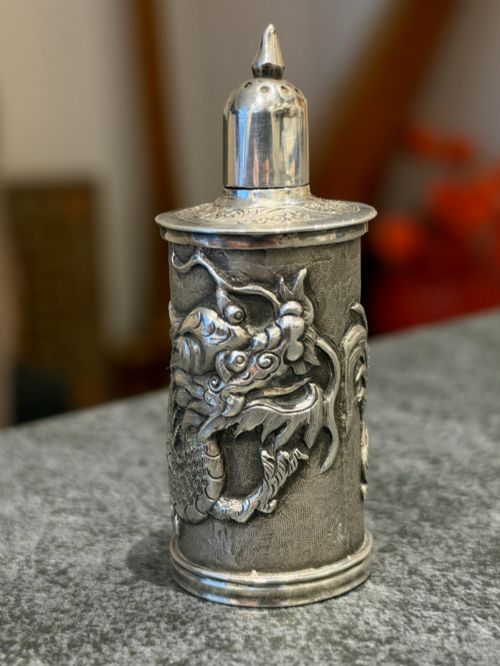
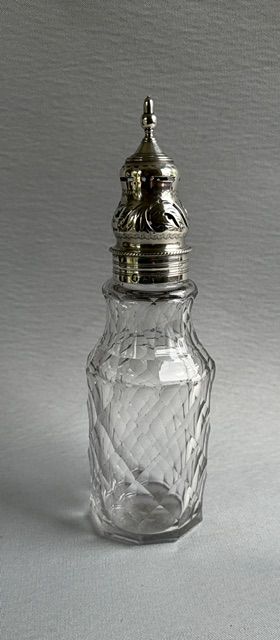
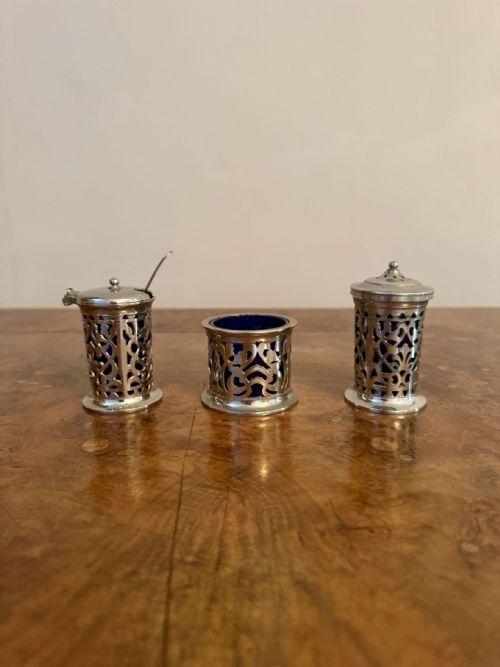
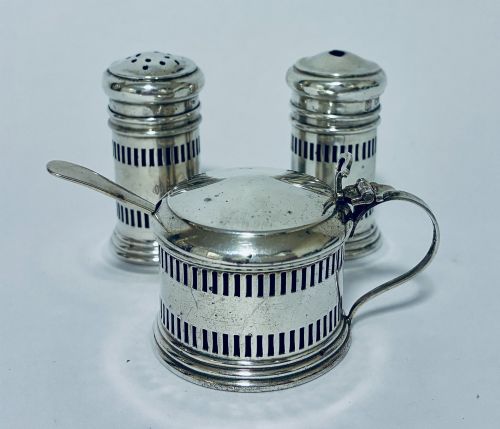
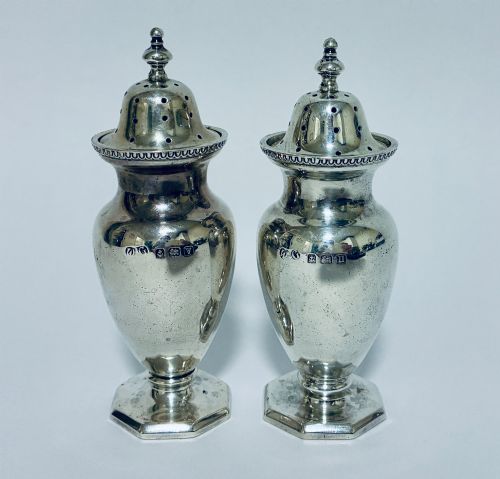
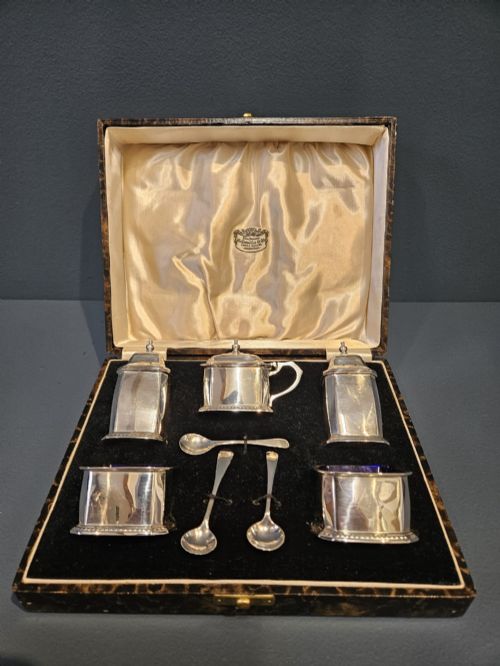
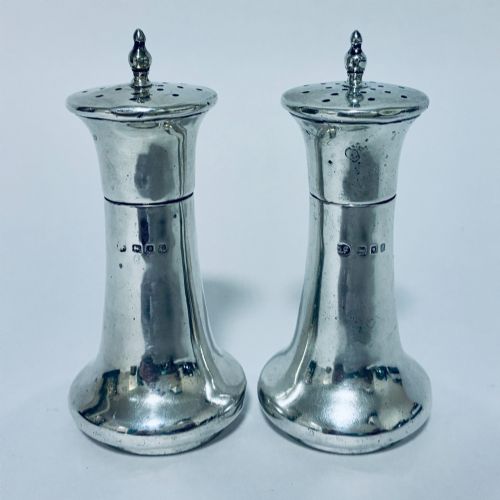
When you search for an antique condiment caster, you find standalone sugar shakers alongside pepper pots, salt tubs, and multi-bottle cruet sets that bring formality to the dining table. The pieces span periods from the Georgian era through the Victorian and Edwardian decades into the Art Deco style of the 1930s.
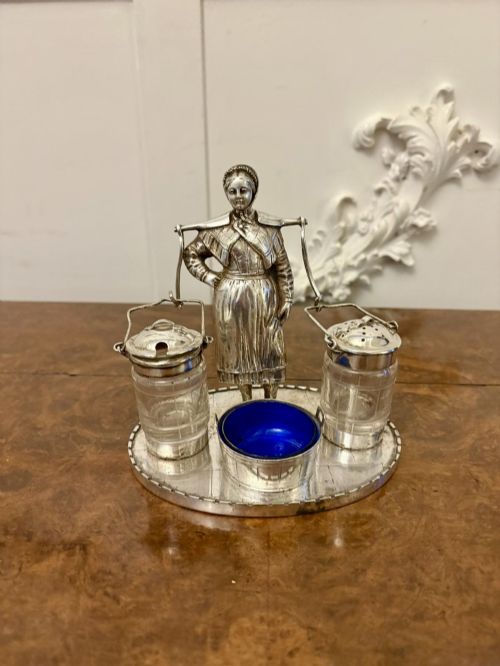
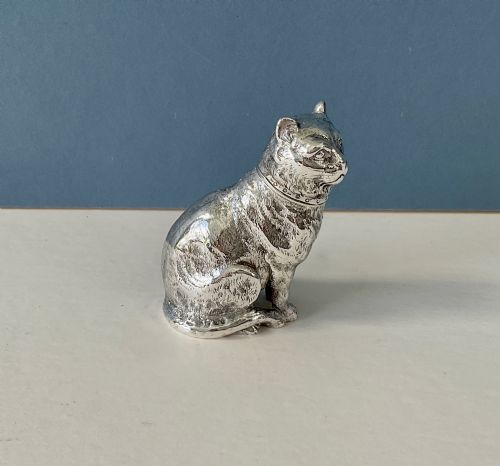
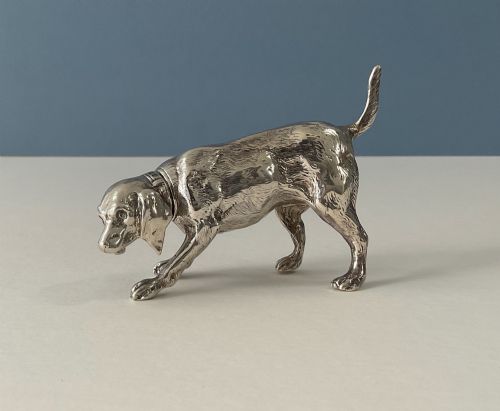
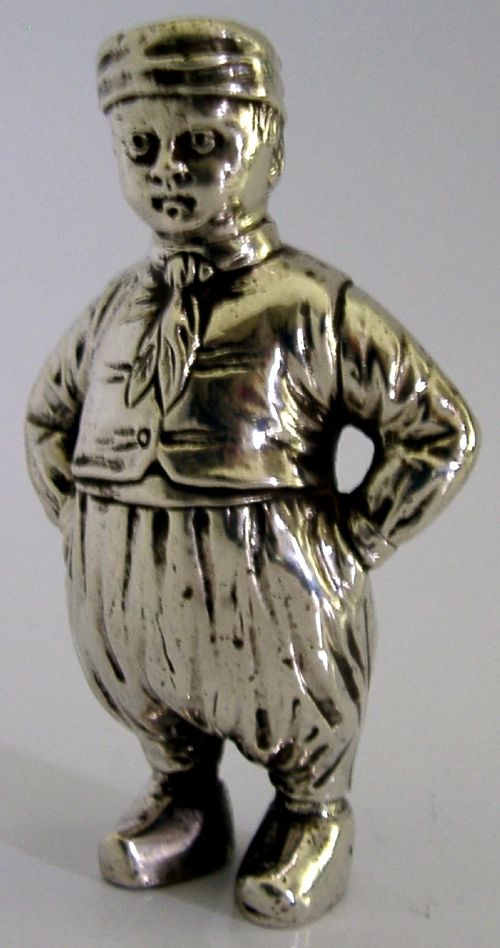
The version you are most likely to meet on this page is the Edwardian or Victorian silver-plated cruet set, often combining cut glass bottles with pierced metal tops, or individual silver pepper pots shaped as animals and birds.
Makers produced these tablewares in sterling silver, silver plate, brass, and glass, incorporating cobalt or cranberry flashed elements into stands holding multiple condiment pots.
Indicators of Quality
The integrity of the matching glass inserts within a cruet set and the clarity of the hallmarks on the silver components separate standard domestic wares from exceptional high-status pieces produced by prominent silversmiths.
Antique Condiment Caster Retail Price Guide 2026
Typical asking prices for condiment caster among the pieces listed under this phrase on Sellingantiques today, from the lower quarter to the upper quarter. They describe what is for sale here now, not the wider market.
Frederick Brasted·Mappin Brothers·Charles Thomas Fox·Elkington & Co·Roberts & Belk
The Antique Condiment Caster Glossary
- Cruet set
- A matched collection of glass or ceramic bottles and pots for condiments, held together in a metal stand. These sets typically held oil, vinegar, mustard, pepper, and sugar for the dining table.
- Sugar caster
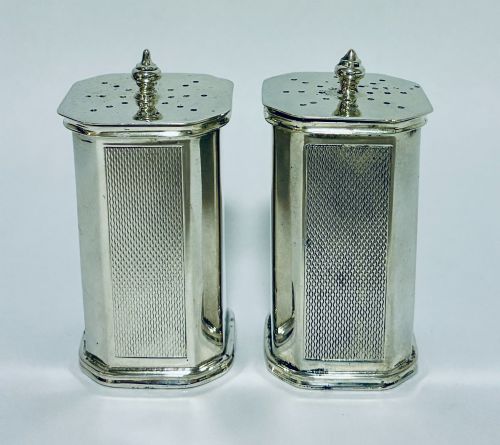
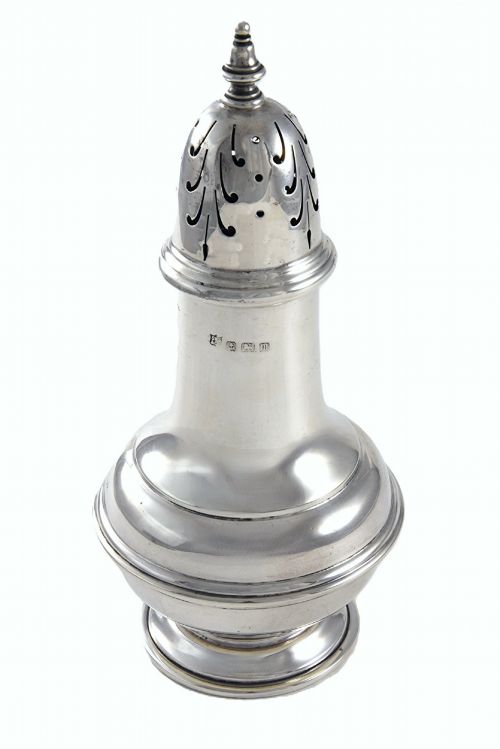
- A tall jar with a pierced dome top used for sprinkling powdered sugar over food. Examples range from Georgian sterling silver baluster shapes to Art Deco polygon designs.
- Pepperette
- A small container designed specifically for dispensing ground pepper at the table. Victorian examples frequently took novelty animal shapes such as owls, dogs, and cats.
- Silver plate
- A base metal, such as copper or Britannia metal, coated with a thin layer of silver through electroplating or old Sheffield plating methods. This technique allowed manufacturers to produce affordable domestic tableware.
- Cobalt glass
- Deep blue glass created by adding cobalt oxide to the molten batch during production. It frequently appears as liner bottles within silver condiment stands.
Antique Condiment Caster: Frequently Asked Questions
How do I clean antique silver?
Cleaning antique silver requires a soft cloth and a gentle, non-abrasive silver polish formulated for heritage items. Avoid harsh dips that strip the natural patination.
Store pieces in dry environments away from direct sunlight to minimise tarnishing on the silver and silver-plated surfaces.
What is a cruet set?
A cruet set is an assembled collection of bottles and pots housed in a dedicated metal frame or stand. They held various liquid and dry table seasonings together in one portable unit.
Victorian and Edwardian versions often contained six or seven matching cut glass bottles with silver mounts.
How do I date an antique caster?
Dating relies primarily on the hallmarks stamped into the silver components, which indicate the assay office, standard of metal, and year of manufacture. Stylistic shifts, such as Georgian curves versus Art Deco polygon shapes, provide further chronological clues.
Silver-plated items often rely on maker marks and manufacturing techniques to narrow down their period of origin.