
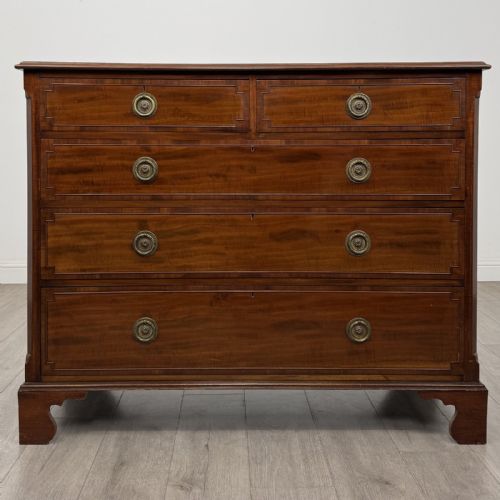
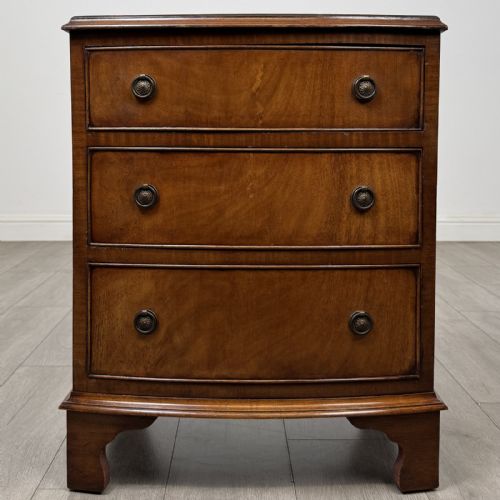
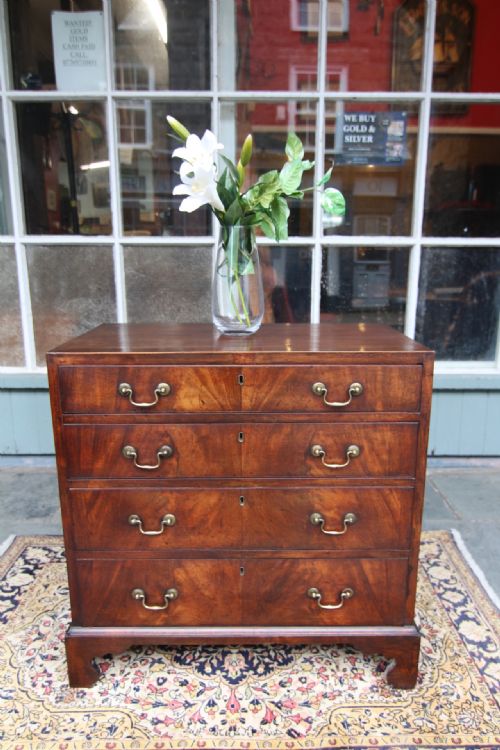
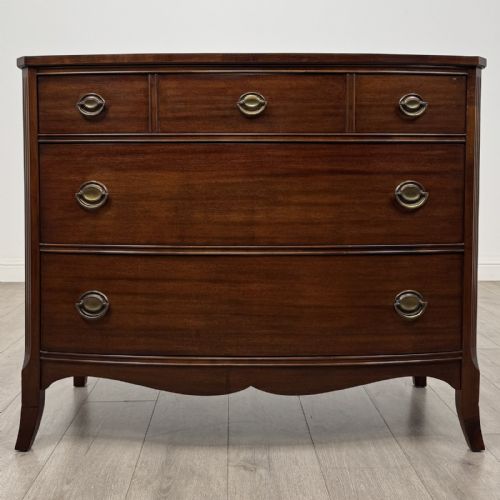
Antique Commode Furniture
Antique commode furniture comprises substantial storage pieces and low drawer chests spanning the eighteenth to the twentieth centuries.
Antique Commode Furniture
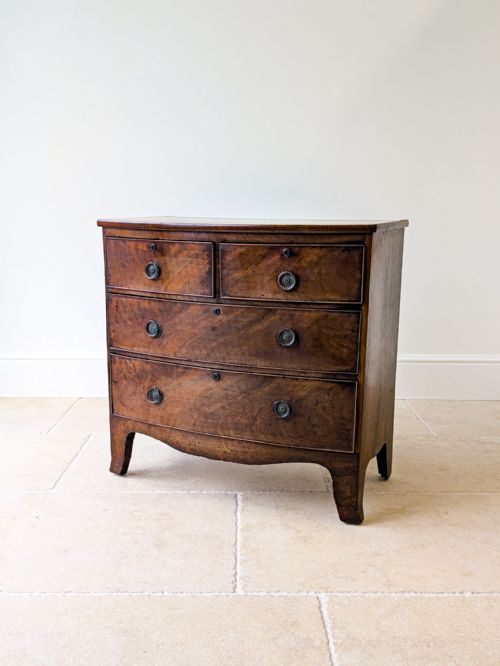
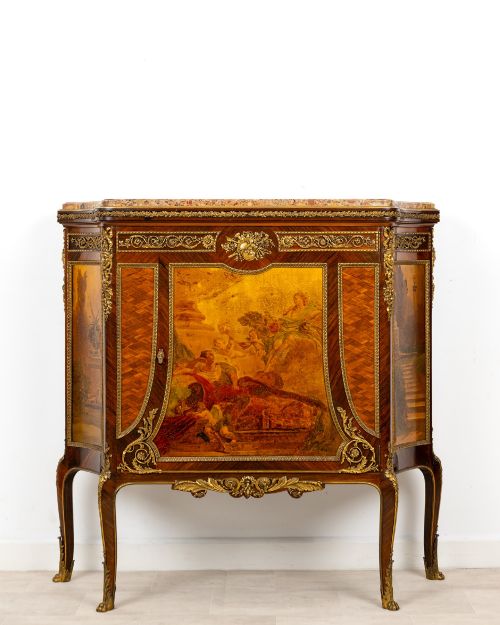
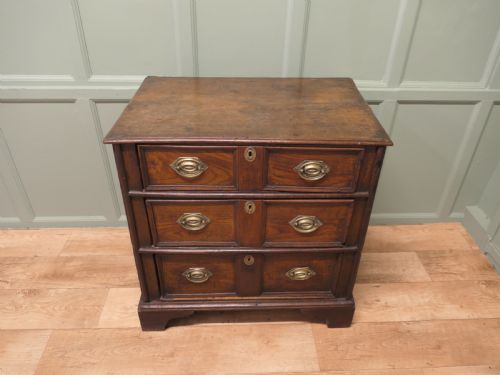
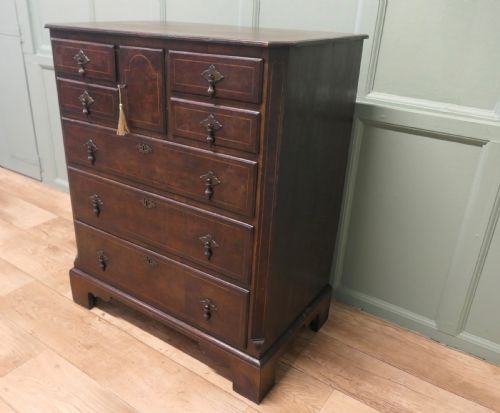
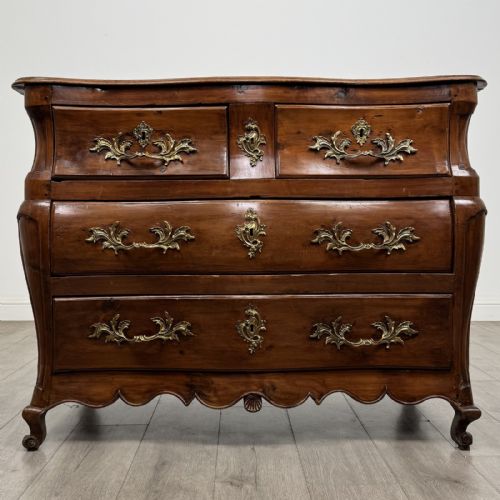
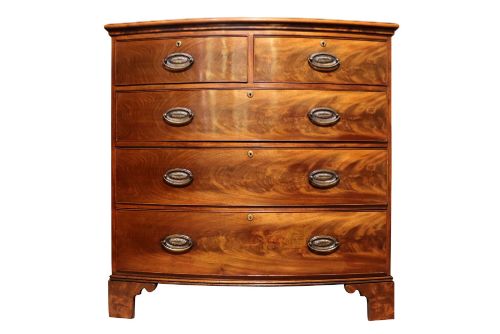
Antique commode furniture encompasses practical storage chests, low cupboards, and sophisticated commodes designed for domestic interiors over multiple centuries. These pieces reflect the evolving tastes of the Georgian, Victorian, and Edwardian periods, manifesting in forms from bow-fronted drawer chests to serpentine commodes.
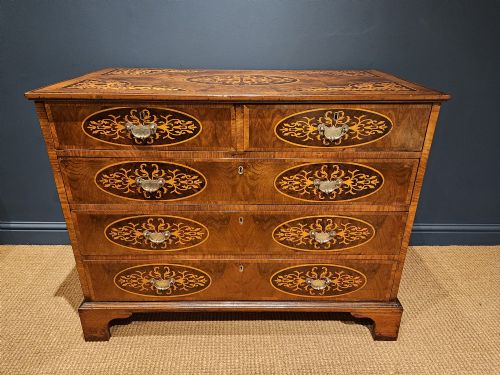
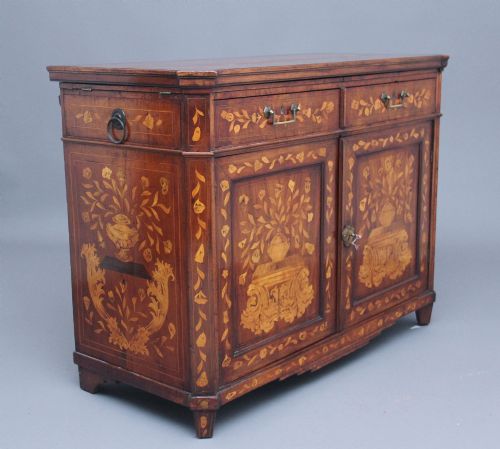
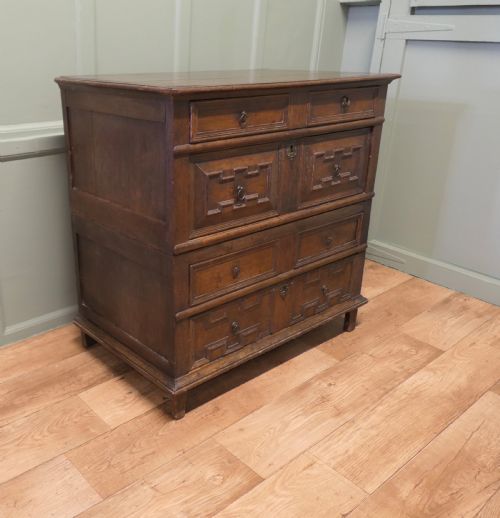
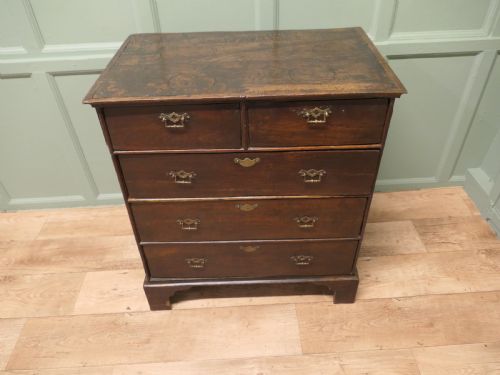
Buyers browsing this selection frequently encounter sturdy oak and mahogany drawer units alongside refined walnut pieces originating from British, French, and Austrian workshops. The inventory bridges utilitarian storage needs with decorative craftsmanship, ranging from austere early oak examples to flamboyant continental marquetry designs.
The assortment includes distinct regional interpretations, such as Dutch burr walnut chests, French provincial commodes, and Scottish craftsmanship from makers like Whytock and Reid. Such variety ensures that collectors find both functional bedside storage and dramatic focal points for a room.
Materials and construction methods
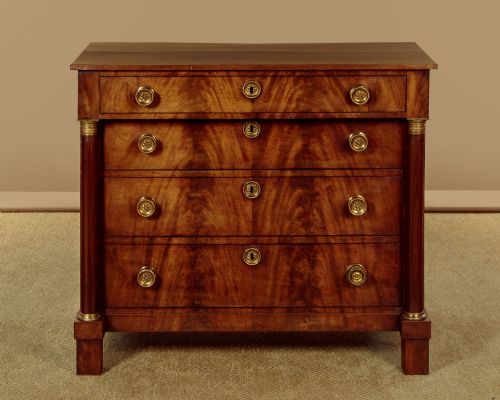
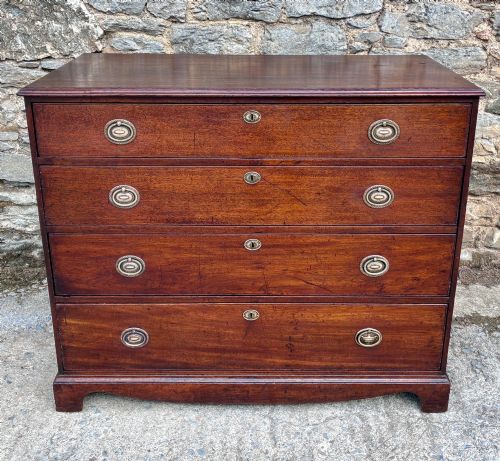
Cabinet makers relied heavily on robust timbers such as mahogany, oak, and walnut, frequently enhancing surfaces with figured veneers, flame mahogany, or burr walnut overlays. These structural woods provided the stability needed for multi-drawer chests and serpentine cupboards.
Secondary elements like brass handles, key escutcheons, and occasional stencilled pine details completed the construction. Carpenters utilised dovetail joints for drawer assembly and crossbanding to frame drawer fronts, ensuring durability alongside decorative elegance.
Some Victorian chests hide grinning Green Man grotesques carved into their woodwork, watching silently over the household linen.
Distinctions in quality
Quality reveals itself in the selection of timber grain, where highly figured walnut or matched flame mahogany veneers distinguish superior examples from plain utility pieces. The precision of the cabinet maker's joinery, particularly in curved serpentine fronts and flush drawer fittings, dictates the tier of the piece.
Original hardware, intact brassware, and subtle details like integrated brushing slides elevate certain chests above standard production models. The coherence of the design, whether executed in a restrained Georgian style or an elaborate French provincial manner, underpins the lasting integrity of the furniture.
Whytock and Reid·Sir Clough Williams-Ellis
The Antique Commode Furniture Glossary
- Serpentine
- A curved front shape with a convex centre flanked by concave ends. This contour requires immense skill from the cabinet maker to execute cleanly in solid wood or veneer.
- Crossbanding
- A narrow strip of veneer laid perpendicularly to the surrounding grain along the border of a drawer front or tabletop. It creates a neat framing effect that highlights the primary wood.
- Brushing slide
- A pull-out shelf positioned above the top drawers of a chest. It served historically as a temporary surface for folding garments or grooming.
- Marquetry
- The art of applying pieces of veneer to a structure to form decorative patterns and pictures. It appears frequently on continental commodes of the eighteenth and nineteenth centuries.
- Biedermeier
- A central European style of furniture from the nineteenth century prioritising utilitarian comfort and clean lines over excessive ornamentation. It often showcases blonde hardwoods with minimal hardware.
Antique Commode Furniture: Frequently Asked Questions
What is an antique commode?
An antique commode is a low cabinet or chest of drawers designed for domestic storage, often featuring decorative veneering or shaped fronts.
These pieces developed from simple enclosed furniture into highly ornamental furnishings placed in bedrooms and reception rooms alike.
How do I date a chest?
Dating relies on observing structural characteristics, timber choices, and hardware styles across periods like the Georgian and Victorian eras. Earlier pieces often display solid oak or walnut construction with hand-cut joinery, whereas later examples incorporate machine-sawn elements and different veneer treatments.
Examining drawer construction and secondary woods provides further clues to the decade of origin.
Where should I place a commode?
These storage units suit hallways, bedrooms, and living spaces where surface area and enclosed drawer capacity prove useful. Their decorative fronts allow them to function as focal points beneath mirrors or artwork.
Matching the timber tone to existing room decor helps integrate the piece smoothly.
What is a bow front?
A bow front is a convex curving profile that projects outward across the front of a chest of drawers. This shape softens the boxy geometry of traditional storage furniture.
Cabinet makers used this technique extensively during the Regency and Edwardian periods.