
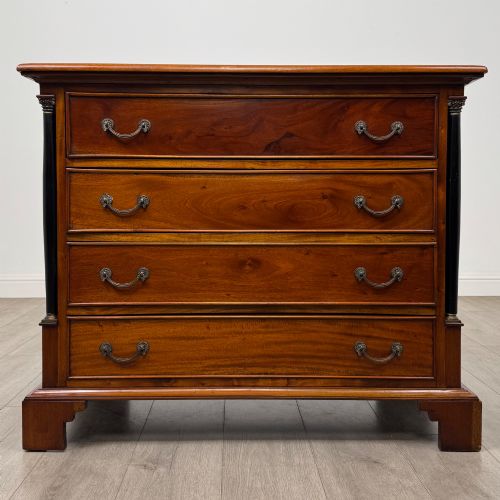
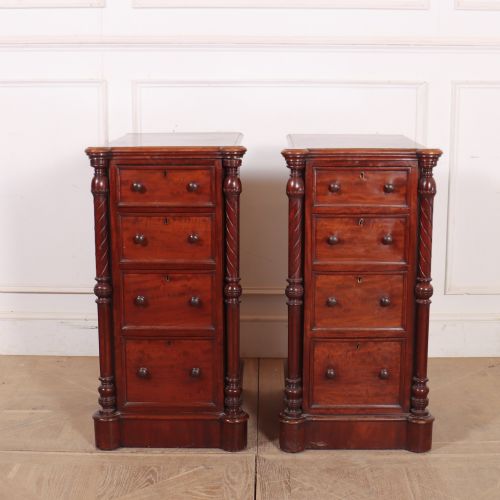
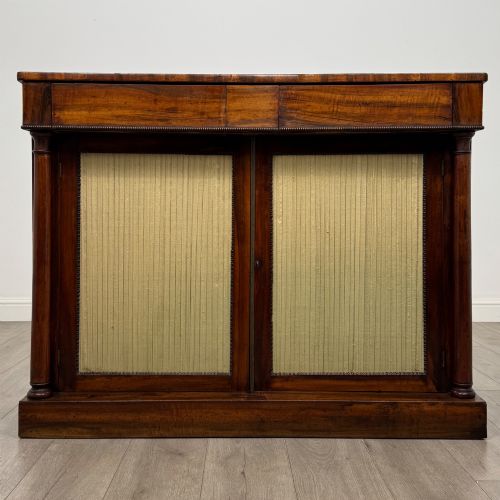
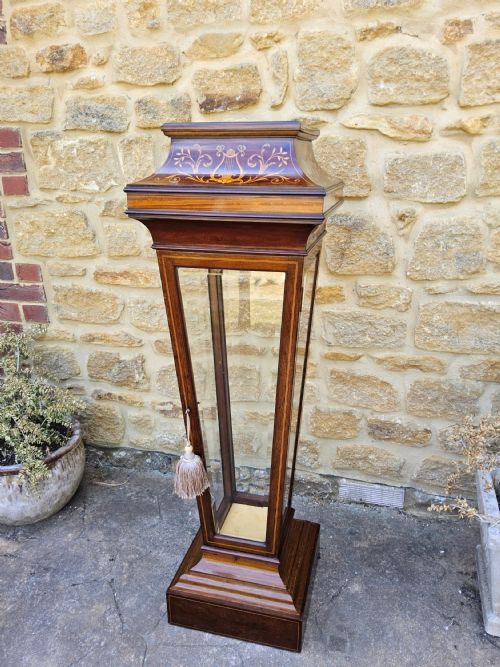

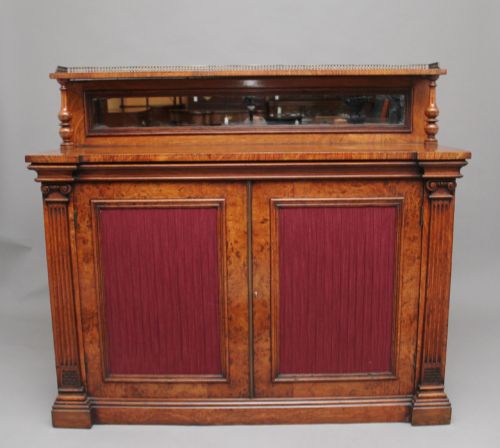
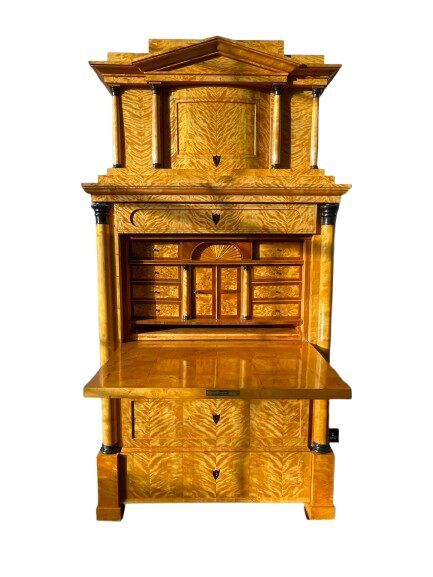
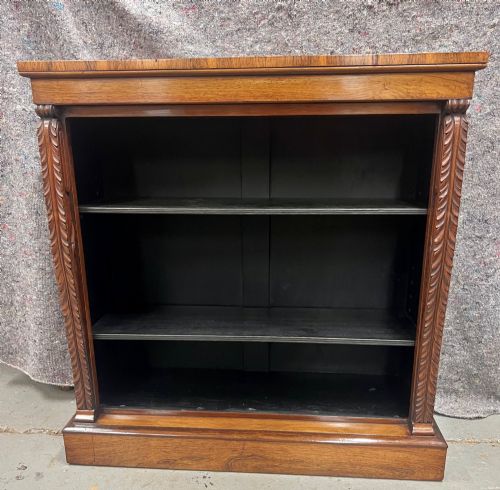
Antique Column Cabinet
An antique column cabinet brings classical architectural presence and rich timber grain to a room, offering practical storage through stately proportions.
Antique Column Cabinet
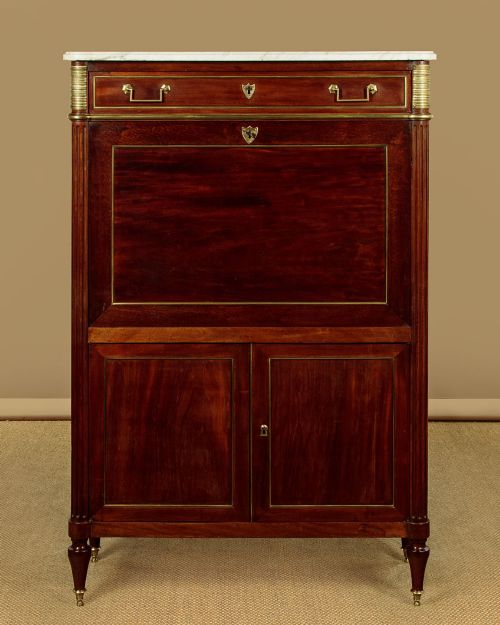
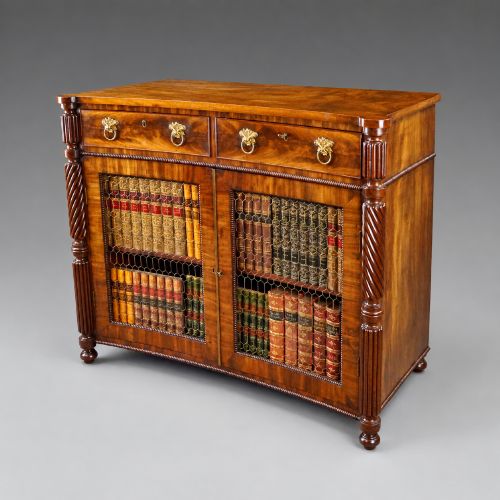
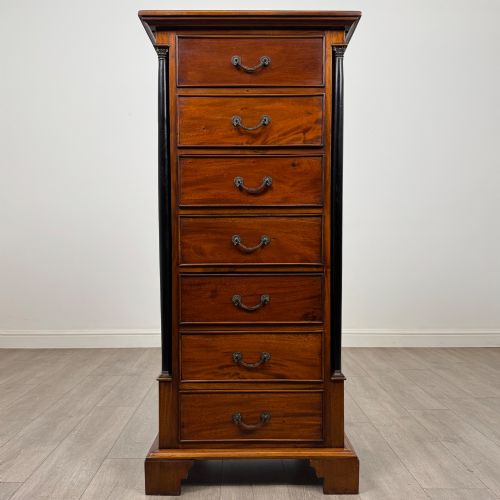
An antique column cabinet encompasses a variety of timber storage forms, from side cabinets and chiffoniers to bookcases and bedside cupboards. These pieces emerge predominantly from nineteenth-century workshops, spanning the Regency, Victorian, and Edwardian eras.
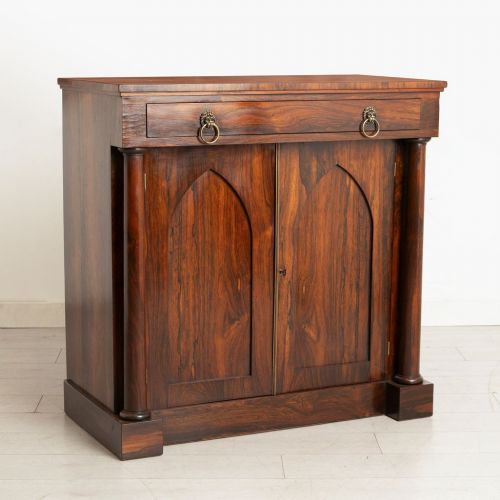
Mahogany and rosewood appear frequently among the listings, alongside oak, walnut, and exotic timbers such as goncalo alves and pollard oak. Cabinet makers incorporated architectural elements like classical columns to give upright furniture a sense of structural gravity.
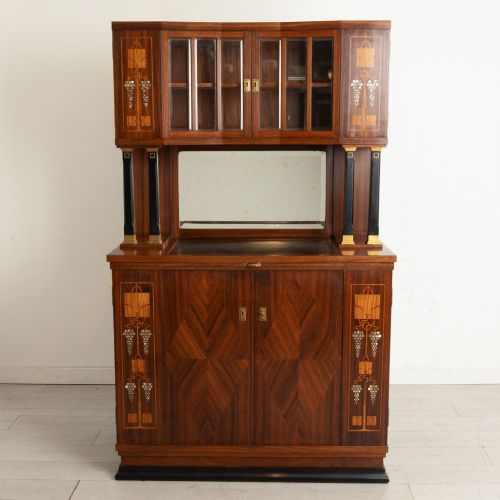
Buyers will encounter items ranging from narrow bedside units to imposing breakfront bookcases and display cabinets. Each piece reflects the revival styles and cabinet-making priorities of its nineteenth or early twentieth-century period.
Materials and Construction
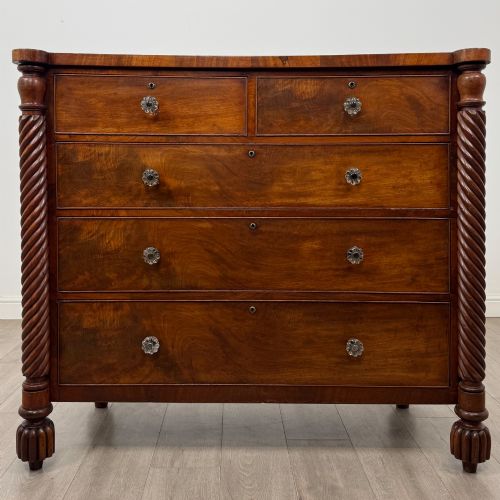
Cabinet makers relied heavily on solid mahogany, rosewood, and oak for structural integrity, often applying figured veneers such as burr walnut, satin birch, or pollard oak to primary surfaces. These dense hardwoods allowed artisans to turn robust columns and plane smooth, flat panels that resisted warping.
Brass mounts, glass panes, and marble tops frequently complete the construction, particularly on pieces influenced by French Empire and Regency designs. Joinery techniques combined traditional framing with hand-cut dovetails for drawers and secure carcass assembly.
Listings feature woods such as mahogany, rosewood, oak, walnut, amboyna, and satin birch across nineteenth and twentieth-century periods.
Craftsmanship and Proportion
The distinction between ordinary and exceptional examples rests in the selection of timber figures and the crispness of architectural carving. Superior cabinets display meticulously matched veneers and finely turned columns that integrate harmoniously into the overall carcass.
Makers of exhibition quality pieces invested considerable skill in secondary details, such as secret drawers, brass mountings, and hand-fitted doors that operate with precision. The balance of classical proportions ultimately separates standard utility furniture from high-status commissions.
August Ungethüm
The Antique Column Cabinet Glossary
- Chiffonier
- A low sideboard or cabinet featuring a raised shelf or back, commonly used in nineteenth-century dining and living rooms for storing silver or linens.
- Credenza
- A grand display cabinet or sideboard originating in Italy, heavily favoured by Victorian cabinet makers for elaborate reception rooms.
- Goncalo Alvez
- A dense, highly figured tropical hardwood displaying dark brown and reddish tones, utilised in select Regency furniture.
- Vitrine
- A glass-fronted display cabinet designed specifically for showing porcelain, books, or delicate collectables.
- Tambour
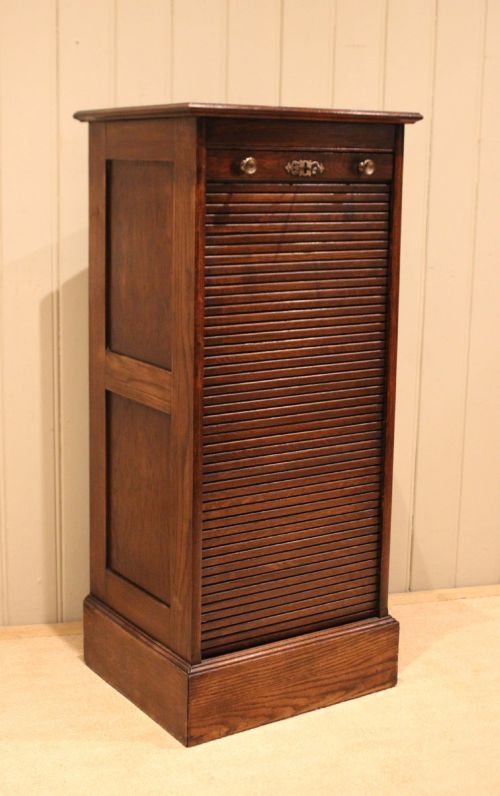
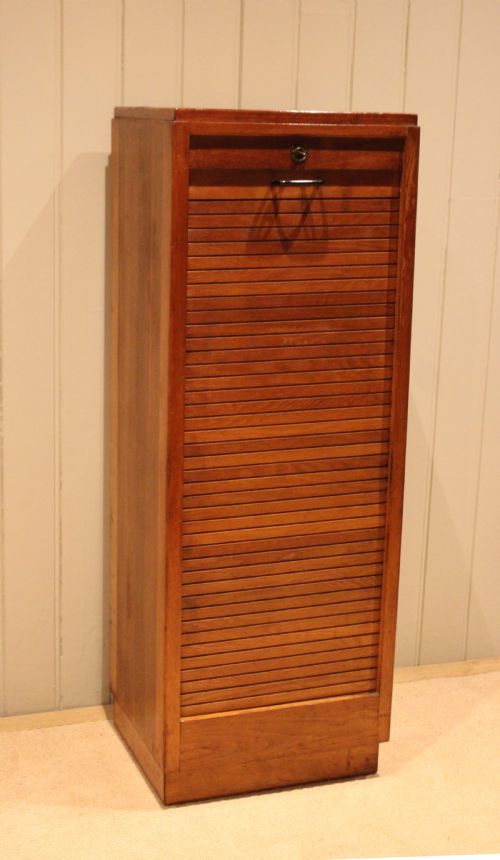
- A flexible shutter door constructed from narrow vertical strips of wood glued to a canvas backing, allowing access to fitted interior compartments.
Antique Column Cabinet: Frequently Asked Questions
What periods do these cabinets come from?
The pieces span the nineteenth and early twentieth centuries, encompassing Regency, Victorian, and Edwardian eras. Cabinet makers during these decades drew heavily on classical architectural motifs.
Dates range from the early nineteenth century through to nineteen-ten, reflecting shifts in British and continental tastes.
How were column cabinets used originally?
These units served multiple domestic functions, operating as bedside cupboards, side cabinets, or display pieces for books and valuables. Their sturdy construction made them suitable for everyday storage in principal rooms.
Many incorporated specialised interiors like secret drawers, adjustable shelving, or tambour fronts for secure document filing.
Which timbers are most common?
Mahogany remains the predominant timber across the listings, supported by rosewood, oak, and walnut. Cabinet makers also employed exotic veneers like pollard oak and satin birch for decorative contrast.
Marble tops and brass mounts frequently accent the primary woods, particularly on pieces with French Empire or Regency influences.
How do I identify a Regency style piece?
Regency and Regency revival items often feature clean architectural lines, classical column supports, and rich dark timbers such as rosewood and goncalo alves. Brass mounts and simulated rosewood graining also point to this aesthetic.
Proportions tend to be balanced and restrained, prioritising the natural grain of the wood over heavy carved ornamentation.